Articles of Education: k 12 education
News Update
Loading...
Showing posts with label k 12 education. Show all posts

Sunday, August 24, 2025

Test or not test? The kindergarten dilemma

Test or not test? The kindergarten dilemma

Featured Image

A New Approach to Kindergarten Education

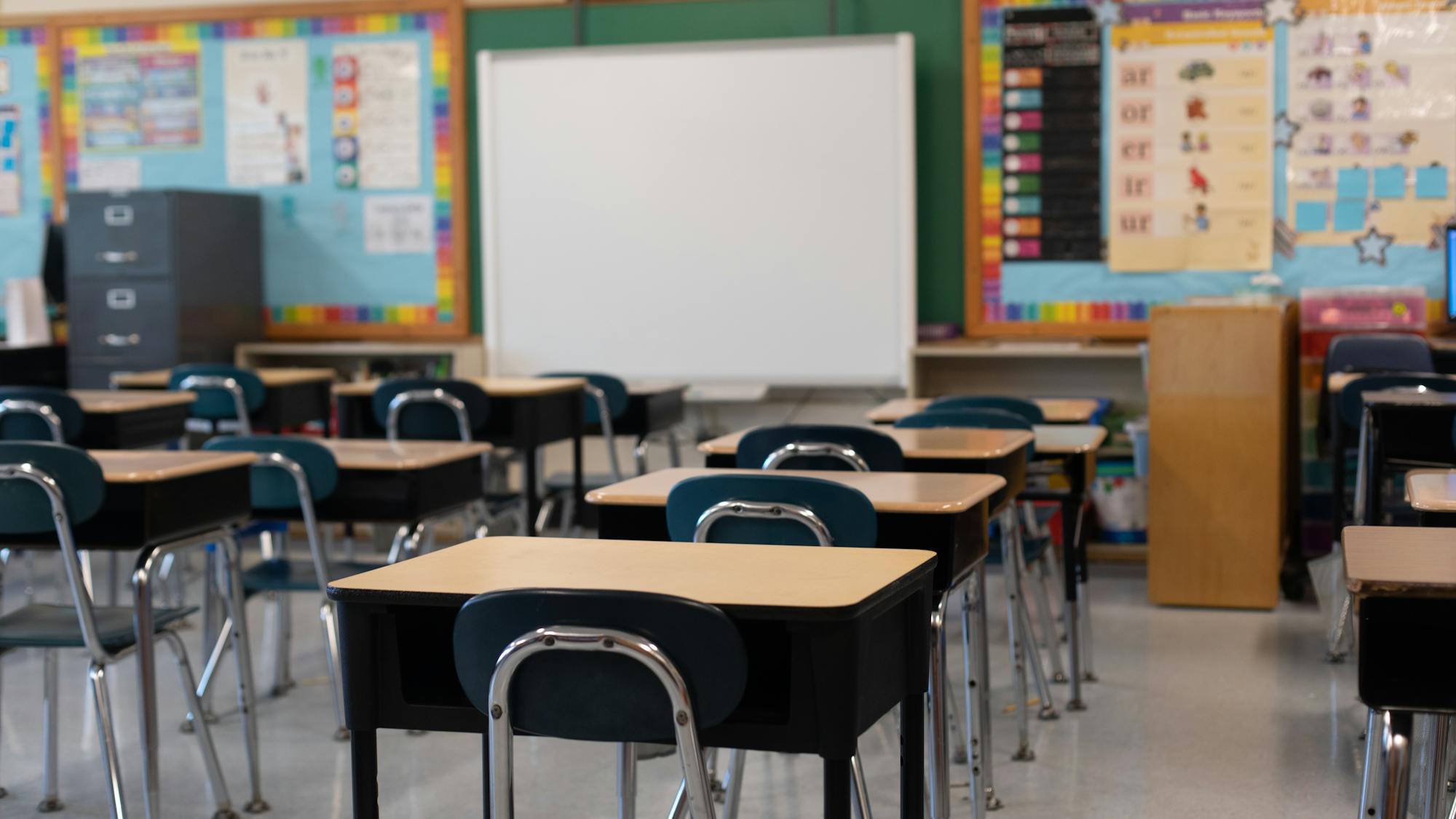
Several weeks before the official start of the coming school year, 18 kindergartners-to-be arrived at Maria Surface’s classroom at Beaverton’s Vose Elementary School wearing big-kid backpacks. This was more than just a trial run—it was an opportunity for these young students to begin learning the rules that would shape their next 13 years of education. From raising hands to asking questions, to properly using a gluestick and turning pages gently, the children were being introduced to the expectations of school life.

What they didn’t realize, however, was that the teacher was also learning about them. The experience highlighted a broader conversation in Oregon about how the state's youngest public school students should be assessed. This debate has significant implications for education policy, particularly regarding the balance between testing and developmentally appropriate practices.

The Debate Over Testing in Kindergarten

This year, Governor Tina Kotek issued a rare veto on Senate Bill 302, which aimed to require the Oregon Department of Education to audit assessments given to kindergartners across the state. The bill, sponsored by state Senator Lew Frederick, was supported largely along party lines but faced objections from some legislators, including House Speaker Julie Fahey and Senator Janeen Sollman.

If passed, the bill would have mandated a report on the types of assessments used in kindergarten classrooms. Unlike older students, who are subject to statewide standardized tests, kindergartners in Oregon do not face such exams. Instead, individual school districts design their own methods for evaluating student progress. Some, like Portland Public Schools, use the MAP test to gauge reading levels, while others, such as Beaverton, employ tools like Star Early Literacy to check progress three times a year.

The Push for Play-Based Learning

The bill was backed by the Oregon Public Education Network (OPEN), a group advocating for play-based learning in early childhood education. OPEN argues that standardized testing can negatively impact instruction time, curriculum choices, and the social-emotional well-being of young students. They also raise concerns about the costs associated with testing companies.

The push for a more flexible, play-based approach has been growing in recent years. Oregon had previously stopped requiring one-on-one assessments for incoming kindergartners in 2020, moving away from a system that tested basic skills like letter recognition and counting. Now, many districts assess students throughout the year using a mix of teacher observations, formal online assessments, and developmental checklists.

Balancing Accountability and Development

Governor Kotek, who has focused on improving academic outcomes, especially in early reading and writing, emphasized the need for baseline data from standardized tests for third through eighth graders. However, she vetoed the kindergarten testing audit bill, citing administrative costs and concerns over the shift toward play-based education.

At Vose Elementary, teacher Maria Surface uses her own methods to track student progress. She observes how students interact during play, follow instructions, and engage with learning materials. For example, during a read-aloud session of “The Very Hungry Caterpillar,” a student named Ezra noticed that the teacher missed a key item on the list, showcasing his attention to detail.

Surface also notes how students handle tasks like painting their names or playing with toys. These observations help her understand each child’s strengths and areas for growth. While she appreciates the district’s formal assessments, she believes that a system that supports both play and structured learning would be ideal.

The Role of Family Conversations

In addition to classroom assessments, some schools are exploring alternative approaches, such as “family conversations.” These informal meetings between teachers and families aim to provide insight into a child’s personality and background. Although not yet mandatory, this approach reflects a growing emphasis on understanding each student’s unique needs.

Principal Monique Singleton at Vose Elementary supports this philosophy, emphasizing the importance of empowering teachers rather than imposing mandates without adequate funding. She believes that combining district-mandated assessments with classroom observations allows for a more comprehensive view of student progress.

A Focus on Growth and Resilience

As the summer dress rehearsal came to an end, Surface gathered her students for a final reminder of the rules of school. She asked if it was okay to make mistakes and whether it was acceptable to say, “I’m not sure.” The children responded with a chorus of “yeses,” reinforcing the idea that trying again is part of the learning process.

Through her careful observations and thoughtful guidance, Surface is helping her students build the skills and confidence they will need for the school year ahead. Her approach reflects a broader movement in education—one that values both accountability and the developmental needs of young learners.

Thursday, August 21, 2025

Over 1,000 SC Voucher Recipients Wrongly Enrolled in Public Schools

Over 1,000 SC Voucher Recipients Wrongly Enrolled in Public Schools

Featured Image

Overview of South Carolina's School Voucher Program

South Carolina's school voucher program, launched to support low- and middle-income families with K-12 children attending private or out-of-district public schools, has faced significant challenges in its first year. Data from the S.C. Department of Education reveals that over a third of the nearly 3,000 students who received taxpayer-funded vouchers last year either withdrew or were removed due to eligibility concerns. This highlights the complexities and missteps in implementing such a large-scale initiative.

Eligibility and Enrollment Verification Issues

To qualify for a voucher, students could not be enrolled full-time in their local district. However, the department suspended the accounts of 1,229 voucher recipients after they were flagged during enrollment checks. These checks aimed to confirm that participants had left their zoned school districts. About one in five of these suspended accounts were reinstated after further review confirmed their eligibility, while the remaining 1,005 participants, who had already received at least one $1,500 scholarship payment, left the program.

All of the recipients removed due to enrollment verification had been enrolled at their zoned public schools, according to a statement from the education department. The department recovered unused funds from these accounts but did not attempt to recover money already spent. The law does not provide a mechanism for recouping funds, as explained by a department spokesman.

Financial Disbursement and Expenditure Patterns

The program disbursed over $1.5 million in scholarships, with more than half of the $3.1 million used by recipients during the first five-and-a-half months spent at major retailers like Best Buy, Staples, and Office Depot. These purchases primarily included computers and technological devices, as well as instructional materials. Another $982,000 was spent at private schools, with more than a third of these institutions espousing anti-LGBTQ beliefs. Additional funds were allocated for tutoring and public school expenses.

Despite clear guidelines, many participants were unaware that enrollment in their resident district was prohibited. State officials discovered this issue when conducting their first student count on the 45th day of the school year. This led to the suspension of numerous voucher recipients, some of whom may have never left their public schools or returned after a court ruling deemed private school tuition payments unconstitutional.

Criticisms and Recommendations

Critics, including Patrick Kelly, a lobbyist for the Palmetto State Teachers Association, noted that problems are expected in the first year of any large program. The Education Oversight Committee (EOC) report highlighted confusion among participants regarding enrollment requirements and other eligibility criteria. Some respondents indicated they had not attended a South Carolina public school the previous year, which is a requirement for all students except those entering kindergarten.

The EOC recommended improved communication and pre-verification of eligibility before releasing scholarship funds. However, current laws require the release of first-quarter payments in July, making it challenging to ensure compliance before disbursement. Deputy Superintendent Laura Bayne stated that the department would continue to comply with the law regarding funding distribution and eligibility verification.

Legislative Changes and Future Outlook

Changes to the voucher law, enacted this year, aim to simplify eligibility verification. Recipients are no longer required to enroll outside their local public school districts, only outside their zoned schools, and prior public school attendance is no longer mandatory. These adjustments should ease the burden on state education officials.

As of late June, all 10,000 voucher slots for the 2025-2026 school year were filled. Families making no more than 300% of the federal poverty level, or $96,450 for a family of four, are now eligible for $7,500 scholarships. The funds can cover a range of educational expenses, including tuition, transportation, uniforms, tutoring, and technology.

With ongoing improvements and legislative updates, the future of South Carolina’s school voucher program remains a topic of interest and debate, reflecting broader discussions about educational equity and policy implementation.

Are NC Schools More Segregated? What the Data Reveals After Lifting Voucher Cap

Are NC Schools More Segregated? What the Data Reveals After Lifting Voucher Cap

Featured Image

The Impact of School Vouchers on Education and Segregation in North Carolina

Nia Smith, a mother from Charlotte, found that public schools were not meeting her son's needs. Her child has special needs, and she wanted a smaller school with a strong sense of community and specialized instruction. However, the cost of private education was prohibitive for her family. With the help of an Opportunity Scholarship, she was able to enroll her son at ALC Mosaic, a secular private school in east Charlotte.

North Carolina introduced state-funded school vouchers in 2014, but there was an income cap until last year. Smith was in the second income tier and qualified for the scholarship before, but funding was limited. After the state expanded the program, more families like hers gained access to private education options.

Proponents argue that voucher expansion provides essential choices for families, especially those with children who have complex needs. They believe it allows parents to engage directly with school directors and make informed decisions about their children’s education. However, critics claim that such programs drain resources from already underfunded public schools. Research also suggests that students leaving public schools for private institutions may contribute to increased school segregation.

ALC Mosaic uses a sliding scale tuition model, allowing families to pay what they can afford. For some, this means as little as $800 per year. Director of Operations Tomis Parker emphasized that the school’s mission is to create a diverse and accessible community. “We believe education should be a public good and accessible to people,” he said.

This approach is rare among private schools, many of which charge tuition far exceeding the amount provided by even the largest school vouchers in North Carolina. While the Opportunity Scholarship program now allows families of all income levels to access funds, those with the lowest incomes still receive priority.

The program saw significant growth after the income cap was lifted. In the 2024-25 school year, over 80,000 students received scholarships, with 42% coming from families earning more than $115,000 annually. In Mecklenburg County, 58% of recipients came from households earning over $115,000, and 28% from households earning over $259,700.

Scholarship amounts vary based on income, ranging from $7,468 for the lowest-income families to $3,360 for the highest. Mecklenburg County received $39 million in vouchers during the 2024-25 school year, three times the previous year’s amount.

Despite the program’s expansion, data shows that school demographics have not changed significantly. Most new voucher recipients were already enrolled in private schools. Researchers warn that continued exodus from public schools could worsen segregation. Studies show white students are overrepresented in private and charter schools, with 74% of private school students in North Carolina being white, compared to 45% of public school students.

Diversity in schools is not just a moral issue—it has academic benefits. Integrated schools often see better performance on standardized tests and improved social outcomes. Charles Clotfelter, a former Duke University professor, noted that segregated schools hinder students’ ability to interact in a diverse society.

School segregation is more pronounced in urban areas, where private and charter schools offer more options. Urban districts like Charlotte-Mecklenburg Schools (CMS) have used magnet programs to promote diversity. However, private schools remain disproportionately white and high-income.

Clotfelter predicts that the universal voucher program will increase segregation, as more families choose private schools. He also pointed out that while the program has expanded access, it has not necessarily addressed broader issues of underfunding in public education.

Parker from ALC Mosaic believes that voucher expansion can increase accessibility, but he acknowledges that many private schools do not adjust tuition to match the maximum scholarship amount. For example, Covenant Day School charges between $14,290 and $21,590 per year, while CDS received $3.3 million in vouchers during the 2024-25 school year.

He argues that while private schools should not be forced to lower tuition, more should consider making themselves accessible to low-income families. At the same time, he emphasizes that public schools face systemic challenges, including serving students with disabilities without adequate support.

Mike Long of Parents for Education Freedom in North Carolina believes that educational dollars should follow the child, not the system. Elizabeth Paul of the NC Public School Forum argues that public schools need more resources to meet students' needs, and that diverting funds to private schools risks leaving many students behind.

Ultimately, the debate over school vouchers reflects deeper issues of equity, funding, and the future of education in North Carolina.

Westmont Hilltop's $2K Cyber Student Incentive Sparks Statewide Debate

Westmont Hilltop's $2K Cyber Student Incentive Sparks Statewide Debate

Featured Image

The Debate Over Cyber-Charter Incentives in Pennsylvania

In the wake of the pandemic, the education landscape has undergone significant changes, with more options becoming available to meet diverse student needs. This shift has led to increased awareness of alternatives to traditional brick-and-mortar schooling, including cyber-charter education. As a result, some school districts have experienced a decline in enrollment, prompting some to explore new strategies to bring students back.

Westmont Hilltop School District, located in Cambria County, is one such district that has faced this challenge. In June, the school board approved an incentive program offering $2,000 to families who enroll their children back into in-person schooling after opting for cyber-charter education. The decision was made in response to the district's concerns over financial implications and the impact on resources.

The district claims that approximately 73 students who are enrolled in cyber-charter schools are costing them around $1.2 million annually in reimbursements. This figure is calculated based on the average cost per student in the district, multiplied by the number of cyber students. However, critics argue that this approach oversimplifies the complex financial dynamics between traditional and cyber schools.

Concerns from the Cyber Education Community

Members of the cyber education community have expressed skepticism about the incentive. Marcus Hite, executive director of the Pennsylvania Association for Public Cyber-Charter Schools, called the decision "a disturbing disregard for fiscal responsibility." He emphasized that the issue is not just about money but also about transparency and accountability. Hite pointed out that while the district faces budgetary challenges, it also holds substantial fund balances, raising questions about how funds are being allocated.

Tim Eller, chief branding and government relations officer for the Commonwealth Charter Academy, echoed these concerns. He found it surprising that a publicly funded school would offer cash incentives to attract students back, suggesting that such actions could be seen as demeaning to families. Eller stressed that families do not view their children as financial assets, highlighting the need for a more respectful approach to education policy.

Perspectives from Parents and Students

Laetitia Shelton, a parent whose children attend the PALCS Pennsylvania Cyber Charter School, shared her family’s experience. They transitioned to cyber learning after the pandemic to accommodate their busy schedule and provide more flexibility. Shelton emphasized that the decision was not financially motivated but rather based on the benefits of personalized learning. She noted that the incentive offered by Westmont Hilltop would not entice her family to return to in-person schooling.

Shelton’s perspective reflects a broader sentiment among many families who see cyber education as a viable and effective alternative. Shana Long, a cyber teacher for special needs students at the Commonwealth Charter Academy, added that there is a common misconception that cyber charter schools are less rigorous or less committed to student success. She highlighted that cyber learning offers a different approach to education, one that can be equally effective when properly supported.

Exploring Alternatives and Solutions

While the debate continues, some school districts are exploring innovative solutions. The Altoona Area School District has developed an in-house cyber program that has been in place for over two decades. This program offers the same curriculum and teaching staff as traditional in-person classes, but with added flexibility for students and families. Superintendent Brad Hatch explained that the goal is to provide a flexible and individualized learning experience that meets the needs of all students.

Westmont Hilltop also has an in-house cyber program, but it is much smaller and less developed compared to Altoona’s. With proper investment and time, such programs could serve as a bridge between traditional and cyber education, offering families more choices without the need for financial incentives.

Looking Ahead

As the conversation around cyber-charter education continues, many stakeholders agree that a comprehensive approach is needed. Senator Wayne Langerholc acknowledged the challenges school districts face in managing student enrollment shifts and the financial implications of cyber education. He suggested that incentives might help districts regain some funding, but they should not be the sole solution.

Ultimately, the focus should be on improving the overall education system. Hatch emphasized the need for statewide cyber reform, while Hite urged a collaborative effort involving all parties. Shelton concluded that the key to progress lies in listening to students and families, ensuring that their voices shape the future of education in Pennsylvania.

Saturday, August 16, 2025

How I Defeated 'Kindergarten Panic' in the School Choice Era

How I Defeated 'Kindergarten Panic' in the School Choice Era

Featured Image

The Complexity of Choosing a Kindergarten in Modern Times

When I was growing up in the Sacramento suburbs during the 1990s, kindergarten enrollment was a straightforward process. My mother simply sent us to the elementary school closest to home. However, as a parent in Los Angeles today, I’ve discovered that finding the right kindergarten is anything but simple.

As someone who works in education, I expected to understand the system better, but I was still overwhelmed by the complexity of enrolling in this sprawling metropolitan school district. Over the years, I had heard discussions in my mom group about permits, lotteries, point systems, school ratings, and even the idea of buying a house in a “bad” school zone. It became clear that finding the best fit for my son soon turned into a part-time job.

I learned that my experience is becoming increasingly common. Beyond sending their children to their zoned school, many parents now have options such as applying for magnet programs, dual-immersion classes, gifted-and-talented tracks, and publicly funded charter schools. Others choose to homeschool or send their kids to private schools.

“Raising kids has always been work,” says Bailey Brown, a sociologist from Spelman College who studied the school-search process in New York City, the nation’s largest school system. “But the concept of school choice adds a new layer of intensity.”

According to federal data, 42% of parents have some level of choice within public-school systems, with 17% of public-school students attending a school other than the one assigned to them. In her book, “Kindergarten Panic,” Brown argues that the burden of choosing a school is being placed on parents—mostly mothers—whether they like it or not. While more options help parents find the best school, not everyone knows how to navigate the process, she found. Middle-income parents were more likely than low-income families to learn how to work the system and enroll their children in higher-performing schools.

Brown’s findings helped me make sense of my own search, which began more than a year before my son started kindergarten. I live just three blocks from a school that, like my home, dates back over 100 years. The initial tour disappointed me—the kindergarten play area offered little beyond hot asphalt and a few tricycles. I was concerned that the school had fewer than 250 students across eight grades. What if the school continued to decline?

So I began looking around. On tours of two nearby schools, parents filled the multipurpose rooms and queued on waitlists to get in. Both are highly sought after due to their gifted-and-talented programs. However, we quickly realized that so many kids lived within the boundaries that no one else stood much of a chance. That didn’t stop the dozens of touring parents from seeking an edge. They asked variations of: So you let in two students from outside the neighborhood last year—what exactly did they do?

A Spanish-language dual-immersion program within walking distance gave me my first glimmer of hope. Two parents with children at the school led the tour and gushed about their experience. A grant meant the yard was being “greened,” offering a break from the typical sea of asphalt. The Spanish program competed with a more well-established dual immersion down the street but had grown so popular it could no longer take everyone who applied.

I detoured from my neighborhood to visit a school I’d long pined for in the district next door, one with an Italian-language immersion program. Though I’m Italian-American on both sides, I have struggled to master the language. Having my son learn it at such a young age sounded idyllic.

Our upbeat tour guide quickly walked us around the yard before launching into an hour-long slideshow on the pedagogy of dual-language immersion learning. As the minutes ticked by, I grew confused about why she was trying to sell us. The school is incredibly popular, and we just wanted to know how to get in. She finally got to that question on the last slide. The school did take applications from families outside the district, but our priority would fall to the bottom. Still, kids with some Italian knowledge got an edge, so I eagerly followed up to tell them my son had been taking weekend lessons for a few years.

A friend connected me to a mom whose daughter attends my zoned school. She said the play yard only has tricycles, but her window overlooks it and she sees kids play happily all day. The teachers, she said, have worked there for years, and she loves walking to school and being part of the community. I appreciated the testimonial but remained unconvinced. With so many schools offering something unique, picking a standard neighborhood school felt like settling.

On a lark, I toured a nearby Waldorf-inspired charter school. We saw kindergartners baking bread and middle-schoolers learning a dance that triggered bad flashbacks to square dancing as a child. In the “handwork” room, parents cross-stitched while our guide explained that all students learn crafts. “What if my son doesn’t want to knit?” one mom asked. The guide replied: “Everyone can make a bunny. There are many different ways to do it.” I stifled a laugh.

Each tour touted the school’s distinction: a visual and performing-arts focus at one, a science and math bent at another. By the 10th tour, I had refined my questions. Do students get two recesses a day, or one? Do they take field trips? Is there after-school child care?

Months later, decision day arrived. Parents anxiously awaited notice. In the neighboring district, emails went out at 5 p.m. My friends began texting their results. My son had been waitlisted for the Italian program. As I rapidly cycled through grief and contingency planning, I checked my email again. There, just hours after the initial email, was another message offering my son a spot. I was ecstatic.

Brown said she hopes her research helps school districts understand that parents need more support in the search process. Tools like hotlines or simplified applications would help—as would making assigned schools more attractive.

In the vast Los Angeles Unified School District, families always have a seat at their neighborhood school but can also apply to 700 specialty programs. A district spokesman said that while navigating the options can feel complex, the district has tried to streamline the application and offer support such as regional fairs, targeted outreach, and enrollment counselors.

In her work, Brown saw the “panic” of the kindergarten search manifest in many ways, including in the pressure parents put on themselves to make the perfect choice. “They thought it was a reflection,” she said, “of who they were as a parent.”

Friday, August 15, 2025

Invest in Learning: Top Education Franchises for 2025

Invest in Learning: Top Education Franchises for 2025

Featured Image

Top 10 Education Franchises Leading the Way in 2025

From early childhood development to specialized tutoring and test preparation, the education franchise sector continues to thrive. These brands aren’t just teaching kids their ABCs or boosting math scores; they’re building confidence, opening doors, and helping students reach their full potential. With a focus on proven business models, scalable systems, and mission-driven approaches, these franchises are making a lasting impact in the education industry.

Here’s a closer look at the top 10 education franchises that have made it to the 2025 rankings, showcasing what makes them stand out in a competitive market.


1. Kumon

Founded in 1954 and franchising since 1958, Kumon has been refining its after-school enrichment model for decades. It helps students worldwide build strong math and reading skills through daily practice and self-learning. With over 25,000 locations globally and ranked in the top 10 of the Franchise 500, Kumon stands out for its low-overhead, high-impact approach to education. The franchise offers an opportunity for those passionate about helping kids excel without the complexities of traditional tutoring centers.

Key Details: - Overall rank: 10 - Number of units: 25,563 - Change in units: +0.57% over 3 years - Initial investment: $73,123 - $165,360 - Leadership: Yusuke Nakamura, CEO & COO


2. The Learning Experience Academy of Early Education

Established in 2001 and franchising since 2003, The Learning Experience has grown rapidly, now operating more than 400 locations. Ranked #25 on the 2025 Franchise 500, the brand has expanded by more than 36% over the past three years. It combines playful, character-driven learning with robust operational support. The initial investment ranges from $780,799 to $5.6 million, making it ideal for serious, mission-driven entrepreneurs.

Key Details: - Overall rank: 25 - Number of units: 433 - Change in units: +36.6% over 3 years - Initial investment: $780,799 - $5,608,799 - Leadership: Richard Weissman, CEO


3. The Goddard School

Founded in 1983 and franchising since 1988, The Goddard School ranks among the top early childhood education franchises and #55 on the overall Franchise 500. With nearly 650 locations, it has expanded steadily, growing by more than 9% in the past three years. Under the leadership of CEO Darin Harris and backed by Sycamore Partners, the brand offers a premium, play-based curriculum within thoughtfully designed centers.

Key Details: - Overall rank: 55 - Number of units: 649 - Change in units: +9.1% over 3 years - Initial investment: $902,500 - $8,514,000 - Leadership: Darin Harris, CEO


4. Kiddie Academy

Kiddie Academy blends education and childcare through its signature "Life Essentials" curriculum, serving children from six weeks to 12 years old. Founded in 1981 and franchising since 1992, the brand now operates 355 locations nationwide — a nearly 18% increase over the past three years. Ranked #86 overall on the 2025 Franchise 500, Kiddie Academy offers year-round learning in a nurturing environment.

Key Details: - Overall rank: 86 - Number of units: 355 - Change in units: +17.9% over 3 years - Initial investment: $405,000 - $6,950,000 - Leadership: Casey Miller, CEO


5. Mathnasium Learning Centers

Mathnasium Learning Centers specializes exclusively in math tutoring, leveraging the proprietary Mathnasium Method™ to help students excel. Founded in 2002 and franchising since 2003, it sits at #97 on the 2025 Franchise 500 and supports over 1,200 centers. The brand stands out for its inexpensive entry point — typically between $113,000 and $150,000, making it one of the more accessible opportunities in education franchising.

Key Details: - Overall rank: 97 - Number of units: 1,231 - Change in units: +5.7% over 3 years - Initial investment: $112,936 - $149,616 - Leadership: Tyler Sgro, CEO


6. Sylvan Learning

Sylvan Learning, an education stalwart since 1979, now boasts nearly 600 centers under the leadership of brand president Susan Valverde. Ranked #115 on the 2025 Franchise 500, the brand appeals to operators valuing stability and longevity. With a relatively low entry cost (between $108,000 and $239,000), it is an attractive option in the competitive educational franchise landscape.

Key Details: - Overall rank: 115 - Number of units: 570 - Change in units: +0.2% over 3 years - Initial investment: $107,922 - $239,012 - Leadership: Susan Valverde, brand president


7. School of Rock

School of Rock blends music education with live performance, creating an engaging, confidence-building experience for students. Founded in 1998 and franchising since 2004, the brand has grown to more than 400 locations worldwide. Its patented SongFirst teaching method combines one-on-one instruction, group rehearsals, and real gigs, helping students learn faster and perform better.

Key Details: - Overall rank: 118 - Number of units: 416 - Change in units: +35.5% over 3 years - Initial investment: $425,250 - $704,800 - Leadership: Stacey Ryan, president


8. Huntington Learning Center

Huntington Learning Center, founded in 1977 and franchising since 1985, has built a lasting reputation for improving student performance. Operating more than 250 centers nationwide under the leadership of co-founder Eileen Huntington, the brand ranks among the top education franchises. Startup costs range from about $148,000 to $263,000, with a 25% franchise fee discount offered to veterans.

Key Details: - Overall rank: 130 - Number of units: 268 - Change in units: -6.29% over 3 years - Initial investment: $163,521 - $302,211 - Leadership: Eileen Huntington, co-founder & CEO


9. Lightbridge Academy

Lightbridge Academy focuses on early learning for children from six weeks through pre-kindergarten. Founded in 1997 and franchising since 2011, it offers innovative curriculum, high safety standards, and technology-rich environments. With nearly 80 centers open, the system combines award-winning support and deep-rooted family leadership.

Key Details: - Overall rank: 179 - Number of units: 78 - Change in units: +47.2% over 3 years - Initial investment: $1,067,233 - $4,885,000 - Leadership: Gigi Schweikert, CEO


10. Primrose Schools

Primrose Schools, founded in 1982 in Marietta, Georgia, and franchising since 1988, now hosts over 500 independently-owned locations across more than 34 states. Recognized in the Franchise 500 (#197), Primrose blends a research-backed Balanced Learning curriculum with a philanthropic culture through its Primrose Promise. Franchisees benefit from award-winning support and a brand committed to educational excellence and community impact.

Key Details: - Overall rank: 197 - Number of units: 513 - Change in units: +13.0% over 3 years - Initial investment: $742,900 - $8,595,000 - Leadership: Jo Kirchner, CEO


These top education franchises are not only leading the way in the industry but also offering unique opportunities for entrepreneurs looking to make a meaningful impact while building a sustainable business. Whether you're interested in early childhood education, math tutoring, or music learning, there's a franchise that aligns with your goals and passion.

Thursday, August 14, 2025

For Incarcerated Students, Online School Is a Crisis

For Incarcerated Students, Online School Is a Crisis

Featured Image

The Struggles of Online Learning in Juvenile Detention

In the state of Florida, a new approach to education for incarcerated youth has sparked significant controversy. For 15-year-old Cayden Gillespie, the journey through the juvenile detention system has been marked by frustration and confusion. To earn his freedom, Cayden had to complete three school assignments daily. However, with the shift to virtual learning, he found himself struggling to keep up.

Cayden's experience highlights the challenges faced by many students in Florida’s residential commitment centers. These facilities, designed to house young people aged 10 to 21, have adopted online learning as a primary method of education. While officials argue that this approach offers more rigorous standards and tailored classes, students like Cayden often find themselves lost in a sea of complex assignments with little support.

A Disastrous Experiment

The adoption of online learning in Florida's juvenile justice system came after years of struggle to provide adequate education to over 1,000 students in long-term confinement. Despite evidence from the pandemic showing that online learning failed many students, officials pressed forward with the initiative. The Florida Virtual School, one of the largest online school systems in the nation, was chosen to provide education to these students.

However, the results have been far from positive. Students report difficulty accessing and understanding their coursework, with minimal support from either in-person or online staff. Letters from incarcerated students obtained by The Associated Press describe struggles with assignments and a lack of assistance, leading to increased frustration and behavioral issues.

The Impact on Youth

For Cayden, the transition to online learning was particularly challenging. He arrived at the Orlando Youth Academy in January 2024, expecting a short stay. Instead, he learned that his time in the program could last six to nine months. This revelation left him panicked, and he called his mother for reassurance.

Life in custody brought its own set of challenges. Each day began at 6 a.m., with detainees cleaning their cells before being allowed into the common area. Privacy was limited, and interactions with family were closely monitored. Cayden found solace in drawing and writing, creating a story about a hero named One, a way to escape the confines of his reality.

Lack of Special Education Support

Before the shift to online learning, Cayden had access to in-person teachers who provided the support he needed. However, once the virtual school model was implemented, he struggled to keep up with the coursework. His special education plan, which required assistance with reading long texts, was not adequately supported in the online environment.

This lack of support led to incidents where Cayden became frustrated and acted out, resulting in a “level freeze” that extended his stay. Similar stories are reported by other students, highlighting the systemic issues within the educational framework for incarcerated youth.

The Consequences of Virtual Learning

The impact of online learning on students in juvenile detention is evident in the increasing number of arrests and behavioral issues. Internal documents show that staff have used level freezes when students break laptops, refuse to log into Zoom, or even ask for help initiating an online class. This punitive approach can lead to “dead time,” where students are confined without progress toward release.

Xavier Nicoll, another student, experienced similar challenges. Initially sentenced for breaking into a vape store, he ended up spending 28 months in detention due to repeated incidents. His grandmother, Julie, describes the situation as a trap, with no clear path to release despite efforts to address his needs.

Reintegration Challenges

Reintegrating into the community after detention proves to be another hurdle. Many students face difficulties rejoining public schools, as seen with Jalen Wilkinson, who struggled to complete his GED while in custody. His father worries about the long-term effects of his time in detention, questioning whether the system truly provides rehabilitation.

For Cayden, the road to recovery continues. After leaving the Orlando Youth Academy, he faces the challenge of restarting his education. His family is navigating the complexities of finding a suitable school, with options like charter schools offering potential solutions but also presenting new obstacles.

Conclusion

The experiences of Cayden and other students highlight the urgent need for reform in the education system for incarcerated youth. While the intention behind online learning may have been to provide consistency and rigor, the reality has proven to be far more complicated. As families and advocates continue to push for change, the focus must remain on ensuring that all students receive the support they need to succeed, both inside and outside of detention.

Monday, August 11, 2025

Federal Funds Rescue Abilene ISD Program—For How Long?

Federal Funds Rescue Abilene ISD Program—For How Long?

Featured Image

The Struggle for Funding in Abilene Independent School District

For weeks, the Abilene Independent School District (AISD) faced a serious threat: the potential loss of millions in federal education funds. This situation put at risk programs that serve some of the district’s most vulnerable students, including the adult education program, which supports learners of all ages. Although the federal government eventually released the funds, the experience highlighted how quickly the future of essential programs can be uncertain and the profound impact such uncertainty can have on the community.

Dr. Taylor Tidmore, a member of the AISD Board of Trustees, described the period as one of chaos and uncertainty. “The federal government came out and said it’s going to withhold a lot of federal educational funds. Some of those funds specifically go to our adult education program,” he explained. The program is a partnership between the Texas Workforce Commission and AISD, and while the district anticipated possible delays, the sudden reversal of funding decisions created significant challenges.

Despite the relief of the funds being released, there remains a sense of urgency. “Those funds have not been released yet, and we don’t know when we’re going to receive them,” Tidmore noted. While there is currently enough cushion to cover adult education costs, the district is aware that this support may not last indefinitely. If the funds are not released in a timely manner, difficult decisions about the future of adult education may need to be made.

The Impact of Adult Education Programs

AISD budgets just under $1 million for adult education, covering salaries for teachers who work exclusively in the program. This program provides essential services to a diverse group of learners, ranging from 16 to 50 years old. The potential loss of over $3 million in federal funds, including Title II, III, and IV funds, raised concerns about the sustainability of these programs.

Tidmore emphasized that if cuts were necessary, the district aimed to keep the GED Testing Center and dropout prevention program running, though many day-to-day classes would likely be eliminated. “Those students had overcome all sorts of obstacles in life to finish their degree,” he said, highlighting the importance of the program in helping individuals achieve their educational goals.

When Tidmore first joined the AISD Board of Trustees, he was unaware of the adult education program. Now, he has witnessed its transformative impact firsthand. “If that service goes away, no one else is really doing that work,” he said. The graduation ceremony he attended last year featured a student in his 50s who had worked hard to complete his education, showing the program’s value to the community.

Challenges Ahead for Educational Funding

While the program is safe for now, Tidmore warns that federal funds for education are already shrinking. For example, AISD previously received about $4 million to support students with significant physical needs, but this year, that amount will drop to $1 million. “I think in our current political environment, anything’s possible,” he said. “I think a more realistic thing that might occur is that there are so many compliance guidelines and regulations attached to those funds, it almost just becomes impossible for a district to be able to keep up with all the guidelines.”

Federal funding made up $28 million of AISD’s budget last year, though most revenue comes from state and local sources. With 60% of Texas school districts adopting deficit budgets, Tidmore notes that there is little financial safety net when unexpected funding problems arise. “Funding for public education really hasn’t increased since 2019, yet the cost of running a district has gone up about 20% over that time period,” he said.

The Consequences for Students

Ultimately, it is the students who suffer when funding is cut. AISD adopted a $13 million deficit budget last year, through a lot of difficult decisions and hard work. “80% of our budget comes from teacher and staff salaries,” Tidmore explained. As teachers and staff leave or retire, they are often not replaced, leading to increased workloads for existing staff. “As we stretch those people thinner and thinner, ultimately it’s the students who are going to suffer.”

Tidmore stressed that without changes in how public education is funded, the children of the state will ultimately pay the price. “If our state doesn’t change the way we fund public education in the next few years, it’s really the children of our state who are going to ultimately pay the price.”

Sunday, August 10, 2025

Should My Child Retake the SAT or ACT?

Should My Child Retake the SAT or ACT?

Featured Image

A Student’s Journey with the SAT and the Broader Trend of Retaking College Entrance Exams

Nkechinyere Okwuwasi, a senior at City High Middle School in Grand Rapids, shared her experience after receiving her initial SAT score. She described feeling “bewildered” by the results. Despite being a student activist with aspirations to attend an out-of-state institution like Brown University, and holding board positions on several local nonprofits, she felt her performance on the test didn’t reflect her potential.

Okwuwasi has always seen herself as a future neurosurgeon and is currently preparing for another attempt at the SAT in August. She has gradually increased her study time over the past few months, now dedicating two to four hours daily to preparation. Her story is not unique—thousands of Michigan students are similarly working to improve their scores on the SAT and ACT, tests that have long played a key role in college admissions.

The Shift Toward Test-Optional Policies

In recent years, many higher education institutions have moved away from requiring standardized test scores. This shift toward “test optional” policies means students can apply without submitting SAT or ACT scores. However, some schools, particularly those in the Ivy League, still require these scores, and others may consider them as part of a competitive application.

Even at schools that don’t mandate test scores, many students choose to submit them. For instance, high scores can enhance an applicant’s profile, especially when competing for limited spots. This decision often involves careful consideration and guidance from counselors, parents, and admissions advisors.

Challenges in Navigating College Admissions

The inconsistency in requirements across different colleges can be overwhelming for students, especially first-generation applicants who lack family experience with the process. Charles Cotton III, vice provost of enrollment management at Wayne State University, highlighted this challenge. He noted that understanding the varying expectations of each institution is one of the biggest hurdles students face during the application process.

Cortney Flint, director of one-on-one college advising at Kaplan, emphasized that what constitutes a “great score” depends on the student and the school they’re applying to. For example, a student aiming for an Ivy League university might need a much higher score than someone targeting a less selective institution.

Understanding What Constitutes a Good Score

According to Kaplan, a good SAT score is generally 1,210 or higher, placing a student in the top 25% of test takers. The maximum possible score is 1,600. On the ACT, a good composite score is 23 or higher, which also falls within the top 25%. Nationally, the average ACT score for the class of 2024 was 19.4, with a maximum of 36.

Lucas Inman, a guidance counselor in West Michigan, advises students to aim for a score within the 50th percentile or higher of a school’s typical range. This helps set realistic goals and avoids unnecessary stress from chasing unrealistic targets.

The Benefits of Retaking the Test

Many students find that retaking the SAT or ACT can lead to improved scores, especially if they take the time to address areas where they struggled. Flint explained that factors like testing anxiety or curriculum gaps can impact performance on the first attempt. She encourages students to reflect on their initial results and use that insight to guide their preparation.

Lisa Sawyer, a parent from East Grand Rapids, shared her son’s experience of taking the SAT twice. After his first attempt, he felt more comfortable with the test format and was able to improve his score significantly. She believes that retaking the test can be beneficial, especially when it helps students feel more confident and prepared.

Institutional Perspectives on Retakes

Julia Janssen, marketing/communications director for the Michigan State University Office of Admissions, supports the idea of retaking the test. She noted that many students see improvement on their second attempt, particularly after additional preparation. At MSU, while test scores are optional, submitting them can strengthen scholarship applications.

Financial Considerations

Cost is another factor that influences whether students retake the SAT or ACT. While the SAT is free for students through their school district, retakes and ACT registrations require payment. The cost of the SAT is $68, and the ACT is also $68, with optional add-ons available. Some students may qualify for fee waivers, but financial constraints can limit access to preparatory resources such as tutoring or test prep courses.

Planning Ahead

Students are encouraged to research colleges early in their high school years to understand the academic requirements and determine what scores they should aim for. This proactive approach can help avoid last-minute stress and ensure that students are well-prepared for the application process. Additionally, staying informed about test dates and registration deadlines is essential for successful planning.

Monday, August 4, 2025

White House Plans to Cut Education Safety Net

White House Plans to Cut Education Safety Net

Featured Image

Trump's Assault on Public Education

Donald Trump has made it clear that public education is a target. While the recent release of billions in funding for the upcoming school year might suggest otherwise, this move appears to be more about optics than genuine support. Education Secretary Linda McMahon claimed that the government had thoroughly reviewed all programs to ensure they met the president’s standards. However, the reality is far more complex.

The White House faced overwhelming backlash from both political parties, educators, parents, and school administrators after deciding to withhold funding. In response, 24 states filed lawsuits against the administration for failing to honor already allocated education funds. The temporary relief provided by the new funding is likely just a pause in what could be a larger effort to dismantle the Department of Education (DOE) altogether.

Shuttering the DOE was a key promise during Trump’s campaign. As a result, approximately 2,000 staff members have been fired or resigned under pressure — half of the agency’s workforce. On July 14, the Supreme Court lifted an injunction against these firings, allowing the administration to proceed with its plan, even as legal challenges continue. This decision effectively gives Trump the power to dissolve the department through executive action, despite potential future rulings that may challenge this authority.

Justice Sonia Sotomayor, joined by Justices Elena Kagan and Ketanji Brown Jackson, criticized the ruling, warning of “untold harm” that would follow. She highlighted the risks of delayed educational opportunities, discrimination, and civil rights violations without federal support. These concerns underscore the broader implications of dismantling the DOE.

McMahon has emphasized the agency’s “final mission”: ending federal funding for school districts that fail to eliminate diversity, equity, and inclusion (DEI) initiatives. These efforts, which Trump refers to as “critical race theory and transgender insanity,” are seen as threats to his vision of education. The stakes are high, as nearly $30 billion in aid is at risk.

This approach directly contradicts a long-standing bipartisan agreement rooted in laws like the 1965 Elementary and Secondary Education Act and the 2015 Every Student Succeeds Act. These policies focus on closing the achievement gap between privileged students and those from disadvantaged backgrounds. Federal funding supports essential programs such as smaller class sizes, after-school initiatives, and tutoring services. Research shows that Title 1 funding has contributed to improved performance among disadvantaged students on the National Assessment of Educational Progress (NAEP), the country’s primary measure of student achievement.

Innovative programs like the Harlem Children’s Zone preschool, charter schools, and Tutoring Chicago have demonstrated remarkable success. However, these programs face an uncertain future if DEI initiatives are eliminated. Support for students with disabilities, including the requirement for “free and appropriate education,” could also vanish, leading to devastating consequences for vulnerable students.

McMahon argues that focusing solely on “meaningful learning” will improve academic outcomes, but this perspective ignores the proven benefits of DEI programs. By reducing discrimination and fostering inclusivity, these initiatives help create environments where students feel supported and valued. Removing them risks reversing years of progress in addressing the achievement gap.

Trump’s agenda extends beyond DEI. His proposed One Big Beautiful Bill Act includes a nationwide school voucher program, funded by a 100% tax deduction for donations up to $1,700. This initiative could cost up to $50 billion annually, with no cap or expiration date. Vouchers threaten to undermine public schools by diverting federal funds and creating a system where private institutions can exclude students based on their background or needs.

Studies from Louisiana, D.C., and Indiana show that voucher programs often lead to worse academic outcomes, particularly in math. Michigan State professor Joshua Cowen found that voucher plans have caused worse results than the pandemic itself. Critics argue that vouchers offer a simplistic solution to complex issues like segregation and school safety, while harming vulnerable students.

Despite these challenges, defenders of public education are pushing back. Twenty states have filed lawsuits challenging the DOE’s demand to eliminate DEI programs. Massachusetts Attorney General Andrea Joy Campbell called the administration’s actions “unlawful and harmful.” While the White House may face legal setbacks, the process is slow, and damage could occur before final decisions are reached.

Congress must step in to protect public education. It is time for lawmakers to uphold longstanding legislation that supports compensatory and special education programs. The rule of law and the future of public education depend on it.

Friday, August 1, 2025

Indiana Middle Schoolers' English Scores Drop, But These Schools Rise Above the Trend

Indiana Middle Schoolers' English Scores Drop, But These Schools Rise Above the Trend

Featured Image

Increasing Instructional Time to Support Student Success

Students across the country, including those at Crawford County Middle School in southern Indiana, faced significant academic challenges following the pandemic. Principal Tarra Carothers recognized the need for intervention and took decisive action two years ago by doubling instructional time for math and English. As a result, students now spend two periods each day on these critical subjects. The change has yielded positive results, with ILEARN scores in English language arts rising by over 8 percentage points from 2024 to 2025.

Despite this success, the broader trend in Indiana middle schools is less encouraging. While math scores have shown some improvement, middle schoolers are struggling more than students in other grade levels in English. State test scores reveal that ILEARN English proficiency rates for seventh and eighth graders have declined since 2021, with a particularly sharp drop among seventh graders. Although sixth graders’ performance has improved slightly compared to four years ago, their scores fell over the past year.

Indiana has invested heavily in early literacy, emphasizing the science of reading, but these efforts have not yet benefited current middle schoolers. ILEARN English scores for third and fourth graders have risen, albeit modestly, with improvements uneven across districts.

The Board of Education raised concerns about middle school performance during a meeting on July 16. Secretary of Education Katie Jenner emphasized the need to provide additional support to ensure all middle school students can read effectively.

Strategies for Improvement

Middle school leaders believe targeted strategies can help turn things around. In addition to increasing instructional time for core subjects, some schools are participating in a pilot program that allows students to take ILEARN at multiple points throughout the school year rather than just once in the spring. This approach provides data-driven insights and enables educators to offer timely remediation, which has led to better test scores.

Katie Powell, director for middle level programs at the Association for Middle Level Education, highlights the unique developmental stage of middle schoolers. She notes that post-pandemic students are harder to engage, report higher stress levels, and are less willing to take academic risks. Powell emphasizes that middle school is an “optimum time” to support students, as they are undergoing rapid brain and body development.

Crawford County Middle School exemplifies this approach, with nine daily periods and two periods each for math and English. Unlike many schools that use block scheduling with classes every other day, Crawford ensures students attend every class daily. This model has resulted in double the instructional time for key subjects. Despite shorter periods, student performance in other subjects like science and social studies has improved, according to Principal Carothers.

Data-Driven Approaches to Student Achievement

At Cannelton Jr. Sr. High School, the first three periods of the day are 90 minutes long, allowing students to spend more time on English or math. This extended time has contributed to a nearly nine percentage point increase in ILEARN scores for sixth through eighth graders.

Schools are increasingly using data to track student progress. Cannelton Principal Brian Garrett credits the school’s focus on data collection as a key factor in its success. Students take benchmark assessments early in the school year, enabling teachers to identify knowledge gaps and adjust instruction accordingly.

This strategy is now being adopted statewide. The state will implement ILEARN checkpoints, allowing students to take versions of the test three times during the school year. The final assessment in the spring will be shortened. Over 70% of Indiana schools participated in a pilot last year, and the initiative aims to make test data more actionable for families and educators.

Indian Creek Middle School Principal Kim Davis believes that ILEARN checkpoints, combined with reflection and targeted remediation, have helped improve instruction throughout the year. By identifying specific standards where students struggle, teachers can tailor their lessons and provide more effective support.

Targeted Feedback and Continuous Improvement

Eastwood Middle School Principal James Tutin highlights the importance of using data to inform instruction. The district previously used the NWEA assessment, which measured growth but did not align with Indiana state standards. Last year, the district transitioned to ILEARN checkpoints and adopted Otis, a service that collects weekly data. This approach allows teachers to address learning gaps promptly and provide targeted feedback.

Both Davis and Tutin emphasize that checkpoints alone are not enough; they must be paired with teacher collaboration and reflection. This process encourages educators to ask difficult questions and evaluate their teaching methods continuously.

“We’re headed in the right direction and that’s very exciting,” Davis said. With ongoing efforts to improve instruction and support student needs, schools across Indiana are working to ensure that middle schoolers receive the tools they need to succeed.

Wednesday, July 30, 2025

Over 50% of Detroit Students Skip Class Regularly – Schools Can't Fix It Alone

Over 50% of Detroit Students Skip Class Regularly – Schools Can't Fix It Alone

Featured Image

Understanding Chronic Absenteeism in Detroit's Schools

Chronic absenteeism is a growing concern in K-12 education across the United States, and nowhere is this more evident than in Detroit. Defined as missing at least 10% of school days—equivalent to 18 days in an 180-day academic year—this issue has become increasingly prevalent, especially following the challenges brought on by the COVID-19 pandemic. In Detroit, the problem remains persistent, with rates significantly higher than the national average.

The Detroit Public Schools Community District has taken steps to address this issue. This past year, the district awarded $200 gift cards to nearly 5,000 high school students who attended all their classes during a two-week period. Additionally, Superintendent Nikolai Vitti has proposed providing bikes to help students who lack reliable transportation get to school. These initiatives reflect a growing recognition that addressing chronic absenteeism requires creative and multifaceted solutions.

To better understand the implications of chronic absenteeism, The Conversation U.S. spoke with Sarah Lenhoff, associate professor of education at Wayne State University and director of the Detroit Partnership for Education Equity & Research, and Jeremy Singer, an assistant professor of education at Wayne State University. Together, they have written a book published in March that explores the socioeconomic drivers behind chronic absenteeism and how policymakers and communities can play a role in mitigating its effects.

What Is Chronic Absenteeism?

It’s important to distinguish between chronic absenteeism and truancy. Truancy refers to unexcused absences and is typically addressed through legal means, such as fines or jail time for parents. Chronic absenteeism, on the other hand, includes both excused and unexcused absences. Researchers emphasize that even small absences can have significant impacts on student learning and development.

The 10% threshold for chronic absenteeism is somewhat arbitrary, but it has been widely adopted by researchers and policymakers. Most states now include measures of chronic absenteeism in their education accountability systems, highlighting its importance in assessing school performance.

The Scale of the Problem in Detroit

Detroit has among the highest chronic absenteeism rates in the country, with over 50% of students missing 10% or more of school days in recent years. This is far above the national average of about 15% and even higher than rates in cities like Milwaukee and Philadelphia. According to prior studies, Detroit’s rates are significantly higher than those of other major cities, which underscores the deep-rooted socioeconomic challenges facing the community.

Factors such as poverty, unemployment, crime, and poor public health conditions contribute to the high levels of absenteeism. Even the city’s harsh winters add to the difficulty of getting to school consistently. During the pandemic, absenteeism rates spiked across the state, and while Detroit has made progress in returning to pre-pandemic levels, the numbers remain alarmingly high.

Charter schools in the district have struggled more to reduce absenteeism post-pandemic, though their rates are generally lower than those of traditional public schools.

The Impact of Missing School

The consequences of chronic absenteeism are far-reaching. Students who miss school regularly tend to perform worse on reading and math tests. Early on, this can affect school readiness, both academically and behaviorally. By high school, consistent absences are linked to lower grades, lower GPAs, and a reduced likelihood of graduating.

Moreover, the impact isn’t limited to the absent students. When many students miss school, it affects the entire class, leading to lower test scores and diminished skills such as executive functioning.

Socioeconomic Factors and Attendance

Rates of chronic absenteeism are disproportionately higher among students from low-income families. These students often face challenges outside their control, such as unstable housing, unreliable transportation, health issues, and lack of access to childcare. Parents working nontraditional hours may also struggle to ensure their children attend school regularly.

School-based factors, such as weak family engagement or a negative school culture, can also influence attendance. However, even schools with strong practices may struggle if they serve communities facing severe socioeconomic hardship.

It’s crucial to recognize that chronic absenteeism is not a reflection of student motivation or family values. Instead, it is deeply tied to the unequal conditions that shape students’ lives.

The Role of Punishment vs. Support

Many schools have attempted to address absenteeism through punitive measures, such as suspending students or threatening parents with fines or jail time. In some cases, families have lost social services due to their children’s absence. However, research shows that these strategies are ineffective and can even worsen the problem.

Punitive approaches can alienate students and families, deepening mistrust between them and the school system. When absences are seen as personal failures rather than symptoms of broader challenges, students and parents may disengage further.

Instead, educators should focus on understanding the barriers to attendance and finding ways to support students and families. A shift from blame to empathy can lead to meaningful improvements in attendance.

Collaborative Solutions for the Future

Reducing chronic absenteeism requires a collective effort. It is not solely a school issue but a societal one. Policymakers, school districts, and community organizations must work together to address the underlying factors that contribute to absenteeism.

This could involve investing in resources across sectors such as healthcare, housing, transportation, and social services. Community organizations can provide wraparound services like mental health care, transportation assistance, and after-school programs. At the same time, educators can focus on strengthening communication with families and building supportive relationships.

By addressing the root causes of chronic absenteeism, communities can create environments where all students have the opportunity to succeed.

Fight to Save Austin Middle School Divides Families and Texas Over School Ratings

Fight to Save Austin Middle School Divides Families and Texas Over School Ratings

Featured Image

A Community’s Fight to Save Its School

Julieta Crispín Castro arrived early for her first day of summer camp, eager to prepare for the state’s standardized test. But she didn’t expect to hear that one of her favorite teachers at Dobie Middle School would not be returning next fall.

“I’m not qualified to come back,” English language arts teacher Tatiana Brown-Gomez told Crispín, echoing the language the Austin school district used to explain why she was laid off as part of a sweeping staff shakeup.

Crispín’s face fell. “What? That doesn’t make any sense.”

The Austin Independent School District (AISD) fired Brown-Gomez, along with other teachers and the principal, after Texas gave Dobie two consecutive F ratings under its accountability system. This system is largely based on scores from the State of Texas Assessments of Academic Readiness (STAAR), the state’s standardized test.

Five Fs at a single campus can lead to the state ousting democratically elected school trustees and taking over an entire district, as the Texas Education Agency did with the Houston school district.

For months, the threat of closing Dobie and the staffing changes that followed have disrupted the Rundberg neighborhood, which is anchored by the school. Parents and advocates say the school is the heart of a community made up of working-class immigrants and refugees.

“The school has been there for 50 years. It’s a part of the community,” said Irma Castanon, who runs a Girl Scout troop on campus for Dobie students, many of whom are her daughter’s friends. “That’s where all our kids go to school.”

Dobie’s uncertain fate highlights a larger issue across the state: What happens when the state’s metrics for measuring success in education clash with how a community values its schools?

Governor Greg Abbott has called state legislators back to the Texas Capitol with a directive to eliminate STAAR and revisit how testing shapes the state’s school accountability system. While the test is controversial, it’s not yet clear what may replace it.

For students at Dobie, the standardized test, an hours-long exam in English, can feel like a language obstacle course. About three in four students are English language learners, many of whom recently arrived in the country.

About 40 middle school campuses across the state serve a similar share of economically disadvantaged students, bilingual students, and special education students, just like Dobie does. Of those 41 campuses, five got an A in 2023, 11 got a B, four earned a C, 10 earned a D, and 11—including Dobie—earned an F, according to an analysis from the Texas Education Agency.

“The accountability system gives all campuses the ability to earn high scores no matter where students begin,” a TEA spokesperson said. “The district has failed to offer an effective education for the students of Dobie Middle School for years.”

Families at Dobie don’t want the state to intervene because of a test they believe is stacked against them. They say the school is serving their children well. It’s a place where their kids can fit in if their English isn’t perfect, where staff understand the challenges that come with settling into a new country.

Students and their families have been fighting all year to keep the school intact, lining up at board meetings with public comment and staging walkouts. After months of hearing their pleas, AISD Superintendent Matias Segura faced Dobie parents in the school’s cafeteria in May. He could buy the school some time, he said.

Dobie would get a restart, Segura explained. The school would stay open under local control, but it would come with a leadership shakeup that would see the principal and many teachers fired.

“The students stay here. The school stays in the community,” Segura told them. “We focus on areas of improvement, and we protect the things which we value.”

But Dobie’s students will still need to get their STAAR scores up if they want their school to stay.

A Neighborhood in Crisis

The Rundberg neighborhood took shape in the early 1970s, built on former farmland with the promise of Little League games and graduations. But those promises have long been threatened by chronic disinvestment. Rundberg has one of the highest rates of 911 calls in the city. Dobie itself has had a history of understaffing, characterized by long leadership vacancies and teacher departures in the middle of the school year, about a dozen community members told The Texas Tribune.

When Dobie got another failing grade earlier this year, district leaders said they were weighing closing the campus. All spring, the Rundberg neighborhood fought back.

At an Austin ISD board of trustees meeting in April, parents held big neon signs that read: “Dobie por siempre y para siempre” (“Dobie forever and ever” in Spanish) and “My future, my school, my choice.” The students staged their own walkout two weeks later, filling Dobie’s front lawn. This was the campus they wanted to come back to in the fall.

Residents like Castanon see the state’s performance demands and the district’s threats to reshape the middle school as outside forces seeking to strip what the mostly Latino community has worked to build.

“The Title I schools are always the ones that have been attacked, and those are the schools filled with brown kids,” Castanon said, referring to public schools that primarily serve low-income families and receive federal funding to serve them. “The system, the way they do it, is really unfair.”

At that May meeting at the school, Segura warned that if test scores don’t improve come December, the district might still need to bring in a charter school to take over operations. Austin ISD did not respond to a request for comment about how that decision was made.

“We would not have instructional control. They would not be AISD employees,” Segura said of the potential shift. “And it is something we don’t want to do, but it is an option available to us.”

Students will not be bused out to a different school for the upcoming school year, but they are feeling the district’s attempts to avoid outside intervention. Students like Crispín say they need teachers they’ve built deep bonds with, like Brown-Gomez.

“Students are panicking because there’s memories in there,” Crispín said. “I’m just worried about the education [with] the teachers being replaced out of nowhere.”

Rundberg parents and a local community group, Austin Voices for Education and Youth, are now running the summer STAAR camp in hopes the students will make enough gains on the test to keep their school doors open and stop a charter school from taking over.

Even though Brown-Gomez won’t be at Dobie anymore, she is volunteering at the summer camp to help students with the test.

“It hurts so much to be here with them right now,” she said. “But I have to do it. This is my last chance.”

An Imperfect Measuring Stick

To the state, STAAR results are a key metric to gauge how well schools and teachers are educating their students. The test is a way to assess how each student is matching up to state learning standards and make sure they are on track for success in life after school.

For more than a decade, Texas students have sat for hours at the end of the school year to take the test. The pressure that puts on students has been widely criticized by families, educators, and state lawmakers—and those stakes can feel even higher for English learners and students with disabilities.

Yessyka Velasquez, a Dobie parent, said the test is challenging for her 12-year-old son, who has dyslexia. Besides serving a large population of children from immigrant and refugee families, Dobie also serves an outsized share of students with special education needs compared to the rest of the district and the state.

“He gets anxious. He gets stressed,” Velasquez said. “Sometimes he doesn’t even want to go to school on those days. But it’s mandatory.”

In 2023, nearly 16% of Dobie students met grade-level reading standards, compared to 52% across the state. The difference was starker for math: just 5% of students at Dobie met standards, compared to 43% across the state.

Allen Weeks has fought to keep campuses open at Austin Voices for Youth and Education School. He said the STAAR test and state school accountability system is not set up to meet the needs of immigrant and refugee communities in urban areas, especially those with language barriers. While English learners can take STAAR in Spanish through elementary school, they have to take the exam in English once they get to middle school.

At Dobie, a handful of immigrant and refugee students never went to school in their home country. They started school at the Rundberg campus not knowing how to read or write, said Sayra Castro, the former president of Dobie’s Parent Teacher Association and a mom to Crispín.

The state accountability system makes some effort to account for how students who are new to the country impact their schools’ performance. The state excludes English learners, as well as unschooled refugees, during their first year of school in the U.S. from school ratings. The TEA also grades schools based on how students improve on STAAR year over year, which is intended to boost schools that serve low-income communities.

When STAAR performance at a school is precipitously lower than the state average, communities need to take corrective action, said Mary Lynn Pruneda of advocacy group Texas 2036. The state’s accountability system is designed to push districts when they need to make improvements, which can include funneling in more resources before there is a state takeover, she said.

In Houston ISD, the largest school district in the state, the Texas Education Agency replaced the board of trustees and appointed a new superintendent in 2023 after years of failing accountability scores at a single high school.

About 200 miles away from Dobie, the Fort Worth school district is facing a possible state takeover after reaching the threshold for intervention: five years of F ratings at the Leadership Academy at Forest Oak Sixth Grade.

Like Dobie, Fort Worth’s struggling campus drew in many refugees and immigrant newcomers. The district has shut down the Leadership Academy, but TEA Commissioner Mike Morath said the school had already met the conditions for a takeover, making an intervention compulsory.

Shutting schools down should never be a solution to poor academic outcomes, Weeks said. Poor test performance should instead signal a need for more resources and support, he said.

“It’s absolutely wrong. You improve schools instead of punish neighborhoods and children,” Weeks said. “It’s not their fault, but they lose.”

Not far from Austin’s Rundberg neighborhood, state lawmakers have returned to the Capitol for a packed special legislative agenda that includes calls for new laws on flood prevention, regulations on THC, and redrawn congressional maps.

The 30-day session started July 21, but so far, haven’t yet filed new proposals to revamp the state’s standardized test—and it’s unclear whether they’ll have time to address that with other high-profile issues competing for attention.

During the regular session that ended in June, lawmakers in the House and Senate said the current system isn’t working. But the chambers couldn’t agree on what should replace it.

State Rep. Brad Buckley, a Salado Republican, pushed a bill that would have replaced STAAR with three shorter exams spaced throughout the school year. Supporters hoped the change would ease pressure on students and offer a more accurate picture of learning over time, but negotiations between the two chambers broke down before the regular session ended.

In response to a question about the ongoing legislative push to revamp STAAR, a TEA spokesperson defended the current standardized test, but suggested the agency is open to a new accountability system.

“STAAR has been proven to be valid and reliable, but there are other ways to measure learning outcomes,” the spokesperson said. “TEA looks forward to improvements in how we can measure learning in schools across the state.”

Dobie’s Invisible Wins

Carmen Mendoza had two kids go through Dobie. When her son was bullied, the teachers stepped in all the right ways, she said.

Her daughter, Denisse Badillo, 23, remembers how the school’s community, both in and outside the building’s doors, seemed to wrap their arms around every student. It was easy to get help, even when people didn’t speak the same language.

“I would always want to come to school,” Badillo said. “You would feel safe and secure. The teachers saw us as something other than students.”

Now Mendoza’s nieces and nephews are students there. Families like theirs say the state’s testing and letter grade system doesn’t accurately gauge a school’s success. As legislators revisit how the state measures academic benchmarks and school success, some families look for something more difficult to quantify, like whether the school fosters a safe and welcoming community.

For the Mendozas, success might mean having a bilingual teacher who helps bridge communications between the school and a student’s home, or a principal who knows every student by name.

Parents and teachers also described a campus that had been on the up and up in ways STAAR and the accountability system did not account for. They say improvements came in 2023 when Principal Roxanne Walker stepped into the role after years of staff shortages and unstable leadership. They praised Walker, who once dressed up in an inflatable cowboy costume for a school play and used to toggle between Spanish and English in her speeches to connect with the kids.

Velasquez, the parent of the 12-year-old Dobie student who struggles with dyslexia, said she noticed Walker zeroed in on improving attendance. Velasquez said she would get a call, a text, and an email when her son missed school to check in on the family.

“Right when she came in, the new principal just started working a lot, getting kids to come to school, stay in school, and not get out,” Velasquez said. “They had Saturday school—it was a nice program. If he missed class or was late, he could make up for it. That really helped.”

Velasquez also said her rising eighth grader has been more motivated to go to school recently. New programming at Dobie, like barbering and soccer, made a difference for her son.

“They’ve done a tremendous job picking up the school,” Velasquez said. “The faculty, the teachers, the principal—they’ve done a lot of work. I’ve seen the improvements. I’ve seen the hard work. I’ve seen how much they love the students.”

Walker was yet another school staff member who was recently fired and won’t return to the school this fall.

Crispín plans to stay at Dobie for as long as the district lets her. But with so many of her teachers leaving, Castro can tell her daughter is sad.

Crispín is the youngest of her three daughters, all of whom were shaped by Dobie Middle School. Castro’s oldest daughter got a $2,000 scholarship for university when she was at Dobie, which she’s now using to study nursing at Austin Community College.

Castro knows they may not win this fight. But she tells her daughter they have to try.

“We cannot sit back with our arms crossed,” Castro said in Spanish. “We want to keep making history at our school. We can’t let 50 years disappear just like that.”
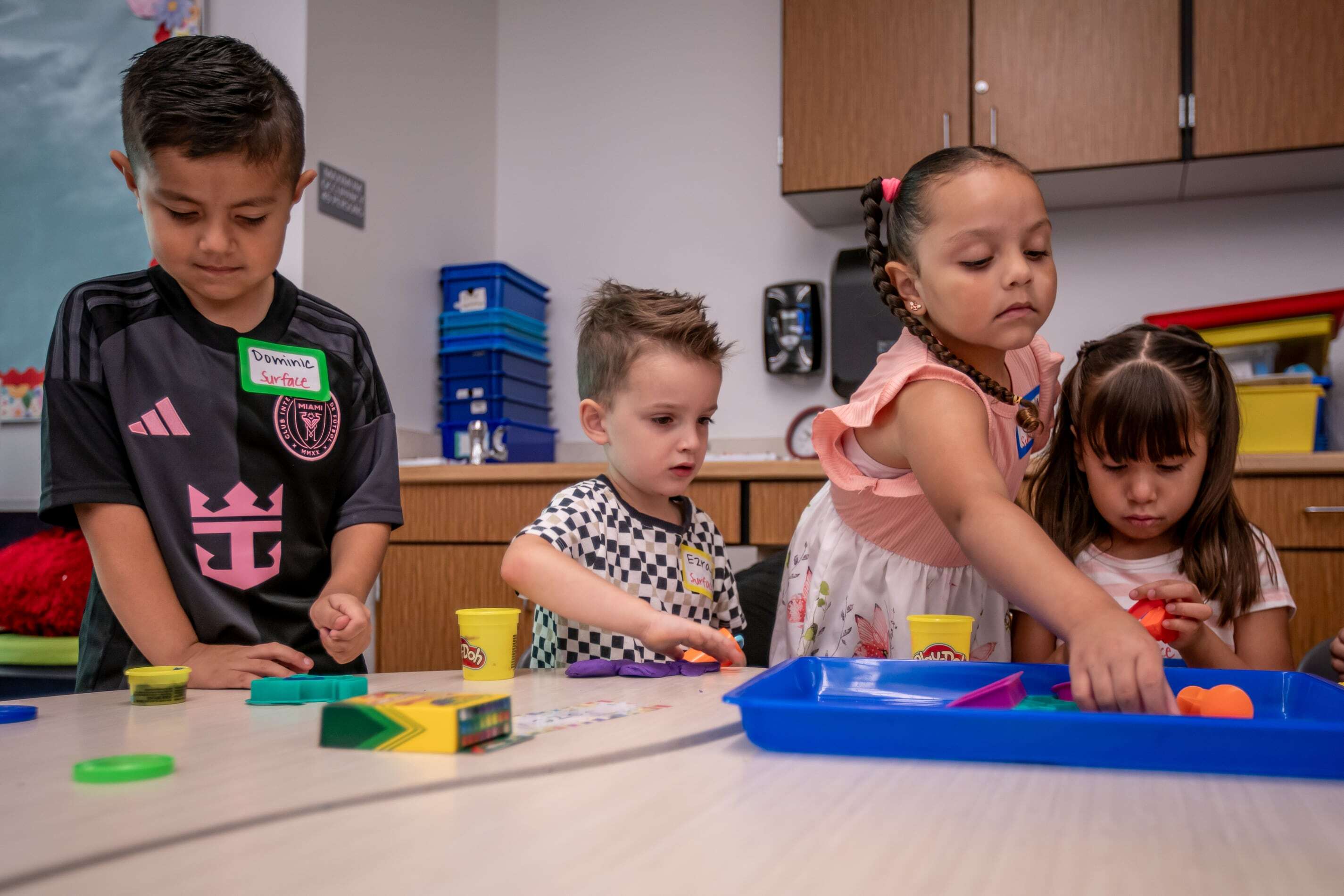
Saturday, July 26, 2025

Experts Disagree on Texas' Controversial Reading Materials in Bluebonnet Curriculum

Experts Disagree on Texas' Controversial Reading Materials in Bluebonnet Curriculum

Featured Image

Controversy Surrounds Texas' Bluebonnet Curriculum

The implementation of the Bluebonnet curriculum, a state-created educational program that includes Bible references, has sparked significant debate across Texas. As of the 2025-26 academic year, several school districts, including Conroe ISD, have decided to adopt this curriculum, despite growing concerns about its content and implications.

A recent research paper from the Baker Institute of Public Policy at Rice University highlights the potential impact of the Bluebonnet materials, suggesting that they may favor Christian perspectives over other religious traditions. The report, authored by David Brockman, a professor at Texas Christian University, argues that the curriculum could undermine the separation of church and state and reduce religious diversity in public education.

This is the third report on the topic from Brockman, who has expressed concerns that the curriculum promotes Christianity at the expense of other faiths. He claims that the materials may create an "insider/outsider dynamic" among students, which could be detrimental to the core mission of public education.

Districts Weighing the Decision

While some districts have opted out of using the Bluebonnet curriculum, others are reviewing it for potential adoption. For example, Fort Bend ISD is currently evaluating a pilot set of the materials to determine if they meet the district's instructional standards for possible implementation next year.

Most districts that chose not to use the curriculum cited pedagogical reasons, such as the fact that the materials are printed rather than digital. Some, like Cy-Fair ISD, had existing contracts for reading materials that were still valid, so they did not need to implement new resources immediately.

Conroe ISD, however, has approved the use of the Bluebonnet curriculum, planning to introduce it in classrooms starting in August. This decision comes with trade-offs, as some schools will need to reduce instructional time for fine arts to accommodate the curriculum’s 120 minutes of daily instruction.

In San Antonio, at least two districts—Harlandale ISD and South San ISD—have adopted the materials, adding to the growing list of districts implementing the curriculum.

Legal and Educational Implications

A recent Supreme Court ruling in Mahmoud v. Taylor could further complicate matters for districts that have implemented the Bluebonnet curriculum. The court ruled 6-3 that parents can opt their children out of lessons that conflict with their faith. This decision may lead some families to request exemptions from the religious elements of the curriculum, creating new challenges for educators.

Brockman’s report delves into the history of teaching the Bible in U.S. schools, noting that it was often presented in a devotional context before key Supreme Court rulings in the 1960s. Even after these rulings, he recalls instances where sectarian prayers were still practiced in schools, sometimes excluding certain religious groups.

He argues that the Bluebonnet curriculum promotes Christianity over other religions, sending a message that only Christianity is worthy of students’ attention. However, he acknowledges that the curriculum is not explicitly designed to convert students or promote devotional practices.

Perspectives from Educators

Marvin McNeese, a professor of education at the College of Biblical Studies in Houston and a former lecturer at Rice University, offers a different perspective. He served on the advisory board for the Bluebonnet materials and believes that the focus on Christianity makes sense in the context of U.S. history.

McNeese evaluated the curriculum for accuracy, rigor, and appropriateness and found it to be well-constructed. He emphasized that the curriculum aims to teach U.S. history to U.S. students, acknowledging that other countries would not emphasize Christianity in the same way.

He pointed to specific examples, such as a lesson on the founding of Texas that included Meso-American religions of the region’s indigenous communities. McNeese argued that these lessons help students understand the cultural and historical roots of their environment.

He also noted that the curriculum presents information about other religions, even if they are not covered as extensively as Christianity. For instance, a lesson on the Golden Rule includes references to Buddhism, Hinduism, Islam, Judaism, and Sikhism, even if these faiths were not the primary motivation for its application in American culture.

Balancing Faith and Education

McNeese acknowledged the concerns of parents from non-Christian backgrounds but maintained that it is normal for students in the U.S. to encounter Christian ideas as part of their education. He suggested that these experiences could serve as opportunities for parents to educate their children about their own faiths at home.

Regarding the age of students, he compared the approach to the concept of the tooth fairy, arguing that young children can learn to differentiate between facts and beliefs. He emphasized that academic integrity involves considering sources and making informed decisions about what to accept or reject.

Brockman agreed that religion should be taught in schools but raised concerns about how the Bluebonnet curriculum handles religious content. He questioned what would happen if a student asked a teacher about the historical accuracy of biblical events, highlighting the potential for controversy and the need for teachers to navigate complex religious discussions.

Despite these concerns, Brockman acknowledged that the curriculum includes a small portion of religious material within a broader framework of science-based reading instruction. He warned, however, that the curriculum could open the door to costly legal challenges that might challenge the Establishment Clause under the current Supreme Court.

As the debate over the Bluebonnet curriculum continues, the balance between religious education and secular values remains a critical issue for educators, parents, and policymakers across Texas.

Notification
This is just an example, you can fill it later with your own note.
Done