Articles of Education: school teachers
News Update
Loading...
Showing posts with label school teachers. Show all posts

Sunday, August 24, 2025

27 Must-Have Teacher Essentials Every Educator Loves

27 Must-Have Teacher Essentials Every Educator Loves

Featured Image

Must-Have Teacher Essentials for a Smarter, More Comfortable School Year

Teaching can be both rewarding and exhausting, but with the right tools, it becomes more manageable and enjoyable. Whether you're looking to streamline your classroom setup or simply want to add a touch of comfort and style to your daily routine, there are plenty of products that can make a difference. Here’s a list of 27 must-have items that every teacher should consider adding to their collection.

Tech and Presentation Tools

A wireless presentation clicker and pointer is a game-changer for educators. It allows you to navigate through PowerPoint slides without constantly getting up from your chair, making presentations smoother and more efficient. The included laser pointer can also help manage student attention, guiding them toward focused learning rather than distractions.

For those who love to stay organized, a spiral academic year planner is an excellent choice. It helps keep track of both academic and social events in a cute, functional way, ensuring you stay on top of your schedule all year long.

A Bluetooth speaker is another essential item. It can provide background music during independent study sessions, play upbeat tunes between classes, or offer a better listening experience for podcasts when grading papers late into the night.

Comfort and Style

Comfortable footwear is crucial for teachers who spend long hours on their feet. Canvas slip-on sneakers and low chunky-heeled pumps are great options that offer both style and support. High-waisted pants with an elastic paperbag-style waist combine comfort with a chic look, making them ideal for long teaching days.

A relaxed off-the-shoulder jumpsuit is perfect for maintaining a professional appearance while staying comfortable. With stretchy fabric and adjustable features, it ensures a perfect fit for any body type.

A lightweight cardigan is a must-have for unpredictable classroom temperatures. It can be easily thrown on during cold spells, keeping you warm without the hassle of extra layers.

Organizational Tools

A thermal laminator is a useful tool for creating durable materials for classroom use. Having one in your own space means you don’t have to rely on shared equipment, saving time and ensuring consistency.

Storage clipboards and rotating pen holders help keep your essentials organized. They prevent the chaos of juggling multiple items and make it easier to carry everything you need in one go.

Double-sided mounting tape is a versatile solution for hanging posters, certificates, and other decorations. Its strong adhesive and easy removal make it ideal for temporary displays without damaging surfaces.

Classroom Decor and Ambiance

Globe string lights can transform the atmosphere of your classroom, adding a warm glow that makes even the most challenging lessons feel more inviting. A beanbag chair offers a cozy alternative to traditional desks, providing a comfortable spot for reading or quiet work.

A face-out bookshelf is a practical and aesthetic addition to any classroom. It allows students to see all the books at a glance, encouraging a love for reading and creating a welcoming library vibe.

Practical Accessories

A customized teacher lanyard is a go-to accessory that keeps your ID, keys, and other essentials within reach. Choosing a stylish design adds a personal touch to your professional look.

A BrüMate Era stainless-steel tumbler with a locking straw is perfect for keeping drinks secure during busy school days. Its durable construction ensures it won’t spill, even if accidentally knocked over.

A Hulken rolling tote bag is designed to make carrying your belongings easier. With steel wheels and a built-in cover, it’s a reliable companion for transporting your supplies to and from school.

A compartmentalized crossbody tote bag is ideal for quick access to your essentials, making it perfect for a grab-and-go lifestyle.

Fun and Educational Items

A Tapple word game is a fun and engaging way to pass time during slow periods. It encourages creativity and vocabulary development, making it a valuable addition to your classroom game shelf.

Felt-tip markers add a splash of color to your workspace, making grading and note-taking more enjoyable. Their vibrant hues can also inspire students and bring energy to your lessons.

A mini fridge is a small luxury that provides a refreshing treat during free periods. It allows you to enjoy a cold drink without leaving the classroom, making your day a little more pleasant.

Additional Must-Haves

A pack of punch cards and a hole puncher can be used to motivate students and track progress. These versatile tools can help monitor behavior, homework completion, and other classroom activities throughout the school year.

Baggy overalls offer a comfortable and fashionable option for all seasons. With adjustable straps and multiple pocket options, they provide both style and functionality.

A desk pad keeps your papers, keyboard, and other essentials in place, preventing them from sliding around. Its waterproof surface also protects against accidental spills.

With these 27 items, teachers can create a more organized, comfortable, and enjoyable environment for both themselves and their students. From tech tools to fashion accessories, each item serves a unique purpose, making the teaching experience a little smoother and more rewarding.
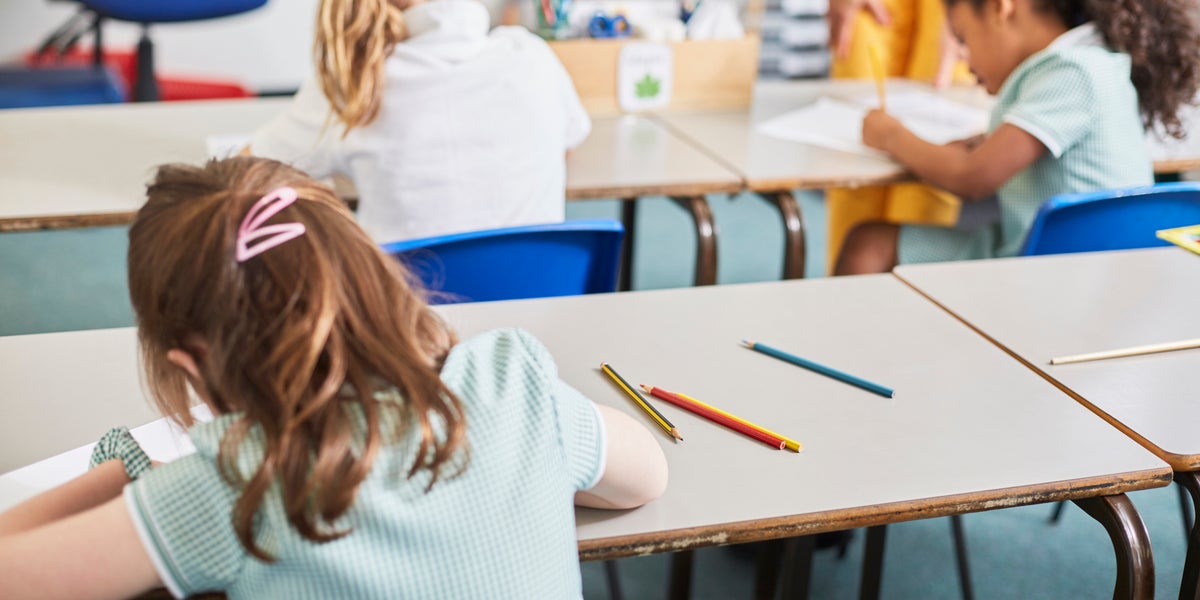

Dear Parents, Here's What Teachers Want You to Know Before Back to School

Dear Parents, Here's What Teachers Want You to Know Before Back to School

Featured Image

Preparing for the New School Year: Teacher Tips for Parents

As September approaches, it's time to gear up for the return to school. For many families, this means a mix of excitement and anxiety as children prepare to start a new academic year. Teachers across the country are reminding parents that their involvement can make a big difference in helping students transition smoothly into the school environment.

Early Years: Building Independence

For young children entering school for the first time, teachers emphasize the importance of developing independence. Sarah Holyoake, Head of Early Years at Stephen Perse Cambridge, highlights that teaching kids to complete basic tasks on their own—like dressing themselves, managing their coats, and using the toilet independently—can reduce feelings of overwhelm when they arrive at school.

Recognizing their name is another essential skill. Many daily routines, such as identifying their personal items or seat, rely on this ability. Additionally, practicing social skills like sharing and taking turns with friends can help children navigate classroom interactions more confidently.

All Ages: Establishing Routines and Communication

Steven Britton, a mathematics tutor, suggests that parents should begin establishing consistent routines before the school year starts. This includes setting a regular bedtime and wake-up time to help children adjust to the school schedule. If kids have been sleeping in during the summer, getting them used to waking up early will ease the transition.

Once school begins, clear communication with teachers is crucial. Parents should ensure all forms, permission slips, and payments are submitted on time. It’s also important to inform educators about any changes in contact information, custody arrangements, or learning and health needs. Sharing concerns about a child's anxieties or challenges at home allows teachers to provide tailored support.

Britton also encourages parents to foster independence by letting children carry their bags, pack homework, and manage their own timetables where appropriate. Creating a tidy homework space and supporting learning at home without doing the work for them can also be beneficial. Asking open-ended questions, such as “How did you figure that out?” instead of just checking answers, helps build critical thinking skills.

Celebrating Effort and Modeling Positivity

Teachers also recommend celebrating a child's effort rather than just focusing on results. This approach helps build resilience and a growth mindset. Modeling a positive attitude toward school is equally important. Children who hear adults complaining about teachers or school rules may struggle to respect the learning environment.

Secondary School: Navigating the Transition

The shift from primary to secondary school can be particularly challenging. Chris McNab, headteacher at Overton Grange School, advises parents to discuss secondary school in a positive light. Focusing on the opportunities it brings—such as new subjects, friendships, and greater independence—can help ease fears.

Practicing the journey to school together before the term starts can also be helpful. Parents should time the trip, discuss safety, and plan for unexpected situations. Familiarity with the route builds confidence, especially on the first day.

Getting organized ahead of time is key. Secondary school often involves more responsibilities, including timetables, homework, and subject-specific equipment. Helping children practice packing their bags and reviewing their schedules can reduce stress on the first day.

Encouraging responsibility through small tasks, like making lunch or setting an alarm, can boost confidence. It’s normal for children to feel anxious about navigating a larger school environment. McNab reassures parents that secondary schools are well-equipped to support new students, and staff are available to guide them.

Supporting Emotional Growth

Parents should remain available to listen and help their children talk through challenges, such as changing friendships or managing homework. However, it’s also important to encourage children to find their own solutions rather than fixing everything for them. Balancing support with independence is a vital part of building confidence.

Staying informed through school emails and newsletters is another way to stay involved. These resources keep parents updated on important information and events.

With the start of the school year bringing both challenges and opportunities, parents play a crucial role in helping their children adapt and thrive. By fostering independence, maintaining open communication, and modeling a positive attitude, families can set the stage for a successful academic year.

Sunday, August 17, 2025

Teachers' Big Classroom Spending May Bring Bigger Tax Breaks — With a Catch

Teachers' Big Classroom Spending May Bring Bigger Tax Breaks — With a Catch

Featured Image

Teacher’s Back-to-School Expenses Highlight Ongoing Challenges

As the new school year approaches, many educators are preparing not just for lessons and student engagement, but also for the financial burden of purchasing classroom supplies. For teacher Heather Fulmer, a special-education mathematics instructor in Arkansas, this means a significant investment in materials that will support her students’ learning. She has already spent between $600 and $700 of her own money on items such as pencils, binders, backpacks, paper, and snacks. This is only half of what she expects to spend before the school year ends.

Fulmer receives a $250 classroom allowance from her school district, located about 45 minutes east of Little Rock. However, creating a welcoming and comfortable learning environment requires more than just a small budget. The cost of maintaining a positive classroom atmosphere often exceeds what schools can provide, especially when it comes to ensuring that all students have the tools they need to succeed.

With the start of tax-filing season in January, teachers like Fulmer may find some relief through the recently passed federal tax and spending package. This law introduces broader deductions for out-of-pocket expenses related to school supplies. While this change is welcomed, experts argue that it may not fully address the growing costs associated with teaching, particularly as rising tariffs threaten to increase the price of essential classroom materials.

According to the U.S. Chamber of Commerce, tariff rates on back-to-school supplies have increased to an average of 18% in May and June, compared to 5% during the same period last year. These higher costs add to the financial pressure on educators who already spend significant amounts of their own money on classroom needs.

Currently, teachers can deduct up to $300 in unreimbursed expenses related to school supplies, while married couples filing jointly can deduct up to $600. This includes teaching and cleaning supplies, as well as certain professional development costs. The new tax law, known as the One Big Beautiful Bill Act, maintains this deduction but introduces additional changes.

One key update allows coaches and interscholastic sports administrators to include their unreimbursed equipment costs in the deduction. This could be beneficial for teachers who take on extra roles beyond the classroom. However, the definition of “interscholastic sports administrator” may need further clarification, according to Jodi Eckhout, a member of the American Institute of CPAs.

Eligible educators must work at least 900 hours per year in K-12 education to qualify for the deduction. The expanded definition of eligible professionals, including coaches and sports administrators, will apply starting in 2026. Teachers who meet these criteria can still claim the deduction alongside the standard deduction, making it an “above the line” benefit.

Many educators, like Fulmer, spend far more than the deductible limit on classroom supplies. Surveys suggest that out-of-pocket expenses range from $500 to $700 or more. While Fulmer believes the investment is worth it, she would prefer a higher deduction. Others, including Colin Sharkey of the Association of American Educators, have long advocated for a $1,000 educator-expense deduction to better reflect the reality of classroom costs.

The new tax law also offers another potential benefit: the ability to deduct expenses exceeding the $300 or $600 limit if teachers choose to itemize their deductions. However, this option is available to only a small percentage of taxpayers, as roughly 90% of households currently take the standard deduction. The law temporarily raises the state and local tax (SALT) deduction to $40,000, which may encourage some teachers to itemize if they live in high-tax states.

Beyond the SALT deduction, other factors can influence whether a teacher chooses to itemize, such as large medical bills or charitable contributions. For those who do, the new law could provide additional flexibility in managing their taxes.

In addition to these changes, teachers and aspiring educators may also qualify for other tax benefits. The lifetime-learning credit, worth up to $2,000, applies to undergraduate, graduate, and professional-degree courses. The American Opportunity Tax Credit, available for the first four years of higher education, offers up to $2,500 in benefits. Starting in 2026, these credits will require a Social Security number, limiting eligibility to citizens and authorized immigrants.

For educators like Fulmer, the combination of rising costs and limited tax relief continues to present challenges. Yet, with new opportunities emerging, there is hope that future policies will better support the financial needs of those dedicated to shaping the next generation of learners.

Tuesday, August 5, 2025

Unfair Teacher Dismissals in Schools

Unfair Teacher Dismissals in Schools

Featured Image

The Crisis in Public Education

Many school districts are plagued by unethical and unprofessional practices when it comes to firing employees. A quick look at the Facebook pages of most districts and a call to local teacher unions reveal two unsettling truths: these districts are desperate to recruit and retain teachers, yet they continue to lay off experienced professionals at an alarming rate, especially in the midst of a national teacher shortage. This pattern has led to inconsistency in teaching quality, weak relationships between teachers and students, overwhelmed and anxious educators, and, in some cases, poor pedagogy and limited content knowledge.

As a result, many districts are slipping into a state of mediocrity and complacency. The expectations placed on teachers are far greater than those for most other professions, particularly in terms of education, compensation, and emotional investment. While micromanagement and abuse exist in various fields, few jobs demand such extensive preparation outside of regular work hours and offer minimal downtime during the day. Although teachers have generous holiday and summer breaks, having evenings and weekends free from work duties is more beneficial for their families than extended time off. It's also worth noting that teachers often attend meetings and training during the summer.

This situation may explain why fewer people are choosing to become teachers, despite the profession’s rewarding nature.

A Shrinking Talent Pool

The number of students enrolling in teacher colleges across the country is decreasing, and some institutions have even dropped their certification programs due to a lack of interest. As a result, many districts are turning to emergency certifications and pulling staff from central offices to cover classes. Meanwhile, schools continue to fire experienced and developing teachers, often citing a lack of “fit.” In at-will states, this is a common excuse, but it raises serious concerns about the impact on both teachers and students.

Just recently, a news story highlighted how employees at typical American schools often look the other way when witnessing harassment or attacks, out of fear of reprisal. This level of toxicity can erode trust and community within the faculty and student body. Word of staff changes spreads quickly, and students often learn about firings before the affected individuals themselves. Many districts replace more than half of their faculty every few years, leaving only a few tenured teachers in each department.

Hostile Work Environments

Veteran teachers frequently face hostile work environments where their expertise is constantly questioned. This negative treatment can extinguish a teacher’s passion and lead to career derailment. Most teachers are eager to serve their communities and give back to the places where they first developed a love of learning. However, complacency and indifference often dominate the culture of public schools.

These issues are not isolated to one district or school. One contributing factor is that many administrators are unaware of how much more demanding teaching has become in recent years. Teaching requires not only subject matter expertise but also the ability to teach reading, writing, speaking, and listening skills to students who have lost valuable instructional time, especially during the pandemic. How does a high school English teacher teach Shakespeare to students with limited English proficiency or those reading at a fourth-grade level?

The Consequences of Teacher Turnover

While experience alone does not guarantee good teaching, the loss of qualified educators is significant. It often takes years to develop classroom management skills, motivate students, and master one’s content. Research suggests that many teacher-education programs are not fully effective in preparing educators for the evolving demands of the profession. Many teachers credit seasoned colleagues or mentors as their strongest source of preparation.

When teachers are fired before mastering their craft, both faculty and students suffer. Staff reductions are sometimes justified due to financial constraints or ineffective teaching. However, the problem lies in the fact that decisions are often based on political, philosophical, or social differences rather than professional development. Instead of mentoring new teachers, administrators often set unrealistic expectations, leading to frustration among parents and students.

Misdirected Anger and Silenced Voices

Administrators frequently misdirect anger toward struggling teachers instead of addressing systemic issues. Teachers are often told that their school has high expectations for students, yet there is often a lack of a functional curriculum and outdated instructional methods. For example, the gradual-release model is often touted as innovative, but it is not always the most effective approach for every lesson. Overemphasis on Lexile levels has been largely discredited as a means of helping students access meaningful texts.

Another issue is the silencing of new voices. Administrators often prevent progressive-minded teachers from sharing fresh ideas with their colleagues. This results in an overburdened staff that feels undervalued and professionally undermined. With low morale, teachers struggle to meet the growing demands of rising poverty, shrinking resources, and a changing workforce.

An Uncertain Future

Despite these challenges, some students still thrive, especially those with personal connections to administrators. However, this success is often due to external factors rather than the school environment itself. Inequity persists, and school boards cannot rely on the achievements of a small group of privileged students if they want to produce successful leaders and critical thinkers.

The impact of this bias will be devastating for the community and its workforce. Students need a learning environment that fosters confidence, stability, and consistency. Unfortunately, many schools are failing them on these counts.

A Call for Change

Schools must implement policies that recruit and retain quality educators who are dedicated to meeting the needs of all students through intentional and innovative practices. Every school has the potential to be high-performing, with caring teachers who are committed to progress and justice. The alternative is a hostile work environment that denigrates the teaching profession and stifles the passion of those who have invested so much in their students. It is time for change.

Sunday, July 27, 2025

Teachers Share Jaw-Dropping Job Insights No One Expected

Teachers Share Jaw-Dropping Job Insights No One Expected

Featured Image

The Hidden Realities of Teaching: Insights from Educators

Teaching is often viewed as a straightforward profession, but the reality is far more complex. Educators across the globe have shared their experiences, revealing the challenges and misconceptions that many people overlook. These insights provide a deeper understanding of what it truly means to be an educator in today's world.

Misconceptions About Teacher-Student Relationships

One common misconception is that students see teachers as equals. A teacher recounted witnessing two incidents where students believed they had the same rights as their educators. For instance, a student argued that since teachers can have cellphones on their desks, he should be allowed to use his during class. Another student refused to attend class after being reprimanded, not realizing that some rules are non-negotiable. These situations highlight the need for clearer boundaries and mutual respect between students and teachers.

The Extent of Educational Expertise

Educators often face the challenge of being seen as mere babysitters rather than professionals with extensive training and knowledge. Many teachers emphasize that their role requires them to be lifelong learners, constantly updating their skills to meet the needs of their students. However, this expertise is frequently undervalued, leading to a lack of support and resources. Some educators warn that continued underfunding of public schools could result in a generation of students who struggle with basic literacy and critical thinking skills.

The Reality of Work Hours and Responsibilities

The notion that teachers work a standard 9-to-3 schedule is another myth. Many educators work well beyond these hours, often spending additional time planning lessons, grading assignments, and communicating with parents. One teacher shared that she works from 8 a.m. to 5 p.m. at school and then spends around two hours each night on work-related tasks. Additionally, teachers rarely get paid for weekend work, which can lead to burnout and dissatisfaction.

Challenges in Special Education

Special education teachers face unique challenges, including understaffing and the need to provide individualized support. An anonymous teacher from Connecticut described the chaos of working with special-ed preschoolers when substitutes are unavailable. This situation underscores the importance of adequate staffing and support for educators in specialized fields.

The Impact of Parental Involvement

Parental involvement plays a crucial role in a child's education. However, many educators express frustration with the lack of engagement from some parents. One reading interventionist noted that some parents avoid seeking help for their children, fearing judgment or stigma. This reluctance can hinder a child's progress and create a cycle of academic struggle.

Ethical Dilemmas in Grading

Some educators face ethical dilemmas when deciding how to grade students. One teacher from Arizona shared that it can be easier to pass struggling students rather than deal with the administrative burden of proper grading. This practice raises concerns about the integrity of educational outcomes and the pressures faced by educators.

Technology and Its Effects on Learning

The rise of technology has significantly impacted learning environments. Teachers report that students spend excessive amounts of time on their devices, leading to decreased reading and critical thinking skills. One educator noted that many students spend over 50 hours per week on their phones, which contributes to a culture of instant gratification and reduced academic engagement.

The Importance of Administrative Support

Administrative support is vital for educators to manage classroom dynamics effectively. A teacher recently quit mid-class due to overwhelming behavioral issues, highlighting the need for stronger support systems. When administrators stand behind their staff, it can make a significant difference in the teaching environment.

The Role of Parental Responsibility

Parental apathy is a growing concern in education. Many educators believe that funding alone cannot address the root causes of poor academic performance. Lazy parenting can lead to lazy students, creating a cycle that is difficult to break. Educators urge parents to take an active role in their children's education, fostering a culture of responsibility and effort.

Conclusion

The realities of teaching extend far beyond the classroom. From the challenges of managing student behavior to the pressures of administrative expectations, educators navigate a complex landscape. Their insights reveal the need for greater recognition, support, and collaboration between educators, parents, and policymakers to ensure a successful future for all students.

Saturday, June 28, 2025

Teachers Reveal Shocking Differences in Modern Kid Teaching vs. "The Good Old Days" — What's Changed?

Teachers Reveal Shocking Differences in Modern Kid Teaching vs. "The Good Old Days" — What's Changed?

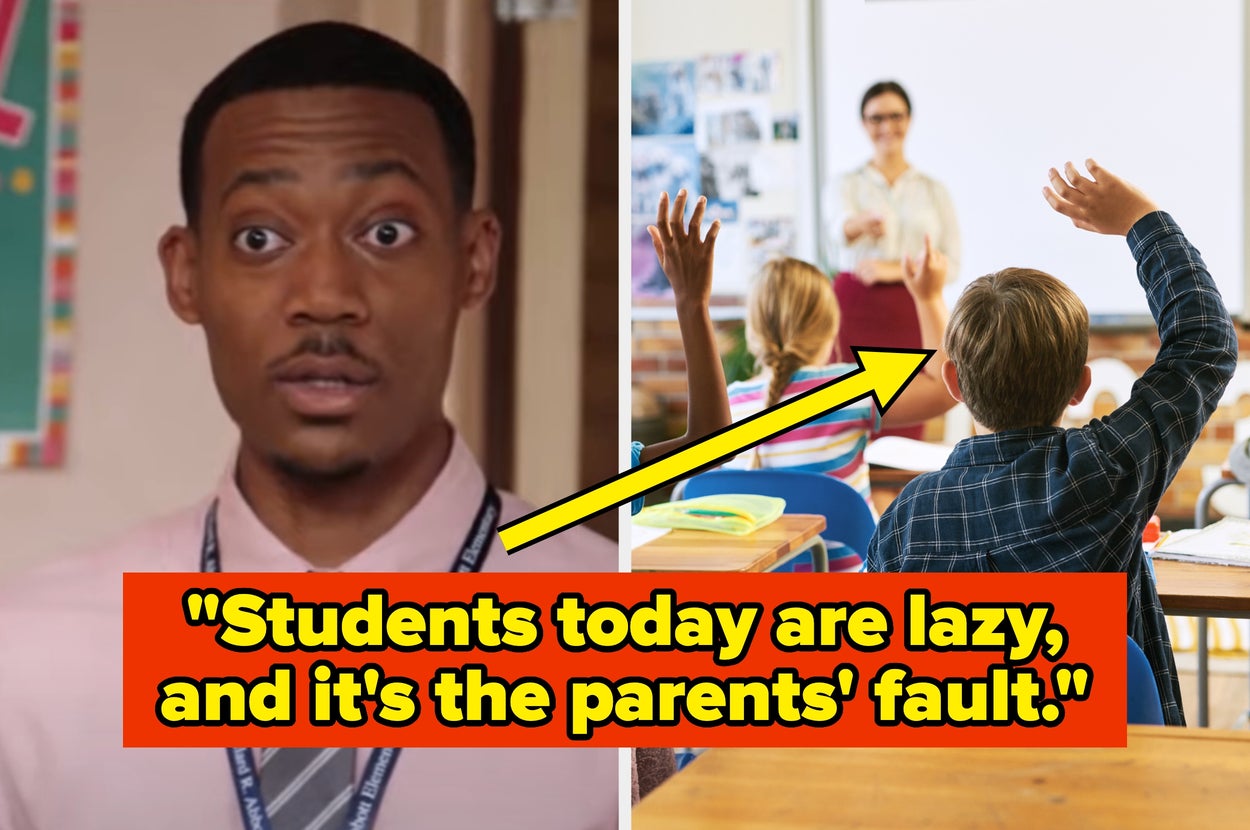
Teachers who've been in the field for a longtime have had the chance to usher in generations of students through education — whether it's Gen X, millennials, Gen Z, or Gen A. And, along with the rest of the world, education, classroom culture, and curricular has changed over time. Recently, long-time teachers of the Community shared the differences they've noticed between teaching kids now versus "back in the day," and some of the responses are...a bit wild and concerning:

1. "I've been teaching for over 25 years, and I've noticed a HUGE change in parental support and student behaviors. And once upper administration began treating families as clients, there has been an increased focus on test scores, too. At this point, families are our customers. Education is no longer a privilege provided to children and families, but a business where the students and parents hold all the cards. We, as teachers, are left with no authority or support, higher demands, and children who know that all it takes is a call to Mom or Dad to get the teacher in trouble. Why would anyone want to work in this kind of environment?"

2. "Trying to get my kids to not use ChatGPT has been the bane of my existence. It has become SO hard to get my students engaged and thinking critically when they know that the second they get home, they can have a robot come up with thoughts for them, or solve the equation for them. AI can be a helpful tool in some circumstances, but relying on it instead of our brains will be the downfall of education, I suspect. Back then, some kids plagiarized, sure, but AI has presented a whole new problem that many teachers, like myself, aren't sure how to navigate."

—Molly, California

3. "I taught in gifted classes for 29 years. The novels I taught to middle school kids in the early '80s, my seniors couldn't read in 2012. It's so sad."

— wickedship86

4. "I've been a teacher for 25 years. Nowadays, parents take everything their kid says as gospel. I have 150 children coming through my door each day. I do not have the time to make things up about your child's behavior, especially when I only get a 25-minute plan three days a week."

5. "There are certainly differences between students from the beginning of my teacher career and those I'm teaching now. However, among the most significant changes are the learning demands, the pace of instruction, and the pressure to perform. Often, expectations aren't even developmentally appropriate for kids at their respective ages. My district begins administering standardized academic assessments in early childhood programs (literally 3- and 4-year-olds being tested and evaluated for reading and math skills). It's no wonder there's such a dramatic increase in childhood anxiety — they don't even have a chance to be kids, and it's really sad."

— crispyaardvark892

6. "I'm truly terrified by the literacy of our children. My 13-year-olds are reading at an average level of fourth grade. Not to mention that the vast majority of them have never finished a book. Our education system spoon-feeds students information to coddle their inability to focus on a text for long periods. We are just not setting them up for success, and it breaks my heart. Thankfully, we are finally starting to bring back accelerated reading, and each student now has to have two books with them. I'm praying this keeps going, because I just can't see these kids making it through college."

— morgandemkey

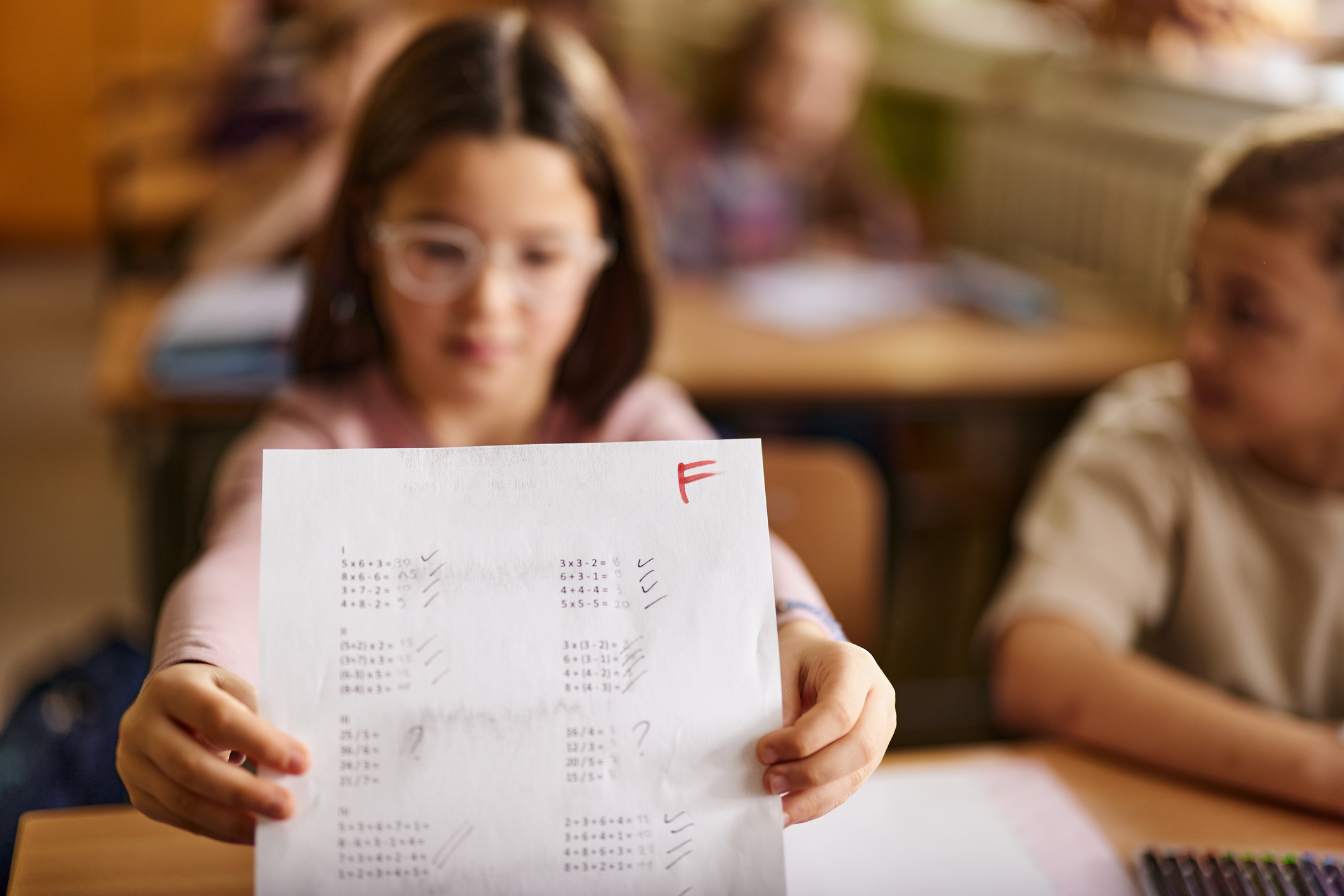
7. "Many students have Fs and read four grades below their grade level. It's a nightmare."

8. "I am back in schools as a sub after 10 years of retirement. Kids haven't changed; they still act as idiotic as we did. Though attention spans are noticeably shorter, by high school, these young people have an awareness about themselves that we never had to worry about as teens. 'Stranger danger,' monthly active shooter drills, social media, and TV and media rarely ever being G-rated have had an effect on this age group. On the plus side, I see the littles being more accepting of each other. They don't see skin color, language barriers are overcome, and they think nothing of their more unique friends."

—Vi, 65

9. "Showing a movie back in the day was considered a reward. Today, kids can't sit through a movie and view it as some form of torture."

10. "This is my 35th year teaching high school. Current students are more 'world-minded' and see the interconnection between themselves, their world, and the larger world. This is largely due to the internet, social media, and even gaming. I'm impressed by many of the students I teach. While it could be argued that more students have bigger behavioral problems in schools, I'm not convinced that young people overall have changed. Perhaps we see more behavior problems in schools because schools work SO much harder to retain students. Schools with low graduation rates face penalities now. Many students who, back in the day, would have been thrown out or counseled out of school are now kept in it. This has positive and negative impacts."

"Should schools work to support students and motivate them to stay in school? Yes. Some students who have rough starts are able to make changes that allow them to graduate and become productive citizens. Should schools work to keep students who repeatedly show that they have absolutely no interest in being in school or who are dangerous or violent to others? No. With the exception of extreme violence, it's hard to know what that tipping point is with some students. Sometimes, schools get it right, and the students and society benefit. Unfortunately, sometimes we get it wrong."

—Teri, 57, Wyoming

11. "I'm a 36-year teacher who started in 1988. Pre-smart phones and laptops, students weren't constantly fact-checking me. Now, before I even finish a sentence, kids will say, 'He's right,' or 'That's cap.' It's VERY annoying."

12. "I've been teaching for almost 30 years. I love teaching and work hard to show my students that I care about them while holding my expectations high. I don't notice many major behavioral issues in my students; they generally seem to like me. But if they don't, I don't lose sleep over it because my goal isn't to be their friend but to help them learn. I just keep showing them that even if I don't matter to them, they matter to me and the school community. However, my biggest pet peeve these days is the effects of instant gratification on the learning process. There's been a huge shift in the last 10 years from 'I can figure this out' to 'Just give me the answer.' Students want to be fed their education in an entertaining way and for it to just magically stick without having to put in any muscle."

"Case in point, the other day, they came up with questions to research about marine mammals. Then, they had to go to online encyclopedias and find the answers to their questions. Even my smartest students would glance at the screen for a minute when it came up, and if they didn’t IMMEDIATELY see the answer, they quit. They wouldn’t even SCROLL DOWN. They’d just say, 'It’s too hard. It doesn’t have what I’m looking for.' Um, yeah, it does, but you have to actually LOOK. It’s super frustrating."

— iteach

13. "Even students in middle school cannot read at the level they're supposed to."

14. "When I started teaching in the late '70s, the naughtiest things kids did was maybe chew gum in school or pass notes. Now, the kids are throwing furniture across the room, hitting other students in the head with chairs, or destroying bulletin boards in the hall. Mind you, I teach at an elementary school! Back then, when I taught the kids how to play a game, they played by the rules and had fun. Now, most kids try to find a way to cheat, then throw tantrums about losing. Back in the '70s and '80s, we spent most of our days teaching. Now, we spend most of our days dealing with behaviors and emotions."

—Candy, 67, New York

15. "Kids are a lot more bold nowadays, and I say that in a positive light. They are a lot more confident in how they present themselves and their ideas, and they are keen on socializing with others and not being afraid to stick up for themselves, which are respectable traits that I didn't see much of in the past. The only thing that I'm really concerned about is AI. AI is ruining a lot in the classroom."

16. "The way kids talk to adults nowadays is atrocious. I've had students yell directly in my face, tell me no over simple tasks, and treat the adults like they're their own personal butlers. Maybe it's an independent school thing, but the entitlement is nauseating."

—Lulu, 42, Connecticut

17. "I've been teaching since 2005 in grades K–2. The thing that scares me the most about this current generation of students is that they aren't curious. My kids used to pepper me with questions about all kinds of things. They would get really excited when we switched to learning a new topic or when they learned a new word. Now, kids just give me blank stares. Half the time, when I ask them to repeat something I said, they can't. You teach them a phonics concept or a problem-solving strategy and ask them to apply it, and they look at you like you're from another universe. It got so bad with my current class of second graders that around the first week of October, I sat them all down and asked them what I could do to make learning fun and exciting. You know what they said? They said they wanted to be on their tablets. And it's not really surprising."

18. "Kids used to have respect for authority and manners — and they were the norm, not just the exception. You rarely had to raise your voice. Just a look was enough to get the point across. Now, you can’t even get their attention. Parents used to believe the teacher over the child, and the children (no matter the grade) were expected to toe the line. Now, parents ignore teachers and defend their children no matter how offensive their behavior. And yet, we are expected to teach more than we used to and get higher scores with less help and participation from students and parents than ever before. Teaching was different in the '80, that's for sure."

—Wendy, Alaska

19. "Kids today think they know it all and do not value the learning process. Why should they? The internet is at their fingertips. There’s little value in creating opinions by researching facts to grow and change one’s mind. As soon as kids see what they want to see, they run with it. It seems everyone is an 'expert' now. Prior to the rise of phones in schools, kids were better held accountable to each other and their actions in face-to-face interactions. Life demands weren’t pulling family time apart, so parents were more engaged and willing to discuss school issues. Now, parents want to challenge everything but do nothing to help their children understand accountability for their learning and behaviors."

20. "When I was teaching before the pandemic, kids would at least try if they didn't understand something or weren't confident. They'd at least put something down if there were a question on an assignment they weren't sure about. Sometimes it was a silly answer, but it was better than nothing! Now, my kids will just be like a deer in the headlights. If there's a question they don't understand, they don't even skip it and come back to it. They just give up. There are whole assignments they turn in blank! They're so afraid to be wrong that they don't even take chances."

—Taylor, 27, Virginia

21. "Eloping from classrooms. I've been teaching for 30 years, and in the past few years, students feel they can just leave the room whenever they want. I could understand if it was a bathroom emergency, but they would leave because they didn't want to do the work, they couldn't use their phones, etc. Many of them will say curse words as they head out the door, too. I would still be grounded today if I had done that when I was in school."

22. Lastly: "The burden of responsibility. This has shifted away from students and families and more toward teachers as more districts adopt policies that 'hold the child harmless.' This has created a culture where students are no longer held accountable for themselves, their behavior, learning, work output, and more! While teachers still hold some responsibility for these, the families and students seemingly have zero, and THAT'S the problem — that partnership has eroded. If a student misbehaves or does not know how to socialize positively, the parents expect us to teach life and social skills FOR them (as I've had parents tell me). They seem to be more concerned about being liked or being their child's friend. But kids no longer have consequences for poor grades or behavior, and while I think second chances are excellent, not everything in life gets a redo."

"While I do my very best and give 100% every day (and I’m admittedly pretty good) with teaching 8th-grade history, social-emotional skills, life skills, and providing gentle Ted Lasso-like guidance to these kids, it’s getting harder and harder because I don’t have the same energy that I used to have when I first started teaching."

—Chris

If you're a longtime teacher, what are some differences you've noticed teaching kids now versus back then? Let us know in the comments, or you can anonymously submit your story using the form below!

Note: Some stories have been edited for length and/or clarity.

Notification
This is just an example, you can fill it later with your own note.
Done