Articles of Education: news
News Update
Loading...
Showing posts with label news. Show all posts

Wednesday, November 5, 2025

DSS Updates on Owo Church Attack Prosecutions and Terror Suspects

DSS Updates on Owo Church Attack Prosecutions and Terror Suspects

DSS Updates on Owo Church Attack Prosecutions and Terror Suspects

Nigeria’s Security Agencies Continue Prosecution of Terrorism Suspects

The Department of State Services (DSS) has confirmed that several high-profile terrorism suspects are currently facing trial across the country as part of efforts to strengthen national security and ensure accountability. These trials reflect the commitment of security agencies to bringing perpetrators of terrorism to justice in line with the rule of law.

In a recent statement, the secret police disclosed that five men are being tried for their alleged involvement in the June 2022 attack on St. Francis Catholic Church in Owo, Ondo State, where over 40 worshippers lost their lives. The agency also revealed that suspects linked to the June 2025 Yelwata massacre in Benue State, which claimed dozens of lives, are currently undergoing trial.

According to the DSS Director-General, Tosin Ajayi, the ongoing prosecutions reflect the commitment of security agencies to bringing perpetrators of terrorism to justice in line with the rule of law.

Trial of Terror Suspects in Abuja

The Federal High Court in Abuja will continue the trial of two wanted terror suspects: Mahmud Muhammad Usman and Abubakar Abba who were arrested during a high-risk operation in July. The duo, believed to be leaders of the ANSARU terrorist group, face a 32-count charge, including terrorism financing and illegal mining. Usman has already been sentenced to 15 years for one of the offences, while Abba pleaded not guilty.

The agency also confirmed that the prosecution of Khalid Al-Barnawi, alleged mastermind of the 2011 United Nations building bombing in Abuja, is ongoing alongside four others. Al-Barnawi and his co-defendants are facing charges before Justice Emeka Nwite of the Federal High Court in Abuja.

Details of the Trial

The DSS provided details of the trial, stating that Usman (aka Abu Bara’a) and Abba (aka Isah Adam and Mahmud Al-Nigeri) were captured in a high-risk, intelligence-led, counter-terrorism operation in July by the DSS after several months of chasing them. The two are believed to be leaders of the Jama’atu Ansarul Muslimina fi-Biladis Sudan, commonly known as ANSARU, Nigeria’s Al-Qaeda affiliate.

Usman, the self-styled Emir of ANSARU, allegedly coordinated various terrorist sleeper cells across Nigeria. He is also believed to have masterminded several high-profile kidnappings and robberies, the proceeds of which were used to finance terrorism over the years. Abba, Usman’s chief of staff and deputy, is alleged to have led the so-called “Mahmudawa” cell, which operated around the Kainji National Park, located on the border between the states of Niger and Kwara, as well as the Republic of Benin.

The Office of the National Security Adviser (ONSA), in a statement issued on August 16, claimed Mamuda received training in Libya between 2013 and 2015 under foreign jihadist instructors from Egypt, Tunisia, and Algeria. He is said to have specialised in weapons handling and IED fabrication.

Usman and Abba are being tried on a 32-count terrorism charge, and on which they were arraigned in late August. One of the counts related to illegal mining, to which Usman pleaded guilty and has since been sentenced to 15 years. Abba pleaded not guilty to all the 32 counts.

Continued Trials of Other Terrorists

The DSS is also prosecuting another terror suspect, Khalid Al-Barnawi, accused of being the mastermind of the August 26, 2011, bombing of the United Nations Complex in Abuja, in which 20 people were killed and more than 70 others injured. Captured in 2016, Al Barnawi is facing trial along with four other terror suspects – Mohammed Bashir Saleh, Umar Mohammed Bello aka Datti, Mohammed Salisu, and Yakubu Nuhu aka Bello Maishayi.

The trial has been delayed for an extended period due to legal and procedural issues, including the suspects being occasionally brought to court without any counsel appearing for them. The DSS recently requested the court to grant accelerated hearing in the case, a request Justice Nwite granted.

On October 23 and 24, a trial-within-trial was conducted, during which videos of the defendants’ confessional statements were played in the courtroom.

Additional Charges and Arrests

On August 11, the DSS arraigned five men before a Federal High Court in Abuja over their alleged involvement in the June 5, 2022 attack at St. Francs Catholic Church, Owo, Ondo State. The five are: Idris Abdulmalik Omeiza, Al Qasim Idris, Jamiu Abdulmalik, Abdulhaleem Idris and Momoh Otuho Abubakar. Over 40 people died in the attack, while over 100 individuals sustained injuries.

The five defendants were arraigned on a nine-count terrorism charge, marked: FHC/ABJ/CR/301/2025, in which they are accused among others, of being members of Al Shabab terrorist group, with cell in Kogi State. The defendants are also alleged to have carried out the attack in furtherance of their religious ideology.

They pleaded not guilty when the charge was read to them, following which Justice Nwite ordered that they be remanded in the custody of the prosecuting agency. In a ruling on September 10 the judge rejected their request for bail on the grounds that they were not only charged with offences that capital in nature, they are also accused of being members of a notorious terrorist organisation.

Ongoing Trials of Yelwata Massacre Suspects

Also undergoing trial are the suspects arrested in connection with the Yelwata massacre in Guma Local Government Area of Benue State on June 13 2025. The attack, in which dozens of people were killed and 107 injured, drew worldwide condemnation. President Bola Tinubu paid a condolence visit to the state and demanded the arrest of the killers and attackers.

On June 24 2025, the Inspector-General of Police (IGP), Kayode Egbetokun, announced the arrest of 26 suspects in connection with the massacre. In August 2025, the DSS filed terrorism-related charges before the Federal High Court in Abuja, against nine suspects. Two suspects, Haruna Adamu and Muhammad Abdullahi of Awe local government area of Nassarawa state, who are still at large, were charged with four counts of terrorism, among which is the concealment of information about the attacks, before they were staged in Abinsi and Yelwata villages between June 13th and 14th.

In total, the DSS filed six separate charges against the arrested suspects, who are now undergoing trial. They are Adamu and Abdullahi are Musa Beniyon, Bako Malowa, Ibrahim Tunga, Asara Ahnadu, Legu Musa, Adamu Yale, Boddi Ayuba, and Pyeure Damina. The DSS also charged two other suspects, Terkende Ashuwa and Amos Alede of Guma local government area of Benue State, with three counts for allegedly carrying out reprisal attack against the terror suspects involved in the Abinsi and Yelwata attacks.

Their trial, which is ongoing, before Justice Nwite’s court began with their arraignment in early September, with the defendants pleading not guilty.

Commitment to Justice

Director General of the DSS, Tosin Ajayi, said:

” The various arrests and trials of terrorism suspects showed that Nigeria’s security agencies have been diligent in dealing with the perpetrators of terror in the country. The men we are prosecuting are separate from the hundreds of suspects under the military’s protective custody, whose cases are being handled by the Office of the Attorney General of the Federation. In July last year, 125 of the terrorists were convicted.

“We shall continue to make the suspects accountable for disrupting the peace of our country, in consonance with the rule of law.”

President Tinubu and the Weight of Moral Duty

President Tinubu and the Weight of Moral Duty

President Tinubu and the Weight of Moral Duty

The Legacy of Leadership and the Struggle for Justice

October 20, a day marked by protests and unrest, has come and gone. Nnamdi Kanu remains in detention, and justice is still pending. However, history has already recorded that a man named Omoyele Sowore took on the role of a catalyst, challenging the status quo. He pushed for Nnamdi Kanu’s release for medical treatment, ensuring he receives a fair trial in accordance with the law. His bold words stirred the capital city into chaos, forcing the police to act aggressively with tear gas and batons. Is Sowore a human being, a spirit, or a curse upon corrupt leaders? Or is he a prophet sent to restore the state and its operatives from moral decay?

William Gumedes, in his introductory remarks on Mandela’s “No Easy Walk to Freedom,” provided an insightful analysis of leadership and its evolution. He highlighted how those who once stood for justice can become its adversaries. Gumedes emphasized that leadership is not merely about holding power but about the quality of one’s actions, behavior, and vision.

In his words:
“The failure of most African liberation movements-turned-governments lies in the moral corruption of their leaders and parties, even if they have a just cause and impeccable struggle credentials. Suddenly finding themselves in positions of power, many leaders have succumbed to the temptations of wealth and authority, leading to a loss of moral compass. Mandela was an exception, maintaining his integrity despite the trappings of power.”

Gumedes also discussed democratic morality, which transcends cultural and religious boundaries. It involves ethical behavior, a sense of duty, and governance that serves the broader population rather than personal interests.

President Tinubu: A Leader in Transition

President Bola Tinubu, the 16th president of Nigeria, is often seen as a champion of democracy. His early life in southwestern Nigeria and education in the United States laid the foundation for his political career. He returned to Nigeria in the 1980s, working as an accountant before entering politics. His involvement in the pro-democracy National Democratic Coalition (NADECO) marked a significant turning point in his journey.

Tinubu played a crucial role in advocating for the recognition of Bashorun Moshood Kashimawo Abiola as the legitimate winner of the June 12, 1993 election, which was annulled by the military government of Ibrahim Babangida. On the Senate floor, Tinubu condemned the annulment, calling it a coup d’état and urging Nigerians to reject injustice.

After General Sani Abacha seized power in 1993, Tinubu faced arrest, detention, and threats to his life. He went into exile, continuing his activism abroad as part of NADECO. Upon returning in 1998 after Abacha’s death, Tinubu became a key figure in Nigeria’s Fourth Republic.

The Shift in Ideals

Tinubu once stood for everything his current government opposes: protests, injustice, and the suppression of activists. What changed? Is it the corrupting influence of power or the shifting tides of time?

If Tinubu recognized years ago that the annulment of a credible election could spark unrest, why can’t he see that hunger, ethnic profiling, and resource inequality can lead to similar outcomes today? As the Commander-in-Chief of the Armed Forces, is it fair that peaceful protesters are met with live bullets and tear gas?

It is instructive to note that Tinubu may now be facing the same challenges he once opposed. The part of him that once stood for justice is now affected by a "deadly disease" called "power and moral corruption," as described by Gumedes. This shift raises questions about the true nature of leadership and the responsibilities of those in power.

The Role of the People

Nigerians, too, seem to have fallen into this moral corruption. They have begun to support their oppressors, abandoning the fighters who once stood for justice. Despite Sowore’s efforts to liberate Nigeria, many focus more on his escape from tear gas than on his message. What does it take to be an activist? Is it the ability to endure live bullets and tear gas?

President Tinubu can reclaim his role as a leader of change. He has the potential to re-embrace the ideals he once championed, standing up against injustice and protecting the rights of all citizens.

Akingbondere, an author and law graduate, writes from Akure, Ondo State.

Wike's Move as Oyo Court Lifts PDP Convention Ban

Wike's Move as Oyo Court Lifts PDP Convention Ban

Wike's Move as Oyo Court Lifts PDP Convention Ban

Legal Rulings and Political Tensions in the PDP

The People’s Democratic Party (PDP) is currently embroiled in a complex legal and political battle, with conflicting court rulings and internal power struggles threatening to destabilize the party. The situation has escalated following recent judicial decisions that have created confusion over the legality of the party’s upcoming national convention.

On Tuesday, an Oyo State High Court granted an ex parte motion filed by Folahan Adelabi, which sought to prevent the PDP from holding its proposed national convention in Ibadan on November 15 and 16, 2025. The judge, Justice Ladiran Akintola, adjourned the case for further hearing on November 10, 2025. This ruling contradicts a previous judgment from the Federal High Court in Abuja, delivered on Friday, which had restrained the PDP from proceeding with the convention until it complies with its constitution, the Nigerian Constitution, and the Electoral Act.

In the Abuja case, Justice James Omotosho issued a ruling in suit number FHC/ABJ/CS/2120/2025, directing the PDP to follow due process before holding the event. The judge also ordered the Independent National Electoral Commission (INEC) not to accept or recognize any results from a convention conducted without proper adherence to the law. The suit was filed by three aggrieved members of the party: Austin Nwachukwu (Imo PDP chairman), Amah Abraham Nnanna (Abia PDP chairman), and Turnah Alabh George (PDP Secretary, South-South).

The Oyo court ruling, however, appears to support the PDP’s plans to proceed with the convention. Justice Akintola granted all interim orders sought by the claimant, including a directive that the defendants—comprising the PDP leadership, INEC, and others—must not interfere with the event. The judge also ordered INEC to monitor the convention as per the Electoral Act.

Despite these developments, the Minister of the Federal Capital Territory, Nyesom Wike, has dismissed the Oyo ruling, arguing that the Abuja judgment should take precedence. Through his Senior Special Assistant, Lere Olayinka, Wike questioned the validity of the ex parte order, suggesting it is temporary and not binding. He raised concerns about the hierarchy of court rulings, stating that the Abuja judgment explicitly barred INEC from participating in the event, while the Oyo court’s decision appeared to contradict this.

Internal Struggles Within the PDP

The legal challenges are compounded by internal power struggles within the PDP. Umar Damagum, the factional National Chairman, has taken decisive action against former members of the National Working Committee (NWC). On Tuesday, he wrote to INEC Chairman Prof. Joash Amupitan, notifying him of the suspension of several officers, including Senator Samuel Anyanwu, the National Secretary.

Damagum’s letter, dated November 1, 2025, outlined the suspension of four officials based on alleged anti-party activities. The move follows the assumption of acting national chairman by PDP Deputy National Chairman Mohammed Abdulrahman, who was backed by Wike and supported by Anyanwu and loyalists. Damagum vowed to reposition the party by “returning power back to the people.”

However, the suspension has drawn criticism. Timothy Osadolor, the Deputy National Youth Leader of the PDP, blamed the party’s governors for the ongoing crisis. He highlighted Governor Ahmadu Fintiri of Adamawa as the only exception, praising his consistent leadership. Osadolor criticized the lack of proper procedures followed in suspending Anyanwu, calling the move “null, void, and illegal.” He urged the governors to step down from their positions and engage in negotiations to resolve the turmoil.

Osadolor also defended Damagum, describing him as a capable leader who could bring stability to the party if given full authority. However, he accused the governors of “hijacking” the party’s leadership, leading to the current state of chaos.

The Road Ahead

As the PDP faces mounting legal and internal challenges, the outcome of the upcoming national convention remains uncertain. The conflicting court rulings and power struggles between factions threaten to further divide the party at a critical time. With the judiciary playing a pivotal role in determining the legality of the event, the PDP must navigate these complexities carefully to avoid further instability.


UK Lawyer Fired After Spending Legal Funds on Jets and Parties

UK Lawyer Fired After Spending Legal Funds on Jets and Parties

The Rise and Fall of a Legal Titan

Thomas Goodhead, a prominent figure in the legal world, has found himself at the center of a scandal that has shaken his own law firm. As the co-founder of Pogust Goodhead, a high-profile law firm, Goodhead has been accused of misusing funds meant for legal battles on extravagant expenses, including private jets and lavish yacht parties.

The allegations have led to a dramatic shift within the firm, with Goodhead being forced out of his position. The accusations came to light through an internal investigation conducted by DLA Piper, which revealed that money intended for litigation was allegedly spent on luxury travel and entertainment. This has raised serious concerns about the firm's financial management and its ability to continue representing its clients effectively.

A Lavish Lifestyle Amidst a Tragedy

The controversy centers around the 2015 Mariana dam collapse in Brazil, one of the country's worst environmental disasters. The incident resulted in the deaths of 19 people and left thousands displaced. Goodhead, who was overseeing litigation against mining giants BHP and Vale, was reportedly enjoying the comforts of a five-star hotel while the affected communities struggled.

According to the DLA Piper report, Goodhead's trips were marked by 'unnecessary lavish travel and entertainment' and 'excessive, uncontrolled spending.' The report highlighted that funds meant for litigation were allegedly used for personal expenses, including private flights, yacht parties, and other luxury perks.

Between September 2023 and February this year, Goodhead is said to have ordered over a dozen private jet and helicopter trips across Brazil, costing approximately £82,000. Some of these trips were to remote locations, while others were well-served by commercial airlines. Invoices cited in the report show a £5,600 private plane journey from Vitoria to Rio de Janeiro, and another from Sao Paulo to Rio costing £5,900.

The report also details two yacht parties in Rio in August and December 2023, with one featuring a 'premium package churrasco (Brazilian BBQ) and open bar,' according to the newspaper. Another gathering in September cost £3,900. A former employee noted that the 'optics issue' was a concern, as the firm was supposed to be client-first rather than focused on lavish celebrations.

Financial Mismanagement and Corporate Culture

The firm's financial practices have come under scrutiny, with reports indicating that over £5 million was spent on travel in 2023 alone, a year in which the firm suffered a £91 million loss. Additionally, the firm reportedly invested over £100,000 in producing a documentary about its work in Brazil.

Goodhead's alleged extravagance extended to personal expenses, with more than £500,000 of personal expenses processed through the firm's director's loan account. These included a driver's awareness course, accommodation during home renovations, and business-class tickets to Sydney for Goodhead's parents.

The firm's debts exceeded £500 million, and auditors warned of 'material uncertainty' regarding its ability to continue. Investigators claimed that the firm's credit agreements with funders were breached. However, Goodhead's lawyer insists that all spending was legitimate, settled through the director's loan account, and fully known to funders.

A Cultural Reset and Leadership Change

In early August, lawyers at the firm reportedly found themselves added to a WhatsApp group titled 'hostile takeover.' Within days, Goodhead was suspended and replaced as CEO by chief operating officer Alicia Alinia, who pledged a 'cultural reset' with a 'robust governance structure.' By September 12, Goodhead was officially out of the firm, calling the move a 'boardroom coup.'

Several senior figures have since left the firm, including chief legal officer Chris Neill, who claims he was unfairly dismissed. Another partner, Ibar McCarthy, also left amid misconduct allegations, though he denies wrongdoing.

The DLA Piper report has been sent to both the Solicitors Regulation Authority (SRA) and the Bar Standards Board, though it remains unclear whether formal investigations have begun. The SRA confirmed it is 'monitoring the firm closely.'

The Ongoing Legal Battle

Despite the turmoil, the Mariana dam case continues. Damages could run into the billions, with Pogust Goodhead entitled to claim up to 30 per cent of the payout under a 'no win, no fee' arrangement. When the dam burst in 2015, the wave of toxic sludge traveled 370 miles across Minas Gerais, destroying communities, poisoning rivers, and displacing thousands.

Goodhead's team accused BHP of offering victims as little as $200 each - 'insulting offers,' he said at the time - and his legal fight helped force greater scrutiny of corporate accountability in Brazil. A judgment is expected before Christmas.

Educated at Oxford and Cambridge, and raised in south Wales, Goodhead once seemed destined for political as well as legal stardom. At 24, he announced plans to stand for the Welsh Assembly for the Conservatives - despite claiming to be a descendant of Labour legend Aneurin Bevan, founder of the NHS. Bevan's family denied knowledge of the connection, though Goodhead insisted it existed through his mother's side.

His early career was modest - handling supermarket slip-and-trip claims - before he co-founded Pogust Goodhead with the aim of challenging corporate wrongdoing on a global scale. The firm notched victories against Volkswagen, Uber and British Airways, and grew rapidly with backing from major US funders such as Gramercy and NorthWall Capital.

When Goodhead secured a record £450 million investment from Gramercy in 2023, he hailed it as fuel to 'take on corporate giants across the world.' But the mood inside the firm was shifting. Staff complained of a toxic workplace and blurred lines between professional and personal spending.

Daily Mail has approached Thomas Goodhead and Pogust Goodhead for comment.

DSS Reports Progress in Terror Cases, Trials Resume Nov 19

DSS Reports Progress in Terror Cases, Trials Resume Nov 19

DSS Reports Progress in Terror Cases, Trials Resume Nov 19

Overview of Ongoing Terrorism Prosecutions in Nigeria

The Department of State Services (DSS) has provided a detailed update on the ongoing prosecution of several high-profile terrorism cases across Nigeria. The agency has reaffirmed its commitment to ensuring accountability and justice under the rule of law, emphasizing that all actions are conducted within the framework of legal procedures.

One of the most notable cases involves two internationally wanted terrorism suspects, Mahmud Muhammad Usman and Abubakar Abba. Their trial is set to continue on November 19 before Justice Emeka Nwite of the Federal High Court in Abuja. This information was disclosed by the DSS’s Deputy Director, Public Relations and Strategic Communications, Favour Douzie, in a statement released on Tuesday evening.

Background on the Suspects

Usman, also known as Abu Bara’a, and Abba, also referred to as Isah Adam and Mahmud Al-Nigeri, were arrested in a high-risk, intelligence-led counterterrorism operation in July after months of surveillance. They were captured following a prolonged investigation into their activities.

The DSS revealed that these two individuals are believed to be leaders of ANSARU, Nigeria’s Al-Qaeda affiliate. Usman, who is self-styled as the Emir of ANSARU, is alleged to have coordinated various terrorist sleeper cells across Nigeria. He is also accused of masterminding several high-profile kidnappings and robberies, which were used to finance terrorism over the years.

Abba, serving as Usman’s chief of staff and deputy, is said to have led the so-called “Mahmudawa” cell, which operated around the Kainji National Park, located on the border between the states of Niger and Kwara, as well as the Republic of Benin. According to a statement from the Office of the National Security Adviser (ONSA), Mamuda received training in Libya between 2013 and 2015 under foreign jihadist instructors from Egypt, Tunisia, and Algeria. He is said to have specialized in weapons handling and IED fabrication.

Legal Proceedings and Charges

Usman and Abba are being tried on a 32-count terrorism charge, with Usman pleading guilty to one count related to illegal mining and receiving a 15-year sentence. Abba, however, pleaded not guilty to all 32 counts.

In another case, the DSS is prosecuting Khalid Al-Barnawi, who is accused of being the mastermind behind the August 26, 2011, bombing of the United Nations Complex in Abuja. The attack resulted in 20 deaths and over 70 injuries. Al-Barnawi, captured in 2016, is facing trial alongside four other suspects. The trial has faced delays due to legal and procedural issues, including instances where the suspects were brought to court without counsel. Recently, the DSS requested accelerated hearing, which was granted by Justice Nwite.

Other Terrorist Cases

Another significant case involves five men standing trial for their alleged involvement in the June 5, 2022, attack on St. Francis Catholic Church in Owo, Ondo State. The attack left more than 40 people dead and over 100 injured. The five defendants—Idris Abdulmalik Omeiza, Al Qasim Idris, Jamiu Abdulmalik, Abdulhaleem Idris, and Momoh Otuho Abubakar—are charged with being members of Al Shabab, a terrorist group with a cell in Kogi State. They pleaded not guilty when the charges were read to them, leading to their remand in custody.

Justice Nwite rejected their request for bail, citing the severity of the charges and the strength of the evidence against them. The judge noted that the DSS's argument about the likelihood of the defendants jumping bail was deemed credible.

Additional Trials and Investigations

Other ongoing trials include those connected to the Yelwata massacre in Guma Local Government Area of Benue State on June 13, 2025. The attack, which resulted in dozens of deaths and 107 injuries, drew global condemnation. In response, President Bola Tinubu visited the state and demanded the arrest of the perpetrators.

On June 24, 2025, the Inspector-General of Police announced the arrest of 26 suspects in connection with the massacre. In August 2025, the DSS filed terrorism-related charges against nine suspects, with two others still at large. These suspects are now undergoing trial, with the defendants pleading not guilty.

Commitment to Justice and Accountability

Director General of the DSS, Tosin Ajayi, emphasized the agency’s resolve to combat terrorism through lawful means. He stated that the arrests and trials reflect the diligence of Nigeria’s security agencies in addressing terrorism. Ajayi also highlighted that the cases being prosecuted by the DSS are separate from those handled by the military’s protective custody, with the Office of the Attorney General of the Federation managing those cases.

The DSS remains committed to making all suspects accountable for their actions, ensuring that justice is served in accordance with the rule of law. This ongoing effort underscores the agency’s dedication to maintaining peace and security in Nigeria.


UK Tax Rise Could Severely Affect Scotland - Robison

UK Tax Rise Could Severely Affect Scotland - Robison

A potential £1 billion reduction in Scotland’s financial resources due to changes in UK tax policies could significantly impact public services, according to Finance Secretary Shona Robison. The SNP minister has not ruled out the possibility of increasing income tax to address any funding gaps, especially after Chancellor Rachel Reeves hinted at potential tax hikes across the rest of the UK.

Reeves emphasized that she would take whatever measures are necessary to safeguard public finances when the Autumn Budget is unveiled in three weeks. While changes to UK income tax rates would not directly affect Scottish taxpayers, an increase could lead to a corresponding reduction in the block grant provided by the Treasury to the Scottish government.

The Scottish government has utilized its devolved powers to establish a distinct income tax system separate from the rest of the UK. This means that the UK government can deduct funds from the block grant based on the amount it estimates it would have collected if tax-raising powers were not devolved to Holyrood.

Despite these concerns, First Minister John Swinney has consistently urged the UK government to raise income tax, arguing that this could reduce the need for budget cuts. Robison warned that Scotland must not be treated as an "afterthought" in the chancellor's Budget planning, stating that the current fiscal framework is not "fit for purpose."

The Fraser of Allander Institute, an independent economic research unit at the University of Strathclyde, estimates that a 2% increase in UK income tax could result in a £1 billion reduction in Scotland’s block grant over the next three financial years. Robison expressed disbelief that a UK Labour government would intentionally cut Scotland’s budget by such a significant amount, emphasizing that this would have a "massive impact" on the NHS and local government.

Robison clarified that her government does not want to raise tax rates to fill a funding shortfall but has not ruled out the option. She stated that the government will explore all available options to ensure fairness for taxpayers while maintaining essential public services. Additionally, she called for increased funding for public services and the removal of the two-child cap on benefits payments.

Earlier, when asked about the Scottish government's stance on UK income tax increases, the first minister’s spokesperson confirmed that there had been no change in position. The question of how Scotland's tax system differs from the rest of the UK remains a key point of discussion.

Following a pre-Budget speech at Downing Street, speculation persists that the chancellor might increase income taxes while reducing National Insurance contributions for workers. Although rises in National Insurance or VAT would directly affect people in Scotland, changes to UK income tax would not. Westminster sets the personal allowance, but the Scottish government can set its own bands and rates beyond that. SNP ministers have used these powers to create what they describe as a fairer, more progressive system.

Critics argue that Scotland's income tax regime, which includes seven bands compared to the UK's four, is more complex and penalizes medium and high earners. In Scotland, individuals earning below approximately £30,300 pay slightly less income tax than in other parts of the UK, with potential savings of up to £28. However, those earning above this threshold pay progressively more, with someone earning £50,000 paying £1,528 more than in the rest of the UK, and someone earning £125,000 paying £5,207 more.

A rise in UK income tax would trigger an automatic deduction from the block grant due to the block grant adjustment (BGA) mechanism. This is designed to compensate the UK government for lost revenue from transferring tax-raising powers to Holyrood. If the chancellor raises income tax in England, Wales, and Northern Ireland, the UK government would collect more in Scotland, leading to a larger BGA deduction from the Scottish government’s funds.

According to the Fraser of Allander Institute, a one percentage point increase in the basic UK rate would result in a £486 million deduction from the Scottish Budget in 2026-27. This figure would rise to £972 million if the basic rate increased by two percentage points, with more than £1 billion in cuts to the block grant over the following two years. A two percentage point increase in the UK higher rate would lead to a £225 million deduction in 2026-27, rising to around £300 million in the subsequent years.

Labour’s 2024 general election manifesto pledged not to increase income tax, VAT, or National Insurance. However, the chancellor cited factors such as inflation, trade tariffs, poor productivity, Brexit, and increased defense spending as reasons to consider tax hikes. She emphasized the need to protect families from high inflation and interest rates, ensure public services remain secure, and build a stable economy for future generations.

The Institute for Fiscal Studies has warned that Reeves will likely have to raise taxes to address an estimated £22 billion shortfall in government finances. The Office for Budget Responsibility is also expected to lower its productivity forecasts, potentially adding as much as £20 billion to the amount the chancellor needs to cover.

Scottish Labour leader Anas Sarwar acknowledged uncertainty about whether the chancellor would break her manifesto promise not to increase income tax in England, Wales, and Northern Ireland. He noted that the Scottish government is responsible for income tax in Scotland and highlighted that John Swinney has been advocating for tax increases in England and Wales.

Scottish Conservative finance spokesman Craig Hoy criticized the SNP for relying on tax hikes to address funding shortfalls, accusing them of imposing high taxes on hard-working Scots. Meanwhile, Scottish Greens co-leader Ross Greer urged Reeves to focus on taxing the extremely wealthy, stating that it was time for them to contribute their fair share.

When is the Scottish Budget?

The UK government Budget, scheduled for November 26, will be a month later than last year, affecting the timing of the Scottish Budget, which will be announced on January 15. MSPs will have a shorter period to scrutinize the budget before the end of the financial year in April. The Scottish Budget will also be announced ahead of the Holyrood election in May, with considerations for voters likely influencing the final decisions on tax and spending plans.

Reeves' pre-Budget speech fails to rule out tax rises
Ministers lack plan for £5bn black hole, auditor says
Robison warns of 'difficult choices' as Budget date set

Sunday, August 24, 2025

Texas School Programs Caught in Federal Funding Crossfire

Texas School Programs Caught in Federal Funding Crossfire

Featured Image

A Journey to Washington, D.C. and the Fight for After-School Programs

Na’Siah Martin and H’Sanii Blankenship’s trip to Washington, D.C. in July was meant to be a pivotal moment in their lives. The teenagers were set to meet with lawmakers, visit monuments, and reflect on the legacy of civil rights leaders like Dr. Martin Luther King Jr. However, what began as an exciting journey quickly turned into a mission to protect the programs that had shaped their growth.

Both Martin and Blankenship have been active members of the Boys and Girls Clubs of the Austin Area for years. This program has provided them with mentorship, academic support, and a safe space to explore their interests. As they prepared for their trip to Capitol Hill, they were determined to present their vision for addressing mental health challenges among student-athletes—something both of them had experienced firsthand.

But just two weeks before their arrival, the Trump administration made a sudden decision that threatened to disrupt their future. The U.S. Department of Education announced a pause on the distribution of nearly $7 billion in funds for teacher development, English language support, and after-school programs. For Texas, this meant a potential loss of $670 million, which could jeopardize programs like the Boys and Girls Club that had played such a vital role in their lives.

The Broader Impact of Federal Funding Cuts

This move was part of a broader pattern of cuts under the Trump administration. Over the past year, the government has taken steps to reduce funding for food assistance, healthcare, university grants, foreign aid, and public broadcasting. These actions have disproportionately affected low-income families, people of color, and communities of color.

The cuts have also raised concerns about the long-term impact on education and social services. Advocates argue that these policies are not just about saving money—they are part of a larger effort to roll back progress on diversity, equity, and inclusion initiatives. Some officials have even suggested eliminating the Department of Education entirely, arguing that education should be handled at the state level.

For many Texans, especially those in rural areas, these changes have created significant uncertainty. In places like Hebbronville, where access to affordable childcare is limited, after-school programs serve as a lifeline for working families. Without these programs, parents like Clarissa Mendez face the daunting task of finding alternative care for their children.

The Struggle for Rural Educators

Rural educators have also felt the effects of these funding cuts. Gay Hibbitts, a 57-year-old aspiring teacher from Throckmorton, was part of a federal program that helped prepare teachers for rural classrooms. When the program was abruptly cut, it left her and others in a difficult position. Despite the initial setback, Hibbitts eventually found out that the program would resume for the 2025-26 school year, giving her a chance to complete her training and begin teaching.

For students like Martin and Blankenship, the uncertainty around funding was deeply personal. They knew that without the Boys and Girls Club, they would lose more than just a place to hang out—they would lose a community that had supported their growth and development.

A Glimmer of Hope

After weeks of uncertainty, the Trump administration finally announced that the frozen funds would be released. The news brought relief to many, including Peña, the after-school program coordinator in Hebbronville, and Mendez, who no longer had to worry about finding child care. For Martin and Blankenship, the announcement was a reminder of the power of advocacy and the importance of standing up for the programs that support young people.

While the situation remains uncertain, the experience has shown that when young voices are heard, change is possible. For now, the future of after-school programs in Texas looks a little brighter, but the fight for stable funding continues.

What to watch as the new school year starts in Detroit

What to watch as the new school year starts in Detroit

Featured Image

School Funding Uncertainty and Key Issues in the 2025-26 Academic Year

As the new school year begins, educators and students across Michigan are navigating a landscape filled with uncertainty. The Detroit Public Schools Community District (DPSCD) is among many districts facing challenges related to funding, policy changes, and efforts to improve student outcomes. With the state legislature still unable to finalize a budget, schools are left in limbo, unsure of how they will be supported financially.

The delayed budget has raised concerns about critical programs, including free school meals for all children. This initiative, which was expected to continue throughout the academic year, could be at risk due to the lack of agreement between lawmakers. The deadline for the state budget passed on July 1, but no resolution has been reached. As a result, school leaders are uncertain about whether they will have enough resources to maintain current operations, including staffing and essential services.

Budget Stalemate and Its Impact

The budget stalemate has created a situation where school districts must make difficult decisions without clear guidance. For instance, some districts may be forced to consider staff layoffs if the final budget does not align with their financial plans. This uncertainty is particularly troubling because it affects not only the stability of the education system but also the well-being of students who rely on consistent support.

The House and Senate versions of the budget differ significantly, especially when it comes to funding for free school meals. While the Senate maintains dedicated funding for this program, the House proposes a separate funding stream that allows districts to choose how to allocate resources. This shift could lead to inconsistencies in how meals are provided, potentially leaving some students without access to nutritious food.

State Superintendent Michael Rice has expressed concern over the lack of clarity regarding school funding. He emphasized that the delay in passing a budget could negatively impact students, particularly if the funding for free meals runs out before a resolution is reached. Districts are being encouraged to continue providing meals until September 30, but the situation remains uncertain.

Education as a Key Issue in the Detroit Mayoral Election

Education is also a central topic in the upcoming Detroit mayoral election, set for November 4. Candidates Mary Sheffield and Solomon Kinloch have both highlighted the need for stronger city involvement in education, especially in addressing chronic absenteeism. The next mayor will take over from Mike Duggan, who has led the city for over a decade.

Sheffield has pledged to advocate for parents, teachers, and students, committing to address factors such as infrastructure, safety, and funding. Kinloch, on the other hand, plans to appoint a senior cabinet official focused on education to coordinate city services that support student success.

Improving Academic Performance in Michigan

Improving academic performance is another key issue for the state. Recent assessments show that Michigan students are underperforming compared to their peers in other states. On the National Assessment of Educational Progress (NAEP), only 24% of fourth graders were proficient in literacy, and Michigan scored lower than 31 other states in fourth-grade reading.

With the selection of a new state superintendent and a governor’s race that includes education as a major topic, there is hope that discussions around school improvement will gain momentum. However, the challenge remains in implementing sustainable reforms that can make a lasting impact.

Impact of the Trump Administration on Education

School district leaders are also grappling with the effects of the Trump administration’s policies. These include cuts to federal funding, increased immigration enforcement, and changes in how civil rights complaints are handled. For example, some families are waiting for updates on cases involving their children with disabilities, while others face uncertainty about the availability of essential services.

Additionally, the recent budget bill that cuts Medicaid spending could affect districts that rely on these funds to provide services to students. The potential for further federal funding cuts adds to the uncertainty.

Addressing Chronic Absenteeism in Detroit

To combat chronic absenteeism, DPSCD has launched a pilot program offering yellow school bus transportation to students at two high schools. This initiative aims to improve attendance by addressing transportation barriers, which are a significant factor in the district's 60% chronic absenteeism rate.

The program is part of broader efforts to tackle attendance issues, which have been a long-standing challenge in the district. Chalkbeat Detroit has covered this issue extensively since 2022, and it remains a priority for the organization.

Changes in Special Education Services

Another major change in DPSCD involves its special education programs. Starting in the fall, the district will increase the number of self-contained classrooms, where students with disabilities receive instruction from specialized teachers. However, these classes will be offered in fewer schools, requiring some students to transfer to new sites.

This restructuring aims to ensure that all special education classrooms are fully staffed and that families benefit from reduced travel times. The changes reflect a commitment to improving the quality of services for students with disabilities.

As the 2025-26 school year begins, the focus remains on addressing the challenges that threaten the stability and success of Michigan’s schools. From funding uncertainties to policy shifts, the coming months will be critical in shaping the future of education in the state.

Test or not test? The kindergarten dilemma

Test or not test? The kindergarten dilemma

Featured Image

A New Approach to Kindergarten Education

Several weeks before the official start of the coming school year, 18 kindergartners-to-be arrived at Maria Surface’s classroom at Beaverton’s Vose Elementary School wearing big-kid backpacks. This was more than just a trial run—it was an opportunity for these young students to begin learning the rules that would shape their next 13 years of education. From raising hands to asking questions, to properly using a gluestick and turning pages gently, the children were being introduced to the expectations of school life.

What they didn’t realize, however, was that the teacher was also learning about them. The experience highlighted a broader conversation in Oregon about how the state's youngest public school students should be assessed. This debate has significant implications for education policy, particularly regarding the balance between testing and developmentally appropriate practices.

The Debate Over Testing in Kindergarten

This year, Governor Tina Kotek issued a rare veto on Senate Bill 302, which aimed to require the Oregon Department of Education to audit assessments given to kindergartners across the state. The bill, sponsored by state Senator Lew Frederick, was supported largely along party lines but faced objections from some legislators, including House Speaker Julie Fahey and Senator Janeen Sollman.

If passed, the bill would have mandated a report on the types of assessments used in kindergarten classrooms. Unlike older students, who are subject to statewide standardized tests, kindergartners in Oregon do not face such exams. Instead, individual school districts design their own methods for evaluating student progress. Some, like Portland Public Schools, use the MAP test to gauge reading levels, while others, such as Beaverton, employ tools like Star Early Literacy to check progress three times a year.

The Push for Play-Based Learning

The bill was backed by the Oregon Public Education Network (OPEN), a group advocating for play-based learning in early childhood education. OPEN argues that standardized testing can negatively impact instruction time, curriculum choices, and the social-emotional well-being of young students. They also raise concerns about the costs associated with testing companies.

The push for a more flexible, play-based approach has been growing in recent years. Oregon had previously stopped requiring one-on-one assessments for incoming kindergartners in 2020, moving away from a system that tested basic skills like letter recognition and counting. Now, many districts assess students throughout the year using a mix of teacher observations, formal online assessments, and developmental checklists.

Balancing Accountability and Development

Governor Kotek, who has focused on improving academic outcomes, especially in early reading and writing, emphasized the need for baseline data from standardized tests for third through eighth graders. However, she vetoed the kindergarten testing audit bill, citing administrative costs and concerns over the shift toward play-based education.

At Vose Elementary, teacher Maria Surface uses her own methods to track student progress. She observes how students interact during play, follow instructions, and engage with learning materials. For example, during a read-aloud session of “The Very Hungry Caterpillar,” a student named Ezra noticed that the teacher missed a key item on the list, showcasing his attention to detail.

Surface also notes how students handle tasks like painting their names or playing with toys. These observations help her understand each child’s strengths and areas for growth. While she appreciates the district’s formal assessments, she believes that a system that supports both play and structured learning would be ideal.

The Role of Family Conversations

In addition to classroom assessments, some schools are exploring alternative approaches, such as “family conversations.” These informal meetings between teachers and families aim to provide insight into a child’s personality and background. Although not yet mandatory, this approach reflects a growing emphasis on understanding each student’s unique needs.

Principal Monique Singleton at Vose Elementary supports this philosophy, emphasizing the importance of empowering teachers rather than imposing mandates without adequate funding. She believes that combining district-mandated assessments with classroom observations allows for a more comprehensive view of student progress.

A Focus on Growth and Resilience

As the summer dress rehearsal came to an end, Surface gathered her students for a final reminder of the rules of school. She asked if it was okay to make mistakes and whether it was acceptable to say, “I’m not sure.” The children responded with a chorus of “yeses,” reinforcing the idea that trying again is part of the learning process.

Through her careful observations and thoughtful guidance, Surface is helping her students build the skills and confidence they will need for the school year ahead. Her approach reflects a broader movement in education—one that values both accountability and the developmental needs of young learners.

Will Detroit's School Enrollment Strategies Succeed?

Will Detroit's School Enrollment Strategies Succeed?

Featured Image

Detroit Public Schools Focuses on Retention and Enrollment Amid Challenges

Despite the summer heat, Toyia Diab brought her four grandchildren to the Summer on the Block event at Pulaski Elementary-Middle School to explore what the school had to offer. The family moved through a series of tables set up around the school’s lawn, where staff from the Detroit school district shared details about their resources while upbeat music played in the background.

This event was part of a broader effort by the Detroit Public Schools Community District (DPSCD) to attract and retain families. Over the past two decades, the district has lost more than 92,000 students, prompting officials to use the summer months to promote the benefits of attending local schools. This year, the district increased its outreach significantly, sending 40 people into communities and hosting 19 events—nearly double the number from previous years. Additionally, the district launched new initiatives such as billboards across the city, with a total marketing budget of around $3.5 million for this year.

Superintendent Nikolai Vitti emphasized that while recruitment efforts have been successful, the main challenge remains retaining students. He highlighted the importance of improving customer service and parent engagement to make families feel more welcome. “We fight harder to keep students at the schools they’re at rather than having an attitude of, ‘If you don’t like it here, then you can find another school,’” he said during a recent board meeting.

Sharlonda Buckman, assistant superintendent of family and community engagement, noted that the summer events have generated positive signs. Nearly 5,000 people attended the Summer on the Block events, which serve as both a recruitment tool and a way to connect families with free resources. These efforts resulted in 532 leads for enrollment, with around 80 students completing the process by mid-August.

While initial enrollment numbers show improvement, the full impact of these efforts will not be clear until the end of the 2025-26 school year. The district has faced several challenges over the years, including population decline, lower birthrates, state emergency management, and the pandemic. Additionally, competition from charter schools, where about half of Detroit's children attend, adds to the difficulty of maintaining enrollment.

Student mobility and chronic absenteeism also play a role in the district’s struggles. Enrollment dropped from over 156,000 in the 2002-03 school year to 49,000 last year. However, there has been some progress, with enrollment increasing to 50,890 students as of this month, according to Vitti.

The district has also focused on early enrollment, as the number of students recorded on "Count Day" is used to determine state funding. Early enrollment numbers often exceed official headcounts made in October.

Outreach Efforts and Community Engagement

Three days before the Summer on the Block event, more than 20 individuals gathered in a sunlit classroom at the Detroit School of Arts. They were part of a team contracted by the district to canvas homes in areas with low attendance compared to the number of school-aged children living there. This summer, canvassers visited over 78,000 homes to inform families about the district’s schools and programs.

At the event, participants received materials such as fliers listing Summer on the Block dates and pamphlets highlighting programs at application schools. Before heading out, they shared their experiences door-to-door, noting both positive responses and hesitations from residents. Laura Gomez, who has been canvassing for three years, mentioned that recent immigration-related issues, such as detentions and deportations, have affected some families’ willingness to engage with the district.

Tanya Shelton and her son David visited the Crary St. Mary’s neighborhood, where they asked families about their school districts and provided information about DPSCD. Many families were interested in the district’s free school lunches and academic support services. However, many doors went unanswered, and literature was left at numerous homes.

Families Consider Programming, Academics, and Transportation

At the Pulaski event, Alexa Franco-Garcia observed more students signing up for the school than in previous years. She noted that several families had already completed enrollment, while others left contact information to return later. Parents often asked about curriculum, extracurricular activities, class sizes, special education support, and transportation options.

Enrolling young learners remains a key strategy for the district, with 457 prekindergarten students enrolled by the beginning of August—an increase of about 10 compared to the same time last year. Diab, who brought four grandchildren to the event, learned about the district’s health hubs, parent academy, and mental health resources.

The event attracted more than 350 attendees, thanks to activities like fresh produce boxes, an ice cream truck, free books, and kids' activities. Linn Flake, the first second-grader to enroll at Pulaski, chose DPSCD over his previous charter school due to the availability of bus service. His mother, Roxanne Flake, appreciated the convenience of transportation, which she found essential without a car.

Diab said she would continue researching before making a final decision for her family. “We’re going to come here and figure everything out—ask questions, all of that stuff, and then if it’s the right fit for them, we’re gonna put them in,” she said.

Danbury Schools Ready for 2025-26: What's New This Year

Danbury Schools Ready for 2025-26: What's New This Year

Danbury Schools Ready for 2025-26: What's New This Year

Danbury Area Schools Prepare for 2025-26 Academic Year

Schools across the Danbury area are gearing up for the start of the 2025-26 academic year, welcoming students back with new staff, updated strategic plans, and significant changes in infrastructure. This year brings a mix of excitement and transformation as several districts introduce new initiatives aimed at enhancing student learning and development.

One of the most notable developments is the opening of the new Danbury High School West, which marks a major milestone for the district. This new facility is expected to provide modern learning environments and support the district’s long-term educational goals. Other school districts are also working on renovations and improvements to their existing buildings, reflecting a broader commitment to upgrading facilities for students and staff.

In addition to physical changes, many schools are implementing strategic plans that focus on student progress and future readiness. These include programs such as the Vision of a Learner or Portrait of a Graduate, which aim to define the skills and qualities that students should develop throughout their education. These frameworks help guide curriculum design and instructional practices to ensure that students are well-prepared for life after school.

Bethel Public Schools

The first day of school in Bethel is set for Wednesday, August 27. With a projected enrollment of 3,160 students, the district is adding 13 new teachers this year. The Bethel Public Schools will launch a new strategic plan that includes the Vision of a Learner initiative. This plan emphasizes preparing students for their futures, fostering digital literacy, and supporting all learners, whether they need extra assistance or are ready for advanced challenges.

Danbury Public Schools

Danbury’s first day of school is scheduled for Tuesday, August 26. The district anticipates an enrollment of 11,333 students. While the district is still actively hiring, it has already secured 95 certified staff members, 56 non-certified staff members, and 20 substitutes. The opening of Danbury High School West is a key highlight of the year, alongside a focus on the "backward design" approach. This strategy centers on the Portrait of a Graduate skills, pre-academy experiences in middle schools, and increased investments in STEM education and the arts at the elementary level. Additional changes include a “no cellphone” policy, higher academic expectations, and reinforced behavioral standards.

Brookfield Public Schools

Brookfield’s first day of school is set for Tuesday, September 2. The district expects 2,430 students and has added 14 new staff members, including an interim superintendent, Vonda Tencza, who will lead the district from September 8, 2025, through June 30, 2026. The district continues its strategic plan focused on the Portrait of a Learner, aiming to cultivate a world-class school system that fosters learning, growth, and critical thinking.

New Fairfield Public Schools

New Fairfield’s first day of school is scheduled for Thursday, August 28. The district expects 2,013 students and has added 22 new staff members. The district is focusing on innovative science programs and expanding its strings program to include high school students. Middle school students will also benefit from group music lessons. Infrastructure improvements include the completion of the high school stadium’s turf and track replacement, as well as the replacement of the middle school’s underground oil tank.

New Milford Public Schools

New Milford’s first day of school is set for Monday, August 25, with an enrollment of 3,500 students. The district has added 22 new teachers. Superintendent Janet Parlato was not immediately available for comment on upcoming changes.

Newtown Public Schools

Newtown’s first day of school is also set for Monday, August 25. However, the district did not provide information on projected enrollment or new staff.

Region 9: Easton and Redding

Region 9’s first day of school is scheduled for Wednesday, August 27. The district has added 16 certified staff and nine noncertified staff. At Joel Barlow High School, upgrades include new athletic bathrooms, team rooms, and improved internet wiring. A future STEM space is also in the planning stages. Redding Elementary School has new classroom furniture, painted hallways, and upgraded air conditioning. John Read Middle School and Helen Keller Middle School have also received updates to their facilities.

Region 12: Bridgewater, Roxbury, and Washington

Region 12’s first day of school is set for Monday, August 25. As of last week, the district had 817 students enrolled, with 11 more registering. The district has added 25 new staff members. Region 12 Superintendent Donald Schels emphasized a focus on student engagement through increased choice, project-based learning, and a renewed emphasis on relationships, relevance, and rigor.

Ridgefield Public Schools

Ridgefield’s first day of school begins on Tuesday, August 26, for grades K-9 and Wednesday, August 27, for grades 10-12. The district expects 4,336 students and has added 43 new teachers. New initiatives include a director of special education, a counseling supervisor, and expanded Spanish language instruction for younger students. The district is also introducing a new physical education program and a technology curriculum at the middle school level.

Sherman Public Schools

Sherman’s first day of school is delayed due to ongoing renovations. Students in grades K-8 will begin on Monday, September 8, while Pre-K students will start on Monday, September 15, at the Sherman Church. The district has added an occupational therapist, social worker, board clerk, and director of facilities. All physical education classes will be held outside, and the school band will meet at Charter Hall during the renovation period.

Philly's School Year Kicks Off with SEPTA Cuts and PFT Deadline Pressure

Philly's School Year Kicks Off with SEPTA Cuts and PFT Deadline Pressure

Featured Image

A New School Year Amid Uncertainty

As the first day of school approaches, teachers and students across Philadelphia are facing a mix of excitement and anxiety. For Nicole Wyglendowski, a special-education teacher at Steel Elementary in Nicetown, the start of the school year feels more ominous than usual. She is worried about whether her supplies are ready, if she has connected with all the parents, and most importantly, if she is prepared for a new group of students.

Wyglendowski’s concerns are shared by many educators in the Philadelphia School District, which serves over 117,000 students. The district is grappling with multiple challenges that threaten to disrupt the academic year. One of the biggest issues is the ongoing funding crisis affecting SEPTA, the transit system that transports more than 50,000 students and thousands of employees to school and work each day.

SEPTA Cuts and Their Impact

The budget standoff in Harrisburg has led to significant cuts in SEPTA service, set to take effect just as students return to class. These changes will have an immediate impact on students who rely on public transportation to get to school. For some, this means longer commutes and potential delays, which could affect their ability to attend classes on time.

Superintendent Tony B. Watlington emphasized the importance of every minute of instruction, noting that the SEPTA cuts could hinder the district’s efforts to accelerate academic improvement. “We need every day, every hour, and every minute of instruction,” he said during a recent meeting with the school board.

Real-Life Challenges for Students

Three local students are already feeling the effects of these changes. Journey Singleton, a freshman at the Arts Academy at Benjamin Rush, is struggling with a drastically altered commute. What was once a one-hour bus ride has now become a 90-minute journey involving two trains and a walk. Even the best-case scenario results in her arriving just two minutes late for first period.

Geneya Singleton, Journey’s mother, is considering selling their West Philadelphia home to move closer to the school. While this would reduce the commute to about 20 minutes, it will take time to complete the process, leaving Journey with a long commute for at least two months.

Sophia Kilbride, a senior at Rush Arts, is also affected by the SEPTA cuts. Her daily commute involves taking the 66 bus and then transferring to the 84, both of which are being impacted. She worries about increased crowding and less frequent service, which could make it harder for her and her peers to get to school on time.

Christine Savard, whose son Lincoln will be starting ninth grade at the Philadelphia High School for Creative and Performing Arts, is facing another challenge. The 27 bus route, which she relied on, will be shortened, making Lincoln’s commute significantly longer. This change adds another layer of difficulty for Lincoln as he transitions to high school.

Struggles Beyond Transportation

The challenges extend beyond transportation. The contract for 14,000 teachers, counselors, nurses, secretaries, and paraprofessionals expires on August 31, and negotiations are moving slowly. The Philadelphia Federation of Teachers has authorized a strike, and preparations for a possible work stoppage are underway.

Additionally, the district’s facilities planning process may lead to school closures and forced building colocations. Announcements are expected this fall, with a final decision scheduled for the end of the year. These changes could further complicate the lives of students and families.

The Long-Term Consequences

For vulnerable students, the impact of these disruptions could be even more severe. At Steel Elementary, many students face housing insecurity and rely on SEPTA to get to school. Wyglendowski notes that while the district prioritizes attendance, the SEPTA cuts could lead to learning loss. “We can excuse them, but we can’t get that hour of learning back,” she said.

As the school year begins, the challenges facing students, teachers, and families are clear. From transportation issues to potential strikes and facility changes, the road ahead is uncertain. However, many are determined to find solutions and support their communities through these difficult times.

Saturday, August 23, 2025

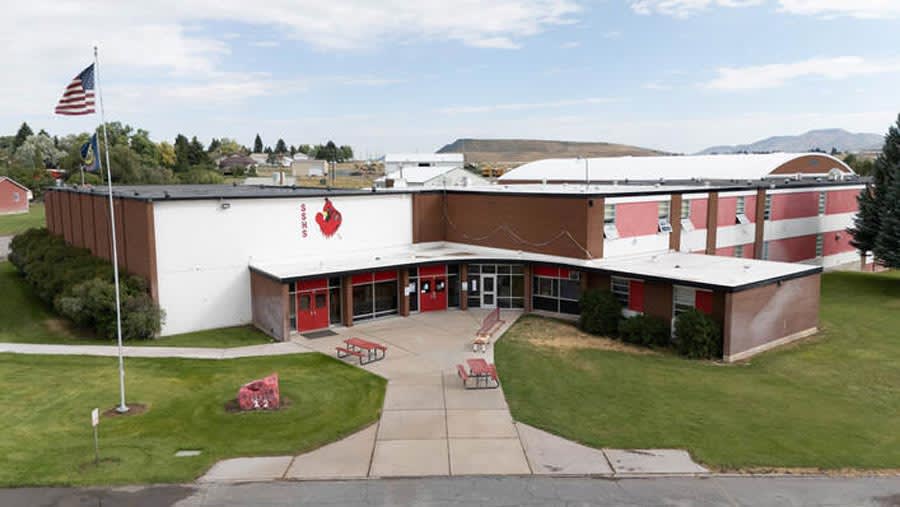
State Uncovers Systemic Issues in Soda Springs Special Education

State Uncovers Systemic Issues in Soda Springs Special Education

Featured Image

Systemic Issues in Special Education Programs Highlighted in New Report

A recent investigation by the Idaho Department of Education has uncovered serious systemic problems within the special education programs of the Soda Springs Joint School District. The findings reveal that the district is not meeting the necessary standards to support students with disabilities, raising concerns about the quality of services provided and the overall structure of the program.

The investigation was initiated in April following four separate complaints from parents and students. After a thorough review, the department released a report last month that confirmed three major allegations against the district. These findings have prompted the district to implement a corrective action plan aimed at addressing these issues and ensuring compliance with federal regulations.

Key Findings from the Investigation

One of the primary issues identified was the lack of proper qualifications among classroom personnel, related service providers, and paraprofessionals. Many staff members were found to be providing services without the necessary credentials, which directly impacts the quality of support students receive.

Another significant concern was the failure to provide special education services in accordance with individualized education programs (IEPs). The report noted that many IEPs were not in effect as required, and service providers were not adequately informed of their responsibilities regarding specific accommodations and modifications.

Additionally, there was a widespread lack of documentation in student files, which made it difficult to track progress and ensure that services were being delivered as outlined in each student’s IEP. This issue was attributed to insufficient staffing, limited training for paraprofessionals, and an overwhelming number of students requiring support.

Challenges at Each School Level

The investigation examined the situation at all three schools within the district—elementary, middle, and high school—and found consistent challenges across all levels.

At the elementary school, some students’ special education programs did not align with their eligibility reports, and several files lacked required progress reports. There was also a general absence of documentation, which was linked to staffing shortages and inadequate time for training.

The learning lab, designed to support students with IEPs, faced a shortage of paraprofessionals. Lesson plans were often created but rarely delivered to students, and the high turnover rate among staff further complicated the situation.

At the middle school, similar issues were observed. The resource room was managed by an interim teacher who had limited experience and no mentorship. Paraprofessionals in the room received minimal training, and the classroom size was often too large for effective instruction.

The high school also struggled with understaffing and a lack of curriculum resources. Special education teachers were forced to create lesson plans from scratch, leading to inconsistencies in instruction. Additionally, students without formal IEPs sometimes used the resource room for testing purposes, further straining the system.

Corrective Action Plan

In response to the findings, the district must now follow a comprehensive corrective action plan to return to compliance with the Individuals with Disabilities Education Act (IDEA). This includes forming a team consisting of key district officials and working closely with an Idaho Special Education Support and Technical Assistance coordinator.

The team is required to develop and submit an action plan by August 22, with monthly check-ins throughout the 2025-26 school year. The district must also finalize a staffing plan by August 1 to ensure the recruitment and retention of qualified special education personnel.

Training outlines, protocols, and a letter of assurance from the school board chair are also required by September 1. The district will need to document its hiring efforts on a monthly basis until the corrective action plan is fully implemented.

Once the Idaho Department of Education receives the necessary documentation and confirms that the district has met all requirements, the case will be formally closed.

Ongoing Concerns and Future Implications

The findings from this investigation highlight the urgent need for systemic improvements in the district’s special education programs. While the current staff is doing their best with limited resources, the lack of support, mentorship, and training continues to hinder their ability to meet the needs of students with disabilities.

As special education becomes a central topic in upcoming legislative discussions, the district’s challenges underscore the broader funding and resource gaps that many schools across the state face. Addressing these issues will require sustained effort, investment, and collaboration between educators, administrators, and policymakers.

Thursday, August 21, 2025

New Guidance for Educators in the Age of AI

New Guidance for Educators in the Age of AI

Featured Image

Massachusetts Takes a Thoughtful Approach to AI in Education

Artificial intelligence (AI) is no longer a futuristic concept—it is already present in classrooms and shaping the educational landscape. In response, Massachusetts education officials have released comprehensive guidance aimed at helping schools integrate AI responsibly. The goal is to ensure that the technology supports learning while addressing concerns around equity, transparency, and academic integrity.

The Department of Elementary and Secondary Education (DESE) has introduced two key resources: an AI Literacy Module for Educators and a Generative AI Policy Guidance document. These materials are designed to provide schools with a consistent framework for using AI in ways that are safe, ethical, and instructionally meaningful. The guidance was developed following recommendations from a statewide AI Task Force and aims to help educators make informed decisions about when, how, and why to use AI in their teaching practices.

The DESE emphasizes that the guidance is not meant to promote or discourage AI use but rather to encourage critical thinking. It highlights the importance of understanding how AI systems operate and how they can influence individuals and society. According to the module, AI is already embedded in the devices and applications that students use daily, making it essential for educators to teach students how to navigate these tools responsibly.

A Balanced Approach to AI Development

One notable aspect of the AI Literacy Module is that its initial draft was written without the use of generative AI. The authors intentionally avoided relying on AI-generated content to prevent potential biases and ensure that the resource reflects the best thinking of educators and experts. However, the final version was reviewed using large language models like ChatGPT-4o or Claude Sonnet 4 to check for clarity and accessibility. This approach underscores the importance of maintaining human oversight while leveraging AI’s capabilities.

In Massachusetts classrooms, AI is already being used in various ways. Teachers are experimenting with tools like ChatGPT to create lesson plans, rubrics, and instructional materials. Students are using AI to draft essays, brainstorm ideas, and translate text for multilingual learners. Beyond teaching, districts are also exploring AI for scheduling, resource allocation, and adaptive assessments.

However, the guidance warns that AI is not a neutral tool. It can produce responses that are grammatically correct but factually incorrect, reinforcing user assumptions or creating “cognitive debt”—a situation where users become overly reliant on machine-generated content and lose the ability to think independently.

Key Values for Ethical AI Use

To address these challenges, the guidance outlines five core values that schools should prioritize when adopting AI tools:

  • Data Privacy and Security: Districts are encouraged to vet AI tools through formal data privacy agreements and educate students on how their data is used.
  • Transparency and Accountability: Schools should inform parents about AI use in classrooms, maintain public lists of approved tools, and explain how each tool is utilized.
  • Bias Awareness and Mitigation: AI systems trained on human data may carry harmful biases, so educators and students should examine how AI responses vary.
  • Human Oversight and Educator Judgment: Teachers must review and adjust AI outputs to ensure they align with individual student needs.
  • Academic Integrity: Schools are moving away from outright prohibitions on AI and instead promoting disclosure to maintain academic honesty.

For example, teachers might use AI to draft a personalized reading plan but adapt it to reflect a student’s interests, such as sports or graphic novels. Students are encouraged to include an “AI Used” section in their work, clarifying how and when they used AI tools.

Preparing Students for the Future

Beyond classroom rules, the guidance emphasizes the importance of AI literacy as a civic and personal skill. Students need to understand how AI works, how it can mislead, and how to evaluate its impact. This includes reflecting on digital footprints, data permanence, and the environmental costs of AI, such as energy use and e-waste.

The DESE states that AI integration in education is not about replacing teachers but empowering them to create rich, human-centered learning experiences. As AI becomes more prevalent, schools must prepare students to navigate this evolving ecosystem responsibly.

Broader Statewide AI Strategy

Massachusetts Governor Maura Healey has played a significant role in shaping the state’s AI strategy. Last year, she launched the AI Hub, positioning Massachusetts as a leader in both developing and regulating AI. Education officials view their new resources as part of this broader initiative, ensuring that students gain equitable access to AI education.

At the same time, there are ongoing debates about technology in classrooms. While some lawmakers are pushing to limit student cellphone use, schools are navigating the challenge of integrating AI tools responsibly. This period of flux highlights the need for clear policies and continued dialogue about the role of technology in education.

Funding Cuts Strike Hard at Missouri's Most Vulnerable Literacy Program

Funding Cuts Strike Hard at Missouri's Most Vulnerable Literacy Program

Featured Image

A Lifeline for Rural Missourians Faces Sudden Disruption

For over three decades, the Laclede Literacy Council has played a vital role in supporting rural Missourians who are striving to improve their lives through education. The organization’s mission has expanded over the years to include helping individuals pass the HiSET high school equivalency exam, become U.S. citizens, and develop media literacy skills. These efforts have made a significant difference in the lives of countless people across six counties.

In recent years, the council had a team of 18 tutors who received living allowances, allowing them to dedicate substantial time to their work. This support enabled the program to serve nearly 100 clients in 2025. However, this progress was abruptly disrupted when the center learned it would lose $249,000 in funding from AmeriCorps for the 2025-2026 grant cycle. This loss threatens to eliminate the entire workforce, leaving the nonprofit in a difficult position.

Dr. Carol Barsby, the center’s executive director, described the impact as a shock. She explained that the decision came after a series of assurances from ServMO, the distributing agency for AmeriCorps in Missouri. “We were confident we were okay,” she said. “But on July 2, I got an email that said, ‘Sorry, you weren’t chosen for a grant this year. Have a nice holiday weekend.’”

Barsby is now exploring other funding opportunities, but the sudden change means drastic adjustments for the nonprofit and its community. The loss of tutors affects not only the staff but also the people they serve, many of whom rely on the program for essential skills and support.

The Role of the Laclede Literacy Council in Rural Communities

The Laclede Literacy Council operates out of a small shopping center in Lebanon, a town with a population of about 15,000. Once known for its manufacturing industry, the area has seen a shift in job requirements, with many positions now demanding higher levels of education. For example, some of the local boat factories now require digital and technical skills, making it harder for individuals without a high school diploma to qualify for these jobs.

When someone seeks help at the center, they begin with a proficiency test to determine their skill level. They are then matched with a tutor who works with them multiple times a week at no cost. Some individuals attend in person, while others receive virtual support, including employees of a sheriff’s department who need additional training to meet hiring requirements.

Tammy Sloan, a former employee who lost her job due to lacking a high school diploma, found support through the program. After receiving tutoring, she passed her math HiSET subtest and now volunteers at the center. Her experience highlights the emotional journey many individuals face when seeking help, as well as the sense of community and belonging that the program fosters.

Daniel Ford, another individual who benefited from the program, shared his story. He dropped out of school early and spent time in prison before being required to attend the literacy council as part of his probation. Today, he is a tutor and working toward passing the HiSET. His transformation illustrates the power of education and support in changing lives.

Funding Cuts and Their Impact

The funding cuts come at a critical time for the Laclede Literacy Council. According to Barsby, the program was part of a larger pool of funding allocated by AmeriCorps to the Missouri Department of Economic Development. While applicants go through a vetting process, the final decisions are made by the Missouri Community Service Commission, also known as ServMO.

Barsby received feedback stating that the literacy council did not adequately explain organizational capability, member experience, and supervision. Despite meeting performance goals by more than 100% each year, the program was denied funding. This situation raises questions about the criteria used for funding decisions and the impact on communities that rely on such programs.

Barsby emphasized the importance of the program, noting that it supports 15 jobs and provides critical services to individuals in need. “I understand budget cuts well, but when you cut your budget, do you cut the entire food budget or reduce it slightly from each category?” she asked.

Looking Ahead

Despite the challenges, Barsby and the tutors remain committed to their mission. Currently, there are 99 active participants, and the program will be able to serve about a third of them. Volunteers continue to support those they are working with, ensuring that no one is left behind.

While unpaid volunteers could be an option, it comes with its own set of challenges. Serving fewer people may lead to lower quality of life for those affected, fewer employees in local businesses, and fewer opportunities in rural areas. The loss of the program also means fewer second chances for individuals like Ford, who credits the center with giving him the opportunity to turn his life around.

Barsby remains hopeful, stating that the center will find a way to keep operating, even if it looks different in the future. “We will keep something going,” she said. “I don’t know that it will look like it used to look, but we will be here and we will apply for other grants and see what’s out there.”

One in Five GCSE Students Earn Top Marks as Results Spark Grade Inflation Debate

One in Five GCSE Students Earn Top Marks as Results Spark Grade Inflation Debate

Featured Image

Rise in Top GCSE Grades Sparks Debate on Educational Standards

Students across the UK are celebrating another year of strong GCSE results, with one in five entries achieving at least a grade 7 or A. This marks the highest proportion since 2012 outside of the pandemic years and the highest in two years for the entire UK. The increase has sparked discussions about educational standards and potential grade inflation.

For England, the rise in top grades is particularly notable, as it reflects a return to pre-pandemic levels after years of teacher-assessed results that led to inflated scores. The overall percentage of entries receiving a grade 7/A or above stands at 21.9%, up slightly from 21.8% in 2024 and higher than the 20.8% recorded in 2019. This trend highlights a growing concern among critics who believe that grade inflation may be resurfacing after years of efforts to curb it.

Gender Gap Narrowing, But Still Present

The gender gap in top grades has also seen some changes. Girls have historically outperformed boys in GCSEs since the 1980s, but this year, the gap has narrowed significantly. For the first time since 2000, the difference between girls and boys in achieving a grade 7/A or above is just 5.1 percentage points. Girls accounted for 24.5% of these top grades, compared to 19.4% for boys. Similarly, the gap in achieving a grade 4/C or higher has also decreased, with girls leading by 6.2 percentage points.

Despite these improvements, the gender disparity remains significant, and education leaders continue to emphasize the need for targeted support to help boys catch up further.

Regional and Subject Variations

Regional differences in performance were also evident. London had the highest proportion of students achieving top grades, with 28.4% of entries reaching a grade 7/A or higher. In contrast, the northeast of England had the lowest rate at 17.8%. The gap between these regions has slightly narrowed compared to the previous year.

Subject-wise, science double award remained the most popular subject, with over 989,000 entries. Maths and English language followed closely, with increases in participation across all three subjects. Spanish surpassed French for the first time in terms of entry numbers, while statistics saw a significant rise in popularity.

Concerns Over Grade Inflation and Resit Crisis

While the rise in top grades is cause for celebration, it has also raised concerns about grade inflation. Alan Smithers, a professor of education at the University of Buckingham, pointed out that the number of students achieving top grades has increased substantially compared to pre-pandemic levels, even though the education system faced disruptions.

Ofqual, the regulator for England, maintains that the results are stable and that the changes observed are due to natural variation. However, critics argue that the increase in top grades could signal a return to inflated grading practices. Sir Ian Bauckham, chief regulator at Ofqual, emphasized that the standards required to achieve certain grades remain consistent, and the differences seen this year are statistically insignificant.

Challenges for Sixth Form Admissions

With more students securing top grades, competition for sixth form and college places has intensified, especially at selective institutions. This has led to concerns about the impact on admissions processes and the need for better resource allocation.

In addition, there is growing pressure to address the so-called “resit crisis.” Nearly a quarter of GCSE maths and English entries are resits, with only a small fraction of those students achieving the necessary grade 4 to move beyond the resit cycle. Education leaders are calling for fundamental reforms to improve support for students who fall behind in these critical subjects.

Historical Context and Policy Implications

Grade inflation was a significant issue during the New Labour years, when officials claimed that students were genuinely becoming smarter each year. However, after the Conservative Party took power in 2010, Ofqual implemented measures to stabilize the proportion of top grades. Despite these efforts, the pandemic disrupted progress, leading to a surge in top grades due to teacher assessments.

Now, as results return to pre-pandemic levels, the debate continues over whether the current trends reflect genuine improvements in student performance or simply a shift in grading standards.

Conclusion

The 2025 GCSE results highlight both progress and challenges in the UK education system. While the rise in top grades is a positive development, it raises important questions about grading standards, gender disparities, and the long-term impact on students’ futures. As the education sector moves forward, addressing these issues will be crucial to ensuring fair and equitable outcomes for all learners.

Notification
This is just an example, you can fill it later with your own note.
Done