Articles of Education: government
News Update
Loading...
Showing posts with label government. Show all posts

Wednesday, November 5, 2025

Dolma Impact Fund Secures Tax Exemption After Mauritius Pact Cancellation

Dolma Impact Fund Secures Tax Exemption After Mauritius Pact Cancellation

Background of the Controversial Tax Exemption

In Kathmandu, a recent decision by the interim government has sparked significant debate. The government granted a tax exemption to the Dolma Impact Fund, which channels its investments into Nepal through a "shell company" registered in Mauritius, a known tax haven. This move has drawn criticism due to the complex legal and financial implications involved.

The government's rationale for the exemption was based on the Double Taxation Avoidance Agreement (DTAA) signed with Mauritius. However, this treaty has since been annulled, making it invalid for future transactions. Despite this, the government proceeded with the exemption, leading to questions about the clarity of Nepal's Income Tax Act, 2002.

Legal and Financial Implications

The ruling allows the company to pay less tax on its income in Nepal, providing financial benefits to the fund and facilitating the repatriation of dividends abroad. Dolma, which has invested in 14 Nepali companies, had long sought this exemption. The issue had been under discussion between the Inland Revenue Department (IRD) and the Ministry of Finance for years, but successive governments had refrained from approving it after repeated warnings from tax officials.

A senior tax administrator noted that previous attempts to exempt Ncell's income from taxation ended in legal disputes. They warned that granting Dolma similar relief would create another dangerous precedent. The Ncell dispute, rooted in claims of double taxation, reached an international tribunal before Nepal's Supreme Court and the tribunal both ruled that Ncell's income was taxable in Nepal.

Despite this precedent, the finance ministry now chose to grant Dolma a tax waiver. Finance Minister Rameshore Khanal, who previously advocated for taxing Ncell, is now defending the exemption for Dolma. Before finalizing the decision, he sought opinions from retired officials of the Ministry of Finance and the IRD.

Those consulted reportedly reminded him that Dolma's investment entered Nepal through a Mauritius-based "shell company," making it a case similar to Ncell's. They warned that Dolma's income should be taxed under the Income Tax Act and that Nepal otherwise risked losing significant revenue.

Technical and Legal Objections

Despite these warnings, the finance ministry moved ahead and granted the exemption. To justify the decision, it sought legal advice from the Office of the Attorney General, though officials there were reportedly divided.

Nepal and Mauritius had signed a DTAA on August 3, 1999. Dolma, registered in Mauritius, claimed that under the treaty, it qualified for income tax exemption in Nepal. However, the treaty requires that a Mauritius-based company hold at least 50 percent ownership in the investing entity to be eligible for such benefits.

Documents obtained by the Post show that Mauritian investors hold only 0.75 percent ownership in the company that is channeling investment into Nepal, while 99.25 percent belongs to investors from outside Mauritius. Given that imbalance, officials at the Attorney General's Office concluded that the treaty could not serve as a legal basis for tax exemption.

"It is legally untenable for Nepal to offer tax relief under the Mauritius treaty when Mauritian ownership is negligible," said an official familiar with the internal discussions.

Broader Concerns and Reactions

Tax experts warn this could open floodgates for other offshore investors to demand similar exemptions, weakening Nepal's tax base. A senior tax consultant noted that the government seems eager to project a foreign investor-friendly image, but in doing so, it risks undermining the integrity of Nepal's tax system and losing substantial revenue.

Dolma Impact Fund's investors include institutions from Switzerland, Japan, the United Kingdom, the Netherlands, and the United States—countries that do not have DTAAs with Nepal. Yet, Dolma has relied on the Nepal-Mauritius treaty to seek exemptions on dividends and capital gains from share sales.

A shell company like Dolma's Mauritius-based entity typically exists only on paper, registered in jurisdictions offering tax loopholes. Such firms lack real operations or assets and are often used to obscure the true origin of investments.

Ongoing Debate and Future Steps

The Income Tax Act 2002 is Nepal's principal tax legislation, according to former finance minister and tax expert Bidyadhar Mallik. He emphasized that the law overrides previous treaties unless they explicitly provide otherwise. Claiming exemption solely on a treaty basis is legally unsound.

Finance Minister Khanal acknowledged that the government had revoked the DTAA with Mauritius but defended the decision to grant Dolma relief under that same treaty. He stated that the DTAA has been annulled, so new investors won't qualify for exemption. But Dolma will enjoy the benefit for existing investments as the treaty remains valid for six months after formal notification of termination.

Khanal rejected allegations of external influence, calling the exemption a legitimate state obligation. He added that the government now plans to amend the Income Tax Act for clarity. "The new law will introduce provisions for DFIs, but not under DTAAs. Income earned abroad will be taxed there, and income earned in Nepal will be taxed here."

IRD Director General Madan Dahal confirmed that the department has already notified Dolma Impact Fund that it is exempt from income tax under government direction. "The treaty has been revoked. The exemption applies to previous investments, not new ones," he said.

Meanwhile, Shabda Gyawali, investment director at the Dolma Impact Fund Advisors, said they had yet to receive formal notice about the treaty's cancellation. "We have only heard informally about the government's decision," he said. "Dolma has not repatriated any money apart from dividends, so it has not benefited from the exemption yet."

Dolma has systematically pursued government agencies to secure tax relief. Following the DTAA, Dolma Impact Fund I wrote to CDS & Clearing on July 7, 2025, seeking tax exemption on the sale of shares in Makar Jitumaya Suri Hydropower Company. CDS sought IRD's advice, which then referred the matter to Nepse, the stock exchange, and the Finance Ministry to clarify whether capital gains tax would apply.

Under Nepal's laws, foreign investors are subject to a 25 percent capital gains tax on profits from the sale of shares. Based on this provision, Dolma would be liable to pay Rs294.46 million in capital gains tax. However, Dolma appears to have sought to sell these shares. And since the government has already decided to grant a tax exemption, the company will now be exempt from paying the stated amount.

Dahal, director general of the Department of Inland Revenue, confirmed that the department has already issued a letter stating that Dolma will not be liable to pay capital gains tax on the sale of its shares in Makar Jitumaya Suri Hydropower. "Whether viewed through the treaty or the Income Tax Act, Dolma is liable to pay tax," Mallik said. "Therefore, the government's decision to grant a tax exemption is not justified."

Furious Travelers Confront Endless Begging at Airports

Furious Travelers Confront Endless Begging at Airports

Furious Travelers Confront Endless Begging at Airports

The Persistent Problem of Begging and Touting at Nigerian Airports

Begging and touting remain a persistent challenge at Nigerian airports, despite the efforts by the Federal Airports Authority to curb this issue. However, progress has faced significant resistance, especially from security agencies. This ongoing problem is not only embarrassing for the country but also tarnishes its image on the global stage.

A female Nigerian based in the United States, Mrs Charles, shared her disappointment after her British friend visited Nigeria in January 2025 for her mother’s burial. During their journey through the airport, several individuals approached them, asking for money. Mrs Charles, who had not converted her foreign currency to naira, repeatedly explained that she didn’t have local currency. Her friend found the situation amusing, which deeply hurt Mrs Charles. She emphasized that the behavior of airport staff, who are supposed to represent the country, is disgraceful and reflects poorly on Nigeria.

This incident highlights the broader issue of unprofessional conduct by airport staff, particularly security officials. For years, both industry stakeholders and travelers have expressed frustration over the manual checks conducted by security agencies at the Murtala Muhammed International Airport. These checks are often criticized as outdated and intrusive, creating an environment where extortion can thrive.

In response to growing complaints, Senator Osita Izunaso from Imo West called on the Minister of Aviation, Festus Keyamo, to caution airport officials against begging travelers for money. He described the behavior as a national embarrassment, undermining Nigeria’s image before foreign visitors and investors.

The Managing Director of the Federal Airports Authority of Nigeria, Olubunmi Kuku, has repeatedly expressed her disdain for begging and touting within airports. Despite these concerns, the aviation industry, including the minister, has yet to respond to the senator's call for action.

In June 2024, Keyamo acknowledged that the government agencies involved in extortion and begging at airports do not fall directly under his ministry’s control. He emphasized the need for collaboration between ministries to address the issue. His comments came in response to a growing number of complaints from travelers about the persistent problem.

To combat the issue, the Federal Airports Authority of Nigeria began installing multi-million-dollar machines to scan passengers and luggage in April 2025. These advanced screening devices were intended to replace physical luggage inspections at Customs checkpoints. The new equipment includes six Orion 927DX units, a full-body scanner, and an itemiser, all equipped with cutting-edge imaging technology.

During a tour of the machines, the Director of Aviation Security at FAAN, Igbafe Afegbai, mentioned that the Customs table where bags were physically checked would be dismantled soon. The goal was to enhance security while improving passenger efficiency and overall airport operations.

However, challenges remain. A source close to the meeting between the Comptroller-General of Customs, Adewale Adeniyi, and FAAN MD, Olubunmi Kuku, revealed legal bottlenecks regarding the mandates of security agencies. These agencies operate under different ministries, making coordination difficult. Additionally, the source noted that training and space for monitoring the machines were also issues.

Industry experts, such as retired Air Force officer Group Captain John Ojikutu, argue that bringing all security personnel under one command is essential for smooth airport operations. He suggested revisiting past strategies that proved effective in the 1990s.

Retired pilot Muhammed Badamasi also highlighted the endemic nature of begging in Nigeria. He recalled an incident where he scolded an immigration officer at Kano airport for requesting financial assistance. Badamasi emphasized the need for stricter oversight of staff to prevent such behavior.

Despite these efforts, communication with FAAN spokesperson Henry Agbebire remained unsuccessful. Calls and messages went unanswered, leaving many questions unanswered.

Challenges and Future Steps

  • Coordination between ministries: The lack of unified command among security agencies hinders effective collaboration.
  • Training and infrastructure: Adequate training and space for monitoring the new machines are necessary.
  • Strict oversight: Managers must monitor staff closely and enforce consequences for misconduct.
  • Public awareness: Raising awareness about the negative impact of begging and touting is crucial for long-term change.


DSS Updates on Owo Church Attack Prosecutions and Terror Suspects

DSS Updates on Owo Church Attack Prosecutions and Terror Suspects

DSS Updates on Owo Church Attack Prosecutions and Terror Suspects

Nigeria’s Security Agencies Continue Prosecution of Terrorism Suspects

The Department of State Services (DSS) has confirmed that several high-profile terrorism suspects are currently facing trial across the country as part of efforts to strengthen national security and ensure accountability. These trials reflect the commitment of security agencies to bringing perpetrators of terrorism to justice in line with the rule of law.

In a recent statement, the secret police disclosed that five men are being tried for their alleged involvement in the June 2022 attack on St. Francis Catholic Church in Owo, Ondo State, where over 40 worshippers lost their lives. The agency also revealed that suspects linked to the June 2025 Yelwata massacre in Benue State, which claimed dozens of lives, are currently undergoing trial.

According to the DSS Director-General, Tosin Ajayi, the ongoing prosecutions reflect the commitment of security agencies to bringing perpetrators of terrorism to justice in line with the rule of law.

Trial of Terror Suspects in Abuja

The Federal High Court in Abuja will continue the trial of two wanted terror suspects: Mahmud Muhammad Usman and Abubakar Abba who were arrested during a high-risk operation in July. The duo, believed to be leaders of the ANSARU terrorist group, face a 32-count charge, including terrorism financing and illegal mining. Usman has already been sentenced to 15 years for one of the offences, while Abba pleaded not guilty.

The agency also confirmed that the prosecution of Khalid Al-Barnawi, alleged mastermind of the 2011 United Nations building bombing in Abuja, is ongoing alongside four others. Al-Barnawi and his co-defendants are facing charges before Justice Emeka Nwite of the Federal High Court in Abuja.

Details of the Trial

The DSS provided details of the trial, stating that Usman (aka Abu Bara’a) and Abba (aka Isah Adam and Mahmud Al-Nigeri) were captured in a high-risk, intelligence-led, counter-terrorism operation in July by the DSS after several months of chasing them. The two are believed to be leaders of the Jama’atu Ansarul Muslimina fi-Biladis Sudan, commonly known as ANSARU, Nigeria’s Al-Qaeda affiliate.

Usman, the self-styled Emir of ANSARU, allegedly coordinated various terrorist sleeper cells across Nigeria. He is also believed to have masterminded several high-profile kidnappings and robberies, the proceeds of which were used to finance terrorism over the years. Abba, Usman’s chief of staff and deputy, is alleged to have led the so-called “Mahmudawa” cell, which operated around the Kainji National Park, located on the border between the states of Niger and Kwara, as well as the Republic of Benin.

The Office of the National Security Adviser (ONSA), in a statement issued on August 16, claimed Mamuda received training in Libya between 2013 and 2015 under foreign jihadist instructors from Egypt, Tunisia, and Algeria. He is said to have specialised in weapons handling and IED fabrication.

Usman and Abba are being tried on a 32-count terrorism charge, and on which they were arraigned in late August. One of the counts related to illegal mining, to which Usman pleaded guilty and has since been sentenced to 15 years. Abba pleaded not guilty to all the 32 counts.

Continued Trials of Other Terrorists

The DSS is also prosecuting another terror suspect, Khalid Al-Barnawi, accused of being the mastermind of the August 26, 2011, bombing of the United Nations Complex in Abuja, in which 20 people were killed and more than 70 others injured. Captured in 2016, Al Barnawi is facing trial along with four other terror suspects – Mohammed Bashir Saleh, Umar Mohammed Bello aka Datti, Mohammed Salisu, and Yakubu Nuhu aka Bello Maishayi.

The trial has been delayed for an extended period due to legal and procedural issues, including the suspects being occasionally brought to court without any counsel appearing for them. The DSS recently requested the court to grant accelerated hearing in the case, a request Justice Nwite granted.

On October 23 and 24, a trial-within-trial was conducted, during which videos of the defendants’ confessional statements were played in the courtroom.

Additional Charges and Arrests

On August 11, the DSS arraigned five men before a Federal High Court in Abuja over their alleged involvement in the June 5, 2022 attack at St. Francs Catholic Church, Owo, Ondo State. The five are: Idris Abdulmalik Omeiza, Al Qasim Idris, Jamiu Abdulmalik, Abdulhaleem Idris and Momoh Otuho Abubakar. Over 40 people died in the attack, while over 100 individuals sustained injuries.

The five defendants were arraigned on a nine-count terrorism charge, marked: FHC/ABJ/CR/301/2025, in which they are accused among others, of being members of Al Shabab terrorist group, with cell in Kogi State. The defendants are also alleged to have carried out the attack in furtherance of their religious ideology.

They pleaded not guilty when the charge was read to them, following which Justice Nwite ordered that they be remanded in the custody of the prosecuting agency. In a ruling on September 10 the judge rejected their request for bail on the grounds that they were not only charged with offences that capital in nature, they are also accused of being members of a notorious terrorist organisation.

Ongoing Trials of Yelwata Massacre Suspects

Also undergoing trial are the suspects arrested in connection with the Yelwata massacre in Guma Local Government Area of Benue State on June 13 2025. The attack, in which dozens of people were killed and 107 injured, drew worldwide condemnation. President Bola Tinubu paid a condolence visit to the state and demanded the arrest of the killers and attackers.

On June 24 2025, the Inspector-General of Police (IGP), Kayode Egbetokun, announced the arrest of 26 suspects in connection with the massacre. In August 2025, the DSS filed terrorism-related charges before the Federal High Court in Abuja, against nine suspects. Two suspects, Haruna Adamu and Muhammad Abdullahi of Awe local government area of Nassarawa state, who are still at large, were charged with four counts of terrorism, among which is the concealment of information about the attacks, before they were staged in Abinsi and Yelwata villages between June 13th and 14th.

In total, the DSS filed six separate charges against the arrested suspects, who are now undergoing trial. They are Adamu and Abdullahi are Musa Beniyon, Bako Malowa, Ibrahim Tunga, Asara Ahnadu, Legu Musa, Adamu Yale, Boddi Ayuba, and Pyeure Damina. The DSS also charged two other suspects, Terkende Ashuwa and Amos Alede of Guma local government area of Benue State, with three counts for allegedly carrying out reprisal attack against the terror suspects involved in the Abinsi and Yelwata attacks.

Their trial, which is ongoing, before Justice Nwite’s court began with their arraignment in early September, with the defendants pleading not guilty.

Commitment to Justice

Director General of the DSS, Tosin Ajayi, said:

” The various arrests and trials of terrorism suspects showed that Nigeria’s security agencies have been diligent in dealing with the perpetrators of terror in the country. The men we are prosecuting are separate from the hundreds of suspects under the military’s protective custody, whose cases are being handled by the Office of the Attorney General of the Federation. In July last year, 125 of the terrorists were convicted.

“We shall continue to make the suspects accountable for disrupting the peace of our country, in consonance with the rule of law.”

President Tinubu and the Weight of Moral Duty

President Tinubu and the Weight of Moral Duty

President Tinubu and the Weight of Moral Duty

The Legacy of Leadership and the Struggle for Justice

October 20, a day marked by protests and unrest, has come and gone. Nnamdi Kanu remains in detention, and justice is still pending. However, history has already recorded that a man named Omoyele Sowore took on the role of a catalyst, challenging the status quo. He pushed for Nnamdi Kanu’s release for medical treatment, ensuring he receives a fair trial in accordance with the law. His bold words stirred the capital city into chaos, forcing the police to act aggressively with tear gas and batons. Is Sowore a human being, a spirit, or a curse upon corrupt leaders? Or is he a prophet sent to restore the state and its operatives from moral decay?

William Gumedes, in his introductory remarks on Mandela’s “No Easy Walk to Freedom,” provided an insightful analysis of leadership and its evolution. He highlighted how those who once stood for justice can become its adversaries. Gumedes emphasized that leadership is not merely about holding power but about the quality of one’s actions, behavior, and vision.

In his words:
“The failure of most African liberation movements-turned-governments lies in the moral corruption of their leaders and parties, even if they have a just cause and impeccable struggle credentials. Suddenly finding themselves in positions of power, many leaders have succumbed to the temptations of wealth and authority, leading to a loss of moral compass. Mandela was an exception, maintaining his integrity despite the trappings of power.”

Gumedes also discussed democratic morality, which transcends cultural and religious boundaries. It involves ethical behavior, a sense of duty, and governance that serves the broader population rather than personal interests.

President Tinubu: A Leader in Transition

President Bola Tinubu, the 16th president of Nigeria, is often seen as a champion of democracy. His early life in southwestern Nigeria and education in the United States laid the foundation for his political career. He returned to Nigeria in the 1980s, working as an accountant before entering politics. His involvement in the pro-democracy National Democratic Coalition (NADECO) marked a significant turning point in his journey.

Tinubu played a crucial role in advocating for the recognition of Bashorun Moshood Kashimawo Abiola as the legitimate winner of the June 12, 1993 election, which was annulled by the military government of Ibrahim Babangida. On the Senate floor, Tinubu condemned the annulment, calling it a coup d’état and urging Nigerians to reject injustice.

After General Sani Abacha seized power in 1993, Tinubu faced arrest, detention, and threats to his life. He went into exile, continuing his activism abroad as part of NADECO. Upon returning in 1998 after Abacha’s death, Tinubu became a key figure in Nigeria’s Fourth Republic.

The Shift in Ideals

Tinubu once stood for everything his current government opposes: protests, injustice, and the suppression of activists. What changed? Is it the corrupting influence of power or the shifting tides of time?

If Tinubu recognized years ago that the annulment of a credible election could spark unrest, why can’t he see that hunger, ethnic profiling, and resource inequality can lead to similar outcomes today? As the Commander-in-Chief of the Armed Forces, is it fair that peaceful protesters are met with live bullets and tear gas?

It is instructive to note that Tinubu may now be facing the same challenges he once opposed. The part of him that once stood for justice is now affected by a "deadly disease" called "power and moral corruption," as described by Gumedes. This shift raises questions about the true nature of leadership and the responsibilities of those in power.

The Role of the People

Nigerians, too, seem to have fallen into this moral corruption. They have begun to support their oppressors, abandoning the fighters who once stood for justice. Despite Sowore’s efforts to liberate Nigeria, many focus more on his escape from tear gas than on his message. What does it take to be an activist? Is it the ability to endure live bullets and tear gas?

President Tinubu can reclaim his role as a leader of change. He has the potential to re-embrace the ideals he once championed, standing up against injustice and protecting the rights of all citizens.

Akingbondere, an author and law graduate, writes from Akure, Ondo State.

Benefits of 'Crony Capitalism'

Benefits of 'Crony Capitalism'

Benefits of 'Crony Capitalism'

The Impact of Ad Valorem Tariff on Nigeria’s Petroleum Sector

The introduction of a 15% ad valorem tariff on imported petrol and diesel by the Nigerian government has sparked significant debate. This decision, which aims to support local refineries and stabilize fuel prices, is seen as a strategic move to foster economic growth and reduce dependency on foreign imports. However, it also raises questions about potential crony capitalism and the balance between protecting domestic industries and maintaining affordability for consumers.

Ad valorem tax, derived from the Latin phrase "ad valorem" meaning "according to value," is traditionally associated with real estate, where property values are assessed using a Best of Judgment template. While this method is not commonly applied in other sectors, its adoption for petroleum products signals a shift in policy that could have far-reaching implications.

Zach Adedeji, who proposed the idea to President Bola Tinubu, argues that the tariff will encourage the development of local refineries, ensure price stability, and strengthen the naira. This aligns with broader goals of economic self-sufficiency and resilience against global market fluctuations.

Aliko Dangote, CEO of the Dangote Group, has remained relatively quiet on the matter, but his Chief Branding and Communications Officer, Tony Chiejina, has publicly endorsed the government's decision. Chiejina highlighted the refinery's achievements, including daily production of 45 million litres of petrol and 25 million litres of diesel. He emphasized the refinery's commitment to efficient nationwide delivery and collaboration with regulatory agencies.

Experts suggest that the Dangote Refinery could save Nigeria over $12 billion annually in foreign exchange while creating thousands of jobs. This potential economic boost underscores the importance of supporting local industries through strategic policies like the ad valorem tariff.

The tariff is expected to protect domestic refineries from unfair competition, ensuring they can thrive in a competitive market. It also serves as a signal to investors that Nigeria is open to opportunities in the downstream petroleum sector. The Dangote Refinery’s plan to expand its processing capacity to 1.4 million barrels per day by 2028 further highlights the potential for growth and investment.

Bayo Ogunlesi, Chairman of Global Infrastructure Group, noted that Nigeria is a vast gas province, suggesting that the country has significant untapped resources. While he did not explicitly state plans to establish a refinery, his comments reflect the potential for future investments in the energy sector.

Dangote must maintain consistency in his commitments to avoid repeating the missteps of previous administrations. The failure of the NNPC to operate its refineries effectively has left many Nigerians skeptical. However, the Dangote Refinery’s successful operation in 2024 offers hope for a more reliable and efficient petroleum sector.

Despite delays in the planned initial public offering (IPO) of Dangote Refinery shares, the company continues to generate interest among institutional investors. The potential listing on the Nigerian Exchange Limited could bring much-needed transparency and accountability, ensuring that the company operates in the best interests of shareholders and the nation.

If the IPO proceeds, it could democratize ownership of Nigeria’s downstream petroleum sector, allowing citizens to benefit from the country’s natural resources. This would mark a significant shift from the monopolistic practices of previous state-owned enterprises like the NNPC and NNPCL.

The success of the Dangote Refinery also raises questions about the need for similar strategies in other sectors. For instance, imposing tariffs on imported textiles could help revive Nigeria’s once-thriving textile industry, which was a major employer before government policies led to its decline.

The fragility of the Nigerian textile industry was evident when Western economies withdrew their support following the turmoil under General Sani Abacha’s regime. This highlights the importance of stable governance and supportive policies for industrial growth.

Imposing tariffs on strategic sectors like textiles, food processing, and petroleum refining can protect domestic industries and promote long-term economic development. This approach mirrors the strategies used by countries like the United States, where tariffs have been employed to safeguard national interests.

In addition to tariffs, the government must address other critical areas such as electricity supply, steel production, railway expansion, and agricultural development. These sectors are essential for building a resilient and diversified economy.

By implementing comprehensive policies that support local industries and infrastructure, Nigeria can position itself for sustainable growth and economic independence. The ad valorem tariff on imported fuels is just one step in this broader strategy, but it represents a crucial move toward a more self-reliant and prosperous nation.


US Targets Persecutors, China Supports Tinubu

US Targets Persecutors, China Supports Tinubu

US Targets Persecutors, China Supports Tinubu

The United States Designates Nigeria as a Country of Particular Concern

Following its designation of Nigeria as a ‘Country of Particular Concern’, the United States has indicated it will work with the Federal Government to take decisive actions aimed at arresting perpetrators of religious violence, protecting Christians, and rescuing those held hostage. This move comes after the Chair of the United States Commission on International Religious Freedom (USCIRF), Vicky Hartzler, recommended that President Donald Trump blacklist Nigeria for violating religious freedom. Hartzler welcomed the US leader’s decision, commending him for addressing what she described as the persecution of Christians in Nigeria.

However, China expressed strong support for Nigeria and criticized what it called foreign interference in the country’s internal affairs. Trump had announced Nigeria’s designation as a Country of Particular Concern on his Truth Social platform, alleging that Christianity in Nigeria faces an “existential threat” and claiming that thousands of Christians have been killed by radical Islamists. He warned that the United States could take decisive measures—including possible military intervention—if the Bola Tinubu administration failed to act.

The Federal Government rejected the US claim, describing it as inconsistent with facts, and reaffirmed Nigeria’s commitment to combating violent extremism, protecting citizens, and promoting religious freedom and inclusiveness. As part of its response to Nigeria’s alleged violations, the United States Congress is considering a bill that would impose severe sanctions on state governors, public officials, and non-state actors involved in enforcing the Sharia Penal Code. The bill, sponsored by Republican Senator Ted Cruz, has passed second reading and been referred to the Senate Committee on Foreign Relations for further consideration.

Legislative Measures and International Reactions

The draft legislation, S. 2747, titled ‘Nigeria Religious Freedom Accountability Act of 2025,’ directs the US Secretary of State to designate Nigeria as a Country of Particular Concern, impose specific sanctions, and take other related measures. It also targets terrorist groups and individuals implementing or supporting Islamic laws in the country. Under the draft law, penalties would extend to judges, magistrates, prison officials, and other judicial or law enforcement officers found complicit in terrorism, corruption, or the enforcement of blasphemy laws. It specifically includes anyone responsible for prosecuting, convicting, imprisoning, or otherwise depriving individuals of their liberty on charges of blasphemy.

Reacting to the executive action, the USCIRF chair, Vicky Hartzler, stated, “USCIRF applauds President Trump for speaking out on the religious freedom crisis in Nigeria and making Nigeria a Country of Particular Concern.” She added, “The US Government can now develop a tough plan with Nigeria to ensure that perpetrators of violence are held to account, people of faith are protected, and those held hostage are rescued.”

The USCIRF vice chair, Asif Mahmood, also told The PUNCH that the commission would ensure the Trump administration implements a series of executive actions against Nigeria, which it described as a serial violator of religious freedom since 2009. During Trump’s first administration, the US State Department had placed Nigeria on its Special Watch List in 2019 and designated it as a Country of Particular Concern in 2020, citing recurring violent attacks against religious communities.

Regional and International Responses

In addition to the US actions, the People’s Republic of China strongly criticized the US action against Nigeria, describing it as a flagrant interference in the country’s internal affairs. At a press conference in Beijing, Foreign Ministry spokesperson Mao Ning said China stood firmly with Nigeria in pursuing its own development path and opposed the use of religion or human rights as tools for political pressure.

Meanwhile, the Minister of Information and National Orientation, Mohammed Idris, said President Bola Tinubu was taking concrete steps to ensure the safety of lives and property across the country. He noted that the President had called for calm, assuring Nigerians that his administration remains focused on strengthening national security and promoting unity amid growing international scrutiny.

The Economic Community of West African States (ECOWAS) dismissed claims that the recent surge in terrorist attacks across the region, including Nigeria, amounts to genocide. In a statement, ECOWAS urged the United Nations and other international partners to continue supporting member states in their efforts to counter violent extremism. The European Union also reaffirmed its commitment to protecting religious freedom and promoting peaceful coexistence in Nigeria.

Concerns Over Foreign Interests and Internal Security

A former Chief of Army Staff and ex-Minister of Interior, Lt. Gen. Abdulrahman Dambazau (retd.), alleged that the United States might be seeking to establish a military base in Nigeria under the pretext of protecting Christians from persecution. Dambazau questioned the motive, recalling that despite hosting two US military bases for over a decade, Niger Republic still suffers severe insecurity.

Leaders of the Southern and Middle Belt Forum described the development as a “wake-up call” for the Federal Government to urgently tackle insecurity and the persistent killings across the country. They urged the government to disarm and prosecute armed militias, killer herdsmen, and terrorists, and to restore “occupied lands to their rightful owners” across several affected states.

In a related reaction, the Yoruba Ronu Group criticized Trump’s remarks accusing Nigeria of “killing Christians,” calling them “false and dangerously provocative.” The National Civil Society Council of Nigeria also criticized the Federal Government for failing to appoint ambassadors amid the crisis, describing the lapse as “unhealthy and unthinkable.”

Wike's Move as Oyo Court Lifts PDP Convention Ban

Wike's Move as Oyo Court Lifts PDP Convention Ban

Wike's Move as Oyo Court Lifts PDP Convention Ban

Legal Rulings and Political Tensions in the PDP

The People’s Democratic Party (PDP) is currently embroiled in a complex legal and political battle, with conflicting court rulings and internal power struggles threatening to destabilize the party. The situation has escalated following recent judicial decisions that have created confusion over the legality of the party’s upcoming national convention.

On Tuesday, an Oyo State High Court granted an ex parte motion filed by Folahan Adelabi, which sought to prevent the PDP from holding its proposed national convention in Ibadan on November 15 and 16, 2025. The judge, Justice Ladiran Akintola, adjourned the case for further hearing on November 10, 2025. This ruling contradicts a previous judgment from the Federal High Court in Abuja, delivered on Friday, which had restrained the PDP from proceeding with the convention until it complies with its constitution, the Nigerian Constitution, and the Electoral Act.

In the Abuja case, Justice James Omotosho issued a ruling in suit number FHC/ABJ/CS/2120/2025, directing the PDP to follow due process before holding the event. The judge also ordered the Independent National Electoral Commission (INEC) not to accept or recognize any results from a convention conducted without proper adherence to the law. The suit was filed by three aggrieved members of the party: Austin Nwachukwu (Imo PDP chairman), Amah Abraham Nnanna (Abia PDP chairman), and Turnah Alabh George (PDP Secretary, South-South).

The Oyo court ruling, however, appears to support the PDP’s plans to proceed with the convention. Justice Akintola granted all interim orders sought by the claimant, including a directive that the defendants—comprising the PDP leadership, INEC, and others—must not interfere with the event. The judge also ordered INEC to monitor the convention as per the Electoral Act.

Despite these developments, the Minister of the Federal Capital Territory, Nyesom Wike, has dismissed the Oyo ruling, arguing that the Abuja judgment should take precedence. Through his Senior Special Assistant, Lere Olayinka, Wike questioned the validity of the ex parte order, suggesting it is temporary and not binding. He raised concerns about the hierarchy of court rulings, stating that the Abuja judgment explicitly barred INEC from participating in the event, while the Oyo court’s decision appeared to contradict this.

Internal Struggles Within the PDP

The legal challenges are compounded by internal power struggles within the PDP. Umar Damagum, the factional National Chairman, has taken decisive action against former members of the National Working Committee (NWC). On Tuesday, he wrote to INEC Chairman Prof. Joash Amupitan, notifying him of the suspension of several officers, including Senator Samuel Anyanwu, the National Secretary.

Damagum’s letter, dated November 1, 2025, outlined the suspension of four officials based on alleged anti-party activities. The move follows the assumption of acting national chairman by PDP Deputy National Chairman Mohammed Abdulrahman, who was backed by Wike and supported by Anyanwu and loyalists. Damagum vowed to reposition the party by “returning power back to the people.”

However, the suspension has drawn criticism. Timothy Osadolor, the Deputy National Youth Leader of the PDP, blamed the party’s governors for the ongoing crisis. He highlighted Governor Ahmadu Fintiri of Adamawa as the only exception, praising his consistent leadership. Osadolor criticized the lack of proper procedures followed in suspending Anyanwu, calling the move “null, void, and illegal.” He urged the governors to step down from their positions and engage in negotiations to resolve the turmoil.

Osadolor also defended Damagum, describing him as a capable leader who could bring stability to the party if given full authority. However, he accused the governors of “hijacking” the party’s leadership, leading to the current state of chaos.

The Road Ahead

As the PDP faces mounting legal and internal challenges, the outcome of the upcoming national convention remains uncertain. The conflicting court rulings and power struggles between factions threaten to further divide the party at a critical time. With the judiciary playing a pivotal role in determining the legality of the event, the PDP must navigate these complexities carefully to avoid further instability.


CPC: Reclaiming Truth, Restoring Trust, Resetting the Global Narrative

CPC: Reclaiming Truth, Restoring Trust, Resetting the Global Narrative

CPC: Reclaiming Truth, Restoring Trust, Resetting the Global Narrative

The U.S. Designation of Nigeria as a Country of Particular Concern

On October 31, 2025, the United States reclassified Nigeria as a “Country of Particular Concern” (CPC) under the International Religious Freedom Act (IRFA), citing “years of Christian persecution.” This designation, which requires the U.S. Congress to investigate and report with recommendations, has created significant diplomatic and economic challenges for Nigeria. The country, still working to rebuild its global reputation after years of instability, corruption, and reputational damage, now faces a powerful label that could define it as a nation hostile to faith.

President Bola Tinubu’s administration, focused on economic reform, debt restructuring, and attracting foreign investment, is now confronted with an uphill battle against this label. However, designations are not final. With clear strategy and courage, Nigeria can transform this crisis into an opportunity to reclaim its narrative, restore trust, and reaffirm its leadership as Africa’s moral and democratic compass.

Under IRFA, the U.S. designates countries as CPCs if they are found to have engaged in or tolerated systematic, ongoing, and egregious violations of religious freedom. The implications of such a designation include potential sanctions, visa bans, aid restrictions, and reputational damage. As of the 2023 U.S. State Department list, other CPC countries included China, Iran, Russia, North Korea, Saudi Arabia, Eritrea, Pakistan, and Nicaragua. These nations face persecution as state policy, enforced by laws, police, and courts.

Nigeria, however, does not fit this profile. It has no state religion, and its Constitution explicitly guarantees freedom of worship. The violence in Nigeria stems from terrorism, banditry, and governance failures, not from state-sanctioned persecution. This makes the latest CPC designation legally questionable and politically suspicious — more a reflection of external pressure and internal mismanagement than genuine evidence of religious oppression.

Understanding Nigeria’s Security Challenges

Nigeria’s security crises are well-documented but often poorly interpreted. Insurgent groups like Boko Haram and ISWAP terrorize the North-East, targeting both Christians and Muslims who oppose their extremist views. Bandit groups in the North-West conduct mass kidnappings and ransom-driven killings, attacking schools, mosques, and markets. Farmer–herder conflicts in the Middle Belt are rooted in resource competition and climate stress, not theology. Urban criminal networks exploit ethnic and religious divides for political or financial gain.

In each case, victims span both faiths. Muslims have died in church bombings just as Christians have died in mosque raids. Nigeria’s challenge is lawlessness, not sectarianism. The international narrative that singles out Christian suffering while ignoring Muslim and other victims distorts the full picture and unfairly brands Nigeria as a faith-oppressive state.

The Role of Domestic and International Actors

Nigeria’s predicament was not solely created by Washington. It was worsened by Nigerians themselves — politicians, activists, and diaspora influencers who shaped a one-sided narrative abroad. Over the past three years, some individuals, often aligned with opposition movements or personal grievances, cultivated relationships with U.S. evangelical groups, human-rights lobbyists, and congressional offices. They presented selective data, sometimes unverifiable, to portray Nigeria as a failed religious state.

Several diaspora campaigns, operating under “Christian advocacy” banners, directly lobbied members of the U.S. Commission on International Religious Freedom (USCIRF) and faith-based caucuses in Congress. Their reports exaggerated Christian deaths, ignored Muslim casualties, and framed Nigeria’s violence as state complicity. This echo chamber found fertile ground in the American right-wing ecosystem, where religious freedom narratives often intersect with political ideology.

The Need for Strong Diplomatic Engagement

While this campaign gathered momentum, Nigeria had no ambassador in Washington. Several key embassies and consulates were either vacant or led by acting officials with limited access to senior policymakers. Without professional diplomacy and real-time lobbying, Nigeria’s rebuttal to USCIRF reports and advocacy briefings never reached Congress. The result: a vacuum filled by others.

In diplomacy, silence is never neutral — it’s surrender. Nigeria’s international communications infrastructure has been practically non-existent. Neither the Ministry of Information nor the foreign affairs press corps launched a coordinated campaign to shape global perception. Consequently, international outlets published stories centered solely on persecution claims, without context from Nigeria’s own data or security briefings.

To correct this, Nigeria must mount a global media offensive — not of denial, but of balanced storytelling. Local media can collaborate with international agencies to publish investigative features, interviews, and human-interest reports highlighting multi-faith victimization and the government’s security initiatives.

A Path Forward for Nigeria

Vietnam (2004–2006), Sudan (1999–2020), and Uzbekistan (2006–2018) all achieved removal from the CPC list through engagement, reform, and communication. Those that resisted — Eritrea, Iran, North Korea — remain trapped under sanctions. Nigeria’s best path forward is to prove progress with evidence, not emotion.

Trump’s new declaration carries strategic undertones. Nigeria’s rising geopolitical independence — ties with China, India, and BRICS partners, talk of new military cooperation outside traditional Western channels — has drawn attention. CPC designation becomes a pressure tool, a soft-power signal to force compliance or weaken non-aligned tendencies.

Washington’s moral rhetoric often masks political intent. Nigeria must recognize this, not with confrontation, but with strategic sophistication.

Strategic Steps for Nigeria

Nigeria must fill its Washington post immediately with a seasoned, non-partisan, retired diplomat respected on Capitol Hill — ideally someone with prior service in Washington or at the U.N. The ambassador must be empowered, not ornamental — armed with data, talking points, and authority.

A high-powered delegation should land in Washington within weeks, led by the Foreign Minister and including the attorney-general and director-general of NIA, a prominent Muslim cleric, Bishop Matthew Kukah, and Pastor E. A. Adeboye, to showcase interfaith unity. A retired diplomat like Prince Bolaji Akinyemi, the president of the Nigerian-American Chamber of Commerce, and two respected media strategists should also join.

Their objective: negotiate a 180-day Action Plan with the U.S. State Department to suspend punitive measures while reforms are verified.

Nigeria must retain reputable lobbying firms that understand Capitol Hill, faith-based caucuses, and U.S. think tanks. These professionals can organize congressional briefings, facilitate meetings with USCIRF, and align Nigeria’s facts with the policy language American legislators understand.

Rebuilding Trust and Reputation

The government should create a Presidential Task Force on Religious Freedom and Human Rights. This inter-ministerial body should include representatives from justice, interior, police affairs, information, and civil society. Its mandate would include investigating and prosecuting religious or communal killings, protecting worship centers, publishing monthly security and justice metrics, and serving as the domestic evidence engine for international diplomacy.

Nigeria should deploy security units to churches, mosques, and schools in high-risk zones, review blasphemy and discriminatory laws at the state level for constitutional compliance, establish fast-track courts for sectarian crimes, and support interfaith councils and community peace initiatives.

Nigeria should hire a premier communications consultancy — such as Fraser Consulting — to rebuild its global reputation. The firm should coordinate op-eds in major U.S. and European outlets, brief editorial boards, and synchronize messaging between Abuja and Washington.

Public diplomacy is no longer optional; it is national security.

The Power of Interfaith Unity

Nigeria remains one of the world’s few nations where major religions coexist in near parity and interdependence. From Sokoto to Port Harcourt, from Lagos to Maiduguri, Muslims and Christians live, trade, and mourn together. Every family knows both faiths. Every tragedy touches both sides.

This lived reality is Nigeria’s greatest argument before Congress and the world. The inclusion of Muslim and Christian clerics in the proposed delegation is not symbolism — it is truth in motion.

A Structured International Communications Plan

Immediate phase — issue factual press kits to U.S. and European media, clarifying that CPC narratives ignore Muslim victims and the non-state nature of violence.

Medium-term phase — coordinate exclusive features on CNN, BBC, and Al Jazeera, highlighting interfaith cooperation in rebuilding attacked communities.

Long-term phase — produce documentaries, organize town-hall tours through diaspora communities, and engage influential U.S. churches and think tanks.

Every headline affects capital flows. CPC designation signals instability to lenders, investors, and rating agencies. It undermines Tinubu’s painstaking economic reforms and deters diaspora remittances.

To restore credibility, Nigeria must communicate governance, not slogans. Publishing quarterly reform scorecards — on justice, security, and human rights — will reassure global partners that this is a government willing to confront its weaknesses openly.

Silence allowed this crisis to grow; engagement can now reverse it.

Nigeria must speak with one voice — confident, factual, and humble. It must demonstrate that while insecurity persists, the state neither condones nor targets any religion.

If Abuja acts swiftly — politically, diplomatically, and communicatively — the U.S. Congress could reconsider or suspend CPC enforcement before the next IRFA review.

In diplomacy, facts matter — but presence matters more.

The CPC designation is not a final verdict on Nigeria; it is a wake-up call. It exposes the cost of silence, the price of weak diplomacy, and the danger of internal sabotage. But it also provides a rare opportunity: to rebuild trust, to demonstrate unity, and to showcase Nigeria as a democracy that learns and reforms.

If Nigeria speaks with evidence, protects with justice, and leads with integrity, Washington will have no moral basis to keep it on the CPC list.

The world respects nations that act, not argue.

International diplomacy punishes silence but rewards engagement.

Nigeria must now engage — not defensively, but decisively — to prove that it is not a Country of Particular Concern, but a Country of Particular Courage, Conviction, and Conscience.

CPC Listing: Tinubu, Tackle Nigeria's Crisis!

CPC Listing: Tinubu, Tackle Nigeria's Crisis!

CPC Listing: Tinubu, Tackle Nigeria's Crisis!

The US Designation of Nigeria as a Country of Particular Concern

Since last Friday, October 31, 2025, when US President Donald Trump redesignated Nigeria as a country of particular concern, a sort of blacklist, I have been interviewed on the controversial listing by several media platforms. Trust TV; LN247 Television; Galaxy Television; Citizen 93.7 FM, Abuja; Asaase Radio 99.5 FM, Accra, Ghana; Impact Business Radio 92.5, Ibadan; Channels Television and The Pinnacle (online newspaper) have all sought my opinion on the issue.

I am steadfast in my belief that while there may be concerns about persecution of the Christian minority in some states in Northern Nigeria, it cannot be categorised as a genocide. The dictionary definition of genocide is “the deliberate and systematic killing or persecution of a large number of people from a particular national or ethnic group to destroy that nation or group”. I am of the considered view that both Christians and Muslims have been victims of insecurity, particularly insurgency.

Insecurity Across Nigeria

While there have been killings as a result of herders/farmers clashes in parts of Plateau and Benue states for some time now, so has there been similar unrest, killing and maiming in Sokoto, Kebbi, Kaduna, Zamfara, Katsina, Borno, Yobe, and Adamawa orchestrated by insurgents and bandits. Indeed, there is no part of Nigeria that is not feeling the heat of insecurity.

Can we say in good conscience that the Indigenous People of Biafra and its militia wing, the Eastern Security Network, are Hausa Fulani people killing Igbos who are predominantly Christians? Governor Chukwuma Soludo of Anambra does not feel so, likewise all right-thinking Nigerians. The Niger Delta militants who routinely vandalised pipelines, kidnapped for ransom and caused unrest in the Niger Delta region are mostly sons and daughters of the region and not the Hausa Fulani Muslims. They were seeking economic justice, and since 2009, when they were granted amnesty as well as some other perks, such as 13 per cent derivation, South-South Development Commission and the Niger Delta Development Commission, the militancy has been brought under control.

Global Terrorism and Local Challenges

Nigeria is a victim of the global terrorism challenge, worsening by the insecurity in the Middle East countries, such as Iraq and Syria, as well as the collapse of the administration of Col. Muammar Gaddafi in Libya. ISIS and ISWAP found an ally in Boko Haram and have jointly been terrorising Nigeria since 2009. I concede that our leaders, especially ex-President Muhammadu Buhari, were lethargic in their approach to dealing decisively with the issue of insecurity, which is why it lingered. Not a few people believe that, being a Fulani, Buhari wasn’t ruthless against the perpetrators of killings in Benue and Plateau.

When $2.1bn security fund was mismanaged by Col. Sambo Dasuki as National Security Adviser under ex-President Goodluck Jonathan, the trial of the dramatis personae in that heist has not been conclusive.

US Actions and Nigerian Response

I must say that relisting Nigeria as a ‘Country of Particular Concern’ by the United States of America is within its prerogative. Remember, this is the second time Trump is doing that, having first listed us in December 2020 before the Joe Biden administration delisted us in November 2021. I welcome the visa ban, travel restrictions, naming and shaming and freezing of accounts of sponsors of terror in Nigeria. I, however, vehemently object to the launching of military operations in Nigeria.

Not a few Nigerians, including myself, see this CPC blacklist as a buildup to some frosty relationship between Nigeria and the US. First, America wasn’t happy that Nigeria was invited to join BRICS as a “partner country” in October 2024 and formally became the ninth partner country in January 2025. Secondly, in July 2025, Nigeria rebuffed the US request to come and dump some Venezuelans who are termed Third Country Deportees in our country. Our Vice President, Senator Kashim Shettima, also criticised Israel’s genocidal attack on Gaza in his speech during the UN General Assembly in September 2025.

Allegations and Implications

Remember, the US has been unflinching in its support of Israel in all military operations in the Middle East, whether in Lebanon, Iran, Palestine or Yemen. Is it not surprising that a US congressman, Scott Perry, in February 2025, said that the United States Agency for International Development, or USAID, has been funding Boko Haram and other international terrorist organisations in Nigeria? Although the United States has firmly rejected allegations. Yet, there is no smoke without fire.

According to TRT Afrika of November 3, 2025, “Some US politicians and experts are suggesting the establishment of an emergency US military base in Nigeria’s oil-rich region of the Niger Delta to tackle alleged ‘massacres of Christians’ by Boko Haram terrorists. In a social media post on 2 November, an advisor to Donald Trump and the Co-Secretary-General of the Transatlantic Parliamentary Group, Dr Walid Phares, claimed that establishing a US base in Port Harcourt, the headquarters of Nigeria’s oil resources, will help to “deter Boko Haram”. This is preposterous! It has also raised a claim of ulterior motive to the US listing of Nigeria on its CPC. Could it be for the US to access and annex our natural resources?

Contradictory Statements and Historical Context

Interestingly, Trump’s claims sharply contradicted comments by his Senior Advisor on Arab and African affairs, Massad Boulos, who rejected allegations that a genocide against Christians was taking place in Nigeria. “We even know that Boko Haram and ISIS are killing more Muslims than Christians. People are suffering from all sorts of backgrounds. This is not specifically targeted at one group or the other,” Massad Boulos said in mid-October 2025. Lest we forget, in May this year, Donald Trump, allegedly on the petition from Elon Musk, claimed that the South African government was committing a “genocide” against White farmers, falsely showing photos from the DRC conflict to visiting President Cyril Ramaphosa in Washington to back his widely discredited claims.

Recommendations for Addressing Security Issues

There is no point agonising over the false claim by the US on Nigeria. What President Tinubu needs to do is to seek an audience with Donald Trump and clear the air on the issues of insecurity and what the government is doing. I am glad there is a step being taken in that direction.

Secondly, the President should, without further delay, appoint ambassadors and High Commissioners to our foreign missions (embassies, high commissions and consulates). If we had a substantive US ambassador, perhaps this step by Donald Trump would have been averted. Three, the President should incentivise our armed forces to perform their tasks better. While he is right to have rejigged the service chiefs, the troubling situation in the country needs more than tokenism. Our armed forces need lethal weapons, hi-tech security gadgets, such as satellite surveillance and all-weather drones, CCTV cameras, forensic laboratories, etc. The National Assembly also needs to expedite work on the constitutional alteration to establish state police. Nigeria’s security challenges cannot be solved by a centralised policing system.

Something must be done to rein in and interdict the free flow of small arms and light weapons circulating across Nigeria. Judiciary (lawyers and judges) should fasten the prosecution of arrested terrorists being prosecuted. Lastly, there should be improved governance and delivery of democracy dividends to ease the rising cost of living which is pushing many Nigerians into crime.

UK Tax Rise Could Severely Affect Scotland - Robison

UK Tax Rise Could Severely Affect Scotland - Robison

A potential £1 billion reduction in Scotland’s financial resources due to changes in UK tax policies could significantly impact public services, according to Finance Secretary Shona Robison. The SNP minister has not ruled out the possibility of increasing income tax to address any funding gaps, especially after Chancellor Rachel Reeves hinted at potential tax hikes across the rest of the UK.

Reeves emphasized that she would take whatever measures are necessary to safeguard public finances when the Autumn Budget is unveiled in three weeks. While changes to UK income tax rates would not directly affect Scottish taxpayers, an increase could lead to a corresponding reduction in the block grant provided by the Treasury to the Scottish government.

The Scottish government has utilized its devolved powers to establish a distinct income tax system separate from the rest of the UK. This means that the UK government can deduct funds from the block grant based on the amount it estimates it would have collected if tax-raising powers were not devolved to Holyrood.

Despite these concerns, First Minister John Swinney has consistently urged the UK government to raise income tax, arguing that this could reduce the need for budget cuts. Robison warned that Scotland must not be treated as an "afterthought" in the chancellor's Budget planning, stating that the current fiscal framework is not "fit for purpose."

The Fraser of Allander Institute, an independent economic research unit at the University of Strathclyde, estimates that a 2% increase in UK income tax could result in a £1 billion reduction in Scotland’s block grant over the next three financial years. Robison expressed disbelief that a UK Labour government would intentionally cut Scotland’s budget by such a significant amount, emphasizing that this would have a "massive impact" on the NHS and local government.

Robison clarified that her government does not want to raise tax rates to fill a funding shortfall but has not ruled out the option. She stated that the government will explore all available options to ensure fairness for taxpayers while maintaining essential public services. Additionally, she called for increased funding for public services and the removal of the two-child cap on benefits payments.

Earlier, when asked about the Scottish government's stance on UK income tax increases, the first minister’s spokesperson confirmed that there had been no change in position. The question of how Scotland's tax system differs from the rest of the UK remains a key point of discussion.

Following a pre-Budget speech at Downing Street, speculation persists that the chancellor might increase income taxes while reducing National Insurance contributions for workers. Although rises in National Insurance or VAT would directly affect people in Scotland, changes to UK income tax would not. Westminster sets the personal allowance, but the Scottish government can set its own bands and rates beyond that. SNP ministers have used these powers to create what they describe as a fairer, more progressive system.

Critics argue that Scotland's income tax regime, which includes seven bands compared to the UK's four, is more complex and penalizes medium and high earners. In Scotland, individuals earning below approximately £30,300 pay slightly less income tax than in other parts of the UK, with potential savings of up to £28. However, those earning above this threshold pay progressively more, with someone earning £50,000 paying £1,528 more than in the rest of the UK, and someone earning £125,000 paying £5,207 more.

A rise in UK income tax would trigger an automatic deduction from the block grant due to the block grant adjustment (BGA) mechanism. This is designed to compensate the UK government for lost revenue from transferring tax-raising powers to Holyrood. If the chancellor raises income tax in England, Wales, and Northern Ireland, the UK government would collect more in Scotland, leading to a larger BGA deduction from the Scottish government’s funds.

According to the Fraser of Allander Institute, a one percentage point increase in the basic UK rate would result in a £486 million deduction from the Scottish Budget in 2026-27. This figure would rise to £972 million if the basic rate increased by two percentage points, with more than £1 billion in cuts to the block grant over the following two years. A two percentage point increase in the UK higher rate would lead to a £225 million deduction in 2026-27, rising to around £300 million in the subsequent years.

Labour’s 2024 general election manifesto pledged not to increase income tax, VAT, or National Insurance. However, the chancellor cited factors such as inflation, trade tariffs, poor productivity, Brexit, and increased defense spending as reasons to consider tax hikes. She emphasized the need to protect families from high inflation and interest rates, ensure public services remain secure, and build a stable economy for future generations.

The Institute for Fiscal Studies has warned that Reeves will likely have to raise taxes to address an estimated £22 billion shortfall in government finances. The Office for Budget Responsibility is also expected to lower its productivity forecasts, potentially adding as much as £20 billion to the amount the chancellor needs to cover.

Scottish Labour leader Anas Sarwar acknowledged uncertainty about whether the chancellor would break her manifesto promise not to increase income tax in England, Wales, and Northern Ireland. He noted that the Scottish government is responsible for income tax in Scotland and highlighted that John Swinney has been advocating for tax increases in England and Wales.

Scottish Conservative finance spokesman Craig Hoy criticized the SNP for relying on tax hikes to address funding shortfalls, accusing them of imposing high taxes on hard-working Scots. Meanwhile, Scottish Greens co-leader Ross Greer urged Reeves to focus on taxing the extremely wealthy, stating that it was time for them to contribute their fair share.

When is the Scottish Budget?

The UK government Budget, scheduled for November 26, will be a month later than last year, affecting the timing of the Scottish Budget, which will be announced on January 15. MSPs will have a shorter period to scrutinize the budget before the end of the financial year in April. The Scottish Budget will also be announced ahead of the Holyrood election in May, with considerations for voters likely influencing the final decisions on tax and spending plans.

Reeves' pre-Budget speech fails to rule out tax rises
Ministers lack plan for £5bn black hole, auditor says
Robison warns of 'difficult choices' as Budget date set

Wednesday, August 20, 2025

Education Dept Scraps English Learner Teaching Rules

Education Dept Scraps English Learner Teaching Rules

Featured Image

Changes in Federal Policy Affecting English-Language Learners

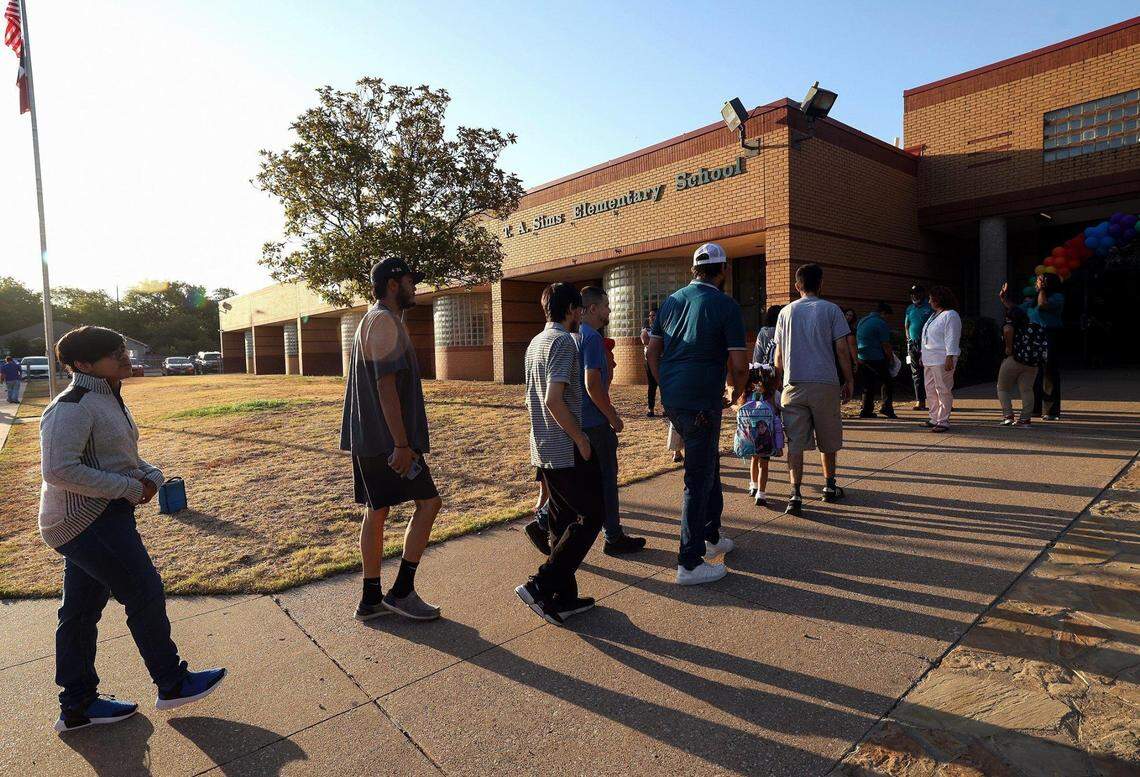
The Trump administration has taken significant steps to revise federal policies that support students learning English, raising concerns among education advocates. These changes include the rescission of long-standing guidance that required schools to accommodate non-English speakers. The move has sparked alarm as it may lead to reduced assistance for approximately 5 million schoolchildren who are not fluent in English, many of whom were born in the United States.

This decision is part of a broader strategy by the administration to limit multilingual services across federal agencies. It aligns with President Donald Trump’s March executive order declaring English as the country’s “official language.” This policy shift is occurring alongside other initiatives targeting immigrants through deportation campaigns and other policy changes.

The Justice Department has been actively involved in this effort, sending a memorandum to all federal agencies last month. The memo instructed them to follow the president's directive, including the removal of guidance related to English-language learners. Since March, the Education Department has also laid off nearly all workers in its Office of English Language Acquisition and requested Congress to terminate funding for the federal program that supports educating English-language learners.

Advocates have noticed that the guidance document related to English learning now carries a label indicating it was rescinded and is available online only for historical purposes. An Education Department spokeswoman stated that the 2015 guidance was rescinded because it "is not in line with Administration policy." However, the Justice Department has not provided further details on whether the guidance will be replaced.

For decades, the federal government has maintained that failing to provide resources for individuals not proficient in English constitutes discrimination based on national origin under Title VI of the Civil Rights Act. By rescinding the guidance, the Trump administration signals that it may stop enforcing this law under the current interpretation. The Education and Justice departments have historically been responsible for enforcing this law.

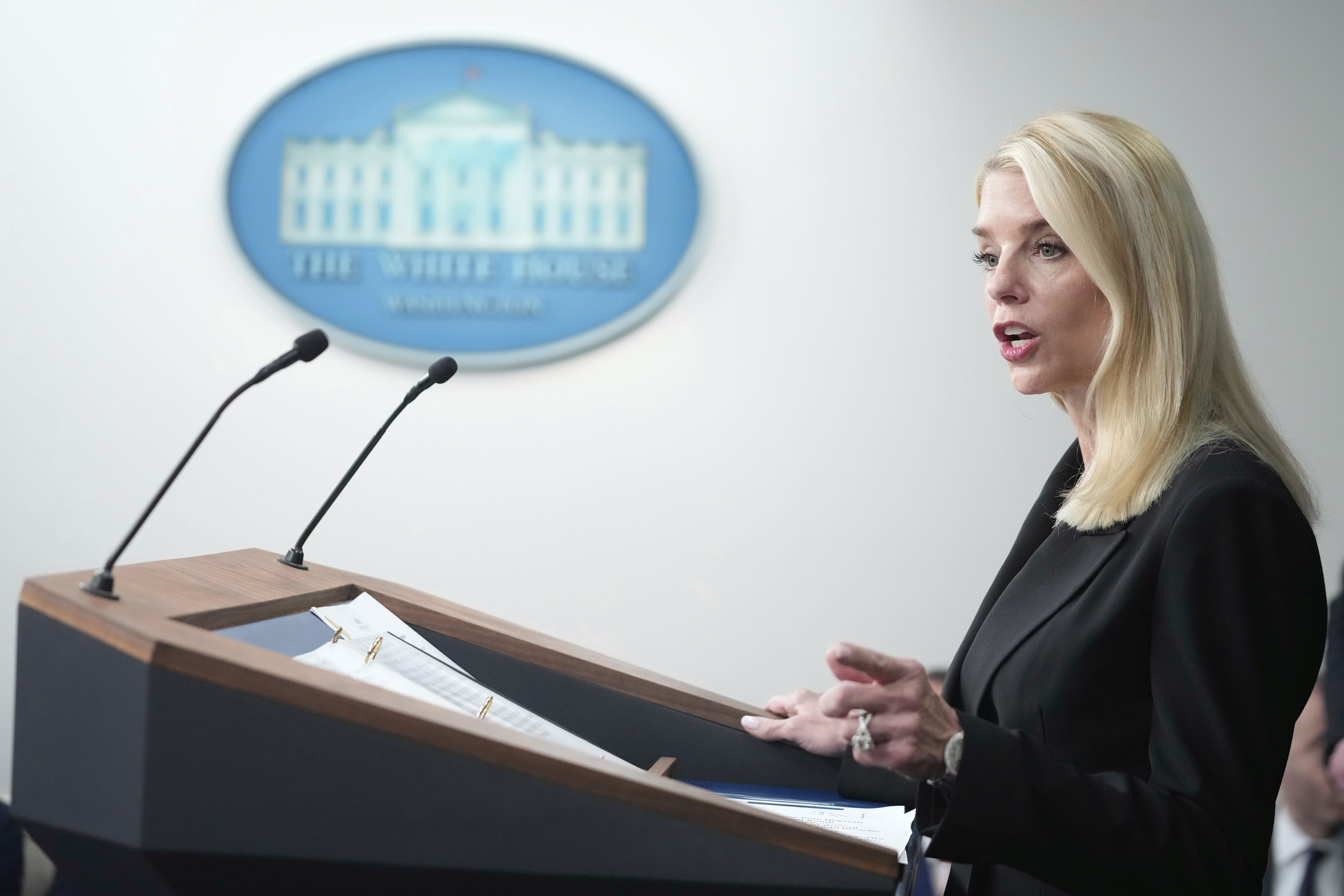
In the July memorandum, Attorney General Pam Bondi cited case law suggesting that treating people who are not proficient in English differently does not inherently amount to discrimination based on national origin. Other guidance related to language access for federal services is also being suspended, and the Justice Department plans to create new guidance by mid-January to "help agencies prioritize English while explaining precisely when and how multilingual assistance remains necessary."

The consequences for school districts remain unclear, but advocates worry that rescinding the 2015 guidance could result in weaker instruction for English learners and disrupt decades of federal direction to provide English-language services. Michael Pillera, an attorney with experience in the Education Department’s Office for Civil Rights, emphasized the significance of this change, stating that the Department of Education and Justice are walking away from 55 years of legal understanding and enforcement.

Without federal pressure to comply with the law, some school districts may drop services, especially those facing financial challenges. Leslie Villegas, an education policy analyst, noted that while many districts may not change their services, the rescission opens the door for potential shifts, particularly in districts with previous compliance issues or cases related to English-language instruction.

Recent actions by the Justice Department have included notifying at least three school districts — in Boston, Newark, and Worcester, Massachusetts — that they are no longer under government monitoring to ensure they offer services to English-language learners. While officials in Worcester anticipated this action, some parent advocates in Boston questioned the abrupt end of monitoring.

Supporters of immigration restrictions argue that reducing the pressure on schools to provide these services could be beneficial, especially considering the costs to districts. Ira Mehlman, a spokesman for the Federation for American Immigration Reform, suggested that diverting resources to unprepared students could diminish the quality of education for others.

Todd DuBois of U.S. English, a group advocating for English as the official language, emphasized the need for education to help bridge the gap for students who do not speak English, while expressing concern that multilingualism might hinder early English literacy.

The requirement to serve English-language learners in school is based on two federal statutes: Title VI of the Civil Rights Act and the 1974 Equal Educational Opportunities Act. A landmark 1974 Supreme Court case, Lau v. Nichols, interpreted these laws to include a mandate for English-language services in schools. A 1981 court case, Castañeda v. Pickard, established a test to determine whether schools properly provided services to English learners.

In 2015, the Justice and Education departments published a 40-page guidance document outlining how schools can comply with these laws and avoid investigations and penalties. Montserrat Garibay, who headed the Office of English Language Acquisition under the Biden administration, described the guidance as essential for ensuring students learn English.

In her memorandum, Bondi stated that federal agencies would focus on boosting English education and assimilation. Garibay criticized the administration for moving away from supporting English-language education, saying, "Instead of providing this office with more capacity and more resources to do exactly what the executive order says — to make sure that everybody speaks English — they are doing the total opposite."

Mark Krikorian, executive director of the Center for Immigration Studies, supported the idea of English-language education but argued that the federal government should not dictate how school districts offer services. He acknowledged the importance of teaching children English, stating, "If you’re going to let people in who don’t speak English, then you want them to be acquiring English as soon as possible."

Monday, August 4, 2025

Blackburn Targets Lobbying of Nation's Largest Teachers' Union

Blackburn Targets Lobbying of Nation's Largest Teachers' Union

Featured Image

Legislative Efforts Target the National Education Association

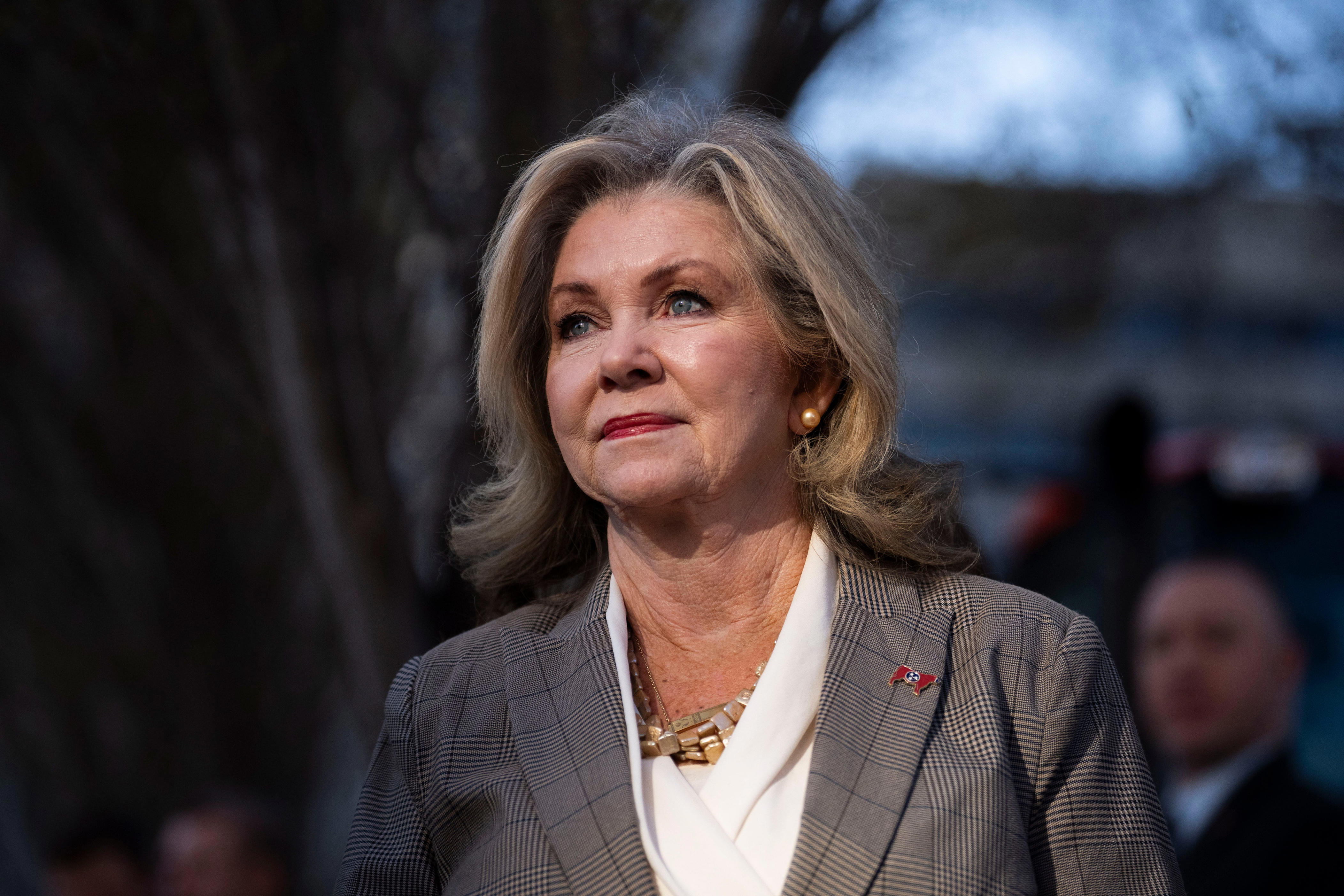
U.S. Senator Marsha Blackburn, a Republican from Tennessee, has intensified her efforts to curtail the influence of the National Education Association (NEA), the country’s oldest and largest teachers’ union. Following the introduction of legislation in July to revoke the NEA’s congressional charter, Blackburn has introduced another bill aimed at limiting the organization's ability to impact federal government decisions.

The new bill, titled the Terminating Education Association Congressional Handouts (TEACH) Act, seeks to prohibit the NEA from engaging in lobbying activities. Under this proposal, the union would be required to submit an annual certification to the Secretary of Education confirming that it is not involved in any lobbying efforts. This move comes amid significant changes in the American public education landscape, including legal disputes over federal funding for schools and a recent Supreme Court decision that allowed the Trump administration to lay off over 1,300 Department of Education employees.

Blackburn has criticized the NEA for shifting away from its original mission of supporting teachers and students, accusing the organization of promoting a far-left political agenda. She claims the NEA has become a radical-left activist group that spreads "woke gender ideology," antisemitism, and propaganda among students.

The History and Status of Congressionally Chartered Organizations

The NEA is one of approximately 90 congressionally chartered organizations in the United States, which also include groups like the American Red Cross, the Boy Scouts of America, and the American Legion. Established in 1906, the NEA is unique as the only labor union with such a charter. These organizations are typically granted a formal recognition by Congress, which allows them to fundraise more effectively but does not provide additional privileges beyond that.

The debate over whether these organizations should have the right to lobby has been ongoing. While most Title 36 corporations retain their rights as nonprofits, some have self-imposed restrictions on political activity. For example, AMVETS' charter explicitly prohibits the organization from supporting or contributing to political parties or candidates.

There have been past attempts to modify the charters of such organizations. In 2008, former Rep. James P. Moran (D-Virginia) introduced legislation to remove a ban on political activity from the Gold Star Wives organization, arguing that the restriction hindered the group’s advocacy for military families. However, the bill was never enacted.

Ongoing Controversy Over Congressional Charters

Congressional charters have long been a subject of debate, particularly regarding whether they imply governmental endorsement. In 1989, a House Judiciary Committee subcommittee imposed a freeze on granting new charters, though this moratorium was later lifted for certain organizations. The subcommittee also considered legislation that would have given the Attorney General broad powers to oversee and terminate chartered organizations, but the proposal was ultimately rejected due to concerns about restricting political activity.

The discussion around these charters continues, with some arguing that they allow organizations to maintain independence while others believe they grant undue influence. The NEA’s case highlights the broader tensions between the role of such organizations in public policy and the need for accountability.

Responses from the National Education Association

In response to Blackburn’s latest legislative efforts, the NEA has emphasized the importance of educators having a voice in advocating for better learning conditions and student welfare. A spokesperson for the NEA stated that politicians are attempting to silence educators and limit their ability to support students.

“We work to inspire our students and keep them safe,” the spokesperson said. “We deliver nutritious meals and ensure students have clean and healthy learning environments, and we partner with parents and families to empower students to reach their dreams.”

The NEA remains committed to representing educators and advocating for the needs of students and communities. Despite the challenges posed by recent legislative proposals, the union has pledged to continue its mission of supporting the educational system.

Additional Legislative Actions Against the NEA

Blackburn’s TEACH Act is not the first piece of legislation targeting the NEA this year. Earlier in the year, U.S. Rep. Scott Fitzgerald (R-Wisconsin) and Sen. Cynthia Lummis (R-Wyoming) introduced a bill that sought to restructure the NEA’s federal charter. This proposal included measures to prevent the union from calling for strikes, require all members to be U.S. citizens, and prohibit the union from promoting critical race theory concepts.

These legislative actions reflect a growing trend of scrutiny toward the NEA and other organizations with congressional charters. As debates over the role of such entities continue, the future of the NEA’s influence on education policy remains uncertain.

Parents Organize as State Takeover Threat Looms Over Fort Worth ISD

Parents Organize as State Takeover Threat Looms Over Fort Worth ISD

Featured Image

Parents in Fort Worth ISD Push Back Against Potential State Takeover

A group of parents within the Fort Worth Independent School District (FWISD) is actively working to resist a potential state takeover of the district. This move comes after Texas Education Commissioner Mike Morath notified FWISD officials in April that the district could be targeted for intervention due to one of its campuses receiving five consecutive failure ratings. The announcement regarding the district’s future may come as early as this month, raising concerns among many residents.

The issue stems from the Leadership Academy at Forest Oak Sixth Grade, which received a failing rating for the fifth straight year. This triggered a provision under a 2015 state law that requires the education commissioner to take action if a school receives five consecutive failure ratings. The options are either to close the campus or take over the entire district, replacing the elected school board with a state-appointed board of managers.

Despite the fact that the school was closed at the end of the 2022-23 academic year and its students were moved to Forest Oak Middle School, Morath has stated that this closure does not negate the requirement for state intervention. The district has appealed the school's latest F rating, and the appeals process is expected to conclude soon. Following that, Morath will decide on the next course of action.

Concerns About Disruption and Progress

Parents have expressed significant concerns about the potential disruption a state takeover could bring, especially as the district appears to be making progress academically. During an online meeting organized by the Fort Worth ISD Council of PTAs, several parents voiced worries that the district could face turmoil similar to what Houston ISD experienced following a state takeover two years ago. While Houston saw some improvements in test scores, it also faced challenges such as the loss of teachers and principals.

Although the PTA council hasn’t officially taken a stance on the takeover, many members have discussed plans to lobby local and state officials to oppose the move. They fear that a state takeover could damage the district and push more families toward charter schools or private institutions. Some believe the move could be part of a broader effort to privatize public education in Texas.

Bryan Upchurch, president of the PTA at Bruce Shulkey Elementary School, highlighted the importance of community relationships with school board members. He worries that these relationships could be disrupted if the current board is replaced with a state-appointed one. Upchurch also emphasized that a state takeover contradicts the principles of small government and local control in Texas.

Importance of Local Control in Education

Local control is crucial in education, according to Ken Kuhl, director of governance for the Tarrant County Education Coalition. He explained that while school board members aren’t necessarily experts in running a school system, they play a vital role in setting goals, directing funds, and holding leaders accountable. These roles require them to reflect the needs and priorities of their communities.

Kuhl pointed out that different districts have varying needs. For example, Fort Worth ISD has a large population of English language learners, requiring specific services. A state-appointed board, even if composed of district members, might not fully represent the community’s priorities.

Signs of Progress and Concerns About the Future

Despite ongoing challenges, there are signs of improvement in FWISD. The percentage of third-graders scoring on grade level in reading increased by 8 points, from 33% last year to 41% this year. This growth, though still below the state average, indicates that Superintendent Karen Molinar’s strategies are having a positive impact.

Taylor Duncan, a mother of three students in the district, described the possibility of a state takeover as “another blow to public education.” She noted that recent STAAR scores show the district is moving in the right direction and worries that a takeover would disrupt this progress. Duncan also fears that a state-appointed board would lack accountability, making it harder for parents to influence decisions affecting their children.

She is concerned that many families might choose to send their children elsewhere, eroding confidence in traditional public schools. This could leave fewer advocates for students remaining in the district, worsening the situation for those who stay.

Ed Commissioner to Announce Decision Later This Year

At a recent State Board of Education meeting, Morath indicated he had not yet decided on the next steps for FWISD. He mentioned that he expects to announce his decision later this year. While the closure of Forest Oak Sixth Grade doesn’t affect the state’s decision-making process, Morath acknowledged that the district faces other challenges, including several underperforming schools. He also noted that the district has a new superintendent, suggesting that further evaluation is needed before any final decision is made.

Saturday, August 2, 2025

Last Day for Education Workers: Their Final Actions

Last Day for Education Workers: Their Final Actions

Featured Image

The Impact of Staff Reductions on the U.S. Department of Education

The U.S. Department of Education has undergone significant changes, with hundreds of civil servants leaving their positions in recent months. Many of these employees have not been able to work since March, when they were placed on leave and later laid off. These workers performed a wide range of essential roles, from protecting students' civil rights to assisting borrowers with complex federal student loan systems.

Approximately 1,400 department workers are being let go as part of a broad reduction in force (RIF) that began on March 11. This decision came shortly after President Trump signed an executive order aimed at dismantling the Education Department, claiming that education should be returned to the states. He also stated that many department employees "don't work at all" and that the goal was to cut those who aren't working or aren't performing well.

Linda McMahon, the Education Secretary at the time, described the mass firing as a step toward restoring the greatness of the U.S. education system. In total, including those who chose to leave voluntarily, the department will now employ roughly half the staff it had when Trump took office. However, the department did not respond to multiple requests for confirmation on the exact number of employees leaving and remaining.

Several former employees shared their experiences with NPR, highlighting the importance of their work and the impact of the layoffs.

David Downey: A Career in Grants Management

David Downey, who worked in the Office of Grants Management for 30 years, explained that the department sends billions of dollars to states to support public education. His role was to help state and local officials understand how to apply for this funding and ensure that taxpayer dollars are used properly.

Downey served under both Democratic and Republican administrations, including eight years under President George W. Bush, where he helped faith-based groups navigate the funding process. He was asked to review department policies related to diversity, equity, and inclusion (DEI), which the Trump administration deemed illegal. Downey disagreed with efforts to roll back civil rights protections for students of color and children with disabilities, calling it an affront to the Civil Rights Act of 1964.

He described the RIF as unprofessional and frustrating, noting that colleagues were unable to communicate about upcoming meetings. He believes the cuts create a self-fulfilling prophecy, reinforcing the belief that government is inefficient and failing students and educators.

Jason Cottrell: Data Collection and Analysis

Jason Cottrell, who worked in the Office of Postsecondary Education for 9.5 years, emphasized the importance of data collection and analysis in ensuring that taxpayer dollars are spent responsibly. He argued that cutting staff would harm these efforts, making it difficult to track whether programs are helping children.

Cottrell is a member of AFGE Local 252, a union of Education Department employees. He described the atmosphere leading up to the RIF as tense, with many feeling traumatized by the uncertainty. Despite this, congressional Republicans recently passed a massive tax and spending bill that includes new work for the Education Department, such as a system to punish colleges whose degrees don’t benefit students.

Cottrell worries that the department won’t be able to handle this new workload with its reduced staff. He emphasized the importance of his work in ensuring high-quality data collection and said that without the right staff, the new law may not be implemented effectively.

Emily Merolli: Legal Protections for Students with Disabilities

Emily Merolli, who worked in the Office of the General Counsel for 12 years, was responsible for developing education-related legislation, including amendments to the Individuals with Disabilities Education Act (IDEA). She highlighted the importance of the department’s role in ensuring that students with disabilities receive a free and appropriate public education.

After being laid off in March, Merolli expressed concern that the lack of enforcement capabilities would leave students vulnerable. She criticized the administration's argument that cutting the department would empower states, arguing that the department ensures baseline educational standards are met regardless of location or financial situation.

Sheria Smith and Brittany Coleman: Civil Rights Enforcement

Sheria Smith and Brittany Coleman, who worked in the Office for Civil Rights, were responsible for investigating complaints of unfair treatment based on race, sex, or disability. They emphasized the importance of their work in helping families and students who may not have access to legal representation.

Smith, who is also president of AFGE Local 252, noted that the remaining staff now face overwhelming caseloads, making it difficult to address complaints effectively. She criticized the administration's shift in priorities, which included targeting schools with diversity, equity, and inclusion (DEI) programs or allowing students to use facilities based on gender identity.

Rachel Gittleman: Student Loan Assistance

Rachel Gittleman, who worked in the Student Loan Ombudsman's Office since 2023, helped borrowers navigate serious loan problems. She described her job as one of the most meaningful aspects of her life, providing assistance to veterans, borrowers in bankruptcy, and those in default.

After the March layoff, she lost access to external email and was unable to transition open cases. She expressed doubt that a significantly reduced student aid office could handle the scale of change outlined in the new legislation, emphasizing that the department’s “plumbing” had been removed.

Despite the challenges, many of these employees remain committed to public service, believing in the importance of their work and the impact it has on students and families across the country.

Notification
This is just an example, you can fill it later with your own note.
Done