Afghan Girls Build Robots at Home After Education Ban
A Group of Resilient Women Defying Barriers in Afghanistan
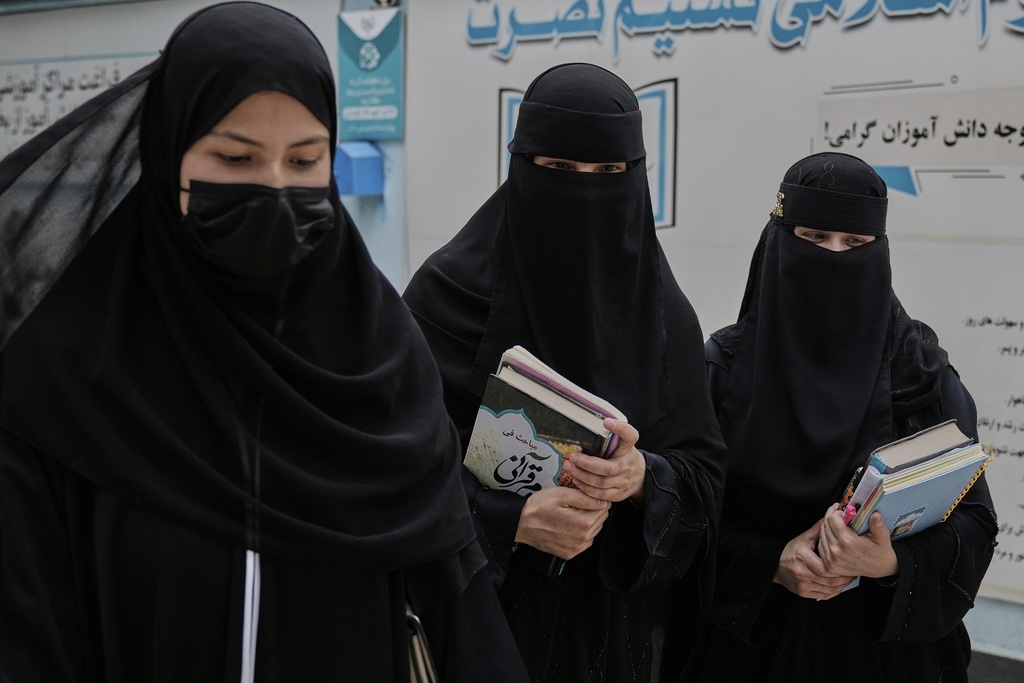
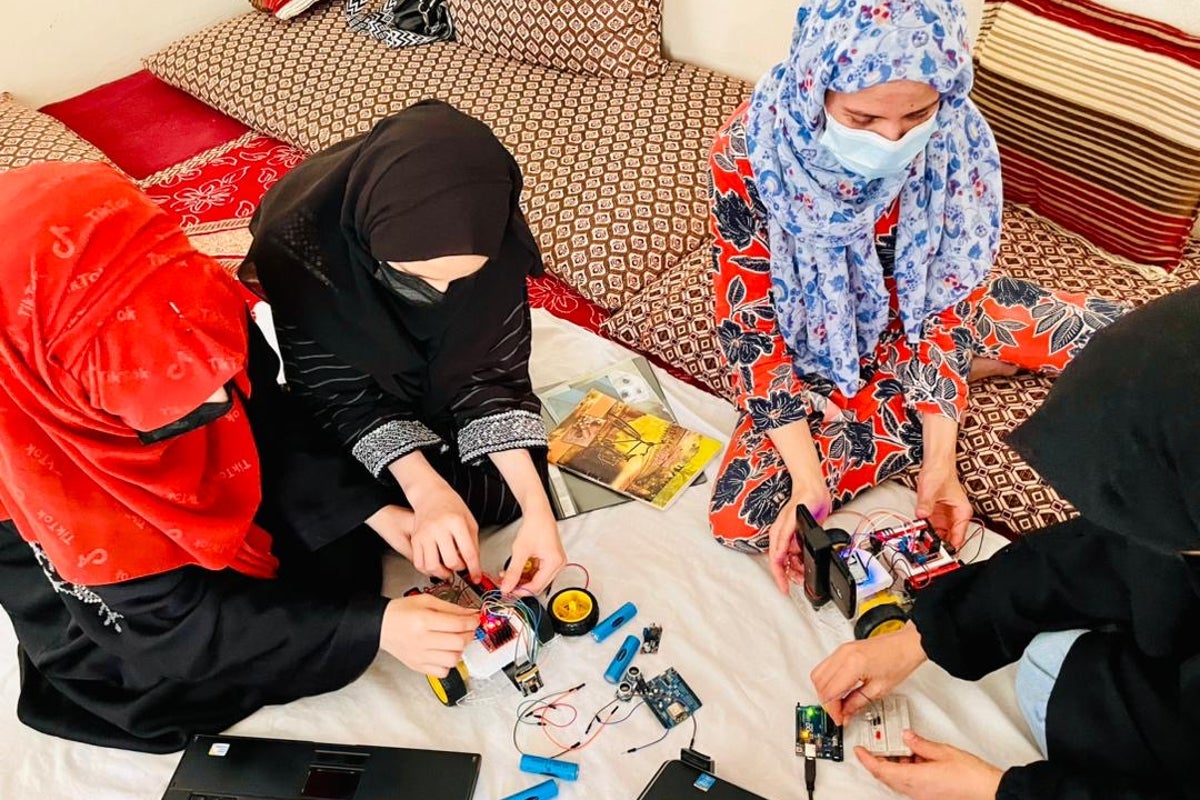
In the midst of the scorching heat of Kabul, a group of young women who have been denied access to higher education for the past three years come together in one of their homes to work on an ambitious project. They call themselves “Voices of Hope,” and they are former computer science students determined not to let their dreams be extinguished by the Taliban's sweeping ban on female education.
Despite the restrictions imposed by the Taliban, these women have found ways to continue their learning using the internet and artificial intelligence. In a country where even walking in a park is no longer an option, they have created a community of learners behind closed doors, striving to keep their passion for knowledge alive.
Their education was abruptly halted in December 2022 when the Taliban issued a ban that forced them to abandon their studies. At the time, they were all in their second semester of computer science at a private Afghan university. Initially, they held onto hope that public outrage and international pressure might lead to a reversal of the decision. However, the Taliban responded with even harsher decrees, further restricting women's rights and making their lives increasingly difficult.
Asrar Parsa, the 25-year-old leader of Voices of Hope, shared how the university ban caused a wave of despair. But she and 20 of her classmates decided to persevere, turning to online educational resources to continue studying from home. Since then, the group has taken on various projects aimed at learning, growing, and keeping their dreams alive.
Among their achievements are the construction of two robots, which cost about 30,000 Afghanis (roughly $430 or £330) to build, funded entirely by the group members. Under Taliban rule, women are not allowed to leave their homes without a male guardian. The team has one male member: Asrar’s 28-year-old brother, Navid Parsa, a computer science graduate who acts as their link to the outside world. He runs errands for the group and brings in supplies from the city.
The group started with 20 members, but over time, 14 dropped out due to economic hardship and a growing sense of hopelessness. Asrar explains that while their goal was to keep the light of hope alive, many became disheartened and gave up. However, some remained committed to their cause.
Hadiya Ahmadi, a 19-year-old member, shared how she suffered from depression and anxiety after universities shut down. But working on small projects and learning AI with the support of the group helped her feel better. Over the past two years, the team has used what they learned in their first year of university, supplemented with online tutorials.
They have built two robots and several other devices. One robot can recognize 20 different objects, including humans, and is controlled remotely. The team tested its movement on a kitchen table. Powered via radio frequency and Bluetooth, it can be operated through four different apps. Asrar believes that if developed further, it could be used in search and rescue operations after earthquakes or explosions.
The team is also working on building a drone. If successful, they hope it could be used for tasks like collecting rubbish, delivering emergency medicine, or transporting small items across Kabul.
For Asrar, Hadiya, and the rest of the group, tinkering with wires and batteries and listening to online lessons is more than just robotics or AI. It is a way to cope with the mental and emotional toll of their isolation. These sessions offer a form of escape from the pain and grief brought about by their current situation.
Asrar says these gatherings are a way to escape "the pain and grief brought about by their current situation." The meetings offer hope, she explains: "When we’re together, it feels like not everything is lost. We still have the power to learn and grow."
Hadiya adds that meeting the group two to three times a week has had a positive impact on her mental wellbeing. They study AI, build robots, and talk about their hopes for the future. She says she feels better now than she did when her university first closed down: "Seeing the results of our work makes us happy. It makes us feel that our education isn’t over yet and we can still try to reach our goals."
They draw inspiration from another Afghan robotics team known as the "Afghan Dreamers," which was founded in 2017 and gained widespread attention both at home and abroad. Focused on technology, engineering, and robotics, the team became a symbol of talent and hope in the face of social and political restrictions. After the Taliban returned to power and banned education and employment for women and girls, team members left the country and now continue their work in exile.
For Voices of Hope, the Afghan Dreamers serve as an inspiration. But unlike them, Asrar’s team has not yet received any support from external organizations. Despite all the obstacles, they hope to one day showcase their work in international exhibitions and find opportunities to keep chasing their dreams.
The Taliban have strictly enforced their ban on education for girls over the age of 12, claiming that they are adhering to "Sharia law." These decrees, especially those denying women access to education and jobs, have drawn widespread international condemnation. But Taliban leader Mullah Hibatullah Akhundzada has dismissed international pressure as "pointless." Over the past four years, Mullah Hibatullah has repeatedly emphasized the importance of "education within the framework of sharia and Islamic principles." However, not once has he addressed the topic of education or employment for women and girls in Afghanistan.