Articles of Education: public education
News Update
Loading...
Showing posts with label public education. Show all posts

Sunday, August 24, 2025

Are "COVID Kindergartners" School-Ready?

Are "COVID Kindergartners" School-Ready?

Featured Image

The First Day of School for a Generation

Last Wednesday marked a significant milestone for the Sussman and Frankel family. It was the first day of school at California Creative Academy, a charter school in Los Angeles, where 5-year-old Eli began his kindergarten journey. Mollie Sussman, Eli’s mother, admitted that the day was filled with anxiety. “We were super freaked out,” she shared, referring to herself and her husband, Brad Frankel. “We were really scared, and [Eli] was pretty scared” leading up to the event.

Mollie’s concerns centered around Eli, an only child, potentially feeling overwhelmed by the transition from a small preschool to a new elementary school that includes students up to the eighth grade. She worried about him crying, having a meltdown, or struggling with the structured environment of a kindergarten day without naps. However, after participating in a class activity where they traced each other’s hand outlines, the family left the classroom with no issues. “He was ready when we left. He did really well and he was super brave,” Mollie said, adding that the only one in their family who cried that day was her husband.

Mollie and Brad are not alone in their concerns. Eli is part of a growing group of children born in 2020 during the height of the COVID-19 pandemic, now entering elementary schools across the country. These children grew up in a world filled with masked adults and frequent use of hand sanitizer. Many spent their early years in isolation or limited social interactions, raising questions about the long-term effects on their development.

Research highlights the lasting impact of early childhood experiences on development and growth, as noted in a 2023 study published in the Journal of the American Medical Association Pediatrics (JAMA Pediatrics). While positive experiences can enhance cognitive abilities and academic performance, early life challenges can lead to deficits in managing stress and self-esteem. This has led to heightened awareness among parents, experts, and educators regarding how pandemic-related hardships might affect this generation.

Dani Dumitriu, a pediatrician and neuroscientist at Columbia University, explained that being in utero during a highly stressful time had some developmental effects on infants. “They weren’t large effects but that was a very worrisome sign given that so many women gave birth during that period.” Dumitriu’s research, published in 2022, found that 6-month-old infants born during the early months of the pandemic had slightly lower scores on motor and social skills compared to those born before the pandemic. However, as the study expanded, it became clear that these children quickly caught up.

“Child development is incredibly malleable,” Dumitriu emphasized. “What happens at 6 months is not predictive of what happens at 24 months or 5 years.”

Eli's Journey and Speech Delays

Eli’s experience aligns with findings from a 2023 study published in Epic Research, which showed that children who turned 2 between October and December 2021 were about 32% more likely to have speech delays than those who turned 2 in 2018. The rate increased dramatically to nearly 88% for children who turned 2 between January and March 2023. Overall, speech delay diagnoses rose from an average of 9% in 2018 to nearly 17% in the first quarter of 2023.

Mollie noticed that Eli wasn’t speaking at the expected level and sought help through speech therapy. “The speech therapist said that they had seen an increase in the number of kids coming to speech therapy. Likely because of the lack of exposure to mouths and facial expressions, which is a big part of how you learn to talk,” she explained. By the time Eli turned 3, he was much more verbal and in a great place.

Pandemic Behaviors and Kindergarten Readiness

Other effects of the pandemic, such as increased screen time and parental stress, have contributed to lingering challenges for kindergartners. According to a study published in the journal Nature, children spent more time on screens during lockdowns, which can make them less prepared for school. Michelle Yang, a resident physician with Children’s Hospital of Orange County, highlighted the dangers of excessive screen time for children aged 2 to 5, noting increased behavioral problems, poor vocabulary, and delayed milestones.

School attendance and preschool enrollment levels have also declined since the pandemic. A recent study by the U.S. Department of Education found that chronic absenteeism averaged 28% across the country during the 2022-2023 school year. These changes in behavior and habits are reflected in test scores, with many kindergarten students arriving behind their pre-pandemic peers.

Kristen Huff, head of measurement at Curriculum Associates, noted that the percentage of 5-year-olds arriving kindergarten-ready in reading has declined by 8 points since 2019. Similar declines are seen in math, with disparities based on race and income. Despite these challenges, Huff emphasized that students are making strides and that the right resources can help bridge the gap.

“We know what works,” Huff said. “When the right support is in place, even schools in low-income communities can buck the trend.”

Test or not test? The kindergarten dilemma

Test or not test? The kindergarten dilemma

Featured Image

A New Approach to Kindergarten Education

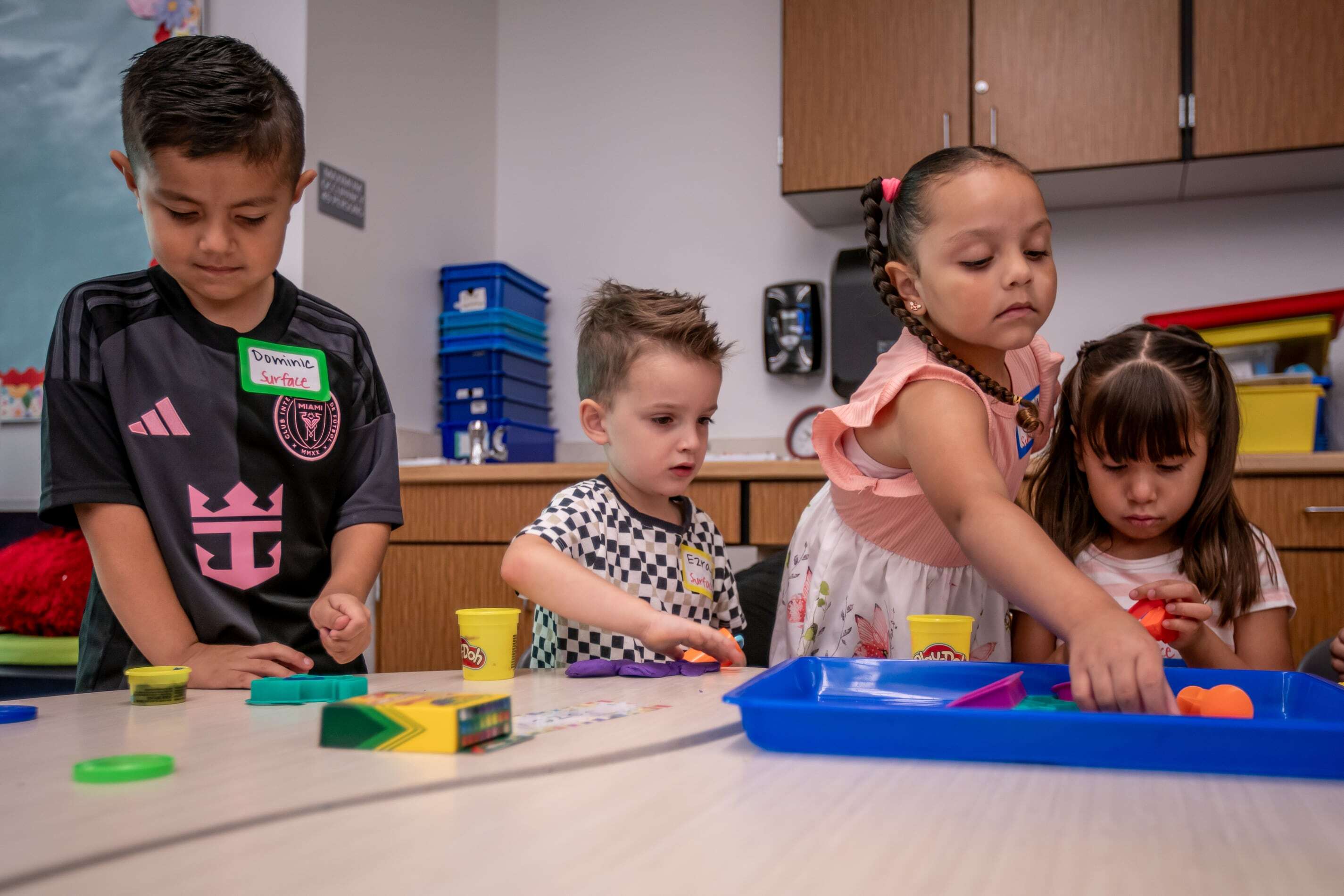
Several weeks before the official start of the coming school year, 18 kindergartners-to-be arrived at Maria Surface’s classroom at Beaverton’s Vose Elementary School wearing big-kid backpacks. This was more than just a trial run—it was an opportunity for these young students to begin learning the rules that would shape their next 13 years of education. From raising hands to asking questions, to properly using a gluestick and turning pages gently, the children were being introduced to the expectations of school life.

What they didn’t realize, however, was that the teacher was also learning about them. The experience highlighted a broader conversation in Oregon about how the state's youngest public school students should be assessed. This debate has significant implications for education policy, particularly regarding the balance between testing and developmentally appropriate practices.

The Debate Over Testing in Kindergarten

This year, Governor Tina Kotek issued a rare veto on Senate Bill 302, which aimed to require the Oregon Department of Education to audit assessments given to kindergartners across the state. The bill, sponsored by state Senator Lew Frederick, was supported largely along party lines but faced objections from some legislators, including House Speaker Julie Fahey and Senator Janeen Sollman.

If passed, the bill would have mandated a report on the types of assessments used in kindergarten classrooms. Unlike older students, who are subject to statewide standardized tests, kindergartners in Oregon do not face such exams. Instead, individual school districts design their own methods for evaluating student progress. Some, like Portland Public Schools, use the MAP test to gauge reading levels, while others, such as Beaverton, employ tools like Star Early Literacy to check progress three times a year.

The Push for Play-Based Learning

The bill was backed by the Oregon Public Education Network (OPEN), a group advocating for play-based learning in early childhood education. OPEN argues that standardized testing can negatively impact instruction time, curriculum choices, and the social-emotional well-being of young students. They also raise concerns about the costs associated with testing companies.

The push for a more flexible, play-based approach has been growing in recent years. Oregon had previously stopped requiring one-on-one assessments for incoming kindergartners in 2020, moving away from a system that tested basic skills like letter recognition and counting. Now, many districts assess students throughout the year using a mix of teacher observations, formal online assessments, and developmental checklists.

Balancing Accountability and Development

Governor Kotek, who has focused on improving academic outcomes, especially in early reading and writing, emphasized the need for baseline data from standardized tests for third through eighth graders. However, she vetoed the kindergarten testing audit bill, citing administrative costs and concerns over the shift toward play-based education.

At Vose Elementary, teacher Maria Surface uses her own methods to track student progress. She observes how students interact during play, follow instructions, and engage with learning materials. For example, during a read-aloud session of “The Very Hungry Caterpillar,” a student named Ezra noticed that the teacher missed a key item on the list, showcasing his attention to detail.

Surface also notes how students handle tasks like painting their names or playing with toys. These observations help her understand each child’s strengths and areas for growth. While she appreciates the district’s formal assessments, she believes that a system that supports both play and structured learning would be ideal.

The Role of Family Conversations

In addition to classroom assessments, some schools are exploring alternative approaches, such as “family conversations.” These informal meetings between teachers and families aim to provide insight into a child’s personality and background. Although not yet mandatory, this approach reflects a growing emphasis on understanding each student’s unique needs.

Principal Monique Singleton at Vose Elementary supports this philosophy, emphasizing the importance of empowering teachers rather than imposing mandates without adequate funding. She believes that combining district-mandated assessments with classroom observations allows for a more comprehensive view of student progress.

A Focus on Growth and Resilience

As the summer dress rehearsal came to an end, Surface gathered her students for a final reminder of the rules of school. She asked if it was okay to make mistakes and whether it was acceptable to say, “I’m not sure.” The children responded with a chorus of “yeses,” reinforcing the idea that trying again is part of the learning process.

Through her careful observations and thoughtful guidance, Surface is helping her students build the skills and confidence they will need for the school year ahead. Her approach reflects a broader movement in education—one that values both accountability and the developmental needs of young learners.

Philly's School Year Kicks Off with SEPTA Cuts and PFT Deadline Pressure

Philly's School Year Kicks Off with SEPTA Cuts and PFT Deadline Pressure

Featured Image

A New School Year Amid Uncertainty

As the first day of school approaches, teachers and students across Philadelphia are facing a mix of excitement and anxiety. For Nicole Wyglendowski, a special-education teacher at Steel Elementary in Nicetown, the start of the school year feels more ominous than usual. She is worried about whether her supplies are ready, if she has connected with all the parents, and most importantly, if she is prepared for a new group of students.

Wyglendowski’s concerns are shared by many educators in the Philadelphia School District, which serves over 117,000 students. The district is grappling with multiple challenges that threaten to disrupt the academic year. One of the biggest issues is the ongoing funding crisis affecting SEPTA, the transit system that transports more than 50,000 students and thousands of employees to school and work each day.

SEPTA Cuts and Their Impact

The budget standoff in Harrisburg has led to significant cuts in SEPTA service, set to take effect just as students return to class. These changes will have an immediate impact on students who rely on public transportation to get to school. For some, this means longer commutes and potential delays, which could affect their ability to attend classes on time.

Superintendent Tony B. Watlington emphasized the importance of every minute of instruction, noting that the SEPTA cuts could hinder the district’s efforts to accelerate academic improvement. “We need every day, every hour, and every minute of instruction,” he said during a recent meeting with the school board.

Real-Life Challenges for Students

Three local students are already feeling the effects of these changes. Journey Singleton, a freshman at the Arts Academy at Benjamin Rush, is struggling with a drastically altered commute. What was once a one-hour bus ride has now become a 90-minute journey involving two trains and a walk. Even the best-case scenario results in her arriving just two minutes late for first period.

Geneya Singleton, Journey’s mother, is considering selling their West Philadelphia home to move closer to the school. While this would reduce the commute to about 20 minutes, it will take time to complete the process, leaving Journey with a long commute for at least two months.

Sophia Kilbride, a senior at Rush Arts, is also affected by the SEPTA cuts. Her daily commute involves taking the 66 bus and then transferring to the 84, both of which are being impacted. She worries about increased crowding and less frequent service, which could make it harder for her and her peers to get to school on time.

Christine Savard, whose son Lincoln will be starting ninth grade at the Philadelphia High School for Creative and Performing Arts, is facing another challenge. The 27 bus route, which she relied on, will be shortened, making Lincoln’s commute significantly longer. This change adds another layer of difficulty for Lincoln as he transitions to high school.

Struggles Beyond Transportation

The challenges extend beyond transportation. The contract for 14,000 teachers, counselors, nurses, secretaries, and paraprofessionals expires on August 31, and negotiations are moving slowly. The Philadelphia Federation of Teachers has authorized a strike, and preparations for a possible work stoppage are underway.

Additionally, the district’s facilities planning process may lead to school closures and forced building colocations. Announcements are expected this fall, with a final decision scheduled for the end of the year. These changes could further complicate the lives of students and families.

The Long-Term Consequences

For vulnerable students, the impact of these disruptions could be even more severe. At Steel Elementary, many students face housing insecurity and rely on SEPTA to get to school. Wyglendowski notes that while the district prioritizes attendance, the SEPTA cuts could lead to learning loss. “We can excuse them, but we can’t get that hour of learning back,” she said.

As the school year begins, the challenges facing students, teachers, and families are clear. From transportation issues to potential strikes and facility changes, the road ahead is uncertain. However, many are determined to find solutions and support their communities through these difficult times.

Saturday, August 23, 2025

State Uncovers Systemic Issues in Soda Springs Special Education

State Uncovers Systemic Issues in Soda Springs Special Education

Featured Image

Systemic Issues in Special Education Programs Highlighted in New Report

A recent investigation by the Idaho Department of Education has uncovered serious systemic problems within the special education programs of the Soda Springs Joint School District. The findings reveal that the district is not meeting the necessary standards to support students with disabilities, raising concerns about the quality of services provided and the overall structure of the program.

The investigation was initiated in April following four separate complaints from parents and students. After a thorough review, the department released a report last month that confirmed three major allegations against the district. These findings have prompted the district to implement a corrective action plan aimed at addressing these issues and ensuring compliance with federal regulations.

Key Findings from the Investigation

One of the primary issues identified was the lack of proper qualifications among classroom personnel, related service providers, and paraprofessionals. Many staff members were found to be providing services without the necessary credentials, which directly impacts the quality of support students receive.

Another significant concern was the failure to provide special education services in accordance with individualized education programs (IEPs). The report noted that many IEPs were not in effect as required, and service providers were not adequately informed of their responsibilities regarding specific accommodations and modifications.

Additionally, there was a widespread lack of documentation in student files, which made it difficult to track progress and ensure that services were being delivered as outlined in each student’s IEP. This issue was attributed to insufficient staffing, limited training for paraprofessionals, and an overwhelming number of students requiring support.

Challenges at Each School Level

The investigation examined the situation at all three schools within the district—elementary, middle, and high school—and found consistent challenges across all levels.

At the elementary school, some students’ special education programs did not align with their eligibility reports, and several files lacked required progress reports. There was also a general absence of documentation, which was linked to staffing shortages and inadequate time for training.

The learning lab, designed to support students with IEPs, faced a shortage of paraprofessionals. Lesson plans were often created but rarely delivered to students, and the high turnover rate among staff further complicated the situation.

At the middle school, similar issues were observed. The resource room was managed by an interim teacher who had limited experience and no mentorship. Paraprofessionals in the room received minimal training, and the classroom size was often too large for effective instruction.

The high school also struggled with understaffing and a lack of curriculum resources. Special education teachers were forced to create lesson plans from scratch, leading to inconsistencies in instruction. Additionally, students without formal IEPs sometimes used the resource room for testing purposes, further straining the system.

Corrective Action Plan

In response to the findings, the district must now follow a comprehensive corrective action plan to return to compliance with the Individuals with Disabilities Education Act (IDEA). This includes forming a team consisting of key district officials and working closely with an Idaho Special Education Support and Technical Assistance coordinator.

The team is required to develop and submit an action plan by August 22, with monthly check-ins throughout the 2025-26 school year. The district must also finalize a staffing plan by August 1 to ensure the recruitment and retention of qualified special education personnel.

Training outlines, protocols, and a letter of assurance from the school board chair are also required by September 1. The district will need to document its hiring efforts on a monthly basis until the corrective action plan is fully implemented.

Once the Idaho Department of Education receives the necessary documentation and confirms that the district has met all requirements, the case will be formally closed.

Ongoing Concerns and Future Implications

The findings from this investigation highlight the urgent need for systemic improvements in the district’s special education programs. While the current staff is doing their best with limited resources, the lack of support, mentorship, and training continues to hinder their ability to meet the needs of students with disabilities.

As special education becomes a central topic in upcoming legislative discussions, the district’s challenges underscore the broader funding and resource gaps that many schools across the state face. Addressing these issues will require sustained effort, investment, and collaboration between educators, administrators, and policymakers.

Thursday, August 21, 2025

Over 1,000 SC Voucher Recipients Wrongly Enrolled in Public Schools

Over 1,000 SC Voucher Recipients Wrongly Enrolled in Public Schools

Featured Image

Overview of South Carolina's School Voucher Program

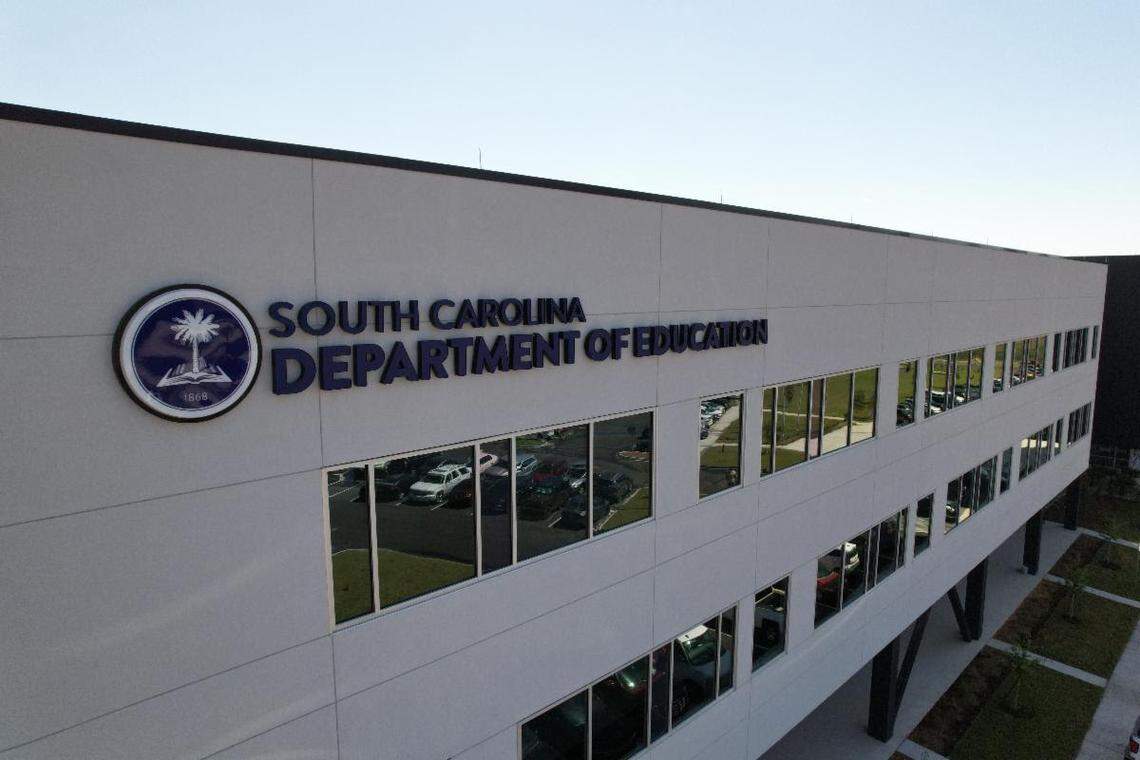
South Carolina's school voucher program, launched to support low- and middle-income families with K-12 children attending private or out-of-district public schools, has faced significant challenges in its first year. Data from the S.C. Department of Education reveals that over a third of the nearly 3,000 students who received taxpayer-funded vouchers last year either withdrew or were removed due to eligibility concerns. This highlights the complexities and missteps in implementing such a large-scale initiative.

Eligibility and Enrollment Verification Issues

To qualify for a voucher, students could not be enrolled full-time in their local district. However, the department suspended the accounts of 1,229 voucher recipients after they were flagged during enrollment checks. These checks aimed to confirm that participants had left their zoned school districts. About one in five of these suspended accounts were reinstated after further review confirmed their eligibility, while the remaining 1,005 participants, who had already received at least one $1,500 scholarship payment, left the program.

All of the recipients removed due to enrollment verification had been enrolled at their zoned public schools, according to a statement from the education department. The department recovered unused funds from these accounts but did not attempt to recover money already spent. The law does not provide a mechanism for recouping funds, as explained by a department spokesman.

Financial Disbursement and Expenditure Patterns

The program disbursed over $1.5 million in scholarships, with more than half of the $3.1 million used by recipients during the first five-and-a-half months spent at major retailers like Best Buy, Staples, and Office Depot. These purchases primarily included computers and technological devices, as well as instructional materials. Another $982,000 was spent at private schools, with more than a third of these institutions espousing anti-LGBTQ beliefs. Additional funds were allocated for tutoring and public school expenses.

Despite clear guidelines, many participants were unaware that enrollment in their resident district was prohibited. State officials discovered this issue when conducting their first student count on the 45th day of the school year. This led to the suspension of numerous voucher recipients, some of whom may have never left their public schools or returned after a court ruling deemed private school tuition payments unconstitutional.

Criticisms and Recommendations

Critics, including Patrick Kelly, a lobbyist for the Palmetto State Teachers Association, noted that problems are expected in the first year of any large program. The Education Oversight Committee (EOC) report highlighted confusion among participants regarding enrollment requirements and other eligibility criteria. Some respondents indicated they had not attended a South Carolina public school the previous year, which is a requirement for all students except those entering kindergarten.

The EOC recommended improved communication and pre-verification of eligibility before releasing scholarship funds. However, current laws require the release of first-quarter payments in July, making it challenging to ensure compliance before disbursement. Deputy Superintendent Laura Bayne stated that the department would continue to comply with the law regarding funding distribution and eligibility verification.

Legislative Changes and Future Outlook

Changes to the voucher law, enacted this year, aim to simplify eligibility verification. Recipients are no longer required to enroll outside their local public school districts, only outside their zoned schools, and prior public school attendance is no longer mandatory. These adjustments should ease the burden on state education officials.

As of late June, all 10,000 voucher slots for the 2025-2026 school year were filled. Families making no more than 300% of the federal poverty level, or $96,450 for a family of four, are now eligible for $7,500 scholarships. The funds can cover a range of educational expenses, including tuition, transportation, uniforms, tutoring, and technology.

With ongoing improvements and legislative updates, the future of South Carolina’s school voucher program remains a topic of interest and debate, reflecting broader discussions about educational equity and policy implementation.

Smallest Gender Gap Since 2000, But Resit Rates Rise

Smallest Gender Gap Since 2000, But Resit Rates Rise

Featured Image

The GCSE Gender Gap Reaches a Historic Low

The gender gap in GCSE results has reached its narrowest point since the year 2000, with boys gradually closing the lead that girls have historically held. This trend is reflected in the latest 2025 exam figures, which highlight both progress and ongoing challenges in the education system.

One of the most notable trends this year is the record number of resits in English and maths. Nearly a quarter of all entries are resits, marking an all-time high. While demographic changes contribute to this increase, a significant portion of these resits comes from students who were affected by the return to pre-pandemic grading standards after years of teacher-assessed grades during the pandemic.

Education leaders have criticized the current resit policy, calling it “not fit for purpose” and urging the government to implement meaningful reforms. They argue that the existing system is demotivating and ineffective, particularly for students who struggle to achieve the required grades.

Key Figures from the 2025 GCSE Results

This year, more than a fifth (21.9%) of UK GCSE entries were awarded top grades—defined as at least a grade 7 or an A. This represents a slight increase from last year’s 21.8%. However, the proportion of entries achieving at least a 4 or C grade—a standard pass—has dropped slightly from 67.6% in 2024 to 67.4% this year. Despite this decline, it remains higher than the 67.3% recorded in 2019.

The gender gap between boys and girls has also narrowed significantly. Girls outperformed boys at the top grades, with 24.5% of their entries earning at least a grade 7/A compared to 19.4% of boys’ entries. This marks a 5.1 percentage point difference, which is the smallest gap observed this century. Last year, the gap was slightly larger at 5.7 percentage points.

Regional Attainment Gaps Persist

While the overall gender gap has narrowed, regional disparities remain. London continues to lead with the highest proportion of entries receiving top grades at 28.4%, down slightly from 28.5% in 2024. In contrast, the North East of England had the lowest rate at 17.8%, unchanged from the previous year.

The gap between London and the North East has shrunk over the past three years, decreasing from 10.8 percentage points in 2023 to 10.6 this year. However, it is still wider than it was before the pandemic, when the gap stood at 9.3 percentage points.

London and the southeast of England saw the largest drops in the standard pass rate (grade 4 or above) this year. In London, 71.6% of entries achieved this level, down from 72.5% in 2024. Similarly, the southeast saw a drop from 70.4% to 70.0%.

The Resit Crisis

The surge in resits has raised concerns among educators. There has been a 14% increase in the number of pupils taking resits in English and maths, bringing the total to 400,000 post-16 entries. This accounts for 22.9% of all maths and English GCSE entries, a record high.

Jill Duffy, chief executive of OCR exam board, described the situation as a “resit crisis.” She noted that less than a fifth of resitting students managed to achieve the grade 4 needed to escape the resit cycle. This highlights the need for fundamental reform in secondary education, particularly in Key Stage 3, to support students who fall behind in critical subjects like English and maths.

Paul Whiteman, general secretary of the NAHT union, echoed these concerns, stating that the current resit policy is “demotivating and ineffective.” He called for more engaging alternatives to traditional GCSEs in English and maths at Key Stage 4.

Exam Results Remain Stable

Sir Ian Bauckham, chief regulator at Ofqual, described this year’s GCSE results as “stable” compared to the past two years. He emphasized that the minor fluctuations seen this year are part of natural variation and not indicative of any growing issues.

The return to pre-pandemic grading standards in England began in 2023, with Wales and Northern Ireland following suit in 2024. This shift came after the pandemic led to an increase in top grades due to teacher assessments rather than exams. While the transition has brought some challenges, it has also provided a clearer picture of student performance based on traditional assessment methods.

As School Starts Sooner, AC Systems Struggle to Keep Up

As School Starts Sooner, AC Systems Struggle to Keep Up

Featured Image

The Trend of Early School Start Dates and Its Impact on Students

In recent years, a growing number of American students have been returning to classrooms earlier in the summer. This shift has raised concerns about the impact of extreme heat on students, particularly in schools with aging air-conditioning systems. As a result, many students are now exposed to high temperatures during the first weeks of school, which can affect their health, learning, and overall well-being.

One example is the Houston Independent School District (HISD), where school board members voted in 2024 to add two weeks to the school calendar. This change moved the first day of school from August 28 in 2023 to August 12 in both 2024 and 2025. However, this adjustment meant that students were back in classrooms during some of the hottest days of the summer. For instance, there were four days with temperatures above 100 degrees during those initial two weeks of school.

The district’s aging heating and cooling systems struggled to cope with the increased demand. According to data obtained by Straight Arrow News through a public information request, HISD received 1,005 urgent and emergency maintenance requests for its AC systems in August alone. On the four days when temperatures exceeded 100 degrees, there were 196 such requests.

Classrooms That Are Too Hot

Several schools reported issues with their air conditioning systems during the early start of the school year. At Burbank Middle School, educators noted that a special needs classroom was "too hot." Similarly, at Hogg Middle School, multiple classrooms were reported as being too warm. Brookline Elementary also faced problems with an AC unit not functioning in its special education building.

Parents like Lea Kiefer, a working mother in Houston, expressed concern over the conditions. She mentioned that while she understands the challenges, she believes the heat negatively affects the learning environment. Her daughters previously attended Harvard Elementary School, a 98-year-old building where the AC failed during a mid-August heatwave. The school is significantly older than the average American school building, which highlights the broader issue of outdated infrastructure across the country.

According to the National Center for Education Statistics, 38% of today's schools were built before 1970—well before air conditioning became a standard feature. This lack of modern facilities leaves many students vulnerable to extreme heat.

The Effects of Hot Classrooms on Learning and Health

Research from Harvard University indicates that each 1°F increase in temperature during the school year reduces the amount of learning by 1%. In addition to lower academic performance, absenteeism and discipline referrals also rise in hot conditions. Tony Cattani, principal of Lenape High School in New Jersey, noted that students become more irritable in the heat, which can lead to behavioral issues.

Moreover, hot classrooms pose safety risks for students. A 2020 report by the U.S. Government Accountability Office found that 41% of school districts need to update or replace HVAC systems in at least half of their schools. Without proper ventilation, schools face potential mold and air quality issues, which can further harm student health.

Children are especially vulnerable to extreme heat because they regulate body temperature less effectively than adults. Their higher metabolic rate produces more body heat, and they sweat less, making them more susceptible to heat-related illnesses. August and September, known as the “dog days of summer” in Houston, are typically the hottest months of the year, compounding the problem.

Regional Differences in School Start Dates

School start dates vary widely across the United States, often influenced by regional climate and local policies. In some areas, like Bellevue, Kentucky, school officials delayed the start of the school year due to HVAC concerns. District Superintendent Misty Middleton emphasized that student safety and well-being are the top priorities, and it is not appropriate to send children into buildings with inadequate conditions.

In contrast, many districts in the East South Central U.S. start school in the second week of August, while northern states tend to begin later. Minnesota, for example, mandates that schools start after Labor Day unless a waiver is granted. Virginia had a similar law until 2019, when it was amended to allow schools to open two weeks before Labor Day.

The Debate Over Earlier Start Dates

While some districts have shifted to earlier start dates to gain an advantage in preparing for standardized tests, others argue that the benefits may not outweigh the risks. George LaComb, a senior in Florida, shared his experience of dealing with extreme heat during the early school year. He mentioned witnessing students passing out due to the heat and even visiting urgent care for heat exhaustion.

LaComb questioned why schools would return so early if students might be sent home again due to the heat. He suggested that starting later could be a better solution for both students and staff.

Conclusion

The trend of starting school earlier in the summer raises important questions about student safety, learning outcomes, and the need for modernized infrastructure. While some districts see advantages in an earlier start date, the challenges posed by extreme heat and outdated facilities highlight the need for systemic improvements. As schools continue to adjust their calendars, balancing academic goals with student well-being remains a critical priority.

Wednesday, August 20, 2025

Clear Indicators Your Child Is Excelling Academically

Clear Indicators Your Child Is Excelling Academically

Featured Image

Understanding the Importance of a Strong Educational Foundation

For your child to succeed in life, it’s essential that they receive a solid education from an early age. Education is more than just academic knowledge—it shapes how children think, interact, and grow throughout their lives. As a parent, it’s crucial to support and encourage your child’s learning journey. However, knowing what to look for in their educational development can make a significant difference in how you approach their growth.

Here are some key indicators that your child’s education is progressing well, and how you can actively contribute to their success.

Curiosity and Asking Questions

One of the most powerful signs that your child is on the right track is their curiosity about the world around them. Children who ask questions regularly demonstrate a desire to understand how things work, why certain events happen, or what causes specific outcomes. This natural inquisitiveness is a strong indicator of critical thinking skills, which are vital for long-term learning.

Encouraging this curiosity is simple. You can respond to their questions thoughtfully, engage them in deeper conversations, and avoid dismissing their inquiries. By doing so, you help nurture their intellectual growth and foster a lifelong love of learning.

Confidence in Learning

As your child gains knowledge, they should also begin to show increasing confidence in their ability to learn new things. Whether it's tackling a difficult math problem or exploring a new subject, confidence plays a crucial role in how children approach challenges. This doesn’t mean they always get everything right, but rather that they feel empowered to try, fail, and try again.

If you notice your child approaching new tasks with self-assurance, it’s a positive sign that their education is helping them build resilience and a growth mindset.

Communication Skills

Strong communication skills are a fundamental part of any education. These skills go beyond speaking and listening—they include the ability to express ideas clearly, tell stories, and explain what they’ve learned. When children can articulate their thoughts, it shows that they are not only absorbing information but also processing and sharing it effectively.

Supporting communication development can be as simple as having meaningful conversations, reading together, or encouraging them to write about their experiences. These activities help reinforce language skills and enhance overall learning.

Literacy Skills

Literacy is another core component of a well-rounded education. From reading comprehension to writing and vocabulary, these skills form the foundation for all other learning. If you see improvements in your child’s ability to read, write, and understand complex texts, it’s a clear sign that their education is moving in the right direction.

Reading to your child regularly is one of the most effective ways to boost literacy. It not only enhances their language skills but also expands their knowledge and imagination.

Problem-Solving and Creativity

Creativity and problem-solving are often overlooked, but they are essential for success in both academic and real-world settings. Children who can think outside the box and find unique solutions to problems are better equipped to navigate challenges in life.

If you observe your child experimenting with ideas, building things, or coming up with innovative answers, it’s a good indication that they are developing these valuable skills. Encourage creativity by providing opportunities for exploration and play.

Social Growth

While cognitive development is important, social growth is equally vital. A well-rounded education includes learning how to collaborate, resolve conflicts, and respect others. If your child is showing improvement in these areas, it suggests that their school environment is supporting their holistic development.

Social skills also help children build relationships, communicate effectively, and function well in group settings. Supporting these skills at home can reinforce what they learn in school and prepare them for future interactions.

By recognizing these signs and actively engaging in your child’s learning, you can help ensure they are on the path to a successful and fulfilling life.

Tuesday, August 19, 2025

Maine's Elementary Schools Launch Inclusive Education Pilot

Maine's Elementary Schools Launch Inclusive Education Pilot

Maine's Elementary Schools Launch Inclusive Education Pilot

Building an Inclusive Future in Education

At Downeast School in Bangor, the preparations for the new school year are well underway. Crayon boxes and name plates sit on small desks, and signs displaying the alphabet line the walls. A banner in one classroom reads “All Are Welcome.” This message reflects the school’s commitment to fostering a welcoming environment for all students, including those with disabilities.

Principal Sarah Vickers shared that the school has been working for several years to better serve and include students with disabilities. This effort involves collaboration across departments, proactive strategies for managing negative behavior, and lesson planning that accommodates diverse learning needs. Vickers noted that many students receive special education services for most of their day, but with the right support systems in place, they have transitioned to less restrictive environments. This shift allows students to spend more time in general education settings with fewer supports than before, which Vickers called a significant success.

According to state data, about a third of the children at Downeast School require special education services. This year, the school is expanding its efforts as part of a five-year pilot program. The initiative, supported by federal funding from the Individuals with Disabilities Education Act (IDEA) and in partnership with the University of Maine at Farmington, aims to help teachers incorporate students with various needs into general classrooms. The program seeks to move away from the traditional silos that have separated students with disabilities.

The other two schools participating in the pilot are Turner and Leeds Central, both near Lewiston. The program addresses rising special education costs in Maine and aligns with shifting federal priorities. While the state Department of Education declined to provide specific cost details, the initiative is still in its early stages.

In 2022, roughly 56 percent of Maine special education students spent most of their day in general education classrooms — 10 percent below the national average. Since then, the inclusion rate has only increased by one percent. Nationally, around 15 percent of students need special education services, compared to 21 percent in Maine. Maine ranks second behind Puerto Rico in this statistic, tied with New York and Pennsylvania.

Disability rights advocates have long criticized the siloed approach to special education. Atlee Reilly of Disability Rights Maine emphasized that the goal of IDEA is to prepare students for life in the broader community through employment and further education. He argued that integrated settings are essential for real-world readiness.

Reducing Barriers Through Training and Collaboration

The pilot program provides leadership and teacher training, as well as assistance in restructuring schedules to allow more time for special education students in general classrooms. Tracy Whitlock, a special services coordinator, highlighted the importance of schools being invested in the work. The goal is to develop a model of inclusive education that other schools can adopt.

Kate MacLeod, an associate professor at the University of Maine at Farmington, is leading the professional development and data collection process. The first year will focus on leadership training, assessing current practices, and forming improvement plans. Years two through five will introduce training on inclusive practices such as Universal Design for Learning (UDL), which involves creating multiple access points for learning.

MacLeod explained that universally designed lessons might include different groups for reading, such as independent, audio, or teacher-led sessions. Students would also have multiple ways to engage with the material, such as writing summaries or sharing responses aloud. This approach reduces barriers for students from the start, minimizing the need for individualized support.

Every Student Benefits

The three participating schools hope that improved supports in general classrooms will reduce the number of students needing special education services. Some advocates point to challenges in identifying students early, leading to higher identification rates later. A recent report by the Maine Education Policy Research Institute found that challenging student behavior is a growing issue in schools.

Carrie Woodcock of the Maine Parent Federation noted that how schools address challenging behavior is linked to the siloed structure of special education. She said that students with behavioral issues are often removed from classrooms, while those with learning disabilities may be pulled out for too much specialized instruction. However, with inclusive teaching methods, students who struggle can find more success, and even those without disabilities may benefit.

Looking Ahead

Reilly of Disability Rights Maine acknowledged the pilot’s positive steps but emphasized the challenge of scaling it statewide. Financial incentives for schools to avoid segregated placements could encourage broader adoption. As special education costs rise, so do other school expenses, sparking debates over funding models.

Administrators have called for changes to the state’s school funding model, and some towns have pushed back against tax increases. Two bills aimed at increasing state funding for special education were introduced but did not pass. Researchers have suggested exploring alternative ways to calculate special education funding based on student needs.

MacLeod pointed out the high costs of sending students to segregated settings, including private schools that charge hundreds of dollars per day. Additionally, some students have faced controversial restraint and seclusion practices. A recent bill weakened previous rules on these practices.

Inclusive support, when implemented effectively, can make schools more resource-efficient. MacLeod noted that integrated teams of educators may reduce the need for additional staff. As the pilot program begins, she believes educators are eager for better approaches that benefit all learners.

Monday, August 18, 2025

Bronx Students Outperform Public Schools in Math and Reading by 25%

Bronx Students Outperform Public Schools in Math and Reading by 25%

Featured Image

Charter Schools in the Bronx Show Remarkable Academic Success

Charter schools in the Bronx are making significant strides in academic performance, particularly in reading and math. New data reveals that students from charter schools in some of the borough’s most economically disadvantaged areas have achieved pass rates exceeding 90% in certain classrooms. This is a stark contrast to the results seen in traditional public schools in The Bronx, where the pass rates are significantly lower.

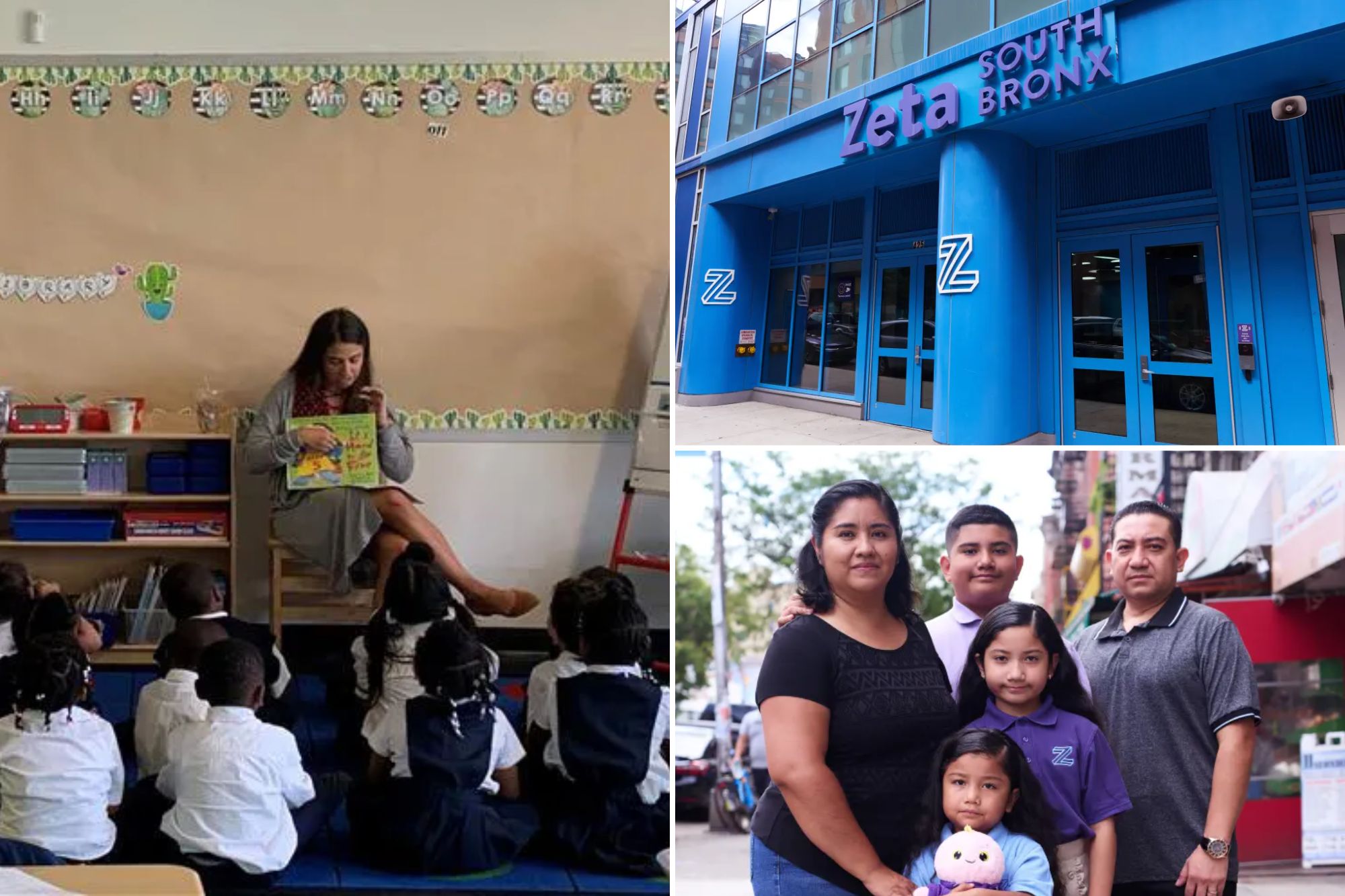
According to a review by the Post, the gap between charter school and traditional public school performance is substantial. At Zeta Charter Schools, which operates four schools in The Bronx and two in northern Manhattan, an average of 91.9% of students in grades 3-8 passed the reading exam, while 94.8% aced the math test. For families like Laura Manzano, whose three children attend the Zeta South Bronx K-to-8 school, these results are not just numbers but a reflection of the school's commitment to the whole child.

Manzano shared her experience, stating that Zeta focuses on more than just academics. Her children’s school reported a 93.8% pass rate in reading and a 93.5% proficiency rate in math. This approach has clearly benefited her family, as she expressed a desire for a school like Zeta during her own childhood.

Across all 99 charter schools in the Bronx, 68.6% of students in grades 3-8 passed the English Language Arts exams, compared to only 43.6% for traditional public schools. In math, the difference was even more pronounced, with 69.2% of charter school students scoring proficient, versus 43.3% for their peers in traditional public schools.

Several charter school networks have shown exceptional results. Success Academy’s five Bronx schools saw 100% of pupils pass the math test at Success Academy IV and V, with ELA scores ranging from 92% to 99%. South Bronx Classical Charter schools also performed well, with 95% or more students passing the ELA exam and 96% or more scoring proficient in math.

The Icahn network of seven schools in The Bronx also showed strong results, with 99.5% of students passing both ELA and math exams at Icahn Charter Schools I and IV. These achievements highlight the effectiveness of the charter school model in the Bronx.

Citywide, charter school students outperformed their traditional public school counterparts in both English Language Arts and math. According to the New York City Charter School Center, 67.5% of charter school students scored proficient in ELA, compared to 56.3% for traditional public schools. In math, 68.6% of charter school students were proficient, versus 56.9% for traditional public schools.

Critics argue that despite some improvements, the performance of traditional public schools is still lacking, especially considering the city’s massive education budget. With over $41 billion spent on education and a per-pupil cost of $36,293, which is the highest in the nation, the results are underwhelming. More than 40% of students in traditional public schools scored below proficient in both math and reading.

James Merriman, CEO of the NYC Charter School Center, emphasized that charter schools offer a valuable option for families. He praised the dedication of charter school teachers and leaders who work tirelessly to support their students.

New York City currently has 285 public charter schools serving approximately 150,000 students, representing 15% of the total student population in the city’s public schools. Nearly 90% of these students are Black or Latino, 83% come from low-income families, and 19% have special needs.

Charter schools are publicly funded but privately managed, often offering longer school days and years compared to traditional public schools. Most of their staff are not union members, which differentiates them from traditional public schools.

Despite their success, the Democratic-run state legislature has not lifted the cap on the number of charter schools that can be established in the city. This decision is opposed by the United Federation of Teachers’ union.

Manzano highlighted the supportive environment at Zeta, including parental involvement and small group instruction for struggling students. The school also organizes fun events to reduce stress before exams and includes class trips to cultural institutions like Radio City Music Hall.

Emily Kim, founder and CEO of Zeta Charter Schools, expressed excitement about the test results and announced plans to expand into Queens with new schools in Jamaica and Elmhurst this fall. She emphasized the effectiveness of their academically rigorous, whole-child model.

Lawford Cunningham, superintendent of the Icahn charter network, stressed the importance of hiring and training quality teachers, adopting a rigorous curriculum, and using technology and data analysis to improve outcomes. He noted that the network encourages competition and accountability among staff.

Bronx state Sen. Luis Sepulveda acknowledged the success of charter schools in his district and expressed support for both charter and traditional public schools. However, candidates for mayor in the upcoming November election have not focused on charter schools despite their achievements.

Socialist Democratic nominee Zohran Mamdani has publicly opposed charter schools, while Mayor Eric Adams, running as an independent, did not advocate for increasing the charter school cap. Andrew Cuomo, another independent candidate, supported charter schools during his time as governor but has softened his stance. Republican nominee Curtis Sliwa has not included charter schools in his education plan but has previously supported lifting the cap on charter schools.

Sunday, August 17, 2025

Maine's Elementary Schools Pilot Inclusive Education Model

Maine's Elementary Schools Pilot Inclusive Education Model

Featured Image

Creating an Inclusive Learning Environment

In the Downeast School in Bangor, teachers are preparing for the upcoming school year. Crayon boxes and name plates sit on small desks, and signs spell out the alphabet. One classroom features a banner that reads “All Are Welcome.” This welcoming atmosphere is a reflection of the school's ongoing efforts to better serve and include students with disabilities.

Principal Sarah Vickers explained that the elementary school has been working for several years to improve its support systems for these students. This includes fostering collaboration across departments, developing proactive strategies to address negative behaviors, and designing lessons that cater to a wide range of needs.

“We have students who receive special education services for most of their day, and with the current support and practices in place, we’ve been able to transition them into less restrictive environments,” Vickers said. “Being able to spend more time or the majority of their day in the regular education setting without additional supports, or with much less support than before, has been a big success.”

According to state data, about a third of the children at the school require special education services. This year, Downeast’s commitment to inclusive education is expanding as it joins two other schools—Turner and Leeds Central—as part of a five-year pilot program. The initiative, supported by federal grants from the Individuals with Disabilities Education Act (IDEA) and a partnership with the University of Maine at Farmington, aims to help teachers integrate students with diverse needs into their classrooms.

The program is particularly timely as special education costs in Maine continue to rise, and federal priorities shift. While the exact cost of the program remains undisclosed, the initiative seeks to reduce barriers between special education and general education, promoting a more integrated system.

National and State Context

Nationally, around 15% of students need special education services. However, in Maine, this figure is higher, at 21%, according to 2023 data from the National Center for Education Statistics. Maine is tied with New York and Pennsylvania for the second-highest rate, behind Puerto Rico.

In 2022, only 56% of Maine’s special education students spent most of their day in general education classrooms, which is 10% lower than the national average. Since then, the inclusion rate has increased by just 1%. Disability rights advocates argue that the siloed approach to education for students with disabilities has long been problematic.

Atlee Reilly of Disability Rights Maine emphasized that the goal of IDEA is to prepare students for life in the broader community. “We need to do it in integrated settings because it doesn’t make sense to prepare children in a segregated environment to live in a community,” Reilly said. “Why not support them to live in their communities from the start?”

Reducing Barriers and Building Capacity

The pilot program will provide leadership and teacher training, as well as help schools restructure their schedules to increase the time special education students spend in general classrooms. Only four applications were submitted for the three available spots, highlighting the importance of school investment in the initiative.

Tracy Whitlock, a special services coordinator, stressed the need for educators to be passionate about the work. “We never want to come in and say ‘you’re going to do this,’ it needs to be something educators are committed to,” she said.

The goal is to develop a model of inclusive education that can be adopted by other schools. Kate MacLeod, an associate professor at the University of Maine at Farmington, is leading the professional development and data collection process. The first year will focus on leadership training, assessing current inclusion practices, and forming improvement plans.

Over the next four years, the program will incorporate training on inclusive practices such as Universal Design for Learning (UDL), which involves creating multiple access points to learning. For example, a lesson on a book may include groups for independent reading, audio reading, and guided reading. Teachers will also offer multiple ways for students to engage with the text, such as writing summaries or sharing responses aloud.

Benefits for All Students

MacLeod explained that UDL reduces barriers for the most people possible, minimizing the need for individual differentiation. “That’s the goal, and that’s what great teaching can be,” she said.

The pilot program hopes that improving support in general classrooms will decrease the number of students needing special education services. Some advocates point to weaknesses in identifying students early, leading to over-identification in later years.

A recent report by the Maine Education Policy Research Institute (MEPRI) highlighted the growing issue of challenging student behavior, which can lead to increased special education referrals and contribute to teacher shortages. Carrie Woodcock of the Maine Parent Federation noted that how schools address behavior is tied to the siloed structure of special education.

“If classrooms use a more universal design for learning, kids who are struggling can find more success, and students who may not have a specific disability could be helped too,” Woodcock said. “When you do inclusion right and universal design of learning right, every student benefits.”

Looking Ahead

Reilly of Disability Rights Maine sees the pilot as a positive step, but the challenge lies in scaling it across the state. “If those things make financial sense for schools, then they’re more likely to do them,” she said.

As special education costs rise, so do other school costs in Maine, sparking debates over funding. Administrators have called for changes to the state’s school funding model, while towns upset about tax increases have attempted to leave school districts.

Lawmakers and researchers are examining the cost of special education to preserve resources. Two bills aimed at increasing the state’s share of special education funding were introduced but ultimately failed.

MacLeod emphasized that inclusive support can make schools more effective with their resources. “Having a more tightly integrated team of educators might mean schools could get by with fewer staff members overall,” she said.

As the pilot program begins, MacLeod believes it builds on existing efforts by educators. “I think folks are hungry for this,” she said. “They can see that there are better ways for all learners.”

Saturday, August 16, 2025

How I Defeated 'Kindergarten Panic' in the School Choice Era

How I Defeated 'Kindergarten Panic' in the School Choice Era

Featured Image

The Complexity of Choosing a Kindergarten in Modern Times

When I was growing up in the Sacramento suburbs during the 1990s, kindergarten enrollment was a straightforward process. My mother simply sent us to the elementary school closest to home. However, as a parent in Los Angeles today, I’ve discovered that finding the right kindergarten is anything but simple.

As someone who works in education, I expected to understand the system better, but I was still overwhelmed by the complexity of enrolling in this sprawling metropolitan school district. Over the years, I had heard discussions in my mom group about permits, lotteries, point systems, school ratings, and even the idea of buying a house in a “bad” school zone. It became clear that finding the best fit for my son soon turned into a part-time job.

I learned that my experience is becoming increasingly common. Beyond sending their children to their zoned school, many parents now have options such as applying for magnet programs, dual-immersion classes, gifted-and-talented tracks, and publicly funded charter schools. Others choose to homeschool or send their kids to private schools.

“Raising kids has always been work,” says Bailey Brown, a sociologist from Spelman College who studied the school-search process in New York City, the nation’s largest school system. “But the concept of school choice adds a new layer of intensity.”

According to federal data, 42% of parents have some level of choice within public-school systems, with 17% of public-school students attending a school other than the one assigned to them. In her book, “Kindergarten Panic,” Brown argues that the burden of choosing a school is being placed on parents—mostly mothers—whether they like it or not. While more options help parents find the best school, not everyone knows how to navigate the process, she found. Middle-income parents were more likely than low-income families to learn how to work the system and enroll their children in higher-performing schools.

Brown’s findings helped me make sense of my own search, which began more than a year before my son started kindergarten. I live just three blocks from a school that, like my home, dates back over 100 years. The initial tour disappointed me—the kindergarten play area offered little beyond hot asphalt and a few tricycles. I was concerned that the school had fewer than 250 students across eight grades. What if the school continued to decline?

So I began looking around. On tours of two nearby schools, parents filled the multipurpose rooms and queued on waitlists to get in. Both are highly sought after due to their gifted-and-talented programs. However, we quickly realized that so many kids lived within the boundaries that no one else stood much of a chance. That didn’t stop the dozens of touring parents from seeking an edge. They asked variations of: So you let in two students from outside the neighborhood last year—what exactly did they do?

A Spanish-language dual-immersion program within walking distance gave me my first glimmer of hope. Two parents with children at the school led the tour and gushed about their experience. A grant meant the yard was being “greened,” offering a break from the typical sea of asphalt. The Spanish program competed with a more well-established dual immersion down the street but had grown so popular it could no longer take everyone who applied.

I detoured from my neighborhood to visit a school I’d long pined for in the district next door, one with an Italian-language immersion program. Though I’m Italian-American on both sides, I have struggled to master the language. Having my son learn it at such a young age sounded idyllic.

Our upbeat tour guide quickly walked us around the yard before launching into an hour-long slideshow on the pedagogy of dual-language immersion learning. As the minutes ticked by, I grew confused about why she was trying to sell us. The school is incredibly popular, and we just wanted to know how to get in. She finally got to that question on the last slide. The school did take applications from families outside the district, but our priority would fall to the bottom. Still, kids with some Italian knowledge got an edge, so I eagerly followed up to tell them my son had been taking weekend lessons for a few years.

A friend connected me to a mom whose daughter attends my zoned school. She said the play yard only has tricycles, but her window overlooks it and she sees kids play happily all day. The teachers, she said, have worked there for years, and she loves walking to school and being part of the community. I appreciated the testimonial but remained unconvinced. With so many schools offering something unique, picking a standard neighborhood school felt like settling.

On a lark, I toured a nearby Waldorf-inspired charter school. We saw kindergartners baking bread and middle-schoolers learning a dance that triggered bad flashbacks to square dancing as a child. In the “handwork” room, parents cross-stitched while our guide explained that all students learn crafts. “What if my son doesn’t want to knit?” one mom asked. The guide replied: “Everyone can make a bunny. There are many different ways to do it.” I stifled a laugh.

Each tour touted the school’s distinction: a visual and performing-arts focus at one, a science and math bent at another. By the 10th tour, I had refined my questions. Do students get two recesses a day, or one? Do they take field trips? Is there after-school child care?

Months later, decision day arrived. Parents anxiously awaited notice. In the neighboring district, emails went out at 5 p.m. My friends began texting their results. My son had been waitlisted for the Italian program. As I rapidly cycled through grief and contingency planning, I checked my email again. There, just hours after the initial email, was another message offering my son a spot. I was ecstatic.

Brown said she hopes her research helps school districts understand that parents need more support in the search process. Tools like hotlines or simplified applications would help—as would making assigned schools more attractive.

In the vast Los Angeles Unified School District, families always have a seat at their neighborhood school but can also apply to 700 specialty programs. A district spokesman said that while navigating the options can feel complex, the district has tried to streamline the application and offer support such as regional fairs, targeted outreach, and enrollment counselors.

In her work, Brown saw the “panic” of the kindergarten search manifest in many ways, including in the pressure parents put on themselves to make the perfect choice. “They thought it was a reflection,” she said, “of who they were as a parent.”

Monday, August 11, 2025

Federal Funds Rescue Abilene ISD Program—For How Long?

Federal Funds Rescue Abilene ISD Program—For How Long?

Featured Image

The Struggle for Funding in Abilene Independent School District

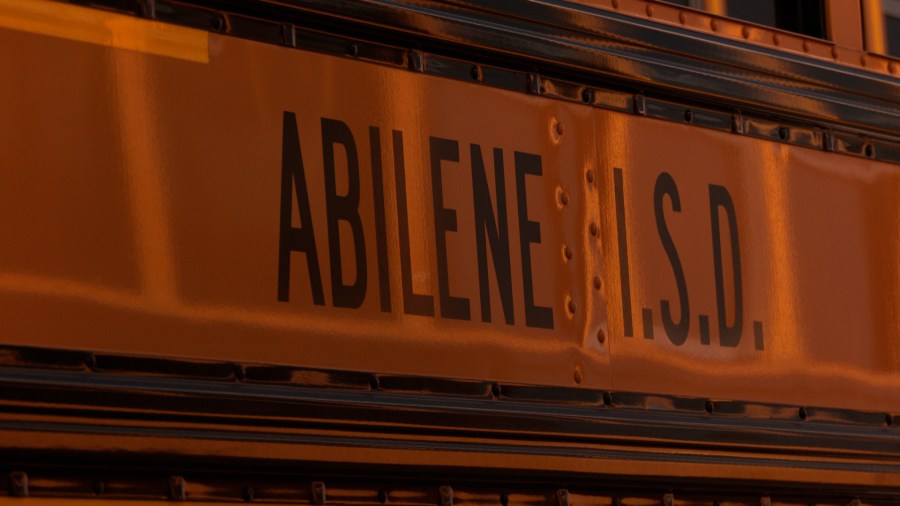
For weeks, the Abilene Independent School District (AISD) faced a serious threat: the potential loss of millions in federal education funds. This situation put at risk programs that serve some of the district’s most vulnerable students, including the adult education program, which supports learners of all ages. Although the federal government eventually released the funds, the experience highlighted how quickly the future of essential programs can be uncertain and the profound impact such uncertainty can have on the community.

Dr. Taylor Tidmore, a member of the AISD Board of Trustees, described the period as one of chaos and uncertainty. “The federal government came out and said it’s going to withhold a lot of federal educational funds. Some of those funds specifically go to our adult education program,” he explained. The program is a partnership between the Texas Workforce Commission and AISD, and while the district anticipated possible delays, the sudden reversal of funding decisions created significant challenges.

Despite the relief of the funds being released, there remains a sense of urgency. “Those funds have not been released yet, and we don’t know when we’re going to receive them,” Tidmore noted. While there is currently enough cushion to cover adult education costs, the district is aware that this support may not last indefinitely. If the funds are not released in a timely manner, difficult decisions about the future of adult education may need to be made.

The Impact of Adult Education Programs

AISD budgets just under $1 million for adult education, covering salaries for teachers who work exclusively in the program. This program provides essential services to a diverse group of learners, ranging from 16 to 50 years old. The potential loss of over $3 million in federal funds, including Title II, III, and IV funds, raised concerns about the sustainability of these programs.

Tidmore emphasized that if cuts were necessary, the district aimed to keep the GED Testing Center and dropout prevention program running, though many day-to-day classes would likely be eliminated. “Those students had overcome all sorts of obstacles in life to finish their degree,” he said, highlighting the importance of the program in helping individuals achieve their educational goals.

When Tidmore first joined the AISD Board of Trustees, he was unaware of the adult education program. Now, he has witnessed its transformative impact firsthand. “If that service goes away, no one else is really doing that work,” he said. The graduation ceremony he attended last year featured a student in his 50s who had worked hard to complete his education, showing the program’s value to the community.

Challenges Ahead for Educational Funding

While the program is safe for now, Tidmore warns that federal funds for education are already shrinking. For example, AISD previously received about $4 million to support students with significant physical needs, but this year, that amount will drop to $1 million. “I think in our current political environment, anything’s possible,” he said. “I think a more realistic thing that might occur is that there are so many compliance guidelines and regulations attached to those funds, it almost just becomes impossible for a district to be able to keep up with all the guidelines.”

Federal funding made up $28 million of AISD’s budget last year, though most revenue comes from state and local sources. With 60% of Texas school districts adopting deficit budgets, Tidmore notes that there is little financial safety net when unexpected funding problems arise. “Funding for public education really hasn’t increased since 2019, yet the cost of running a district has gone up about 20% over that time period,” he said.

The Consequences for Students

Ultimately, it is the students who suffer when funding is cut. AISD adopted a $13 million deficit budget last year, through a lot of difficult decisions and hard work. “80% of our budget comes from teacher and staff salaries,” Tidmore explained. As teachers and staff leave or retire, they are often not replaced, leading to increased workloads for existing staff. “As we stretch those people thinner and thinner, ultimately it’s the students who are going to suffer.”

Tidmore stressed that without changes in how public education is funded, the children of the state will ultimately pay the price. “If our state doesn’t change the way we fund public education in the next few years, it’s really the children of our state who are going to ultimately pay the price.”

Monday, August 4, 2025

First Day in Memphis: Teacher Shortages and School Conditions Revealed

First Day in Memphis: Teacher Shortages and School Conditions Revealed

Featured Image

First Day of School in Memphis: Key Issues to Watch

As the 2025-26 school year begins, students across Memphis and the surrounding metro area are returning to classrooms. This marks a significant milestone for the Memphis-Shelby County Schools (MSCS) district, which is navigating a new era under interim Superintendent Roderick Richmond. His leadership comes after the controversial departure of former Superintendent Marie Feagins, setting the stage for a challenging academic year.

Richmond’s tenure has been marked by turbulence, including efforts to avoid state intervention, ongoing financial audits, and legal challenges from Feagins against members of the school board. As the new school year kicks off, several critical issues are expected to shape the experiences of students, teachers, and families.

Aging Infrastructure and Student Learning

One of the most pressing concerns is the condition of the district’s aging infrastructure. The average age of MSCS school buildings is 64 years, leading to persistent maintenance issues. Last year, high temperatures and malfunctioning HVAC systems forced the early dismissal of 12 schools on the first day of classes. While Richmond claims that no outstanding work orders for HVAC systems were reported ahead of this year’s start, concerns remain about the reliability of these systems.

Richmond noted that 10 new HVAC installations were either completed or nearing completion as of July 31. However, he also acknowledged there were some pending maintenance requests. The district is expected to announce a school closure plan by September 1, with a committee of lawmakers, community members, and real estate professionals working on a long-term facilities strategy. The Commercial Appeal will continue to monitor potential disruptions caused by infrastructure failures and how the proposed plan may affect students, families, and staff.

Teacher Vacancies and Staffing Challenges

Another key issue is the number of teacher vacancies. Richmond aimed to reduce the number of open teaching positions to below 300 by the start of the school year. However, as of July 31, the district still had 339 vacancies. While this is an improvement over previous years—where vacancies ranged between 552 and 185 in the weeks leading up to the school year—it remains a challenge.

To address staffing gaps, MSCS has partnered with Proximity Learning, a Texas-based company that provides certified teachers through video conferencing. The district has already spent approximately $17 million on this service, with a new $4.6 million contract approved in May. The Commercial Appeal will track the progress of hiring efforts and the role of virtual teachers in filling open positions throughout the year.

ICE Presence and Immigration Enforcement

The impact of immigration enforcement policies has also become a growing concern for families in the district. Under the Trump administration, increased ICE activity has raised fears among immigrant communities. Despite repeated assurances from school officials, reports of mass absences due to immigration enforcement have circulated in recent months.

To address these concerns, the district established a dedicated phone line for principals and staff to handle communications with immigration officials. Additionally, the website was updated with resources for students, families, and staff. Richmond has consistently denied any ICE presence on school grounds, emphasizing that policies remain unchanged since January. The Commercial Appeal will continue to report on how immigration enforcement affects student attendance and learning outcomes.

New Regional Superintendent Structure

Richmond has also introduced a new regional superintendent structure, dividing the district into five regions led by local leaders. This change aims to improve resource allocation, enhance responsiveness, and increase accountability. Each region will be overseen by a regional superintendent, with the iZone, a previously eliminated initiative, being reintroduced.

Richmond explained that the regional structure allows for more localized decision-making and better alignment of resources. The Commercial Appeal will closely follow how this new system impacts student performance, academic outcomes, and district spending.

As the 2025-26 school year begins, the focus remains on addressing long-standing challenges while ensuring a safe and supportive environment for all students. The Commercial Appeal will continue to provide updates on these critical issues throughout the year.

Saturday, August 2, 2025

San Francisco Schools Cutting Extracurriculars: A Blow to Students

San Francisco Schools Cutting Extracurriculars: A Blow to Students

Featured Image

The Impact of Budget Cuts on Extracurricular Programs in San Francisco

The San Francisco school district's annual budget includes a variety of programs aimed at enriching the educational experience of students. One such program is the student internship initiative, which has provided real-world experience for 500 high school students in fields like health, culinary arts, and education. However, for the upcoming school year, this program has been eliminated, leaving a significant gap in the opportunities available to students.

Superintendent Maria Su emphasized that while these programs may seem like "extras," they are essential for providing students with critical skills and experiences. With budget deficits affecting public schools across the state and reduced federal support, many districts are forced to prioritize basic needs over enrichment activities.

Extracurricular activities such as internships, sports, and clubs have long been associated with academic success, improved social skills, and stronger college applications. However, disparities exist between students from different socioeconomic backgrounds. According to Census data, children from wealthier families are twice as likely to participate in sports, clubs, or lessons compared to those from low-income households. This disparity begins early, with many young children from affluent families engaging in structured activities while their less-advantaged peers often miss out.

Public schools have traditionally played a role in bridging this gap by offering extracurricular opportunities. However, recent budget cuts have forced schools to reconsider their spending. In San Francisco, the $114 million in cuts this year have significantly impacted classrooms, leading to difficult decisions about staffing and resource allocation.

Su highlighted the importance of these programs, noting that access to education and extracurricular activities is key to a better future. "Through exposure you get experience, and through experience you get confidence," she said.

While public schools focus on core instruction, community organizations often step in to provide opportunities for low-income students. The Boys and Girls Club in San Francisco, for example, offers after-school and summer programs that include financial literacy camps and creative projects. These programs not only teach important life skills but also foster teamwork and creativity.

One notable example is a financial literacy camp where students developed business ideas and presented them in a Shark Tank-style competition. The winning idea was a dissolving chewing gum called DisGum, demonstrating the potential for innovation among students who might otherwise lack such opportunities.

Beyond the Boys and Girls Club, San Francisco offers various programs for low-income youth, including free swim and tennis lessons, boating, and camps. The city also provides scholarships for summer camps, though the number of recipients is still far below the total number of eligible students.

Camp Mather, a popular family camp near Yosemite National Park, highlights another challenge. While there are "camperships" to reduce costs, only a small percentage of reservations are subsidized. Racial and economic disparities are evident in participation rates, with transportation being a major barrier for many families.

Addressing gaps in extracurricular access requires more than just funding. It involves rethinking policies and ensuring that all children, regardless of background, have equal opportunities to engage in enriching activities. An Ohio State University study found that children of mothers with lower educational attainment are significantly less likely to participate in sports, underscoring the need for targeted interventions.

Michael Petrilli, president of the Thomas B. Fordham Institute, advocates for expanding school voucher programs to include enrichment activities like tutoring. He believes that providing financial support to families can help level the playing field and ensure that all children have access to positive experiences outside of school.

As communities grapple with these challenges, it is clear that addressing extracurricular disparities requires a multifaceted approach. From policy changes to increased funding and community collaboration, the goal should be to ensure that every child has the opportunity to thrive.

Thursday, July 31, 2025

Chicago Schools Overhaul Special Ed Department

Chicago Schools Overhaul Special Ed Department

Featured Image

Chicago Public Schools Restructures Special Education Department

Chicago Public Schools (CPS) is undergoing a significant restructuring of its department for students with disabilities, as revealed in an internal email obtained by a local news outlet. The changes involve the reassignment of 65 central office positions and the elimination of two departments—Procedures and Standards and Instructional Support. These departments were responsible for ensuring compliance with federal and local policies and providing instructional support to schools. In their place, a new department called Academic Access will be established.

Joshua Long, the chief of the Office for Students with Disabilities, outlined the changes in the internal email. Among the roles being phased out are the district representative and special education administrator, which will be replaced by a special education coordinator tasked with working directly with schools. A CPS spokesperson emphasized that there will be “no net loss of full-time positions” as roles are redefined. Employees impacted by the restructuring had the opportunity to reapply for the new roles, with about 85% of applicants being hired so far.

“This shift is not motivated by budgetary concerns or cost-cutting,” the spokesperson said. “Instead, it is a strategic, values-driven decision grounded in research, best practices, and a belief in the limitless potential of every student.”

The move comes amid growing concerns from special education advocates. Last school year, CPS served nearly 54,000 students with disabilities, who made up 16.4% of the district’s student body. Over the past decade, this number has increased by approximately three percentage points.

Concerns About Timing and Implementation

The timing of the restructuring has raised red flags among some advocates. The changes occur less than three weeks before the start of the school year on August 18, prompting worries about whether the new positions will be fully staffed by then. Frank Lally, an education policy analyst at Access Living, questioned whether the new roles would be in place in time to ensure proper accommodations for students.

“I worry that that will create chaos, let’s say, when it comes to school assignments and making sure that students have their accommodations set for the coming school year,” Lally said.

In addition to the restructuring, CPS is revising guidelines for developing Individualized Education Programs (IEPs), which outline academic supports and goals for students with disabilities. The district is also planning to add 120 new case managers and 100 more clinicians, such as speech pathologists and occupational therapists, in line with the new Chicago Teachers Union contract.

Mixed Reactions from Advocates

Some advocates see the restructuring as a positive step. Mary Fahey Hughes, a former member of the Chicago Board of Education and longtime disability rights advocate, supports the idea of combining staff roles and placing central office personnel in schools. She believes there is a “deep need” for more classroom support for students with disabilities.

“These are professionals with deep Special Education knowledge, but parents rarely see them at work unless there is some sort of problem,” she said.

Barbara Cohen, a senior policy analyst with the Legal Council for Health Justice, noted that two of the roles being eliminated never made much sense. She pointed out that some staff members lacked the necessary skills to support families, and turnover has been an ongoing issue.

“My question, though, is how the restructuring will improve the situation,” Cohen said.

Shift in Philosophy and Federal Context

The restructuring reflects a broader shift in philosophy for CPS. Long emphasized that the district is moving away from a compliance-first approach, where strict adherence to rules was prioritized over instruction. Instead, the focus will now be on providing strong, inclusive instruction, with the belief that compliance will follow naturally.

This change comes at a time when the federal government has faced criticism for reducing enforcement of special education regulations. Under the Trump administration, the Office for Civil Rights dismissed over 3,400 cases related to special education complaints.

Special education advocates remain cautious. Matt Cohen, a lawyer and special education advocate, expressed concern that the shift could signal to schools that compliance is no longer a top priority.

“I think you’re giving permission to schools to not focus on compliance at all,” Cohen said. “In the context of everything that’s happening at the federal level, I think what they’re saying is we’re not going to worry about these rules so much.”

Past Challenges and Ongoing Oversight

The last major overhaul of CPS’s special education department occurred during the 2016-17 school year, when budget challenges led to delays and denials of services. An investigation by WBEZ found that students’ needs were not being met, prompting state oversight that lasted from 2018 until 2021.

Illinois State Board of Education officials have been meeting with CPS to discuss the current restructuring and staffing changes. A spokesperson for ISBE stated that the agency will continue to provide oversight and guidance to ensure compliance and protect services for students with disabilities.

Christine Palmieri, a long-time special education advocate, hopes that the district will maintain high standards for compliance, procedures, and policies. She urged CPS to fill all new positions quickly, provide adequate training, and continue working with state monitors to ensure that families have access to necessary resources.

District officials confirmed that training will begin before the 2025-26 school year and will continue on an ongoing basis.

Wednesday, July 30, 2025

Over 50% of Detroit Students Skip Class Regularly – Schools Can't Fix It Alone

Over 50% of Detroit Students Skip Class Regularly – Schools Can't Fix It Alone

Featured Image

Understanding Chronic Absenteeism in Detroit's Schools

Chronic absenteeism is a growing concern in K-12 education across the United States, and nowhere is this more evident than in Detroit. Defined as missing at least 10% of school days—equivalent to 18 days in an 180-day academic year—this issue has become increasingly prevalent, especially following the challenges brought on by the COVID-19 pandemic. In Detroit, the problem remains persistent, with rates significantly higher than the national average.

The Detroit Public Schools Community District has taken steps to address this issue. This past year, the district awarded $200 gift cards to nearly 5,000 high school students who attended all their classes during a two-week period. Additionally, Superintendent Nikolai Vitti has proposed providing bikes to help students who lack reliable transportation get to school. These initiatives reflect a growing recognition that addressing chronic absenteeism requires creative and multifaceted solutions.

To better understand the implications of chronic absenteeism, The Conversation U.S. spoke with Sarah Lenhoff, associate professor of education at Wayne State University and director of the Detroit Partnership for Education Equity & Research, and Jeremy Singer, an assistant professor of education at Wayne State University. Together, they have written a book published in March that explores the socioeconomic drivers behind chronic absenteeism and how policymakers and communities can play a role in mitigating its effects.

What Is Chronic Absenteeism?

It’s important to distinguish between chronic absenteeism and truancy. Truancy refers to unexcused absences and is typically addressed through legal means, such as fines or jail time for parents. Chronic absenteeism, on the other hand, includes both excused and unexcused absences. Researchers emphasize that even small absences can have significant impacts on student learning and development.

The 10% threshold for chronic absenteeism is somewhat arbitrary, but it has been widely adopted by researchers and policymakers. Most states now include measures of chronic absenteeism in their education accountability systems, highlighting its importance in assessing school performance.

The Scale of the Problem in Detroit

Detroit has among the highest chronic absenteeism rates in the country, with over 50% of students missing 10% or more of school days in recent years. This is far above the national average of about 15% and even higher than rates in cities like Milwaukee and Philadelphia. According to prior studies, Detroit’s rates are significantly higher than those of other major cities, which underscores the deep-rooted socioeconomic challenges facing the community.

Factors such as poverty, unemployment, crime, and poor public health conditions contribute to the high levels of absenteeism. Even the city’s harsh winters add to the difficulty of getting to school consistently. During the pandemic, absenteeism rates spiked across the state, and while Detroit has made progress in returning to pre-pandemic levels, the numbers remain alarmingly high.

Charter schools in the district have struggled more to reduce absenteeism post-pandemic, though their rates are generally lower than those of traditional public schools.

The Impact of Missing School

The consequences of chronic absenteeism are far-reaching. Students who miss school regularly tend to perform worse on reading and math tests. Early on, this can affect school readiness, both academically and behaviorally. By high school, consistent absences are linked to lower grades, lower GPAs, and a reduced likelihood of graduating.

Moreover, the impact isn’t limited to the absent students. When many students miss school, it affects the entire class, leading to lower test scores and diminished skills such as executive functioning.

Socioeconomic Factors and Attendance

Rates of chronic absenteeism are disproportionately higher among students from low-income families. These students often face challenges outside their control, such as unstable housing, unreliable transportation, health issues, and lack of access to childcare. Parents working nontraditional hours may also struggle to ensure their children attend school regularly.

School-based factors, such as weak family engagement or a negative school culture, can also influence attendance. However, even schools with strong practices may struggle if they serve communities facing severe socioeconomic hardship.

It’s crucial to recognize that chronic absenteeism is not a reflection of student motivation or family values. Instead, it is deeply tied to the unequal conditions that shape students’ lives.

The Role of Punishment vs. Support

Many schools have attempted to address absenteeism through punitive measures, such as suspending students or threatening parents with fines or jail time. In some cases, families have lost social services due to their children’s absence. However, research shows that these strategies are ineffective and can even worsen the problem.

Punitive approaches can alienate students and families, deepening mistrust between them and the school system. When absences are seen as personal failures rather than symptoms of broader challenges, students and parents may disengage further.

Instead, educators should focus on understanding the barriers to attendance and finding ways to support students and families. A shift from blame to empathy can lead to meaningful improvements in attendance.

Collaborative Solutions for the Future

Reducing chronic absenteeism requires a collective effort. It is not solely a school issue but a societal one. Policymakers, school districts, and community organizations must work together to address the underlying factors that contribute to absenteeism.

This could involve investing in resources across sectors such as healthcare, housing, transportation, and social services. Community organizations can provide wraparound services like mental health care, transportation assistance, and after-school programs. At the same time, educators can focus on strengthening communication with families and building supportive relationships.

By addressing the root causes of chronic absenteeism, communities can create environments where all students have the opportunity to succeed.

Notification
This is just an example, you can fill it later with your own note.
Done