Articles of Education: educators
News Update
Loading...
Showing posts with label educators. Show all posts

Thursday, November 6, 2025

Sudan: Schools Under Fire in Northeast Africa

Sudan: Schools Under Fire in Northeast Africa

The Devastation of Education in Sudan

Education in Sudan is no longer what it once was. The war that erupted in mid-April 2023 has transformed the country’s landscape, affecting its cities, people, and the very foundation of its future. Schools, which were once safe spaces for learning, have become places where children are recruited into armed conflict. This shift has left educators and families in despair.

More than two years into the conflict, field reports have revealed a troubling trend: child recruitment within educational institutions. In response, the Sudanese Teachers’ Committee has rejected what it calls the “war budget” proposed by the Ministry of Finance for 2026. According to the committee, the government’s decision to prioritize military spending over education and health is a clear violation of citizens' rights.

The committee criticized Finance Minister Jibril Ibrahim's remarks about the new budget, stating that the focus on war efforts ignores the fundamental needs of the population. It emphasized that education and health are the pillars of any nation striving for progress and stability. By diverting resources to the war, the government is not only failing in its responsibilities but also jeopardizing the future of its citizens.

The statement from the committee highlighted the dire conditions faced by teachers and students. With schools collapsing and wages insufficient to meet basic needs, many educators are struggling to survive. The committee called for a reevaluation of the budget to ensure fair allocation to the education sector and improved salaries for teachers and public employees.

Learning Under Hardship

Access to public schools has become increasingly difficult, with some regions being disproportionately affected. Suleiman Mohamed Suleiman, a parent from East Darfur, shared his concerns about the challenges faced by students from his region. He reported that dozens of students from East Darfur were detained while trying to pursue university education, and thousands were barred from taking final exams due to their location in areas controlled by the Rapid Support Forces.

This situation has led to a significant drop in student morale, with many abandoning their studies. The war has not only destroyed physical structures but also disrupted the educational process. According to media reports, as the new school year begins, thousands of students are either displaced or dead, and many schools have been reduced to rubble or turned into shelters for displaced families.

A member of the Teachers’ Committee, who requested anonymity, stated that school attendance does not exceed 30%. Most students have either been displaced or joined the battlefronts. Classes are now largely concentrated in private schools in central Nyala, where the government’s delayed and insufficient salaries fail to meet the basic needs of teachers and their families.

Recruitment in Classrooms

In addition to the challenges of access and funding, there are alarming reports of schools being used as recruitment centers for children. The Sudanese National Observatory for Human Rights condemned the closure of schools and the suspension of classes in Nile River State, calling these actions a violation of human rights and international law.

Field reports indicate that security forces have turned several schools into recruitment and training camps, where children are coerced or lured through manipulative methods. These practices are considered war crimes under international humanitarian law and the Convention on the Rights of the Child.

In response to the ongoing conflict, the Supreme Mobilisation Committee in Northern State declared a state of general mobilisation across all seven localities. This includes organizing popular resistance ranks, preparing battalions, and opening mobilisation and training centers. The order also mandates the reactivation and retraining of those previously given military instruction.

Calm Returns to al-Fashir

Despite the ongoing conflict, there are signs of hope. Calm has returned to the city of al-Fashir in North Darfur after the Establishment Coalition Forces took control. Markets and schools have reopened, and the streets have regained a sense of normalcy, according to field reports.

In this context, the Council of Ministers issued Decision No. (7) for the year 2025, expanding the mandate of the Independent National Committee investigating alleged violations in al-Fashir. The decision, based on specific constitutional and legal provisions, added new members to the committee, including representatives from forensic medicine, the Ministry of Interior, and military justice. This move aims to enhance the inclusivity and independence of the investigation.

The decision allows the Prime Minister to appoint additional members at any stage of the investigation and enables the committee to employ administrative staff to facilitate its work. The decision came into effect on November 4, 2025, marking a step toward accountability and justice in the region.

Sunday, August 24, 2025

27 Must-Have Teacher Essentials Every Educator Loves

27 Must-Have Teacher Essentials Every Educator Loves

Featured Image

Must-Have Teacher Essentials for a Smarter, More Comfortable School Year

Teaching can be both rewarding and exhausting, but with the right tools, it becomes more manageable and enjoyable. Whether you're looking to streamline your classroom setup or simply want to add a touch of comfort and style to your daily routine, there are plenty of products that can make a difference. Here’s a list of 27 must-have items that every teacher should consider adding to their collection.

Tech and Presentation Tools

A wireless presentation clicker and pointer is a game-changer for educators. It allows you to navigate through PowerPoint slides without constantly getting up from your chair, making presentations smoother and more efficient. The included laser pointer can also help manage student attention, guiding them toward focused learning rather than distractions.

For those who love to stay organized, a spiral academic year planner is an excellent choice. It helps keep track of both academic and social events in a cute, functional way, ensuring you stay on top of your schedule all year long.

A Bluetooth speaker is another essential item. It can provide background music during independent study sessions, play upbeat tunes between classes, or offer a better listening experience for podcasts when grading papers late into the night.

Comfort and Style

Comfortable footwear is crucial for teachers who spend long hours on their feet. Canvas slip-on sneakers and low chunky-heeled pumps are great options that offer both style and support. High-waisted pants with an elastic paperbag-style waist combine comfort with a chic look, making them ideal for long teaching days.

A relaxed off-the-shoulder jumpsuit is perfect for maintaining a professional appearance while staying comfortable. With stretchy fabric and adjustable features, it ensures a perfect fit for any body type.

A lightweight cardigan is a must-have for unpredictable classroom temperatures. It can be easily thrown on during cold spells, keeping you warm without the hassle of extra layers.

Organizational Tools

A thermal laminator is a useful tool for creating durable materials for classroom use. Having one in your own space means you don’t have to rely on shared equipment, saving time and ensuring consistency.

Storage clipboards and rotating pen holders help keep your essentials organized. They prevent the chaos of juggling multiple items and make it easier to carry everything you need in one go.

Double-sided mounting tape is a versatile solution for hanging posters, certificates, and other decorations. Its strong adhesive and easy removal make it ideal for temporary displays without damaging surfaces.

Classroom Decor and Ambiance

Globe string lights can transform the atmosphere of your classroom, adding a warm glow that makes even the most challenging lessons feel more inviting. A beanbag chair offers a cozy alternative to traditional desks, providing a comfortable spot for reading or quiet work.

A face-out bookshelf is a practical and aesthetic addition to any classroom. It allows students to see all the books at a glance, encouraging a love for reading and creating a welcoming library vibe.

Practical Accessories

A customized teacher lanyard is a go-to accessory that keeps your ID, keys, and other essentials within reach. Choosing a stylish design adds a personal touch to your professional look.

A BrüMate Era stainless-steel tumbler with a locking straw is perfect for keeping drinks secure during busy school days. Its durable construction ensures it won’t spill, even if accidentally knocked over.

A Hulken rolling tote bag is designed to make carrying your belongings easier. With steel wheels and a built-in cover, it’s a reliable companion for transporting your supplies to and from school.

A compartmentalized crossbody tote bag is ideal for quick access to your essentials, making it perfect for a grab-and-go lifestyle.

Fun and Educational Items

A Tapple word game is a fun and engaging way to pass time during slow periods. It encourages creativity and vocabulary development, making it a valuable addition to your classroom game shelf.

Felt-tip markers add a splash of color to your workspace, making grading and note-taking more enjoyable. Their vibrant hues can also inspire students and bring energy to your lessons.

A mini fridge is a small luxury that provides a refreshing treat during free periods. It allows you to enjoy a cold drink without leaving the classroom, making your day a little more pleasant.

Additional Must-Haves

A pack of punch cards and a hole puncher can be used to motivate students and track progress. These versatile tools can help monitor behavior, homework completion, and other classroom activities throughout the school year.

Baggy overalls offer a comfortable and fashionable option for all seasons. With adjustable straps and multiple pocket options, they provide both style and functionality.

A desk pad keeps your papers, keyboard, and other essentials in place, preventing them from sliding around. Its waterproof surface also protects against accidental spills.

With these 27 items, teachers can create a more organized, comfortable, and enjoyable environment for both themselves and their students. From tech tools to fashion accessories, each item serves a unique purpose, making the teaching experience a little smoother and more rewarding.

Wednesday, August 13, 2025

Indiana DOE releases 2025 IREAD test results

Indiana DOE releases 2025 IREAD test results

Featured Image

Indiana's IREAD Results Show Significant Improvement in Third-Grade Literacy

The Indiana Department of Education recently released the 2025 IREAD testing results, which highlight a notable increase in reading proficiency among third-graders across the state. The IREAD assessment is designed to evaluate foundational reading skills for students in the third grade. According to the latest data, approximately 87.3% of Indiana’s third-graders demonstrated proficiency in these essential reading skills.

This represents a significant improvement compared to the previous school year, where about 82.5% of third-graders met the proficiency standards. The increase marks a nearly five percentage point rise from the 2023-24 school year to the 2024-25 school year. This upward trend has been welcomed by education leaders and officials who see it as a positive sign for the future of literacy in the state.

Governor Mike Braun emphasized the importance of reading as a foundation for success, stating that “helping every Hoosier to live out their American dream starts with the ability to read.” He noted that the literacy rate in Indiana has increased by almost five percentage points from 2024 to 2025, surpassing the previous year’s record. He also highlighted that the progress being made in Indiana is setting a national example in education.

Despite this recent improvement, overall reading proficiency among third-graders is still below the levels seen when the IREAD program was first implemented in the 2012-13 academic year. At that time, 91.4% of third-graders were proficient in reading. The numbers dipped over the following years, reaching an all-time low in 2020-21 when only 81.2% of third-graders were proficient. However, since then, there has been a steady upward trend, indicating that efforts to improve literacy are beginning to bear fruit.

Improvements Across Demographics

The increase in reading proficiency was not limited to a single demographic group. Data shows that more students from various ethnic and socio-economic backgrounds demonstrated proficiency in reading between the 2023-24 and 2024-25 school years. This includes Asian, Black, Hispanic, American Indian, Pacific Islander, multi-racial, and White students.

Additionally, the performance of students on free or reduced-cost lunch programs improved significantly. In 2024-25, about 82.6% of these students showed proficiency in reading, compared to 76% in the previous school year. This suggests that targeted interventions and support programs may be making a difference in closing the achievement gap.

The Indiana Department of Education (IDOE) has set a goal of achieving a 95% reading proficiency rate for third-graders by 2027. In the 2024-25 school year, 456 schools met this benchmark, compared to only 179 schools in 2023-24. These 456 schools represent slightly more than one-third of all elementary schools in the state, showing that progress is being made across multiple districts.

Dr. Katie Jenner, Indiana Secretary of Education, praised the collaborative efforts of educators, parents, and communities in driving this improvement. She noted that the increase in literacy rates is a result of hard work and dedication, and that the data clearly shows that current strategies are working.

Expanding Testing and Support for Young Readers

Starting in the 2025-26 school year, the IREAD testing will expand to include second-graders. While the testing will initially be optional, schools will be required to administer the test to second-graders starting in 2024-25. This expansion aims to identify students who may need additional support earlier in their education, giving them more opportunities to pass the IREAD before entering fourth grade.

In 2024-25, 68% of second-graders who took the IREAD either passed the test or were on track to pass it before moving to third grade. Furthermore, 96% of students who were deemed “on track” to pass the test as second-graders in 2023-24 actually passed it as third-graders in 2024-25. Approximately 65% of students who were identified as “at risk” of failing the test as second-graders also passed it as third-graders.

This success has been attributed in part to the Indiana Literacy Cadre, a partnership between the State of Indiana, the University of Indianapolis’ Center of Excellence in Leadership of Learning (CELL), and Marian University’s Center for Vibrant Schools. The cadre provides early elementary teachers with instructional coaching and support aligned with the science of reading, which emphasizes phonics, phonemic awareness, fluency, vocabulary, and comprehension.

Schools that participated in the Indiana Literacy Cadre saw an average seven-percentage-point increase in the number of third-graders passing the IREAD, compared to a 3.6-percentage-point increase in schools that did not participate. This highlights the effectiveness of targeted professional development and support for educators.

Looking Ahead

As the focus on reading proficiency continues to grow, the emphasis on IREAD testing is expected to intensify in the 2025-26 school year. Starting this year, third-graders who do not pass the IREAD will be held back, reinforcing the importance of meeting literacy benchmarks at an early age.

Indianapolis Mayor Joe Hogsett also shared his perspective on the results, noting that the Circle City Readers program has contributed to the success of many students in the city. Over 75% of participating third-graders passed the IREAD this year, leading to the program’s inclusion in the proposed 2026 operational budget.

Governor Braun expressed pride in the progress made, calling the increase in literacy rates a historic achievement. He emphasized that Indiana is building on this progress through bold investments in education, ensuring that students have the tools they need to succeed.

Tuesday, August 5, 2025

Unfair Teacher Dismissals in Schools

Unfair Teacher Dismissals in Schools

Featured Image

The Crisis in Public Education

Many school districts are plagued by unethical and unprofessional practices when it comes to firing employees. A quick look at the Facebook pages of most districts and a call to local teacher unions reveal two unsettling truths: these districts are desperate to recruit and retain teachers, yet they continue to lay off experienced professionals at an alarming rate, especially in the midst of a national teacher shortage. This pattern has led to inconsistency in teaching quality, weak relationships between teachers and students, overwhelmed and anxious educators, and, in some cases, poor pedagogy and limited content knowledge.

As a result, many districts are slipping into a state of mediocrity and complacency. The expectations placed on teachers are far greater than those for most other professions, particularly in terms of education, compensation, and emotional investment. While micromanagement and abuse exist in various fields, few jobs demand such extensive preparation outside of regular work hours and offer minimal downtime during the day. Although teachers have generous holiday and summer breaks, having evenings and weekends free from work duties is more beneficial for their families than extended time off. It's also worth noting that teachers often attend meetings and training during the summer.

This situation may explain why fewer people are choosing to become teachers, despite the profession’s rewarding nature.

A Shrinking Talent Pool

The number of students enrolling in teacher colleges across the country is decreasing, and some institutions have even dropped their certification programs due to a lack of interest. As a result, many districts are turning to emergency certifications and pulling staff from central offices to cover classes. Meanwhile, schools continue to fire experienced and developing teachers, often citing a lack of “fit.” In at-will states, this is a common excuse, but it raises serious concerns about the impact on both teachers and students.

Just recently, a news story highlighted how employees at typical American schools often look the other way when witnessing harassment or attacks, out of fear of reprisal. This level of toxicity can erode trust and community within the faculty and student body. Word of staff changes spreads quickly, and students often learn about firings before the affected individuals themselves. Many districts replace more than half of their faculty every few years, leaving only a few tenured teachers in each department.

Hostile Work Environments

Veteran teachers frequently face hostile work environments where their expertise is constantly questioned. This negative treatment can extinguish a teacher’s passion and lead to career derailment. Most teachers are eager to serve their communities and give back to the places where they first developed a love of learning. However, complacency and indifference often dominate the culture of public schools.

These issues are not isolated to one district or school. One contributing factor is that many administrators are unaware of how much more demanding teaching has become in recent years. Teaching requires not only subject matter expertise but also the ability to teach reading, writing, speaking, and listening skills to students who have lost valuable instructional time, especially during the pandemic. How does a high school English teacher teach Shakespeare to students with limited English proficiency or those reading at a fourth-grade level?

The Consequences of Teacher Turnover

While experience alone does not guarantee good teaching, the loss of qualified educators is significant. It often takes years to develop classroom management skills, motivate students, and master one’s content. Research suggests that many teacher-education programs are not fully effective in preparing educators for the evolving demands of the profession. Many teachers credit seasoned colleagues or mentors as their strongest source of preparation.

When teachers are fired before mastering their craft, both faculty and students suffer. Staff reductions are sometimes justified due to financial constraints or ineffective teaching. However, the problem lies in the fact that decisions are often based on political, philosophical, or social differences rather than professional development. Instead of mentoring new teachers, administrators often set unrealistic expectations, leading to frustration among parents and students.

Misdirected Anger and Silenced Voices

Administrators frequently misdirect anger toward struggling teachers instead of addressing systemic issues. Teachers are often told that their school has high expectations for students, yet there is often a lack of a functional curriculum and outdated instructional methods. For example, the gradual-release model is often touted as innovative, but it is not always the most effective approach for every lesson. Overemphasis on Lexile levels has been largely discredited as a means of helping students access meaningful texts.

Another issue is the silencing of new voices. Administrators often prevent progressive-minded teachers from sharing fresh ideas with their colleagues. This results in an overburdened staff that feels undervalued and professionally undermined. With low morale, teachers struggle to meet the growing demands of rising poverty, shrinking resources, and a changing workforce.

An Uncertain Future

Despite these challenges, some students still thrive, especially those with personal connections to administrators. However, this success is often due to external factors rather than the school environment itself. Inequity persists, and school boards cannot rely on the achievements of a small group of privileged students if they want to produce successful leaders and critical thinkers.

The impact of this bias will be devastating for the community and its workforce. Students need a learning environment that fosters confidence, stability, and consistency. Unfortunately, many schools are failing them on these counts.

A Call for Change

Schools must implement policies that recruit and retain quality educators who are dedicated to meeting the needs of all students through intentional and innovative practices. Every school has the potential to be high-performing, with caring teachers who are committed to progress and justice. The alternative is a hostile work environment that denigrates the teaching profession and stifles the passion of those who have invested so much in their students. It is time for change.

Monday, August 4, 2025

Addressing Michigan's teacher shortage goes beyond recruitment efforts

Addressing Michigan's teacher shortage goes beyond recruitment efforts

Featured Image

Teacher Shortages in Michigan: A Growing Crisis

In the fall of 2023, nearly 500 out of Michigan’s 705 school districts reported teaching vacancies. This number has more than doubled since the beginning of the 2012 school year, when only 262 districts faced similar challenges. However, this figure likely underestimates the true scope of the problem, as it does not account for substitute teachers or individuals who may have been hired without proper qualifications to fill open positions.

Local news reports and job boards indicate that some Michigan districts are still struggling to fill teaching positions for the upcoming academic year. The teacher shortage is not unique to Michigan; it is a nationwide issue. However, the situation in Michigan is particularly severe, with both the number of teachers leaving the profession and the overall teacher shortage exceeding national averages. Urban and rural communities, which often have underresourced schools, are hit hardest. Additionally, shortages are especially pronounced in specialized areas such as science, mathematics, and special education.

For over two decades, my work at Michigan State University has focused on designing and leading effective teacher preparation programs. My research explores ways to attract individuals to teaching and help them grow into successful classroom leaders. Understanding the root causes of teacher shortages is essential to developing sustainable solutions.

Factors Contributing to the Teacher Shortage

The teacher shortage is the result of multiple factors, including low salaries, heavy workloads, and a lack of ongoing professional support. A recent report found that Michigan teachers, like their counterparts nationwide, earn about 20% less than individuals in other careers that require a college education. From my experience working with teachers and district leadership across the state, I know that beginning teachers—especially those in districts with severe shortages—are often assigned the most challenging teaching loads. In some cases, they are forced to work without any planning time during their daily schedules.

The pandemic also played a significant role in exacerbating the crisis, as many educators left the profession due to increased stress and uncertainty. Another contributing factor is the large number of teachers who were hired during the 1960s and early 1970s, when school enrollments saw a dramatic increase. Many of these teachers have retired in recent years, further compounding the shortage.

Creating New Pathways to Certification

To address the growing need for qualified teachers, Michigan has begun exploring nontraditional routes to teacher certification. These programs aim to prepare educators more quickly and affordably. Various agencies, including the Michigan Department of Education, state-level grants such as the Future Proud Michigan Educator program, and private foundations and businesses, have supported these initiatives financially.

Some school districts, including the Detroit Public Schools Community District, have adopted this strategy to certify new teachers and fill vacant positions. Similar programs have emerged through partnerships between Michigan’s intermediate school districts, community colleges, and four-year institutions. For example, Grand Valley State University’s Western Michigan Teacher Collaborative targets college-age students, while Michigan State University’s Community Teacher Initiative encourages high school students to consider teaching as a career.

National programs such as Teachers of Tomorrow and Teach for America have also gained visibility. These programs allow candidates to work as full-time teachers while completing their training, often with minimal oversight or support.

Why “Stuffing the Pipeline” Isn’t Enough

However, simply increasing the number of new teachers entering the profession is not a long-term solution. Research shows that the loss of teachers is significantly higher among individuals in nontraditional training programs and for teachers of color. This attrition begins during the certification process and continues for several years after graduation.

The primary reasons for this include a lack of awareness of the complexities of school systems, insufficient mentoring during training, and the absence of instructional and professional guidance in the early years of teaching.

Strategies to Improve Teacher Retention

So, how can we encourage teachers to stay in the profession? Scholars have identified several key strategies to improve outcomes in both traditional and nontraditional teacher preparation programs:

  • Temper expectations: Teaching is a critical profession, but setting unrealistic expectations can lead to burnout. Beginning teachers should not be expected to solve complex socioeconomic issues alone.
  • Provide strong mentors: Student teachers benefit from working with experienced educators who can guide and support them throughout their training.
  • Recognize the limits of online learning: While online programs offer convenience, they often lack the real-world experience necessary for effective teaching.
  • Respect the process of "becoming": Professional development should continue beyond formal certification. Like other professionals, teachers need ongoing support to build their skills over time.

By valuing and supporting teachers throughout their careers, we send a powerful message that they are essential members of the community. This recognition can make a significant difference in retaining educators and addressing the ongoing teacher shortage.

Saturday, August 2, 2025

Last Day for Education Workers: Their Final Actions

Last Day for Education Workers: Their Final Actions

Featured Image

The Impact of Staff Reductions on the U.S. Department of Education

The U.S. Department of Education has undergone significant changes, with hundreds of civil servants leaving their positions in recent months. Many of these employees have not been able to work since March, when they were placed on leave and later laid off. These workers performed a wide range of essential roles, from protecting students' civil rights to assisting borrowers with complex federal student loan systems.

Approximately 1,400 department workers are being let go as part of a broad reduction in force (RIF) that began on March 11. This decision came shortly after President Trump signed an executive order aimed at dismantling the Education Department, claiming that education should be returned to the states. He also stated that many department employees "don't work at all" and that the goal was to cut those who aren't working or aren't performing well.

Linda McMahon, the Education Secretary at the time, described the mass firing as a step toward restoring the greatness of the U.S. education system. In total, including those who chose to leave voluntarily, the department will now employ roughly half the staff it had when Trump took office. However, the department did not respond to multiple requests for confirmation on the exact number of employees leaving and remaining.

Several former employees shared their experiences with NPR, highlighting the importance of their work and the impact of the layoffs.

David Downey: A Career in Grants Management

David Downey, who worked in the Office of Grants Management for 30 years, explained that the department sends billions of dollars to states to support public education. His role was to help state and local officials understand how to apply for this funding and ensure that taxpayer dollars are used properly.

Downey served under both Democratic and Republican administrations, including eight years under President George W. Bush, where he helped faith-based groups navigate the funding process. He was asked to review department policies related to diversity, equity, and inclusion (DEI), which the Trump administration deemed illegal. Downey disagreed with efforts to roll back civil rights protections for students of color and children with disabilities, calling it an affront to the Civil Rights Act of 1964.

He described the RIF as unprofessional and frustrating, noting that colleagues were unable to communicate about upcoming meetings. He believes the cuts create a self-fulfilling prophecy, reinforcing the belief that government is inefficient and failing students and educators.

Jason Cottrell: Data Collection and Analysis

Jason Cottrell, who worked in the Office of Postsecondary Education for 9.5 years, emphasized the importance of data collection and analysis in ensuring that taxpayer dollars are spent responsibly. He argued that cutting staff would harm these efforts, making it difficult to track whether programs are helping children.

Cottrell is a member of AFGE Local 252, a union of Education Department employees. He described the atmosphere leading up to the RIF as tense, with many feeling traumatized by the uncertainty. Despite this, congressional Republicans recently passed a massive tax and spending bill that includes new work for the Education Department, such as a system to punish colleges whose degrees don’t benefit students.

Cottrell worries that the department won’t be able to handle this new workload with its reduced staff. He emphasized the importance of his work in ensuring high-quality data collection and said that without the right staff, the new law may not be implemented effectively.

Emily Merolli: Legal Protections for Students with Disabilities

Emily Merolli, who worked in the Office of the General Counsel for 12 years, was responsible for developing education-related legislation, including amendments to the Individuals with Disabilities Education Act (IDEA). She highlighted the importance of the department’s role in ensuring that students with disabilities receive a free and appropriate public education.

After being laid off in March, Merolli expressed concern that the lack of enforcement capabilities would leave students vulnerable. She criticized the administration's argument that cutting the department would empower states, arguing that the department ensures baseline educational standards are met regardless of location or financial situation.

Sheria Smith and Brittany Coleman: Civil Rights Enforcement

Sheria Smith and Brittany Coleman, who worked in the Office for Civil Rights, were responsible for investigating complaints of unfair treatment based on race, sex, or disability. They emphasized the importance of their work in helping families and students who may not have access to legal representation.

Smith, who is also president of AFGE Local 252, noted that the remaining staff now face overwhelming caseloads, making it difficult to address complaints effectively. She criticized the administration's shift in priorities, which included targeting schools with diversity, equity, and inclusion (DEI) programs or allowing students to use facilities based on gender identity.

Rachel Gittleman: Student Loan Assistance

Rachel Gittleman, who worked in the Student Loan Ombudsman's Office since 2023, helped borrowers navigate serious loan problems. She described her job as one of the most meaningful aspects of her life, providing assistance to veterans, borrowers in bankruptcy, and those in default.

After the March layoff, she lost access to external email and was unable to transition open cases. She expressed doubt that a significantly reduced student aid office could handle the scale of change outlined in the new legislation, emphasizing that the department’s “plumbing” had been removed.

Despite the challenges, many of these employees remain committed to public service, believing in the importance of their work and the impact it has on students and families across the country.

Wednesday, July 30, 2025

Math Fellowship Focused on Racial Justice Empowers Educators

Math Fellowship Focused on Racial Justice Empowers Educators

Featured Image

The Importance of Early Math Experiences

A child’s early experiences with math can significantly impact their future ability to navigate numbers and solve mathematical problems. However, many children are not developing the confidence and skills necessary to feel successful in this area. A 2019 Harvard Business Review article revealed that nearly half of first and second graders report being “moderately nervous” or “very, very nervous” about math. This anxiety disproportionately affects girls and students of color.

If bias in curriculum or instruction makes a child feel like they don’t belong, they might not realize their potential for solving mathematical problems and understanding the world around them. Addressing these issues is crucial for creating an inclusive and supportive learning environment for all children.

Racial Justice in Early Math (RJEM)

The Racial Justice in Early Math (RJEM) teaching fellowship aims to make math accessible and engaging for all children. This one-year program helps kindergarten teachers better understand the intersection between racial justice and early math. The fellowship is part of the Racial Justice in Early Math project, which launched in 2019 as a partnership between Erikson Institute and the University Illinois Chicago (UIC) College of Education.

RJEM was built upon a theoretical framework and practical applications developed by Jennifer McCray, associate research professor and director of the Early Math Collaborative at Erikson Institute, and Danny Bernard Martin, professor of education and mathematics at UIC. The RJEM team examines the ways racial bias seeps into the classroom, organizes dialogue around this issue, and develops practices for educators.

Reflecting on Math Anxiety

McCray often asks educators to reflect on their earliest math experiences. Did they feel proud of themselves? Were they excited to make connections between ideas? Or did they feel left out, concluding that they simply aren’t so-called “math people?” Teachers are often math anxious, and math has been used to sort people. Labeling children as having or not having math aptitude sets them on a lifelong trajectory, and that pressure creates anxiety.

However, McCray and Martin assert that there’s no such thing as a “math person” or a “not-math person.” In a webinar from early 2024, Martin characterizes the question of “who is defined as ‘smart’ and why?” as an underexplored matter of who holds power in the classroom.

Real-World Applications

Shae Rounds-Kelley, one of six 2023-24 RJEM fellows, teaches kindergarten at Hernwood Elementary in Randallstown, Maryland, where about three-quarters of residents are Black. She said this experience helped her identify that part of the issue for her students is a lack of racially and culturally relevant curriculum. Working alongside her cohort and mentors in the program, she developed ideas for redesigning her lessons and strategies to help her kindergarteners make meaningful connections to them.

Rounds-Kelly observed that pedagogical strategies should depend on context. “What works there might not work here,” she said. “The beauty of the fellowship came in moments when we realized we had to stop, calibrate and figure out how to be more culturally relevant and responsive.”

Changing Teaching Approaches

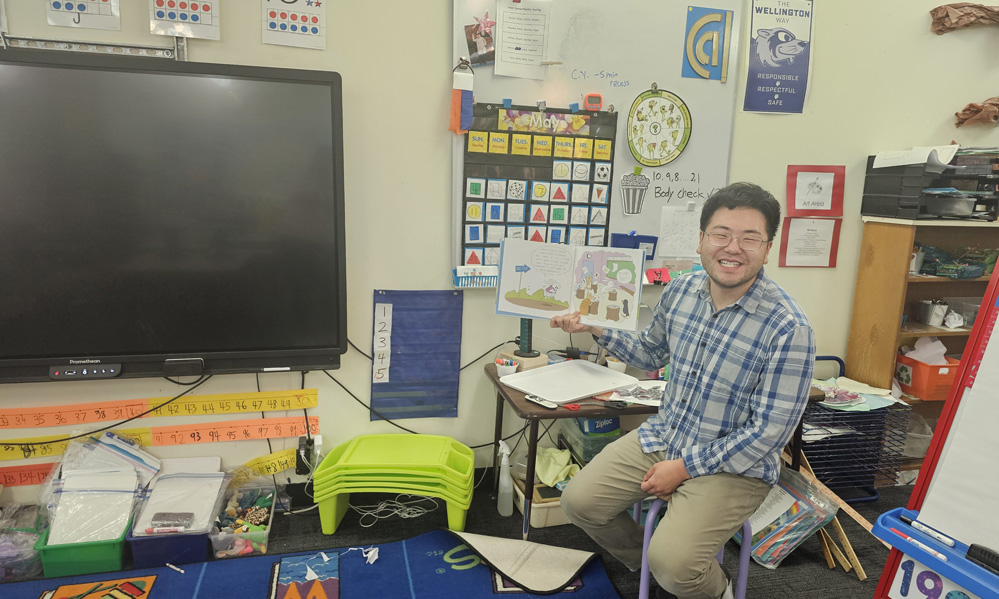
Sung Yoon, who teaches kindergarten and first grade in Woodinville, Washington, was also part of the 2023-24 cohort. He said the fellowship changed his approach to teaching. Yoon reported that when he told friends and colleagues about the fellowship, a common response was, “So you think math is racist?” He would clarify, “No, that’s not what this is about. It’s about how we teach math and dismantle the white supremacy that has been embedded since the dawn of time.”

Yoon doesn’t always spell out the racial dimension of his approach to teaching. “At our curriculum nights, I don’t explicitly say to parents that we are killing white supremacy in our math education. I do say it’s about thinking critically and coming up with our own ideas,” he explained.

Mentorship and Support

A core element of the fellowship is mentorship. The program convenes participants in Chicago and pairs each fellow with a mentor. Yoon teamed up with Sisa Pon Renie, an educational coach with Erikson Institute. “We have very similar backgrounds,” he said, “And we bonded so much over that because finding an Asian American teacher is very difficult in the United States.”

For Rounds-Kelly, the experience of working with a mentor was rewarding and beneficial, but it also revealed a lot about the educational support missing at her school, which primarily serves children from low-income families. “I just love learning from Black women in education, so when I got to work with Donna Johnson, I was like, ‘I want to learn everything from you! Give me all of your knowledge!’” she said.

Representation and Change

According to Rounds-Kelly, Johnson — the assistant director of school support services at Erikson Institute — expressed surprise that Rounds-Kelly didn’t get a stipend from her school to spend on supplies. “I was like, in what world does anyone get money to spend on their class?” she recalled. “My classroom doesn’t have heat! I can’t do all of these great things when my kids are wearing coats and hats.”

The fellowship and the mentorship have pushed Yoon to think more about representation. “When we think about assumptions about who is good at math, we don’t always see different races,” said Yoon. A lot of the fields considered mathematical are predominantly white, he added. “I love that things have been changing.”

Sunday, July 27, 2025

Teachers Share Jaw-Dropping Job Insights No One Expected

Teachers Share Jaw-Dropping Job Insights No One Expected

Featured Image

The Hidden Realities of Teaching: Insights from Educators

Teaching is often viewed as a straightforward profession, but the reality is far more complex. Educators across the globe have shared their experiences, revealing the challenges and misconceptions that many people overlook. These insights provide a deeper understanding of what it truly means to be an educator in today's world.

Misconceptions About Teacher-Student Relationships

One common misconception is that students see teachers as equals. A teacher recounted witnessing two incidents where students believed they had the same rights as their educators. For instance, a student argued that since teachers can have cellphones on their desks, he should be allowed to use his during class. Another student refused to attend class after being reprimanded, not realizing that some rules are non-negotiable. These situations highlight the need for clearer boundaries and mutual respect between students and teachers.

The Extent of Educational Expertise

Educators often face the challenge of being seen as mere babysitters rather than professionals with extensive training and knowledge. Many teachers emphasize that their role requires them to be lifelong learners, constantly updating their skills to meet the needs of their students. However, this expertise is frequently undervalued, leading to a lack of support and resources. Some educators warn that continued underfunding of public schools could result in a generation of students who struggle with basic literacy and critical thinking skills.

The Reality of Work Hours and Responsibilities

The notion that teachers work a standard 9-to-3 schedule is another myth. Many educators work well beyond these hours, often spending additional time planning lessons, grading assignments, and communicating with parents. One teacher shared that she works from 8 a.m. to 5 p.m. at school and then spends around two hours each night on work-related tasks. Additionally, teachers rarely get paid for weekend work, which can lead to burnout and dissatisfaction.

Challenges in Special Education

Special education teachers face unique challenges, including understaffing and the need to provide individualized support. An anonymous teacher from Connecticut described the chaos of working with special-ed preschoolers when substitutes are unavailable. This situation underscores the importance of adequate staffing and support for educators in specialized fields.

The Impact of Parental Involvement

Parental involvement plays a crucial role in a child's education. However, many educators express frustration with the lack of engagement from some parents. One reading interventionist noted that some parents avoid seeking help for their children, fearing judgment or stigma. This reluctance can hinder a child's progress and create a cycle of academic struggle.

Ethical Dilemmas in Grading

Some educators face ethical dilemmas when deciding how to grade students. One teacher from Arizona shared that it can be easier to pass struggling students rather than deal with the administrative burden of proper grading. This practice raises concerns about the integrity of educational outcomes and the pressures faced by educators.

Technology and Its Effects on Learning

The rise of technology has significantly impacted learning environments. Teachers report that students spend excessive amounts of time on their devices, leading to decreased reading and critical thinking skills. One educator noted that many students spend over 50 hours per week on their phones, which contributes to a culture of instant gratification and reduced academic engagement.

The Importance of Administrative Support

Administrative support is vital for educators to manage classroom dynamics effectively. A teacher recently quit mid-class due to overwhelming behavioral issues, highlighting the need for stronger support systems. When administrators stand behind their staff, it can make a significant difference in the teaching environment.

The Role of Parental Responsibility

Parental apathy is a growing concern in education. Many educators believe that funding alone cannot address the root causes of poor academic performance. Lazy parenting can lead to lazy students, creating a cycle that is difficult to break. Educators urge parents to take an active role in their children's education, fostering a culture of responsibility and effort.

Conclusion

The realities of teaching extend far beyond the classroom. From the challenges of managing student behavior to the pressures of administrative expectations, educators navigate a complex landscape. Their insights reveal the need for greater recognition, support, and collaboration between educators, parents, and policymakers to ensure a successful future for all students.

Friday, July 25, 2025

New NJ Law Mandates Schools to Share More IEP Details with Parents

New NJ Law Mandates Schools to Share More IEP Details with Parents

Featured Image

New Jersey Law Enhances Parental Involvement in Special Education Planning

New Jersey has taken a significant step toward improving transparency and communication between schools and parents of children with disabilities. A new law, signed by Governor Phil Murphy, mandates that public schools provide more detailed information to families before their child’s annual Individualized Education Program (IEP) meeting. This change aims to ensure that parents are better prepared to participate in the planning process for their child’s educational needs.

The law requires schools to send a written statement outlining the topics to be discussed at an IEP meeting no later than two business days before the session. This document should include the student’s current academic performance, functional abilities, a list of IEP team members who will not attend, and their input on the services they oversee. Parents will also receive an invitation to share feedback on proposed services. This is a shift from previous requirements, which only mandated basic details such as the meeting’s purpose, time, and location.

Prior to this update, parents were typically given additional documents, such as reports or evaluations, only if the meeting was focused on determining a student’s eligibility for special education. The new law expands the scope of information provided, ensuring that families have access to more comprehensive data about their child’s educational plan.

Expanding Support for Families

Senate Majority Leader M. Teresa Ruiz, who represents Essex County, introduced the legislation to give families more time and clarity ahead of IEP meetings. She emphasized that the goal was to provide parents with a document they could review before the meeting, allowing them to prepare questions and notes. Ruiz highlighted the challenges faced by families, especially those for whom English is not their first language, due to the complexity of IEPs and 504 plans.

A 504 plan is designed for students with disabilities who do not require specialized instruction but still need accommodations to succeed in school. However, the new law does not apply to 504 plans, focusing instead on IEPs, which are legally binding documents outlining specific services for students with disabilities.

Challenges and Concerns

While the new law is seen as a positive development, some advocates believe it may not go far enough. Peg Kinsell, policy director at the SPAN Parent Advocacy Network, called the law a “first step” but noted that two business days may not be sufficient for parents to fully understand and prepare for the meeting. She pointed out that the information provided is just one part of the IEP, and parents may still struggle to grasp the full scope of their child’s needs.

Elizabeth Athos, senior educational equity attorney at the Education Law Center, agrees that the law helps bridge knowledge gaps between schools and families. However, she stresses that more can be done to support parents who may not fully understand their child’s disability or how to navigate the IEP process. Without adequate preparation, meaningful participation during meetings may be difficult.

Growing Need for Special Education Services

The new law comes amid a growing number of children in New Jersey requiring special education services. Researchers at Rutgers University found that autism rates among 8-year-olds without intellectual disabilities increased by 500% from 2000 to 2016, while overall cases among children with intellectual disabilities tripled during the same period. In Newark, home to the state’s largest school district, 1 in 20 children had been diagnosed with autism as of 2020, compared to 1 in 167 in 2000.

Newark Public Schools has seen a significant increase in the number of students with disabilities. Last school year, nearly 7,000 students with disabilities were enrolled in the district, highlighting the urgent need for improved support systems. However, the district has faced challenges in meeting these needs, including issues with reporting, parent notification, and attendance at IEP meetings.

Future Steps and Recommendations

To address these challenges, the new law establishes an IEP working group within the state’s education department. This group will review the IEP process, compare practices across states and districts, and identify legal limitations. The group, composed of educators, parents, and advocates, must submit recommendations within four months of its formation.

Advocates hope the working group will lead to meaningful improvements in how IEPs are developed and implemented. As the new law takes effect in the upcoming school year, the focus remains on ensuring that families have the tools and information needed to advocate effectively for their children.

Jessie Gómez is a reporter for Articles of EducationNewark, covering public education in the city. Contact Jessie at jgomez@Articles of Education.org.

Tuesday, July 22, 2025

Q&A: Can Centering Experience Boost Teacher Training?

Q&A: Can Centering Experience Boost Teacher Training?

Featured Image

Understanding the Experiences of Black Women in Teacher Education

Mariah Harmon, an assistant professor of education at Penn State's College of Education, has dedicated her career to studying how teacher education programs can better support minoritized teachers. Her recent work focuses on centering the voices and needs of Black women who are training to become educators. This approach aims to improve their experiences and create more inclusive environments within the education system.

Harmon recently co-authored a study published in the International Journal of Qualitative Methods, which explored the experiences of Black women pre-service teachers—individuals enrolled in teacher education programs but not yet in professional roles. The research involved 10 Black women from across the U.S., who participated in in-depth interviews and eight two-hour "counterspace" sessions conducted via Zoom. These sessions allowed participants to discuss issues related to their identities and experiences in teacher education.

What Is Qualitative Research?

Qualitative research involves studying concepts, experiences, and opinions that cannot be easily quantified. In this study, the focus was on understanding the lived experiences of Black women in teacher education programs. By listening to their stories, researchers aimed to gain insights into how these experiences shape their development as future educators.

The study investigated several aspects of the participants' journeys, including their experiences as students, their time in teacher education programs, their hopes for their future classrooms, and their overall needs for success. Through these discussions, the researchers sought to understand the ideologies and commitments of the participants, which informed their growth as educators.

Challenges Faced by Black Women in Teacher Education

The study found that many of the participants felt isolated, disappointed, and resentful toward their teacher education programs. They reported that the curriculum often did not reflect their identities or values, making it difficult for them to see themselves in the pedagogies and practices they encountered. This disconnect between the program and their personal experiences created a sense of alienation.

Additionally, the issue of tokenism was highlighted. Many of the participants felt pressured to represent all Black individuals in their programs, which added an extra layer of stress and responsibility. This invisible work—beyond just completing coursework—often impacted their ability to learn in a safe and supportive environment.

When individuals are positioned as "the other," it can lead to a range of consequences. The normalization of certain curricula and pedagogies can make it seem like being authentic is seen as different rather than part of the norm. This dynamic can hinder the development of a truly inclusive educational environment.

Can Centering Black Women’s Voices Help Address the Teacher Shortage?

Yes, according to Harmon. A key issue in teacher education is the lack of belonging. Pre-service teachers from all backgrounds want to feel seen, heard, and accepted as their authentic selves. Expanding the definition of what it means to be an effective teacher is essential. This requires understanding the diverse experiences—both positive and challenging—that future teachers bring with them.

However, this process takes time. Building relationships between pre-service teachers and their instructors is crucial, but it can be difficult when there is a pressing need to fill teaching positions quickly. Despite these challenges, addressing the unique experiences of Black women in teacher education can make the field more appealing to a broader range of candidates, especially women of color.

Assumptions About Teachers and Students

A common assumption is that teachers from minoritized groups will automatically relate to students from similar backgrounds. However, this is a dangerous oversimplification. While shared identity markers may suggest some level of connection, they do not guarantee a shared perspective on education or its systems.

Most teachers have navigated the traditional education system successfully, which can shape their views and practices. Without critical reflection, these perspectives can reinforce existing biases and discriminatory practices. Instead of assuming similarity based on identity, it is important to explore individual experiences and challenge past assumptions.

By reflecting on their own experiences—what Harmon calls "ghosts"—teachers can rethink how they approach their classrooms. This process allows them to move beyond survival and focus on helping their students thrive.

Conclusion

The findings from this study highlight the importance of centering the voices of Black women in teacher education. By doing so, institutions can create more inclusive and supportive environments that benefit both educators and students. This work is not only necessary for addressing the teacher shortage but also for fostering a more equitable and effective education system.

Thursday, June 26, 2025

How Wendy Kopp, Founder of Teach for All, Aims to Reverse the Alarming Global Education Decline

How Wendy Kopp, Founder of Teach for All, Aims to Reverse the Alarming Global Education Decline

  • Wendy Kopp founded Teach for America decades ago, spurning a career on Wall Street that was synonymous with her 80s generation.
  • Her mission has since expanded to Teach for All, which oversees a network of 15,000 teachers reaching 1.3 million students around the world, from the U.S. to India, Zimbabwe, and Afghanistan.

Wendy Kopp grew up as a member of "the me generation," during a period of time when she says young, highly educated Americans were "convinced that we all wanted to go to work on Wall Street."

But that ideology didn't resonate with Kopp, who graduated from Princeton University in 1989.

When firms were trying to recruit graduates who could commit two years to work at their firm, Kopp asked herself, "Why aren't we being as aggressively recruited to commit just two years to teach in our country?"

She became heavily invested in answering that question.

"It's a big, complex, systemic challenge, and we know that no one thing will solve this problem, that ultimately it will take many things, which means it will take a lot of leadership, at every level of the system, the whole ecosystem around kids," Kopp told 's Julia Boorstin in a recent interview for the Changemakers Spotlight series. Kopp was named to the 2025 Changemakers list .

"We need what we've come to call collective leadership, meaning enough people who are on a mission to make the system work for kids, who are all working together, exercising leadership in their individual positions, as teachers, as school leaders, as school system leaders in government, as social innovators, as advocates, but who are also stepping up from their individual pursuits and working together."

Kopp began making that mission a reality decades ago as founder of Teach for America, but the mission has grown. "There was a particular year when we met 13 people from 13 different countries who were determined that something similar needed to happen in their countries," said Kopp. Teach For All, the newer organization where Kopp is also founder and CEO, oversees a network of 15,000 teachers reaching 1.3 million students around the world, from the U.S. to India, Zimbabwe, and Afghanistan.

She shared with her ideas on leadership and what needs to change in the way we educate children, including the role of AI. And she made clear there is still a lot of work left to be done.

"We are really in the midst of this very depressing, huge educational decline," Kopp said. "Educational outcomes on average in the developed countries, the OECD countries, have been declining since before Covid, and for something like 30 years-plus, they've been declining in low to middle income countries."

AI is a good thing in the classroom

Education is not failing students for lack of trying, according to Kopp. "A lot of people are throwing a lot at the issue," she said, but added that a key lesson she has earned is that focusing on the technical practices of education, the curriculum, the technology, and getting the buildings open, is important but not sufficient. "We need to figure out how to foster the sense of purpose throughout a system so that all those things are done with intention, and that's really where we've been lacking," she said.

Kopp says AI is a good example of how this lesson can go heeded, or if not heeded, lead to disappointing outcomes. Despite widespread fears about AI, the most important positive from her perspective is that AI has given every teacher a personal assistant.

"That's game-changing," she said. "These are some of the most overworked professionals, and now they can do many, many things much more easily. So that is already a revolution," she added.

But she stressed that it is only the technology "in the hands of an extraordinary teacher" that is an "incredible accelerant of good things for kids."

However, technology in a school "where there's no sense of purpose and where you don't have engaging teachers, becomes the world's biggest distraction."

"We need to be really careful about assuming that the technology will solve the problem, because everything we've seen tells us that if we want to have change in education [and] we want to have positive things happening for kids, we need to first think about the people in the puzzle and cultivate what we've come to call collective leadership, cultivate the teachers and the school leaders and the whole system to be on a mission to ensure that all kids learn and to get kids on that same mission."

It is only in that context, Kopp says, that technology can be revolutionary.

New generations have a huge opportunity before them

In her early days at Teach for America, Kopp would send handwritten letters to investors and organizations, an era when email did not exist. From 10 letters, she might get one or two positive responses and one meeting with the goal of funding Teach For America.

"I just kept telling myself, as long as I get two yesses, or even one yes ... Because then one person connects you to the next person," she said.

Kopp said right now there is plenty of evidence of current young generations' commitment to justice, and environmental sustainability, and platforms like social media make the world's challenges more visible than ever. In a 2022 commencement address she delivered at her alma mater Princeton, she said she was "tempted" to call the graduates an "activist generation," but she quickly added, "it's premature to define you. It's the choices that you're about to make, and that you'll make in the coming years, about what to do with your time and energy, that will define you."

She told the "most valuable asset" these generations have is their time and energy to take on the world's biggest challenges and to be part of collective movements to actually solve them.

And she says key to this "boots on the ground" mission will be selling the idea just as she did to the doubters. Back when she was getting Teach for America founded, people in schools and school systems were supportive of the need, but also told her, "this will never work. You will never get college students to do this."

That only made Kopp double down on her mission. "That was the feedback, I thought, 'Okay, well, I know we'll get the college students.' I had real confidence in pursuing it."

But Kopp also stressed that conviction isn't at its best alone. "We've got to walk the right line between confidence and humility," she said. "We need to act on our convictions, on our values, on our big ideas, but also be open to learning and build the relationships and ask for feedback. I think it's getting that intersection right."

Being obsessed with an idea lasts a lifetime for young leaders, and their students

As her educational mission has scaled across the globe, Kopp has seen how young graduates from engineers to political science majors can quickly develop a track record of leadership after enlisting for just two years.

"Those two years are so important for their students and so important for the leadership trajectories of those teachers. They're completely transformative. They lead to a lifetime of leadership," she said.

Dating back to the founding of Teach for America, the organizations have brought in 120,000 people who committed just two years "but have never left the work," Kopp said. "75% of them never leave the work after their two-year commitment to teach. They may leave the classroom, but they become those leaders who are working throughout the system, who have the networks and relationships to work with each other and with many others in the system to affect the changes that we need to see," she said.

That has stayed true as the organization's mission expanded globally, and to countries where Kopp worried it would be hard for people to stay long-term. "Yet we saw the same results everywhere, even the same data points. You could be in Chile or Peru or Austria or India, and no matter what, you commit two years, and 75% of you will never leave," she said.

If at first young educators came into the mission thinking of it as a "kind of a technical problem and solution," and they would emerge as civic leaders in other segments of society, Kopp says they came out "really understanding the complexity, the systemic nature, the adaptive nature of the solution."

"What we saw through that research is they really become the leaders we need, who have such a sense of possibility, such a deep understanding of the issues and their solutions, and we also saw that their career trajectories and priorities completely shift," she said.

Kopp says "once you get obsessed with an idea, you can't let it go."

"And that's why we need young people tackling big challenges," Kopp said. "They'll ask big questions and dive in without being held back by all the experience."

One healthy life hack for the frequent traveler

Kopp has traveled the globe as a result of her work, and as a result, she has logged plenty of hours failing to solve a problem unrelated to education: jet lag.

But she finally figured it out. "I used to have such severe jet lag when I would go from East to West, back home, and I heard from someone the trick is you don't eat on the plane, and when you land, you go on a run before you eat anything. And for many, many years, I didn't do it. I finally just resorted to it, and I've not had jet lag since."

"I travel so much, and it really has solved my problem."

Watch the full Changemakers Spotlight video above for more of Kopp's views on the current state of education around the world and the new generation of leadership required to meet the challenge.

Wednesday, June 18, 2025

Who Can Still Afford to Become a Teacher in California?

Who Can Still Afford to Become a Teacher in California?

This story is a collaboration between and Open Campus .

Shayna Meikle owns Pigeon’s Roller Rink in Long Beach, along with a nearby skate shop and another rink in Mission Viejo. She spends most days in front of a computer, tending to the minutiae of running a business, or updating her company’s social media.

But, a few times a week, Meikle throws on a pair of skates and teaches clients the basics.

“Bend your knees!” she instructs them. “And stick your butt out!”

“Arms in front of you,” she adds, as she extends her own.

About a decade ago, Meikle’s life looked different. As part of a teacher-training program, she taught science to middle schoolers.

But the money Meikle earned wasn’t enough to cover her living expenses. To make ends meet, she had to work after work.

During the week, Meikle was at her assigned campus in the city of Bell by 7 a.m. At 3:30 p.m., she’d clock out and race down to Carson for her college classes. From 7 to 10 p.m., she did roller skating gigs across the South Bay, and ran her own roller derby league. Then, she’d head home to Long Beach, exhausted. On weekends she was either at games, or studying and lesson planning.

Her schedule was intense, but she enjoyed the work. “I love science, and I love[d] the students,” she said. “I could have done that my whole life.”

But halfway through the four-year program, Meikle quit to focus on skating full-time.

Meikle doesn't regret it. But in the context of ongoing teacher shortages in California, that choice speaks to a broader failure to create conditions that entice educators to enter, or stay in, the field — conditions that are further complicated in Southern California by the cost of living and getting around.

In 2022, half as many people graduated from California's teacher-prep programs as in 2004, the peak year, according to the Learning Policy Institute .

“I think most people don't understand what it takes to become a teacher, the hoops you have to jump through,” said Jarod Kawasaki, department chair of teacher education at Cal State Dominguez Hills.

On top of proving subject matter competence and passing a string of required testing, K-12 teacher candidates in California must complete at least 600 hours of time working in a classroom — more than many other states in the country. Often, that labor is unpaid.

But to cultivate a reliable and diverse teacher workforce, experts don’t recommend scaling back on those requirements. Instead, they call on policymakers and stakeholders to design programs that help prospective educators meet them without self-sacrifice.

Staying in the classroom meant saying no

When Meikle was an undergraduate at UC Santa Cruz, she planned to conduct government-funded research or work in public park restoration after graduating.

But Meikle graduated shortly after the Great Recession. And when the jobs she’d had her eye on evaporated, she had to pivot.

A teacher-prep program at Cal State Dominguez Hills promised to let her put her degrees in geology and ecology and evolutionary biology to good use. In exchange for a four-year commitment to teach science, the program would cover the cost of her university coursework. Meikle would also earn about $19.50 an hour and receive an annual $4,000 stipend.

“For me, straight out of college, I was, like: ‘Oh my god! Nineteen dollars and fifty cents an hour? This is amazing!’” she said.

Meikle spent the summer of 2011 learning about classroom management. Three months later, she had a classroom of her own. The program didn’t assign her a mentor teacher, she said, so she sought one out for herself. All in all, the start of her teaching career felt like being a baby bird getting pushed out of its nest, she told .

Her stipend went to classroom supplies and professional clothes. The bulk of her wages went to pay off student loans. There wasn’t much left after that.

Little by little, the skating gigs got bigger. “I was getting all these opportunities, and I was getting paid well,” she said.

Meikle also started seeing she was having a positive impact on adults.

Meikle recalled meeting a mother of five who had struggled with suicidal thoughts. After six months in the roller derby league, the woman shared with Meikle that skating made her feel "more alive than ever." Meikle didn’t doubt the importance of her work after that.

With time, Meikle started getting coaching gigs around the world. But to take on those jobs, she had to leave her students with substitutes — something she didn’t like.

Meikle also began to envision a life outside the classroom, one with more flexibility and less burnout: “I have to go be a professional skater, or stay here and say no to all of these opportunities,” she thought.

What it takes to be a teacher

California offers multiple pathways toward completing the 600-hour requirement, including traditional teacher-prep programs and residency programs, which are modeled after medical residencies and usually provide some form of compensation.

Cathy Yun is deputy director of the Educator Preparation Laboratory , an initiative spearheaded by the nonprofit Learning Policy Institute and the Bank Street Graduate School of Education in New York City. The project has partners across the country, including UC Berkeley and UCLA. It aims to ensure that teachers enter the classroom ready to provide students with an education that fosters “deeper learning” skills, including critical thinking.

Yun has been studying teacher-prep programs since 2019. Before that, she started several residency programs at Fresno State.

Throughout the U.S, she told , “fewer people are seeing teaching as a desirable or viable career choice.”

The shortages, Yun said, are especially pronounced in special education, dual-language instruction, math and science.

The 600-hour requirement is meant to give aspiring educators ample time in the classroom before they get a chance to lead one of their own, Kawasaki said. But the requirement can serve as a barrier, particularly at Cal State Dominguez Hills, where many students are either Pell Grant recipients (a federal award for students with “exceptional financial need”) or the first in their families to go to college (a trait associated with lower household income).

The semester before student teaching is often a “stopping point” for prospective educators, Kawasaki told . Students will say: “I can’t quit my job, so I’m going to [take a] pause.”

Most students do come back, he said, but it can sometimes take years. In the meantime, students might save up to have money set aside while they complete their clinical hours. Others return to the program after landing coveted internships, which provide a salary .

“Is 600 hours great for learning? Absolutely,” Kawasaki said. “But [the requirement] assumes that you have the means to be able to do that without working.”

California requires more student teaching than many other states, including Arizona, Kentucky, Pennsylvania and Texas.

But to attract more candidates to the profession, Kawasaki doesn’t believe it would be wise to lower California’s requirement. Spending a significant amount of time at a school, he said, allows aspiring teachers to see what it takes to help students grow. It also enables them to become part of the school community.

A teacher who stayed

Kevin Gutierrez is a middle school science teacher at Young Oak Kim Academy in Koreatown. He’s been at the school for eight years, including the time he spent student teaching.

Like Meikle, Gutierrez signed up for a teacher-prep program that fast-tracked him into the classroom. In 2016, immediately after earning a bachelor’s degree in public health at UC Irvine, he enrolled at UCLA. There, he worked toward a master’s degree in education and a preliminary credential in biology and general science. The program paid for most of his tuition — but Gutierrez still had to figure out how to pay for his living expenses.

During the week, Gutierrez used public transportation to move between Downey, where he lived; Koreatown, where he taught; and Westwood, where he studied. He paid using his UCLA TAP Card, which offered free unlimited rides. While he was in transit, he usually graded student work or caught up on sleep.

After teaching all day and going to class, Gutierrez worked as an Uber driver, usually from 10 p.m. to 2 a.m. He also picked up shifts on weekends.

Early on in his program, other challenges emerged. First, Gutierrez’s landlord renovated the apartment he shared with his family in Lynwood and used that as a reason to jack up the rent. Then, Gutierrez’s mentor teacher passed away.

What kept him going through this difficult time?

Gutierrez’s program paired him with another mentor, who was extremely supportive, he said. Plus, his colleagues at Young Oak Kim Academy were always checking in. They’d routinely pop by his class and ask: “Hey, do you need anything?”

Gutierrez also endured because of personal motivation. He wanted to honor his mother, who fled violence in El Salvador as a teenager and didn't get to go to high school.
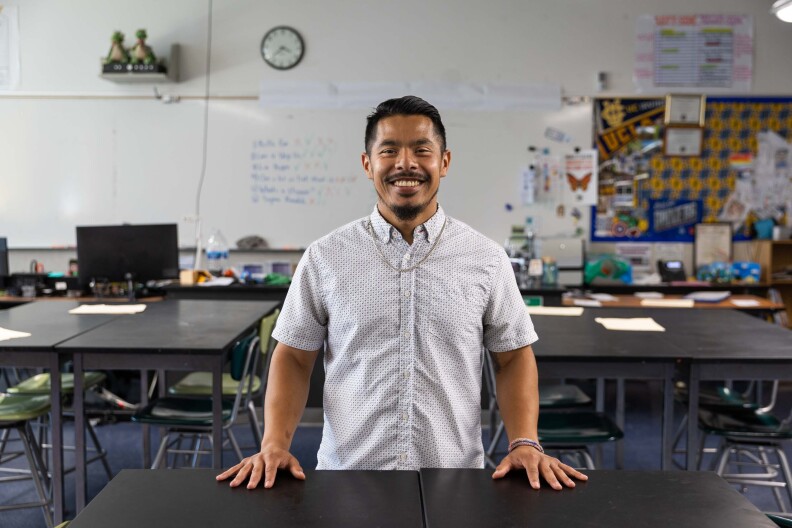
He also thought about a child he met while volunteering as an undergraduate. The boy was in fifth grade, but he couldn’t add or subtract. Gutierrez was dismayed that the child had gotten that far in school without learning fundamental math.

He’d also noticed that there weren’t many Latinos leading classrooms. As someone who lost his father at a young age, he wanted to be a role model for others.

At UCLA, faculty learned about the challenges Gutierrez was facing and secured an additional grant to help him out. “It took so much weight off my shoulders,” he said.

Despite that grant, the tuition support and all the Uber rides, Gutierrez still had to take out a loan to get through school. “But it wasn’t huge,” he said.

Building a diverse workforce

To attract more prospective teachers — and to make the profession more accessible to candidates from historically excluded groups — experts say it’s essential to consider the cost.

Kawasaki, the department chair at Cal State Dominguez Hills, has conducted research on the cost of becoming a K-12 educator , particularly for students from working class communities of color. For some of the California students in his research, getting through their prep programs required skipping meals to save money, or going without sleep so they could work.

In his work, Kawasaki notes that even teacher-prep programs with “frameworks that define teaching and learning around disrupting historical and current oppressive policies,” largely ignore the material needs of teacher candidates of color. “I, too, am complicit,” he wrote.

A 2023 report found that, nationally, more than 60% of all full-time, public school teachers have taken out student loans to pay for their education. Among them, more than one third reported working multiple jobs because of their student debt.

“If we are really serious about addressing the [teacher] shortage, and especially addressing the shortage with a diverse workforce, then there has to be something that's done in terms of alleviating the financial burden that so many of our [teacher candidates] have to take on,” Kawasaki said.

Estela Zarate, dean of Loyola Marymount University’s school of education, noted that for many first-generation college graduates, “teaching is often the entry point to a middle-class job.”

“The cost of living has increased so much, particularly in areas like Los Angeles,” she said.

Incurring a loan to pursue teaching and then not being able to buy a home because you’re in debt is not going to draw more people to the profession, she added: “The math doesn't add up.”

In a May 2025 report , Yun and her colleague identified characteristics of high-quality teacher residency programs. These include a full-year of teaching experience alongside a mentor, coupled with the gradual release of responsibilities. Compensation for carefully-selected mentors and financial support for residents, they said, is also key.

To promote retention, the report also includes recommendations for policymakers. At the federal level, Yun and her colleague suggest covering teachers’ monthly student loan payments, so long as they remain in the classroom.

To encourage more people to join the profession at the state level, California Assemblymember Al Muratsuchi, a Democrat from Torrance, has introduced a bill to pay student teachers the same daily rate as substitute teachers.

The bill has advanced with bipartisan support through the Assembly and will be heard by the Senate’s education committee on June 25. But whether it’ll pass is anyone’s guess, given that California is grappling with a $16 billion decline in tax revenue .

Saying goodbye

Leaving education, Meikle told , is one of the toughest choices she’s ever made. “I cried about it. I went on long hikes by myself to think about it,” she said.

Before making her decision, she asked everyone around her for guidance. Meikle even asked her students to weigh in.

She polled her nearly 300 students: “Should I, your favorite teacher, leave you to do roller skating full time?”

All but one student said yes.

The rest told Meikle: “Go, Miss. Follow your dreams.”

Illustration by Olivia Hughes.

Notification
This is just an example, you can fill it later with your own note.
Done