
Articles of Education: safety
News Update
Loading...
Showing posts with label safety. Show all posts

Thursday, August 21, 2025

"Stranger Danger" Is Out. Experts Advise New Safety Lessons for Parents

"Stranger Danger" Is Out. Experts Advise New Safety Lessons for Parents

Featured Image

Teaching Kids to Stay Safe Without Instilling Fear

Balancing safety education with a child's sense of security is a challenge many parents face. From learning to look both ways before crossing the street to recognizing when something feels off, developing situational awareness is crucial for children. However, it's equally important to maintain their confidence and trust in the world around them.

Experts are now shifting away from traditional "stranger danger" warnings, emphasizing instead the importance of teaching kids how to recognize and respond to unsafe situations. As children grow, they encounter various real-world risks, such as getting lost in a crowd or dealing with peer pressure at a sleepover, along with digital challenges like managing social media and online interactions. While these scenarios vary, the underlying skills remain consistent.

Children who learn to trust their instincts, pause before reacting, and rely on trusted adults are better equipped to navigate both physical and digital environments with confidence and care.

Fear Isn’t the Goal

According to Titania Jordan, an online safety expert and chief parenting officer at Bark Technologies, the goal is to empower rather than alarm. She suggests using short, calm, and actionable scripts such as, “Pay attention to what’s around you and who’s around you,” or, “If something doesn’t feel right, you don’t need to explain — just move away and come find me.”

Jordan also emphasizes the importance of discernment, both online and offline. Teaching kids to ask themselves questions like “Does this feel right?” or “Do I have enough information?” helps build a strong internal compass that supports thoughtful decision-making in different environments.

In the digital world, situational awareness is just as vital. Jordan encourages parents to help kids develop their own “gut checks” online. “Trust that little voice that says something feels off. And remember, not everyone online is who they say they are,” she said. Role-playing online scenarios, like handling requests for personal information, can help kids identify red flags before they occur.

Media literacy is another key component of safety. Teaching kids to verify information through trusted sources lays a foundation for safe and confident decision-making in both digital and real-world spaces.

Moving Away from Stranger Danger

Many experts now believe that the traditional “stranger danger” message is outdated and potentially harmful. Dr. Funda Bachini, division chief of psychiatry at Phoenix Children’s, explains that teaching kids to fear all strangers can increase social anxiety and hinder their ability to form healthy relationships.

Instead, she recommends focusing on behavior rather than identity. Safe adults, she notes, do not ask kids to keep secrets, break rules, or ignore their discomfort or the word “no.” Regular, short conversations integrated into daily life are more effective than one-time lectures. These discussions should encourage children to express their perspectives while also addressing any concerns parents might have.

Dr. Jacqueline Nesi, a clinical child psychologist and assistant professor at Brown University, adds that these lessons work best when part of an ongoing, open dialogue. Having a plan that can be revisited as new challenges arise helps create a baseline framework for safety and expectations.

Keeping It Age-Appropriate

Safety guidance naturally evolves as children grow. For younger kids, Kelsey Mora, a dual-certified child life specialist and licensed therapist, recommends keeping instructions simple and concrete. Involving children in everyday situations, such as ordering food or answering the door, helps foster independence and confidence.

As children reach school age, safety conversations expand to include topics like body autonomy, consent, and identifying “tricky people.” Rosalia Rivera, a consent educator and child sexual abuse prevention specialist, suggests the Trusted Adult Network approach: teaching kids to identify and build relationships with multiple safe adults rather than fearing all strangers.

For teenagers, the focus shifts from direct supervision to open communication, creating a partnership rather than a monitoring dynamic. Discussions about social media, consent, and peer pressure become more relevant as teens spend more time away from parental oversight.

Addressing Individual Needs

Not all children learn the same way. For those with developmental or social learning differences, safety education should be tailored to individual needs. Alisha Simpson-Watt, executive clinical director and founder of Collaborative ABA Services, emphasizes the effectiveness of direct instruction, visual support, and repetitive practice.

Tools like video modeling, social stories, and visual cues can reinforce concepts such as personal space, recognizing unsafe situations, and understanding consent. The goal is to help children apply these skills across different settings, including home, school, and the community.

Common Mistakes and Misconceptions

One major misconception is that safety comes from perfection. Devorah Heitner, author of “Screenwise: Helping Kids Thrive (and Survive) in Their Digital World,” highlights that mistakes are part of the learning process. The most important thing is ensuring children feel safe coming to parents when something feels wrong.

Punitive responses often backfire, as taking away a phone after a mistake can prevent children from seeking help in the future. Instead, fostering open communication and a culture of curiosity is more effective. Kelsey Mora advises asking questions and reinforcing that parents are a safety net, not a judge.

Another dangerous mindset is believing, “It won’t happen to my kid.” Jordan has seen cases where children were targeted despite being considered “good” or “smart.” Overprotection is another common challenge. Dr. Bachini admits it’s hard to let go, but kids must experience real situations within safe parameters to learn how to handle them.

Building Resilience, Awareness, and Confidence

Teaching children to stay safe without instilling fear is a delicate balance. From early lessons about boundaries and body autonomy to navigating peer pressure and digital challenges in adolescence, safety skills develop gradually through consistent practice and open, honest conversations.

With patience, clear guidance, and ongoing dialogue, parents can help children grow into cautious, confident, and resilient individuals. Jordan suggests using a simple script to show kids that we’re on their team: “Fear can be paralyzing, but wisdom gives you power. Let’s explore and learn together.”

The messages we send our children matter. When rooted in calm, consistent empowerment, they create a strong foundation for lifelong safety and self-assurance.
Wednesday, July 30, 2025

Back-to-School Essentials Guide

Back-to-School Essentials Guide

Featured Image

Planning and Scheduling as the First Step

As the summer winds down, it's a perfect time to start preparing for the new school year. One of the most important steps in this process is creating a clear plan and schedule. As soon as you receive your children’s individual school schedules, take the time to sit down with your partner or family members and fill out a calendar with all the key dates and events. This includes not only school-related activities but also after-school programs, extracurriculars, and any other commitments.

Using a visual calendar in your home can be incredibly helpful. It allows everyone to see what's coming up and helps identify any potential conflicts. Additionally, having a visual representation of their schedules makes it easier to plan family trips or getaways during breaks. Don’t forget to schedule checkups with the doctor, dentist, and optometrist early on. These appointments can be tough to fit in at the last minute, so planning ahead ensures that everything is covered without added stress.

Syncing your calendars on devices like Apple’s calendar can also help keep everyone organized. Having a shared family schedule ensures that both parents and children are on the same page regarding work, school, and personal commitments.

Setting a Routine for Success

Once the schedules are set, the next step is to develop a consistent routine that works for your family. Think about which days will be best for exercise, date nights, or other personal goals. Having a mental map of these activities can help you stay accountable and make the most of your time.

A strong nighttime routine is especially important for children. While it can be challenging to enforce sleep schedules, consistency usually leads to better results. When kids get enough rest, they tend to perform better in school and are generally happier. A simple tip is to lay out outfits the night before, which saves time and reduces morning stress.

Charmspring is a great tool for helping kids stay organized. Their Springboard board is designed for children aged 0–12 and uses illustrated activity tiles to teach daily routines and transitions. It encourages planning, focus, and self-regulation in a fun and engaging way.

Morning Routines That Work

Starting the day right is essential. Many parents find that getting up a little earlier allows them to enjoy a cup of coffee or catch up on emails before the chaos begins. Even if breakfast isn't always possible, maintaining a healthy morning routine can make a big difference.

For me, taking probiotics in the morning has become a non-negotiable part of my routine. I also try to keep the morning flow smooth by having one child shower while another eats, then switching roles. This structure helps the kids transition into the day more easily and keeps things running smoothly.

Managing Allergies and Safe Lunches

Allergies are an important consideration when preparing meals for school. Each school district may have different rules, so it's crucial to communicate with your child’s teachers to understand any specific requirements. Keeping a note of classroom allergies on the fridge or a sticky note is a practical way to stay informed when packing lunches or snacks.

It’s also a good idea to share this information with other parents to ensure everyone is on the same page. Being proactive about food safety helps create a safer environment for all students.

Creative Meal Ideas for School and Home

Finding creative and nutritious meal ideas is another key aspect of back-to-school preparation. Researching recipes that excite your kids can make mealtime more enjoyable. Even if they aren’t picky eaters, variety can prevent boredom and encourage healthier eating habits.

I love experimenting with different cuisines and flavors, especially since my son has a particular fondness for Indian food. Planning meals in advance and even pre-freezing some dishes can save time and reduce stress, especially during busy weeks.

Embracing the New School Year

While it's hard to say goodbye to summer, the structured routine of the school year offers its own rewards. The excitement of new experiences and the energy of starting fresh can be incredibly motivating. Watching your children grow and learn throughout the year is a rewarding journey.

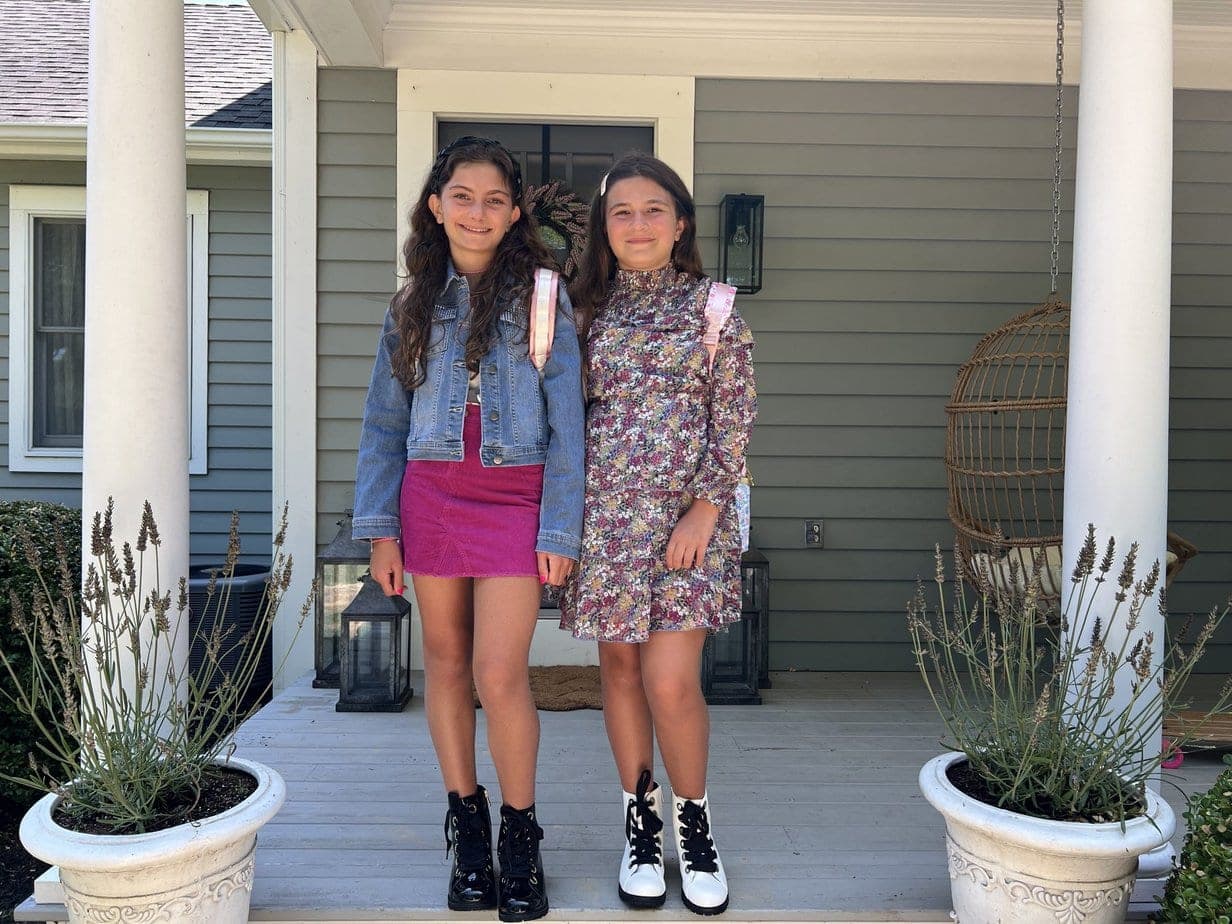
Finally, don’t forget to capture the moment. Taking a photo on the first day of school is a great way to remember this special time. It's a small but meaningful tradition that can create lasting memories.

Wednesday, June 18, 2025

Charlotte Schools' Viral Safety Debate: What Students Really Think

Charlotte Schools' Viral Safety Debate: What Students Really Think

More than 6 million people viewed the video posted to X in March. A high school student appeared to sucker punch another in the back of the head, then got out of his seat and swung again.

The other student fell to the ground, wailing. Both attended Ashbrook High School in Gaston County.

Just weeks earlier on March 3, another fight made headlines after a 10th-grade student at Mallard Creek High School in north Charlotte said she was attacked by seven other girls, sustaining a concussion. Later that week, a female student said a male student attacked her at Ardrey Kell High School in south Charlotte.

In an age when nearly every student is armed with a smartphone, videos of physical fights often make their way onto social media and TV screens. But are schools actually less safe than before?

The crime rate in Charlotte-Mecklenburg Schools has decreased after a spike following the pandemic, state data show , though it still is slightly above pre-pandemic levels. Experts, students and parents agree that challenges like social media and staffing shortages play a role in shaping the current landscape of school safety in North Carolina. And, while fights between students often get a lot of attention online, they're not a main concern when it comes to student safety, according to students, educators and parents who spoke to The Charlotte Observer.

NC school safety perceptions

The prevalence of fights depends on who you ask.

"Fights are pretty common at my school," said Quinten Canty, a rising senior at West Charlotte High School. "The staff is great, and they do what they can. But the school is overcrowded, which leads to a likelihood of more fights."

Canty said conflicts often start outside of school and then students bring those animosities into the school building.

"It's not school itself that's a problem," he said. "It's more that there are some people that bring outside negative energy into school and end up fighting at school."

While the North Carolina Department of Public Instruction collects district-specific data about criminal offenses in schools, it does not record data related to physical fights among students, an NCDPI spokesperson told The Charlotte Observer.

Lucy Silverstein is a student at Providence High School and the current student advisor to the CMS Board of Education. She says fighting is rare at her school and that student safety concerns revolve more around the possibility of external threats, including school shootings or, recently, the possibility of Immigration and Customs Enforcement agents near schools.

"When I think of school safety, I think of both physical and mental safety," she said. "I feel physically safe at school, but other things can play into feeling mentally safe, like being prepared for things like active shooter threats … And I think race and ethnicity can play a role, too, especially now with what's happening with I.C.E. and immigration."

Silverstein said she believes CMS can do more to prepare students for what to do in the event of an active shooter emergency. Another CMS student, Marley Hefner, told the CMS Board of Education earlier this month the two lockdown drills at her school this year were "messy and uncoordinated."

"Students need more than two lockdown drills," Hefner said at the board meeting June 5. "Whether it's more lockdown drills, lessons or simply being able to openly speak about it more, we need students and staff to be much more prepared for shootings and violence."

Karla Stovall is the Parent Teacher Student Association president at Ardrey Kell High School. She said, even after the altercation at her school in March, she's heard relatively few concerns from parents about fights.

"I think folks basically know that fights are going to sometimes happen in high school. You have people that are learning how to be grown-ups, and they don't always know what to say or do," she said. "But nothing has been heightened, as far as what's been expressed to me."

Like Silverstein, Stovall said the majority of concerns she hears from parents are about the possibility of an active shooter situation, not about fights among students.

The Observer spoke to three CMS educators about whether they feel safe at school. Each requested anonymity, but none indicated they feel unsafe day-to-day due to violence. One mentioned concerns about school shootings but said she believes every educator likely feels some degree of fear about that - not just in CMS.

What the data show

The crime rate in CMS increased after the COVID-19 pandemic when students returned to in-person instruction. It has decreased since the 2021-22 school year - the first year students were back in-person - and hovers slightly higher than it was prior to the pandemic.

The overall crime rate in CMS was 10.07 acts per 1,000 students during the 2023-24 school year. That's calculated based on all instances of illegal offenses, including weapon possession, assault and, most commonly, drug possession. During the 2022-23 school year, the rate was slightly lower, at 9.97 acts per 1,000 students.

In the five years prior to the onset of the pandemic, the overall crime rate sat between 8 and 9.5 acts per 1,000 students.

During the 2023-24 school year, the rate of assault in CMS decreased to 1.87 per 1,000 students, which is in line with pre-pandemic numbers, according to state data. That includes assaults on school personnel, sexual assaults, assaults with a weapon and assaults with "serious bodily injury." The state doesn't report a specific statistic for assaults on students like it does for assaults on personnel.

The overall crime rate didn't decrease with the rate of assaults, largely because drug possession charges surpassed a 10-year high . More than 60% of the crimes recorded in CMS in the 2023-24 school year were possession of a controlled substance, accounting for 858 out of 1,414 total incidents.

The rate of suspensions in CMS, the vast majority of which are short-term, increased post-pandemic but decreased between the 2021-22 school year and 2023-24 school year.

Statewide, the rate of crime and violence in schools decreased, according to the latest data from NCDPI. Around 77% of NC schools reported zero to five acts of violence during the 2023-24 school year.

Social media

Students and experts alike agree that social media and a slow adjustment after the pandemic are huge challenges when it comes to school safety.

"The biggest issue is socialization… When you get back, the numbers go up because people are adjusting to being back in school and learning in a different environment," said Karen Fairley, director of the NC Center for Safer Schools. "Socialization with other people was minimized, and now you have to readjust to life in school with other people again."

Fairley said the ubiquity of social media causes problems. Even when kids don't use their phones at school, social media behaviors outside of school have an impact.

"We see professionals, politicians, parents, adults who are supposed to be role models engaging in that type of behavior online, and our children are watching," she said. "So, they're going to mimic what they see."

Canty said he believes most conflicts at West Charlotte start online, usually on Instagram.

"The majority of fights that occur happen over social media, and then transfer to a physical altercation," he said. "It usually starts on Instagram, but also on Snapchat, maybe even TikTok."

The Center for Safer Schools launched Teen Tech Talk Tuesday in 2022. On its Facebook, Instagram and X accounts, it offers tips each Tuesday for keeping teens safe online. Still, Fairley said it's critical for parents to talk to their kids about social media, limit teen phone use to certain times of the day and monitor what their kids are doing online.

CMS requires phones to be "off and put away" during school hours. Each school can decide how to enforce the rule.

Stovall said the policy has been a step in the right direction.

Of the 115 school districts in North Carolina, 77 have implemented cellphone use policies , and legislation is moving through the General Assembly that would require the rest to do the same. NC House Bill 87 would require all K-12 public schools in North Carolina to adopt a policy eliminating or severely limiting student access to cell phones in the classroom. It overwhelmingly passed the House and currently awaits a vote in the Senate.

As of January, all public school districts in South Carolina must have a policy requiring students to have their phones off and away during the school day.

Staffing challenges

Canty and Stovall alike said staff shortages can prevent educators from closely monitoring safety issues that arise in school.

"The staff at West Charlotte, including the security team and the teachers, do a great job at trying to combat these situations and prevent them, but they can't be in multiple places at once," Canty said. "In spreading everybody out, it weakens their ability to prevent these fights."

Stovall said she'd like to see more support for educators, including more teaching assistants.

"I feel like our teachers have so much that they do during the day that it's difficult for them to monitor these situations that can get out of control," she said. "With more teaching assistants, that's another set of eyes that would be in the classrooms and in the hallways."

CMS has 365 teacher vacancies for the 2025-26 school year, including 86 vacancies at the high school level, as of June 12. The district also slightly increased its student to teacher ratio in grades 10 through 12 this year. So, while that reduced vacancies by about 40 positions on paper, that didn't mean there were more teachers in school.

Meanwhile, the district currently has an average of 1,574 students for every one school psychologist. The National Association of School Psychologists recommends a ratio of 500 students to every one psychologist, and research indicates that school psychological services decrease as ratios of students to school psychologists increase.

Solutions

Fairley said the state has implemented several measures in recent years that have been effective, including developing threat assessment teams, promoting anonymous reporting and creating peer-to-peer mentorship programs.

"All of these things help to bring numbers down," she said. "I think we are more diligent to recognize the things that need to be done in order to create a safer school environment."

The North Carolina Task Force for Safer Schools launched a five-year state action plan in 2021 with the goal that "every school in North Carolina will be a safe school where all students can learn, all teachers can teach and all school staff can do their work without any concerns for their well-being."

In April, Gov. Josh Stein announced the creation of an advisory council on student safety and well-being, comprising educators, mental health professionals, legislators and law enforcement.

"North Carolina's children are our future, and it is crucial that they grow and learn in a safe environment that sets them on the right trajectory to thrive," Stein said in an April 7 news release.

CMS has also implemented some of its own safety measures in recent years.

"CMS police provides survival training for all CMS staff and employees to prepare for emergencies and partners with local jurisdictions to provide school resource officers for all middle schools, high schools and K-8 schools, as well as unarmed campus security associates," CMS Chief of Safety Mark McHugh told The Observer.

All of the district's middle and high schools have used body scanners during daily arrival and extracurriculars, with the first arriving in the 2021-22 school year.

CMS began using the Say Something anonymous reporting system in 2022, which allows students and families to submit anonymous tips about safety concerns. Canty said the system is useful, but he believes many students still aren't aware of it.

"I think it could be more heavily advertised," he said. "Even though it's anonymous, some people might not use it because they feel like it's snitching … but it's not snitching if you're trying to prevent something from becoming a dangerous or hazardous situation."

Fairley said, while it's impossible to control everything that happens, her goal at the Center for Safer Schools is to create an environment as conducive to learning as possible.

"Sometimes, depending on the area, depending on what's going on in the culture, depending on what's just going on in a community, you'll have an ebb and flow of things," she said. "But it is a team effort of the schools, the parents, the students and us working together to ensure that schools are safer."

Notification
This is just an example, you can fill it later with your own note.
Done