Articles of Education: science
News Update
Loading...
Showing posts with label science. Show all posts

Monday, August 4, 2025

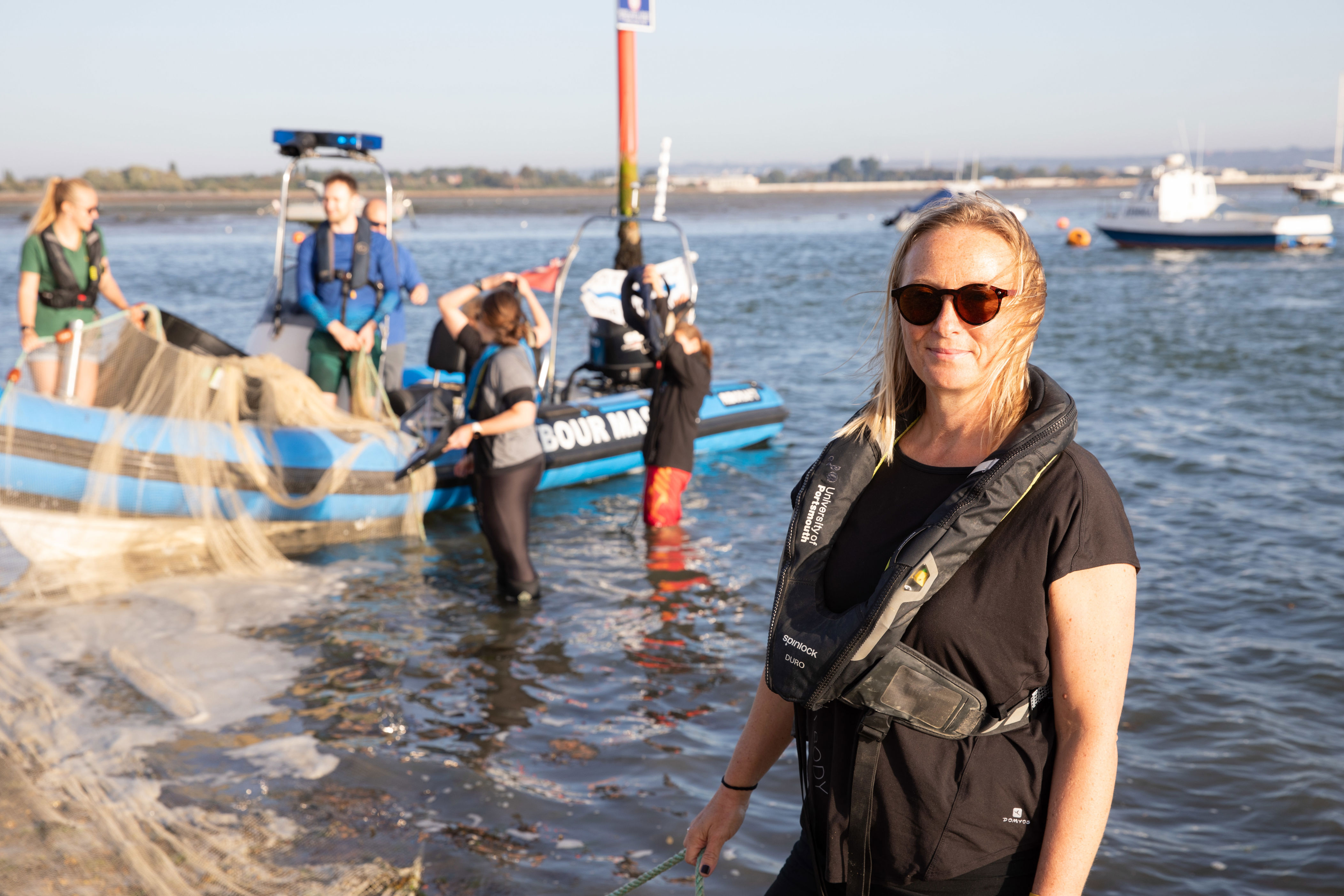
Ocean Studies or Marine Sciences? Hemel Students Explore Top South Coast Research University

Ocean Studies or Marine Sciences? Hemel Students Explore Top South Coast Research University

Featured Image

A City Shaped by the Ocean

Portsmouth, a city uniquely positioned as the only island city in the UK, has long been defined by its deep connection to the ocean. From its natural deep-water harbor to its rich maritime history, the city's relationship with the sea is both historical and evolving. Today, Portsmouth is also emerging as a hub for ocean-focused education and research, offering students and researchers unparalleled opportunities to explore and contribute to the future of marine science.

Local Studies with Global Impact

The University of Portsmouth stands at the forefront of this movement, serving as a leading research institution that drives positive change locally and globally. For those passionate about the oceans and their sustainable future, the university provides exceptional facilities and real-world experiences. Students often find themselves involved in research that influences policy and blue economy strategies across the globe, from Africa to Zanzibar.

Leading in Ocean Science Research

Addressing the complex challenges facing marine environments requires expertise from multiple disciplines and collaboration between scientists within the university and across the world. Several research centers in Portsmouth are dedicated to protecting the planet’s seas, including:

  • Marine Biology Research Group
  • Centre for Blue Governance
  • Centre for Enzyme Innovation
  • Revolution Plastics Institute
  • Institute of Marine Sciences
  • Institute of Biological and Biomedical Sciences

At the Centre for Blue Governance, researchers and students work on projects focused on the protection, restoration, and sustainable governance of aquatic environments. With over 70% of the Earth’s surface covered by water, understanding and managing these ecosystems is not only vital but also economically significant.

Understanding the Oceans

The university's international community of interdisciplinary researchers examines issues such as climate change, pollution, biodiversity loss, and the safeguarding of human health. Professor Pierre Failler, Director of the Centre for Blue Governance and UNESCO Chair in Ocean Governance, highlights the city’s long-standing involvement in oceanic studies. “When it was a polytechnic school, people were working in economics and the management of marine resources,” he explains. Over time, the university has built strong networks with policymakers across the globe, including collaborations on the Blue Economy Strategy for Africa and similar initiatives in Asia.

Hands-On Learning Opportunities

For students, experiencing healthy and degraded ocean ecosystems firsthand is crucial. Portsmouth offers both examples along its coastline, allowing students to observe and study these environments directly rather than relying solely on classroom materials.

Research Facilities and Marine Restoration

The Institute of Marine Sciences, located at Langstone Harbour, provides researchers with easy access to the diverse marine life of the Solent, including several designated conservation areas. Here, scientists monitor and test various marine environments and seawater, studying human impacts and marine behavior in these underwater worlds.

Marine restoration and conservation efforts are also central to the university’s mission. The Solent Seascape Project, endorsed by the United Nations, and the Solent Oyster Restoration Project, led by the Blue Marine Foundation, aim to restore critical habitats such as oyster reefs, seagrass meadows, saltmarsh, and bird populations.

Pollution Monitoring and Assessment

Research from the Revolution Plastics Institute has revealed alarming levels of pollution around Britain’s coastline, with microplastics and fibreglass contamination found in shellfish. Additionally, students and researchers have mapped noise pollution along UK coasts and used environmental DNA (eDNA) sampling to track changes in marine biodiversity.

Student Experience and Academic Excellence

Portsmouth is known for its progressive approach to education, with a strong reputation for innovative teaching and globally significant research. The university recently ranked 5th in overall satisfaction for research degrees according to the Postgraduate Research Experience Survey (PRES). It also secured third place among modern UK universities for research power in the Times Higher Education REF rankings.

By integrating research into undergraduate learning, the university ensures students receive a high-quality education that prepares them for future careers. Recent achievements include a student who discovered a 145-million-year-old prehistoric mammal during fieldwork on the Dorset coast.

Where Sport Meets Science

For students interested in combining academic pursuits with outdoor activities, Portsmouth offers unique opportunities. Laura Fantuzzi, a PhD student, monitors pollution and biodiversity in British coastal waters using data collected during the GB Row Challenge, an ocean rowing race event. The university’s coastal location also allows for water-based activities like sailing, rowing, and diving.

“Being on the coast is a major advantage,” says Fantuzzi. “The Institute of Marine Sciences is right on the water, and you can go out and snorkel. The water is surprisingly clear, and there’s life growing on the submarine blocks and hiding among the rocks.”

Exploring Opportunities

For prospective students, the University of Portsmouth offers a range of courses through Clearing. Those interested in applying for 2026 can visit the official website or contact the Clearing line at 023 9284 8073.
Wednesday, July 23, 2025

Students at Patrick Henry High School get hands-on with gardening

Students at Patrick Henry High School get hands-on with gardening

Featured Image

Engaging Students in Sustainable Gardening

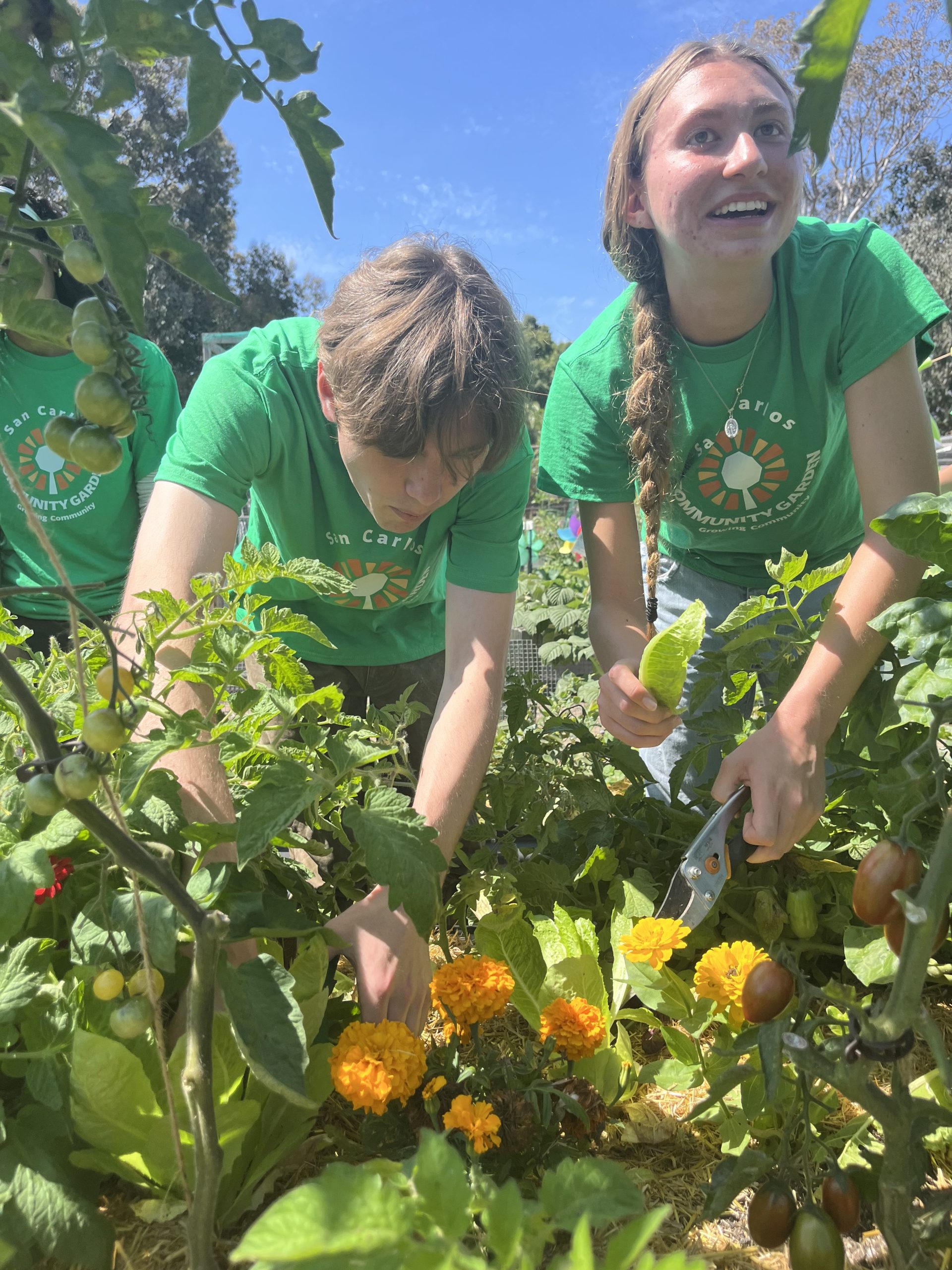
The San Carlos Community Garden (SCCG) is playing a vital role in engaging students from Patrick Henry High School through its Youth Ambassador Program. This initiative offers young people the opportunity to learn about gardening while contributing to their community. The program has become a valuable educational experience for students, combining hands-on learning with community service.

Lara Dickens, a physics and AP environmental science teacher at Patrick Henry High School, shared how the program began. Around 10 years ago, a parent and SCCG volunteer invited her AP environmental science class to participate in a fall garden event. At the time, the garden was small, and students helped supervise a bounce house and manage a pumpkin smashing booth. Old pumpkins brought by the community were turned into compost using baseball bats. It was an exciting and memorable event that sparked interest among students.

Dickens noted that while inviting students to help can be risky, it has led to meaningful opportunities. As the garden grew, so did the need for more skilled volunteers. Fortunately, there have always been garden volunteers willing to teach students about gardening. However, participation during the school year can vary due to conflicts such as sports, work, or other events. Some years see more students interested in gardening than others.

Benefits of Hands-On Learning

For those students who are able to participate in the activities at SCCG, the benefits are numerous. Dickens emphasized that students gain experience working with flowers, fruits, compost, soil, vegetables, trees, seeds, and succulents. They also learn about community planning and the logistics of maintaining a sustainable community garden.

Growing food requires a lot of effort and resources, and this program helps students understand the hard work involved. While school gardens may give the impression that gardening is fun and easy, the reality is that it takes time, dedication, and financial support. The Youth Ambassador Program brings everything together, teaching students the skills needed to grow food and appreciate the effort it takes to do so.

Leslie Nelson, a member of the SCCG Education Committee, has been involved with the community garden for about 10 years. She started by leasing raised beds and later expanded her involvement. With 35 years of gardening experience, she has worked with students of all ages since her children were in kindergarten. Prior to the pandemic, she began working with students from Patrick Henry on gardening, eventually forming the Henry Gardening Club.

Nelson continued to work with students during the summer, teaching them about gardening and helping them design and plant raised beds with veggies and flowers. Students also had the chance to interact with other gardeners at SCCG, learning about plants, ecology, and even releasing native bee cocoons. These experiences were highly beneficial and positive for the students.

Expanding the Program Post-Pandemic

During the worst of the COVID-19 pandemic, the program was temporarily halted. After restrictions eased, Patrick Henry tightened regulations on student participation at SCCG. In response, Nelson and Dickens developed a new program called the Ambassador Program. This initiative not only taught students about gardening but also introduced them to the workings of a non-profit organization.

Last year, the student ambassadors attended a leadership board meeting, gaining insight into the leadership and business aspects of running a garden. The program provided a valuable avenue for students to learn about gardening while contributing to the growth of the community.

Positive Ripple Effects

Nelson sees the many programs offered by SCCG as having beneficial ripple effects within the community. People learn how to garden organically and better understand how to make a positive impact on the environment through seminars, events, and raised bed leases. While there is still more to do, the progress made is significant.

Payton DeGroote, an educator for the Youth Ambassadors program, has seen the benefits firsthand. Although she only started this summer, she has already gained valuable hands-on experience. DeGroote is studying Ecosystem Science and Sustainability at Colorado State University and believes that learning sustainable practices in young adulthood is essential.

She has enjoyed watching high school students learn about ecology and how to run a garden. DeGroote emphasized that sustainability is becoming increasingly important due to climate change, and learning these practices early on can have long-term benefits for both individuals and the environment.

Student Perspectives

Ava Chamberlain, a first-year participant in the program, shared her experience. She was drawn to the program through her environmental science class, which sparked her passion for making a lasting impact on the world. Chamberlain described the program as educational and hands-on, with activities such as working with bees, soil, composting, and harvesting.

She also appreciated the welcoming community at the garden. Chamberlain encouraged future students to join the program, noting that no prior experience is required—just a willingness to learn and have fun. She highlighted the value of the work done, as the garden supplies food to the local food bank and Sierra School, making a meaningful contribution to the community.

A Fun and Educational Experience

Chamberlain advised future students to expect a fun and educational environment where they can ask questions, get their hands dirty, meet new people, and participate in events like the produce exchange. She emphasized that the program is open to everyone, regardless of prior experience, and encourages students to take part in the meaningful work being done at the garden.

Notification
This is just an example, you can fill it later with your own note.
Done