Articles of Education: community
News Update
Loading...
Showing posts with label community. Show all posts

Sunday, August 24, 2025

Will Detroit's School Enrollment Strategies Succeed?

Will Detroit's School Enrollment Strategies Succeed?

Featured Image

Detroit Public Schools Focuses on Retention and Enrollment Amid Challenges

Despite the summer heat, Toyia Diab brought her four grandchildren to the Summer on the Block event at Pulaski Elementary-Middle School to explore what the school had to offer. The family moved through a series of tables set up around the school’s lawn, where staff from the Detroit school district shared details about their resources while upbeat music played in the background.

This event was part of a broader effort by the Detroit Public Schools Community District (DPSCD) to attract and retain families. Over the past two decades, the district has lost more than 92,000 students, prompting officials to use the summer months to promote the benefits of attending local schools. This year, the district increased its outreach significantly, sending 40 people into communities and hosting 19 events—nearly double the number from previous years. Additionally, the district launched new initiatives such as billboards across the city, with a total marketing budget of around $3.5 million for this year.

Superintendent Nikolai Vitti emphasized that while recruitment efforts have been successful, the main challenge remains retaining students. He highlighted the importance of improving customer service and parent engagement to make families feel more welcome. “We fight harder to keep students at the schools they’re at rather than having an attitude of, ‘If you don’t like it here, then you can find another school,’” he said during a recent board meeting.

Sharlonda Buckman, assistant superintendent of family and community engagement, noted that the summer events have generated positive signs. Nearly 5,000 people attended the Summer on the Block events, which serve as both a recruitment tool and a way to connect families with free resources. These efforts resulted in 532 leads for enrollment, with around 80 students completing the process by mid-August.

While initial enrollment numbers show improvement, the full impact of these efforts will not be clear until the end of the 2025-26 school year. The district has faced several challenges over the years, including population decline, lower birthrates, state emergency management, and the pandemic. Additionally, competition from charter schools, where about half of Detroit's children attend, adds to the difficulty of maintaining enrollment.

Student mobility and chronic absenteeism also play a role in the district’s struggles. Enrollment dropped from over 156,000 in the 2002-03 school year to 49,000 last year. However, there has been some progress, with enrollment increasing to 50,890 students as of this month, according to Vitti.

The district has also focused on early enrollment, as the number of students recorded on "Count Day" is used to determine state funding. Early enrollment numbers often exceed official headcounts made in October.

Outreach Efforts and Community Engagement

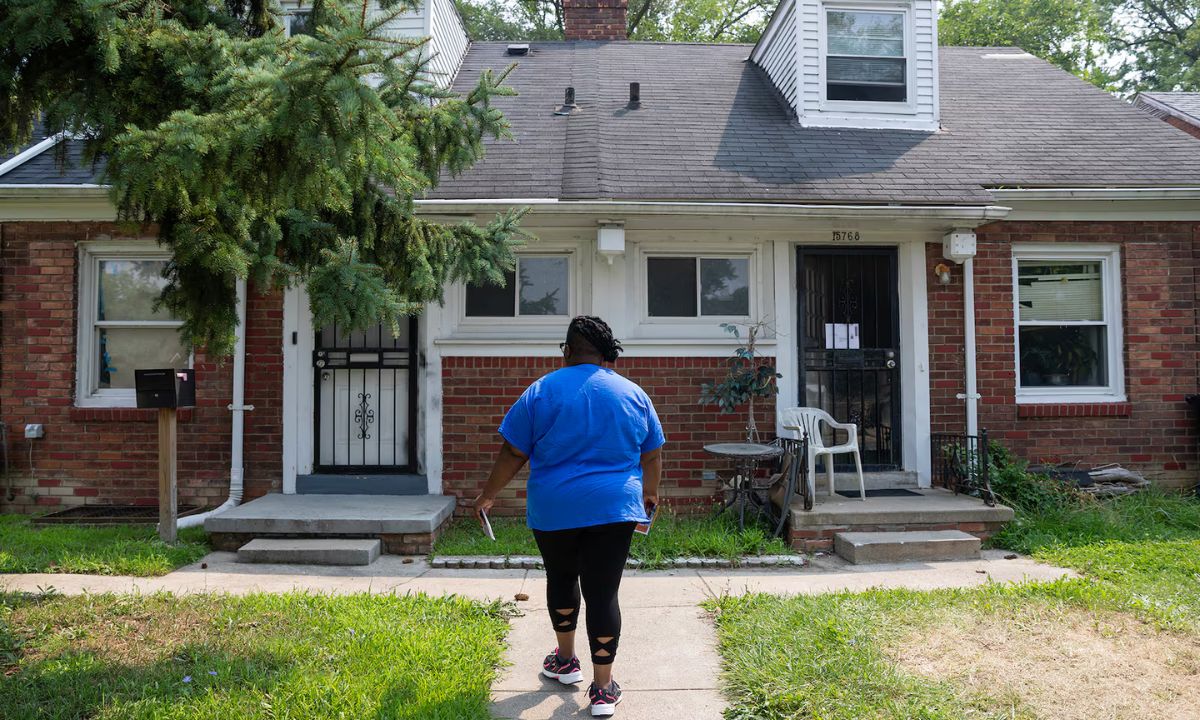
Three days before the Summer on the Block event, more than 20 individuals gathered in a sunlit classroom at the Detroit School of Arts. They were part of a team contracted by the district to canvas homes in areas with low attendance compared to the number of school-aged children living there. This summer, canvassers visited over 78,000 homes to inform families about the district’s schools and programs.

At the event, participants received materials such as fliers listing Summer on the Block dates and pamphlets highlighting programs at application schools. Before heading out, they shared their experiences door-to-door, noting both positive responses and hesitations from residents. Laura Gomez, who has been canvassing for three years, mentioned that recent immigration-related issues, such as detentions and deportations, have affected some families’ willingness to engage with the district.

Tanya Shelton and her son David visited the Crary St. Mary’s neighborhood, where they asked families about their school districts and provided information about DPSCD. Many families were interested in the district’s free school lunches and academic support services. However, many doors went unanswered, and literature was left at numerous homes.

Families Consider Programming, Academics, and Transportation

At the Pulaski event, Alexa Franco-Garcia observed more students signing up for the school than in previous years. She noted that several families had already completed enrollment, while others left contact information to return later. Parents often asked about curriculum, extracurricular activities, class sizes, special education support, and transportation options.

Enrolling young learners remains a key strategy for the district, with 457 prekindergarten students enrolled by the beginning of August—an increase of about 10 compared to the same time last year. Diab, who brought four grandchildren to the event, learned about the district’s health hubs, parent academy, and mental health resources.

The event attracted more than 350 attendees, thanks to activities like fresh produce boxes, an ice cream truck, free books, and kids' activities. Linn Flake, the first second-grader to enroll at Pulaski, chose DPSCD over his previous charter school due to the availability of bus service. His mother, Roxanne Flake, appreciated the convenience of transportation, which she found essential without a car.

Diab said she would continue researching before making a final decision for her family. “We’re going to come here and figure everything out—ask questions, all of that stuff, and then if it’s the right fit for them, we’re gonna put them in,” she said.

Sunday, August 17, 2025

Rural School Shortage Hinders Indiana's Voucher Growth

Rural School Shortage Hinders Indiana's Voucher Growth

Featured Image

The Growth of School Choice in Indiana and Its Impact on Rural Communities

The Christian Academy of Indiana, located near the Kentucky border, serves students from 56 different ZIP codes across southern Indiana. Some families travel up to 30 miles to enroll their children, often carpooling, because of the school’s strong emphasis on Christian education and its extracurricular programs. Lorrie Baechtel, the director of admissions for the school, which is part of a larger network spanning Indiana and Kentucky, noted that while there are many good public school options in the state, families choose the academy for its mission-driven approach.

The school has seen a significant increase in enrollment over the past four years, driven in part by the expansion of the Choice Scholarship, Indiana’s voucher program. This initiative has made private education more affordable for families, with enrollment rising from around 700 students in the 2021-22 academic year to over 1,200 in 2024-25. This trend reflects a broader shift in Indiana, where voucher use has surged as eligibility requirements have been relaxed. By 2026, the program will be available to all families, regardless of income.

However, the ability of the Christian Academy to attract students from distant areas highlights an important challenge: rural students are not using vouchers at the same rate as their urban and suburban counterparts. One reason for this disparity is that one-third of Indiana counties do not have a private school that accepts vouchers within their borders. Additionally, distance plays a key role in parents’ decisions about school choice. Students living closer to urban centers, which typically have more voucher-accepting schools, may use vouchers at rates up to 30 percentage points higher than those in neighboring rural districts.

This imbalance could become even more pronounced when new federal tax credit scholarships begin rolling out in 2027. Jon Valant, director of the Brown Center on Education Policy at the Brookings Institution, pointed out that if there are no schools available in a student’s area, the voucher system may not be effective for them.

Public education advocates argue that the shift of state funding toward vouchers leaves less support for rural public schools. Chris Lagoni, executive director of the Indiana Small and Rural Schools Association, compared the situation to hosting more guests at a dinner without increasing the meal size. “We’re inviting more and more folks to Sunday dinner,” he said, “but it’s a little bit of a bigger meal, and a lot more guests.”

Despite these concerns, Indiana’s Republican lawmakers have dismissed fears about the impact on rural schools, citing strong support for school choice among rural voters. They argue that parents want educational options, whether through private, charter, or traditional public schools.

School choice advocates believe that recent expansions of the Choice Scholarship, along with growing interest in smaller learning environments and the rise of voucher-accepting online schools, could eventually improve access for rural students. Eric Oglesbee of the Drexel Fund, a nonprofit organization that supports new private schools, emphasized the importance of a diverse ecosystem of educational options.

Challenges in Accessing Private Schools

Across Indiana, approximately 76,000 students received vouchers for the 2024-25 school year, a 6,000 increase from the previous year. The program cost the state $497 million last year, with the average voucher recipient coming from a household with just over $100,000 in income. However, around one-third of counties lack a voucher-accepting private school within their borders, according to a Chalkbeat analysis of state data.

Voucher use varies significantly between urban and rural areas. For example, 16% of students in the Madison school district in southern Indiana use vouchers, but the rate drops to as low as 1% in nearby rural districts. Similar trends are observed in other regions, including Indianapolis, Evansville, Fort Wayne, and South Bend.

Driving distance is a major factor in how parents choose schools. A 2024 survey by EdChoice found that half of parents would drive up to 15 minutes for a better school, while a quarter would go up to 20 minutes, and another quarter up to 30 minutes.

Rural areas have long faced challenges in accessing quality education, with some regions referred to as “schooling deserts.” A 2018 report by EdChoice estimated that 3% of Indiana students, many in rural counties, lived more than 30 minutes from a charter, magnet, or voucher-accepting private school.

Starting a new private school in a rural area presents unique challenges, including finding a building and securing funding. A 2023 Drexel Fund report highlighted that facilities in the state are inadequate for new entrants, despite affordable real estate. However, new laws, such as House Enrolled Act 1515, aim to provide more flexibility for both public and private schools by allowing shared facilities with government entities and community organizations.

Community Support and Financial Pressures

Opening a private school requires more than just a building—it also needs staff and students. In rural areas, where populations are smaller and teacher shortages are common, attracting both can be difficult. Oglesbee emphasized that a school is more likely to succeed if the community actively requests it.

Indiana House Speaker Todd Huston has expressed optimism about school choice in rural areas, noting that communities are “super excited” about the policy. However, voters in Indiana have not had a direct say on voucher programs, and there is no legal avenue to overturn them. In contrast, voters in Kentucky and Colorado recently rejected ballot measures supporting school choice, while Nebraska partially repealed a scholarship program.

Chris Lubienski of Indiana University pointed out that resistance to vouchers often stems from the idea that taxpayers should not fund programs they cannot use. In rural areas, support for school choice may actually mean support for transferring students between public school districts.

The Rural Schools Association believes that any school receiving state funds should meet the same standards of transparency and accountability. While Huston expects voucher usage to grow once the program becomes universal in 2026-27, the financial strain on rural public schools continues.

Pressure on Rural Public Schools

With more school options available, rural public schools face downward pressure on local tax revenue and declining enrollment. Vigo County schools recently announced plans to close two rural elementary schools as part of a broader effort to renovate facilities and expand programming. Enrollment has declined slightly due to population loss, though voucher use is not the main driver of the decline.

While 429 students used vouchers in the 2023-24 school year, an increase from 252 the previous year, many students have transferred to other public school districts. Without their nearest public schools, students may now have to travel longer distances to attend school.

Rural schools often serve as economic and social hubs, providing employment and fostering community identity. Closing a school can have far-reaching effects beyond education. However, school choice advocates argue that expanding options can strengthen communities by offering more choices for families.

EdChoice’s Alli Aldis believes that stronger educational options can only benefit communities. “If people have more choices, that only strengthens the community,” she said.

Sam Black: The Power of Accountability and Community in Conquering Pornography

Sam Black: The Power of Accountability and Community in Conquering Pornography

Featured Image

The Hidden Epidemic in the Church

Pornography has quietly taken root within the walls of churches around the world, leaving lasting damage on individuals, relationships, and ministries. In this second part of a series, Sam Black, Director of Life Change Education at Covenant Eyes, reflects on the profound spiritual, relational, and neurological effects of pornography. He explores why it thrives in secrecy and how accountability can lead to transformation.

Black, who has written The Healing Church: What Churches Get Wrong about Pornography and How to Fix It, emphasizes that the conversation must shift from shame and silence to one of healing, discipleship, and hope. For years, the topic has been avoided in church settings, but this silence has allowed the problem to grow unchecked.

“I think most people are shocked to learn how widespread this is in the church,” he said. “Pastors are struggling. Leaders are struggling. Young people are exposed at earlier and earlier ages. And yet, many feel they have nowhere to turn.”

Research supports this claim, showing that pornography use is common among Christians, not just in the wider culture. While the statistics vary, the pattern is clear: exposure starts early, compulsive use affects both men and women, and secrecy allows the issue to worsen.

“Secrecy is the oxygen pornography needs,” Black explained. “When people believe they can’t speak about it, the struggle intensifies.” For Black, these are not just numbers—they represent families broken, ministers disqualified, and believers wrestling with guilt and despair.

More Than a Moral Issue

While many in the church view pornography as a moral failing, Black argues that its impact goes much deeper, affecting both the brain and heart. Research shows that pornography literally reshapes the brain, creating neural pathways that reinforce compulsive behavior.

“This is why simply telling people to stop rarely works,” Black said. “Their brain has been rewired to crave what it was never meant to handle. Healing requires not just willpower, but renewal—spiritually, relationally, and neurologically.”

In The Healing Church, Black bridges the gap between science and faith, showing how discipleship and accountability help restore broken neural patterns. “God designed our brains to be plastic, capable of change. When we replace destructive habits with healthy rhythms, the brain rewires again. That’s where hope comes in.”

The Cycle of Shame

One of the most damaging dynamics is the cycle of shame that traps those struggling with pornography. “Shame tells you that you are the only one, that if people really knew you, they would reject you. It drives people back into isolation, which is exactly where pornography thrives,” Black said.

The cycle typically follows a predictable path: temptation, use, guilt, shame, secrecy—and back to temptation again. Each repetition deepens feelings of unworthiness and reinforces the compulsion. By contrast, confession and accountability dismantle this cycle.

“The gospel tells us we are known and loved by God, even in our brokenness. When people encounter safe community where they can be honest, they begin to experience freedom,” Black said.

Accountability as Discipleship

At the heart of Covenant Eyes’ approach is accountability—not as surveillance or punishment, but as a form of discipleship. “Accountability is about walking in the light together,” Black explained. “It’s saying, ‘I’m not going to do this alone. I want someone in my life who asks me the hard questions, who celebrates victories with me, and who reminds me of the gospel when I stumble.’”

In practice, accountability often means pairing individuals with trusted allies—friends, mentors, or spouses—who can receive regular reports, ask honest questions, and encourage consistent progress. Technology can facilitate this process, but the heart of the work is relationship.

“Technology alone doesn’t change hearts,” Black emphasized. “It creates opportunities for conversations. Real transformation happens when people engage those conversations with grace and truth.”

Families on the Frontlines

Black also highlights the critical role of families in addressing the issue. Today’s children are being exposed to explicit content at younger ages than ever before. “The average age of first exposure is shockingly low,” he said. “Parents cannot assume their children will somehow avoid it. We need to have age-appropriate conversations early.”

He encourages parents to be proactive, guiding children through open discussions about technology, identity, and relationships. “If a child feels they will be shamed or punished for being honest, they will hide. But if they know their parents are safe people to talk to, they will be more likely to share.”

A Church Responsibility

The responsibility does not rest solely with families. Churches must also address the issue from the pulpit, creating spaces for confession and healing. “Too often, people think the church is the last place they could bring their struggle, when it should be the first,” Black said.

Fear often prevents pastors from speaking openly, but silence only perpetuates the problem. Black notes that growing movements are breaking the silence, with some churches launching support groups or partnering with ministries focused on sexual integrity.

A Global Challenge

While pornography has often been seen as a Western issue, Black underscores that it is now a global challenge. Internet access has made explicit material available anywhere, from megacities to rural villages. “Wherever smartphones go, pornography follows,” he said.

Covenant Eyes has seen its resources used in multiple languages and contexts, emphasizing that the need for accountability transcends cultural boundaries. “Every culture needs safe places for confession, prayer, and discipleship,” Black added.

Stories of Hope

Despite the widespread nature of the issue, Black remains hopeful. He has witnessed marriages restored, leaders renewed, and young people set on new trajectories. “I’ve seen countless people experience freedom,” he said. “I’ve seen pastors step back into ministry after walking through healing.”

The common denominator in these stories is not human determination, but grace. “Our identity is not defined by our failures. It is defined by who we are in Christ. When people begin to grasp that truth, it changes everything.”

In this second part of the series, Black has outlined the scale of the problem and the pathways toward healing through accountability, discipleship, and community. In the final installment, he will share practical strategies for churches, leaders, and families seeking to respond faithfully—and explore how the global church can turn the tide on one of the most pressing discipleship challenges of our time.

Saturday, August 2, 2025

Phoenix Summer Camp in Coconino County: A Legacy of Endurance at Camp Colley

Phoenix Summer Camp in Coconino County: A Legacy of Endurance at Camp Colley

Featured Image

A Phoenix Program for Kids to Escape the City's Summer Heat and Get Outdoors

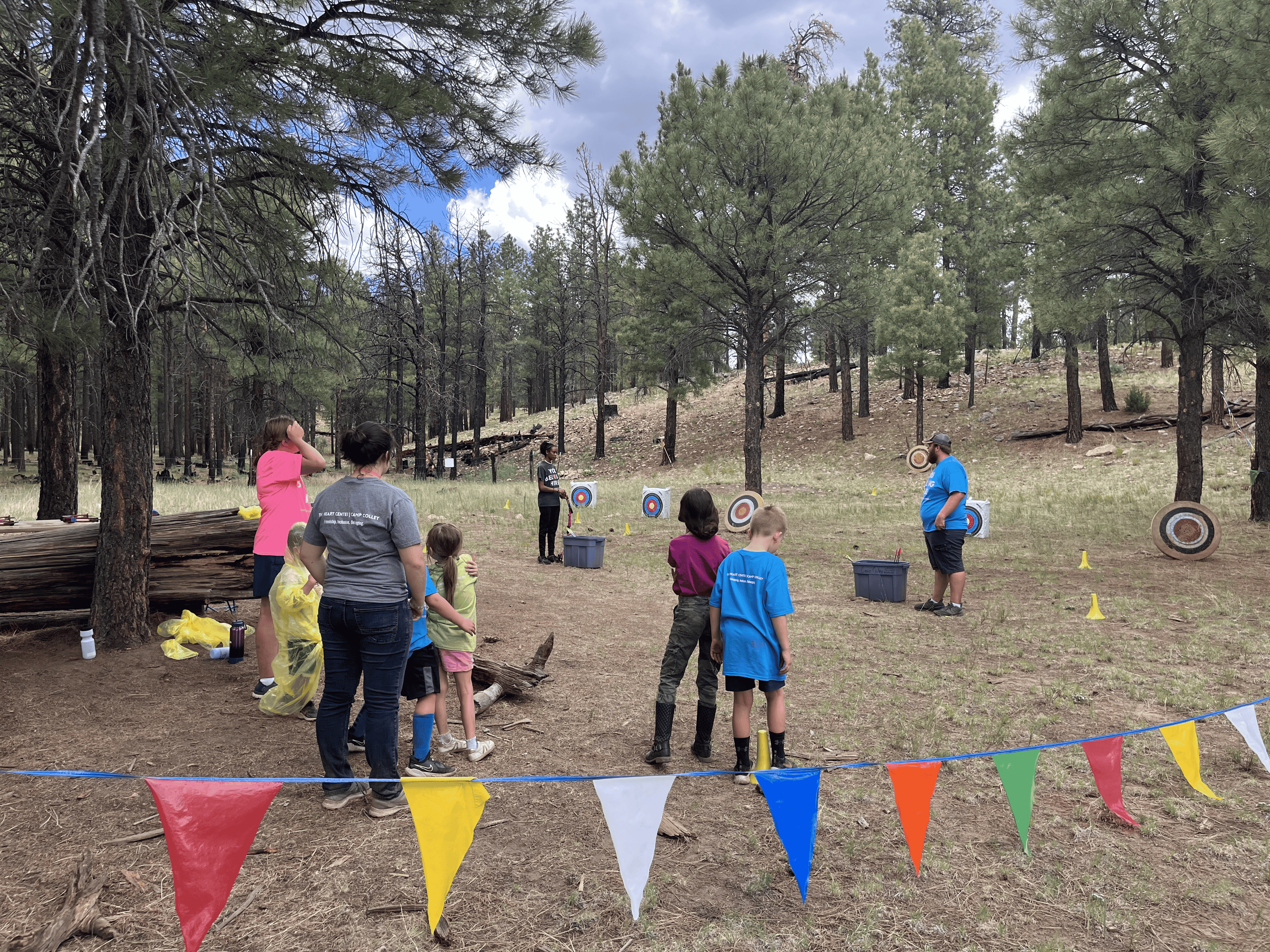
A summer program in Phoenix that helps kids escape the city's scorching heat and enjoy the outdoors has returned for its second year after a recent hiatus. This initiative, known as Camp Colley, is part of the city’s efforts to provide children with meaningful outdoor experiences. Over the past two decades, the camp has faced financial challenges but has continually adapted its programming to meet the needs of the community.

Camp Colley is located in a remote area north of Payson, nestled within dense forests. The camp was founded by James A. Colley, a former director of the Phoenix Parks and Recreation Department. His vision was to create an accessible space where children from underserved communities could benefit from outdoor recreation. According to the American Academy for Park and Recreation Administration, Colley dedicated his career to expanding programs that catered to children of all backgrounds.

In 2023, the H.E.A.R.T. Center, a nonprofit organization focused on providing equestrian recreational therapy to disabled and neurodivergent youth, took over operations of Camp Colley. The center brought its expertise in creating inclusive learning environments and refined the program's commitment to serving underrepresented populations.

“We know wholeheartedly what the mission of this place is, what it stands for, why it exists,” said Chelsea Harden, founder and executive director of the H.E.A.R.T. Center. “It is really important that we make sure that camp is cost-effective and that cost is not a barrier for people to attend.”

The partnership between Phoenix and the H.E.A.R.T. Center reflects the camp’s long history of collaborating with local organizations to ensure its continued operation. Claire Miller, a park supervisor for Phoenix, emphasized the importance of experiential learning opportunities like Camp Colley.

“You can bring a lot of information and stuff to the kids down in the community centers, but there's nothing like having this kind of an experiential opportunity to really be in the pines,” said Miller.

Who Can Attend Camp Colley?

Camp Colley is open to children aged 7 to 15 who are residents of Phoenix or have a parent with a Phoenix Parks and Recreation account, as well as students of the H.E.A.R.T. Center. The camp runs from mid-June to late July, with fees ranging from $175 for a three-day session to $275 for a five-day session. Leadership roles are also available for teens aged 16 to 17, with fees from $100 for a three-day camp to $150 for a five-day camp. Young adults with disabilities aged 18 to 22 can participate in leadership roles at no cost.

Fees include transportation from Phoenix to the campgrounds, meals, and lodging. Additionally, Phoenix offers scholarships so that families can attend at no cost.

Despite facing financial crises and the impact of the global pandemic, Camp Colley has remained a vital resource for the community. In 2001, Phoenix purchased the land for the camp for $1.38 million and opened the campgrounds the following year. Throughout the 2000s, the camp expanded its facilities to include stables for an equestrian program, solar panels for off-grid power, and a bathhouse for hot showers.

A History of Challenges and Adaptations

In 2008, during the Great Recession, the Parks and Recreation Department faced staff reductions and budget cuts that threatened the camp’s existence. At that time, the Camp Colley Foundation stepped in to help raise funds for lower-income youth. However, the camp faced further challenges, including a Coconino County permit noncompliance issue in 2012, which led to its closure for the summer. In 2017, the Arizona Parks and Recreation Fellowship ended its relationship with the camp, resulting in another lost year.

Tonto Creek Camp took over operations for two years before handing it back to the Camp Colley Foundation in 2020. The program was closed again in 2020 due to the pandemic and in 2021 because of wildfires. For the next two years, Camp Colley had no operator until the H.E.A.R.T. Center decided to step in and revitalize the program.

Expanding Upon Camp Colley’s Framework

Harden, who previously worked as a counselor at Camp Colley, recognized the potential for the camp to focus more on therapeutic activities. She became a certified recreational therapist and established the H.E.A.R.T. Center in 2014 to provide therapeutic horsemanship to students with developmental disabilities.

“By having recreation therapists on staff, we’re able to adapt the activity to support the physical-cognitive needs of all the students that attend camp,” said Harden.

Campers spend three to five days at Camp Colley, engaging in activities such as horse care, crawdad fishing, and hiking. These activities aim to foster social and emotional learning, with group games designed to teach communication and teamwork skills. Other activities, like archery, help improve hand-eye coordination.

A Popular Equestrian Program

One of the most popular aspects of the camp is the equestrian instruction. Alex Halping, a horse riding instructor for the H.E.A.R.T. Center, noted that horses are particularly effective in helping neurodivergent children manage their emotions.

“The biggest thing with these animals is that they're incredible at mirroring and regulating emotions,” said Halping. “The horses get them, and they get the horses in a way that I can't explain.”

Neurodivergent campers benefit from mixed-ability environments, where they learn alongside neurotypical peers. This approach allows for smaller group sizes and specialized support, making it easier for children who might struggle in larger settings to integrate and build friendships.

Leadership Opportunities for Teens and Young Adults

As campers grow older, they can return to Camp Colley in leadership roles. These positions offer work experience and help build resumes while allowing participants to develop skills in counseling and other areas. Young adults with disabilities can also return to the camp to gain essential work skills in a safe environment.

Employing young adults has helped address staffing challenges that the camp has faced in the past. “It is so great to see it up and running,” said Miller, “and have kids experience the benefits of being out in nature.”

Wednesday, July 30, 2025

Bibb County Schools Cracks Down on Student Absences: What You Need to Know

Bibb County Schools Cracks Down on Student Absences: What You Need to Know

Featured Image

Focus on Reducing Chronic Absenteeism

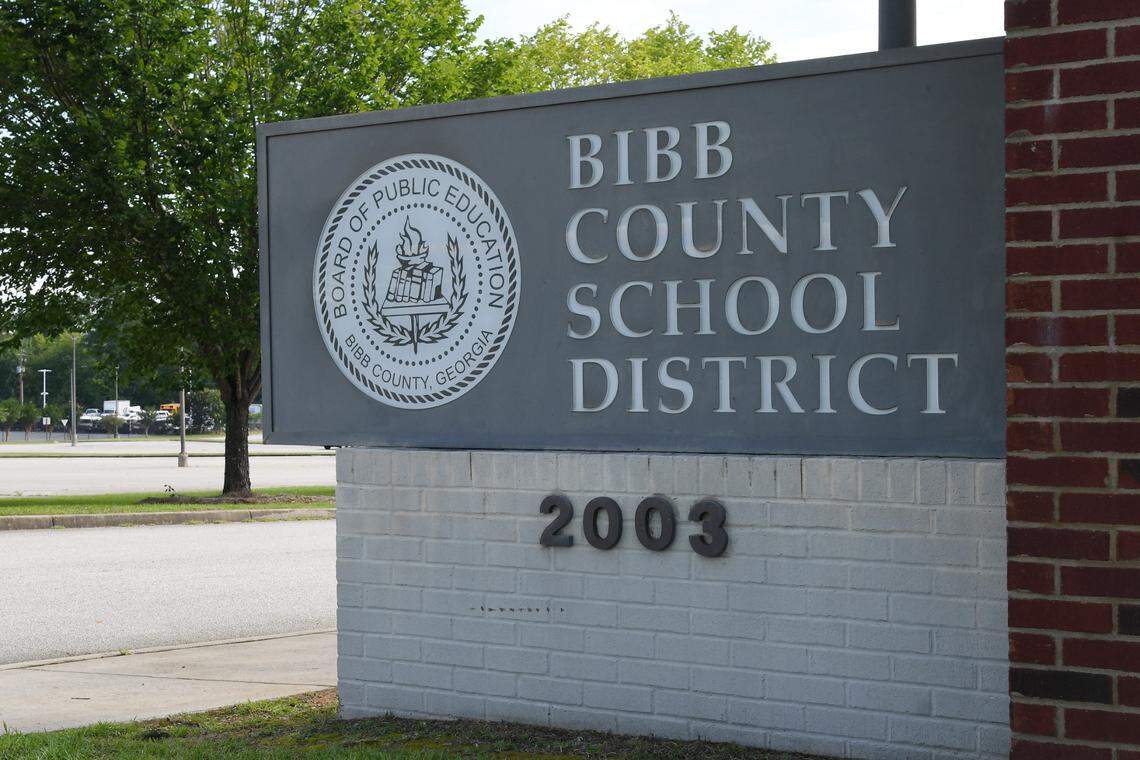
The Bibb County School District is making a strong commitment to tackle chronic absenteeism in the 2025-26 school year. Leaders have pledged to enforce attendance policies more rigorously and provide better support for families to ensure students return to the classroom. This effort is one of two major priorities for the district, alongside improving literacy, which are long-standing challenges across the district.

Chronic absenteeism is defined as missing 10% or more of the school year. In 2025, 28.5% of students in Bibb County were chronically absent, according to state data. While this represents some improvement compared to previous years, it still exceeds the state average. Superintendent Dan Sims emphasized that addressing this issue is crucial for student success.

To combat this problem, the district plans to implement early intervention strategies and increase parental accountability. A new position has been approved by the Bibb County Board of Commissioners in July: a truancy specialist. This role will be funded for three years using $345,000 from revenue generated by automatic speed zone cameras at schools. The specialist will not only assist with truancy and court-related matters but also work to identify and remove barriers preventing students from attending school regularly.

With the start of the school year on August 4, the district's immediate plan includes reaching out to families who have had attendance issues in the past and monitoring these students' attendance from the beginning. Sims said the district will support families facing challenges but will also hold parents accountable when necessary.

"Families should expect more communication from us regarding attendance," he said. "There will be more teeth because ultimately, it is the responsibility of the parent or guardian to ensure their child is at school."

Sims stressed the importance of balancing compassion with urgency. He wants to ensure that children understand the value of regular school attendance while also providing support to families. He emphasized that the goal is to prevent students from missing school for extended periods without any explanation.

Understanding the Causes of Absenteeism

While factors like transportation issues, bad weather, and health concerns contribute to high absenteeism rates, Sims noted that specific causes are often difficult to pinpoint. "We can't always determine why students are chronically absent," he said. "It's unfair to the child to have them miss so many days without being able to communicate with the school about the issue."

Sims aims to find a balance between understanding the challenges families face and taking decisive action. He wants to ensure that students attend school every day and that parents are involved in the process.

Role of the Truancy Specialist

The newly approved position of truancy specialist is different from a traditional truancy officer. Rather than simply enforcing rules, the specialist will focus on identifying and addressing the underlying barriers to attendance. This approach emphasizes community engagement and collaboration with families.

"The specialist will help us identify what those barriers are and if we can remove them," Sims said. "This is more of a community engagement approach."

The district already has a truancy task force that meets with families to discuss attendance concerns, but the full-time specialist will allow for faster and more targeted interventions. In cases where court involvement is necessary, it will be a last resort.

Sims hopes the truancy specialist will begin working before the school year starts. A spokesperson for Macon-Bibb County confirmed that Mayor Lester Miller has signed the resolution authorizing the funding for the role, and the process is moving forward through the county system. There is a possibility that the county may continue funding the position beyond the initial three years.

Community Collaboration and Legislative Changes

The district’s efforts come as Georgia’s Senate Bill 123 takes effect. This law updates the state’s compulsory attendance laws and requires school districts to take a more proactive approach in addressing absenteeism. Under SB 123, local boards of education must adopt policies that support chronically absent students rather than penalizing them. It also ensures that students cannot be expelled solely due to excessive absences.

Sims said the district is already taking steps to meet these requirements. "We've started that process with the judges here," he said. "While it's nothing entirely new, we appreciate the additional emphasis."

The district’s approach aligns with the intent of Senate Bill 123 and relies on strong community collaboration. "It's important for us to strengthen our relationship with the community," Sims said. "We don’t want it to be us against them, but we also can’t ignore the importance of ensuring students are in school."

Friday, July 25, 2025

Next Gen Power

Next Gen Power

Featured Image

Embracing Jewish Youth and Community in Atlanta

This week, the focus is on Jewish youth in Atlanta, highlighting events and initiatives that cater to Gen Z and Alpha generations. From the JCC Maccabi Games to campus safety programs, there are numerous opportunities for young people to engage with their community and culture. Passing the torch—whether through leadership or creative expression—is a vital part of this process.

Many students are returning from Jewish travel and summer camps, and for those who miss the sense of community and camaraderie, attending a retreat could be a great option. Eliana Leader, a local camp expert, emphasizes that these experiences can be a smart investment in personal growth and connection.

Machaneh Shai: A Unique Learning Experience

Machaneh Shai, which means “Camp Shearith Israel,” is Congregation Shearith Israel’s religious school for children aged 3 to 7th grade. The program combines tradition, creativity, and community to provide a joyful and meaningful Jewish learning experience for students and families. Whether your child is new to Jewish education or looking to deepen their knowledge, Machaneh Shai offers a welcoming environment for all.

Campus Safety and Education

The Center for Israel Education is hosting a program titled “Being Safe, Smart and Jewish on Campus: Resilience Prep for College Students” on Sunday, August 10, from 2 to 4 p.m. This free two-hour session aims to help Jewish students navigate the challenges of antisemitism and anti-Zionist activism on college campuses. Participants will hear from Jewish student leaders, Hillel, Chabad, and the ADL. Topics include understanding problematic language, identifying bias in the classroom, and recognizing when protesters violate rights.

Mythic Creatures Meet Modern Art

Sponsored by Fernbank Museum, the exhibit “Spirit Guides: Fantastical Creatures from the Workshop of Jacobo and María Ángeles” showcases vibrant, hybrid animal sculptures that blend Zapotec culture with contemporary art. These unique pieces represent spirit guides tied to personality and destiny. The exhibit runs through August 3, with special after-hours viewings on select nights. It's a magical experience that explores indigenous culture, identity, and the natural world.

Happy, Happy Challah Bake

Join Young Leadership Division, JF&CS Young Professionals, and BeWellATL for a relaxed night of baking challahs and connecting with others. The event, held on Thursday, July 31, from 6-9 p.m., includes happy hour, apps, and a chance to unwind before the weekend. No baking experience is needed—just come for the good vibes and company. This event supports BeWellATL, a mental health initiative of JF&CS.

Coast to Coast Maccabi Games

Tucson JCC will host the JCC Maccabi Games and Access from July 27 to August 1, celebrating 25 years since the city first hosted in 2000. Access has grown into a permanent feature of JCC Maccabi, supporting Jewish teens and young adults with cognitive and developmental disabilities. Nearly 2,000 Jewish teens will gather at the University of Pittsburgh for the inaugural JCC Maccabi Campus Games, an Olympic-style event from August 3-8. According to the JCC Association of North America, 69% of Maccabi athletes had no other Jewish teen affiliation before participating.

Be a Mensch in the City

Campers from Be a Mensch in the City made and delivered an Israeli-themed dinner in partnership with the Z-H Independent Living program at JF&CS. The menu included hummus, Israeli salad, falafel, baba ganoush, chocolate balls, and matbucha. Those interested in giving back can participate in remote projects such as making dinner, holding a fundraiser, or running a lemonade stand.

Back2School Creative Connection

On August 17, JF&CS will host the Back2School Creative Connection, offering families with school-aged children a chance to start the school year with a healthy mindset. Activities include art and volunteer projects, providing a fun and engaging way to connect.

Remembering Ozzy Osbourne’s Jewish Vow Renewal

Ozzy Osbourne, the frontman of Black Sabbath, passed away at 76. In 2002, he renewed his vows in a Jewish ceremony on an episode of “The Osbournes.” Despite not being Jewish himself, Sharon Osbourne, his wife, felt a strong connection to Judaism. Her father, Don Arden, was Jewish, and she emphasized her own Jewish identity, even noting that her husband was circumcised.

Looking Ahead: Events Around Town

  • July 26: Shabbat Hadasha
  • July 27: Splash into summer with PJ Library
  • July 29: Gentle, prenatal yoga with JBaby Intown
  • July 31: Summer Torah Tour in Chamblee
  • August 1: Soulful Shabbat with vegetarian dinner
  • August 2: Tot Shabbat in Sandy Springs

The next Jewish holiday is Tisha B’Av on August 2. Light Shabbat candles this week at 8:25 p.m.

Looking for a sense of community? Join Or Hadash for an August 8 Open House Shabbat featuring young family nosh, soulful services, and dinner. Discover where you and your kids belong. Details and RSVP available online.

Thursday, July 24, 2025

Sailing Club Unites People Through Learning and Shared Journeys

Sailing Club Unites People Through Learning and Shared Journeys

Featured Image

A Hub of Community and Education at the Coconut Grove Sailing Club

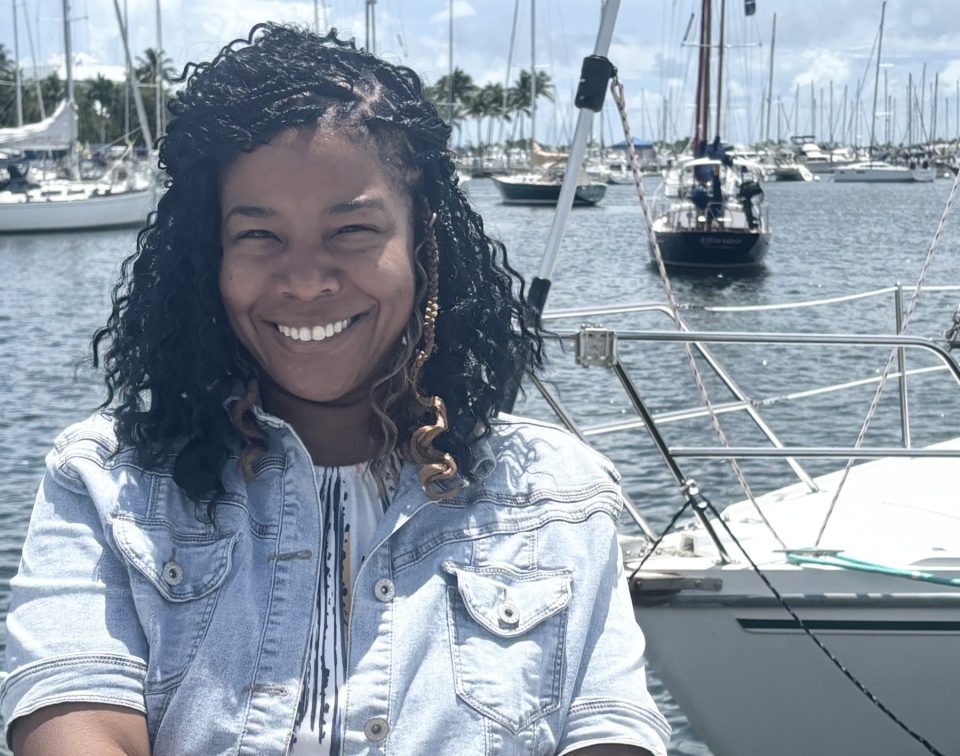
The Coconut Grove Sailing Club (CGSC) is more than just a place for sailing enthusiasts. It serves as a vibrant community hub that fosters inclusivity, education, and civic engagement. While it may appear to be a traditional waterfront sailing center, the club has evolved into a space that welcomes people from all walks of life. Through a variety of programs and events, the CGSC goes beyond the dock to make a meaningful impact on the local community.

Hosting Community-Centered Activities

The club offers its facilities to recognized civic organizations, allowing them to use meeting rooms or other areas for their gatherings. This commitment to service extends to various groups, including city departments, firefighters, the Coast Guard Auxiliary, the Rotary Club of Coconut Grove, the National Alliance of Mental Illness (NAMI), and many others. These partnerships help strengthen the club’s role as a central gathering point for community activities.

All guest speaking events and seminars hosted by the CGSC are open to the public and free of charge. This accessibility ensures that anyone interested in learning more about sailing, safety, sustainability, or the local environment can participate without barriers.

Topics Covered in Educational Seminars

Over the years, the CGSC has organized a wide range of educational seminars and workshops. Some of the key topics include:

  • Preserving the health of Biscayne Bay
  • Invasive species like lionfish and their impact on marine ecosystems
  • Sailing across the Atlantic and Pacific oceans
  • Safety checks for boat owners and essential provisions for safe sailing
  • Practical skills such as splicing lines and CPR
  • Updates on changes happening in Coconut Grove
  • Lessons learned during a regatta from Newport to Bermuda
  • Talks on classic boats, restoration stories, and boatbuilding
  • Recycling efforts and keeping Biscayne Bay clean
  • Hurricane preparedness for boaters
  • Information on rising sea levels
  • Protecting coral reefs
  • Cleanup initiatives like Clarington Island Clean Up

These events aim to provide valuable knowledge and spark new interests among attendees.

The Importance of Knowledge and Community Engagement

Executive Director Lauren Simpson emphasizes the value of knowledge in empowering individuals. She believes that the seminars not only inform but also inspire people to take action. Whether it's learning a new skill, gaining a fresh perspective, or discovering a passion, the CGSC strives to create meaningful experiences for everyone who attends.

Simpson notes that events focused on safety and travel tend to draw the largest crowds. People are naturally curious about real-life sailing adventures and the challenges involved. These sessions offer practical insights that can be applied both on and off the water.

Free Wednesday Night Sailing Program

One of the club’s most popular initiatives is the free Wednesday night sailing program. Designed for the entire community, it welcomes both beginners and experienced sailors. No prior experience is required, making it an excellent opportunity for people to try sailing and discover a new hobby. Simpson highlights that many attendees have found a lifelong passion through this program.

Supporting Philanthropy and Youth Programs

The CGSC has long supported philanthropic efforts, particularly through its partnership with the Rotary Club of Coconut Grove. Together, they provide scholarships to children in the City of Miami. The club sets aside funds annually for this purpose and actively seeks additional support to expand its reach. Simpson explains that these opportunities help connect underprivileged youth with the water and foster a sense of belonging.

A Moment of Pride

Simpson recalls the Summer Camp as one of the most rewarding aspects of her work. With 80 to 85 children participating over nine weeks, the event is both challenging and fulfilling. Seeing the joy on the kids' faces and witnessing their growth makes it all worthwhile. She credits the instructional staff and members for their support, highlighting the collaborative spirit that defines the club.

A Warm and Inspiring Vibe

The atmosphere at the CGSC is consistently welcoming and inspiring. Events often feature fun themes, and members are eager to connect with newcomers. The club brings together people from diverse backgrounds, creating a sense of community and shared purpose. For many, the CGSC is more than just a place to sail—it's a place where friendships are formed and lasting memories are made.

Beyond Sailing: A Sense of Belonging

When asked what the CGSC offers beyond sailing, Simpson often responds with "comradery." She describes it as a sense of belonging and connection that goes beyond the sport itself. While the club promotes sailing on Biscayne Bay, its true value lies in the relationships it builds and the opportunities it provides.

Looking Ahead

Looking to the future, Simpson hopes the CGSC will continue to grow its role in the community. She envisions expanding environmental protection efforts, promoting seamanship, and increasing awareness of Biscayne Bay. Additionally, the club remains committed to supporting underprivileged youth through scholarships and access to the water.

The CGSC continues to be a vital part of the Coconut Grove community, offering a unique blend of education, recreation, and civic engagement. Its mission is clear: to create a welcoming space where everyone can learn, grow, and connect.

Wednesday, July 23, 2025

Inland Empire Battles Barriers to College Access

Inland Empire Battles Barriers to College Access

Featured Image

The Inland Empire: A Region of Opportunity and Challenge

The Inland Empire, a dynamic and rapidly expanding region in California, is home to 4.6 million residents. It is known for its youthful population, cultural diversity, and growing economic potential. However, it also faces significant challenges, particularly in terms of income levels and access to higher education.

Local and state leaders are focusing on the region as a key area for future economic development. They believe that college education can play a crucial role in shaping the region’s and the state’s long-term success. Ashish Vaidya, president and CEO of Growing Inland Achievement, emphasizes that the Inland Empire is a region of consequence. His organization leads a K-16 collaborative effort aimed at bridging the gap between K-12 education and higher learning.

A recent report from the Public Policy Institute of California (PPIC) highlights the barriers that students in the Inland Empire face when it comes to attending and completing college. The report also outlines potential solutions being developed to address these issues.

College Enrollment and Transfer Rates

In California, 64% of high school graduates from the 2021-22 academic year enrolled in college. However, in Riverside and San Bernardino counties — which make up the Inland Empire — the rates are lower, at 54% and 56%, respectively. Even when students do attend community colleges, they are less likely to transfer to four-year universities compared to other Californians. Only 31% of community college students in the region eventually transfer, which is the lowest rate in the state.

Geographic factors contribute to this challenge. While the Inland Empire is home to major universities like UC Riverside and CSU San Bernardino, many community colleges are located more than 25 miles away from any university. This distance can create obstacles for students looking to transfer.

Despite these challenges, there are signs of progress. The PPIC report praises the work of Growing Inland Achievement and highlights several initiatives aimed at improving college access. For example, CSU San Bernardino has launched a pilot program that allows direct admissions to high school students who meet specific criteria, reducing the need for traditional applications.

Dual enrollment programs, which allow high school students to take college courses, have also shown promise in increasing college attendance rates. These programs help students gain experience and credits before graduation, making the transition to higher education smoother.

Aligning High School and College Requirements

The PPIC report recommends aligning high school requirements with the A-G courses needed for admission to public universities. This alignment would ensure that more students are both eligible and prepared for college. Some school districts already have high school curricula that closely match university requirements, except for foreign language courses.

However, there is a prevailing skepticism about the value of a bachelor’s degree in the Inland Empire. Catalina Cifuentes, executive director of college and career readiness for the Riverside County Office of Education, notes that conversations about college have shifted in recent years. Parents now often express concerns about debt and ideological influences, rather than just readiness or affordability.

Economic Context and Perceptions of Higher Education

The Inland Empire has a relatively low cost of living, which has historically attracted workers commuting to more expensive areas like Los Angeles. Many residents work in industries such as transportation, warehousing, and construction, where wages may exceed the minimum but still fall short of what is typical in other parts of the state.

This economic context contributes to the perception that a college degree may not be as valuable. However, the PPIC report points out that Inland Empire residents with degrees see a 39% increase in wages, which is slightly lower than the 55% bump seen elsewhere in California. Despite this, college graduates in the region are more likely to own homes than their counterparts in other parts of the state.

The Role of Schools and Early Education

Schools play a critical role in informing students about college options, as many students rely on them for guidance rather than family or community support. Cifuentes emphasizes the importance of educating students about course selection, college applications, and financial aid.

The PPIC report also stresses the need for early conversations about postsecondary options. Beginning in middle school, students should be introduced to the idea of college, trade schools, military service, or other career paths. Increasingly, school districts are taking on this responsibility.

Data sharing is also essential. Cifuentes shares an example of how Advanced Placement teachers were initially unaware of the need for college readiness programs. When they saw data showing that many AP students did not go on to college, it changed their perspective.

A Range of Postsecondary Options

PPIC advocates for keeping all postsecondary options open for students. Kevin Cook, a research associate at PPIC, emphasizes that the goal is not to push every student toward college, but to ensure they have the information and resources to make informed choices. Whether it’s trade school, employment, military service, or higher education, students should have a full range of opportunities available to them.

Notification
This is just an example, you can fill it later with your own note.
Done