Articles of Education: women
News Update
Loading...
Showing posts with label women. Show all posts

Tuesday, November 4, 2025

The Rise of Better Men - A New Approach to Raising Boys and Ending Gender Abuse

The Rise of Better Men - A New Approach to Raising Boys and Ending Gender Abuse

The Rise of Better Men - A New Approach to Raising Boys and Ending Gender Abuse

A Quiet Revolution in Ugandan Classrooms

On a bright Tuesday morning in Wakiso District, laughter fills the schoolyard of Divine Mercy Junior Primary School. Boys and girls chase one another across the dusty compound, their blue-and-white uniforms fluttering in the breeze. In one corner, a group of pupils crowd around their teacher, acting out a short drama. One boy snatches a girl's exercise book and mocks her. Before the teasing escalates, the teacher halts the play and asks softly, "How do you think she feels?" The chatter fades. Then Moses, a shy 11-year-old, raises his hand.

"She feels bad... maybe angry," he says. "I think it's not good to treat her like that." The teacher nods. What began as a playful skit has turned into a lesson on empathy, respect, and equality. What looks like a small classroom activity is part of a quiet revolution spreading through peri-urban community schools like Divine Mercy. Teachers are helping boys unlearn harmful behaviours and understand why respect matters.

In the past, most lessons about safety focused only on teaching girls how to protect themselves. But now teachers have realized that real change must also come from boys. By helping boys unlearn harmful behaviour and understand why respect matters, teachers are addressing the root cause of the problem, not just the symptoms. When boys learn empathy, equality, and respect, schools become safer and fairer for everyone.

Turning Classrooms into Change Hubs

Uganda continues to grapple with alarming levels of gender-based violence (GBV). According to a report by the Uganda Bureau of Statistics (UBOS) and UN Women, over half of married women and girls aged 15-59 have experienced physical or sexual violence from a partner. For decades, interventions focused on teaching girls to stay safe. Girls learn how to report and avoid violent encounters, placing the burden of safety on the girl child before she is old enough to understand sexual violence.

These lessons never focus on teaching boys how not to harm or where the responsibility of a second gender may lie in the perpetration of gender violence. This is what headteacher, James Immekus, plans to change through the "Raising Respect in School" model. A model that employs respectful behaviour, setting clear expectations, and actively teaching and practicing empathy and social skills as prevention against future occurrences of gender-based violence.

"We realized we were always telling girls how to protect themselves, but we rarely told boys why respect matters," he says. "So we flipped the script." In Luweero, Luweero Seventh-Day Adventist (SDA) Primary School is experimenting with a prevention-first approach. Here, the focus is on boys—not because girls don't matter—but because changing boys' attitudes early could stop violence before it begins.

Senior teacher Peter Mugisha says, "We don't just tell them violence is bad. We ask questions, listen, and let them think. It's about changing how they see themselves and others." At Divine Mercy, the curriculum now includes role-plays, peer mentoring, and group projects that explore fairness, empathy, and gender roles. Pupils debate chores, discuss how to walk home safely together, and learn to resolve conflicts without aggression.

According to Immekus, respect was a big challenge in schools so they had to look for other avenues to make boys understand gender abuses while at school. "We rarely talked to boys about why they should not harm girls in the first place. That had to change."

Visible Change in Attitudes

Twelve-year-old David, grinning as he sweeps the classroom, says the lessons reshaped his mindset. "Before, I thought girls should do all the cleaning. Now I help too. It's fair," he says. Teacher Jane Nansubuga confirms the difference. "We used to see boys pulling girls' hair or calling them names almost every day. Now, other boys step in to stop it. That's progress."

Every afternoon, the pupils end the day in a circle, holding hands for prayer. To visitors, it looks ordinary. To headteacher Sarah Namatovu, it is transformation in motion. "If even half of these boys grow up believing girls deserve respect, then we've already changed the future," she smiles.

Wakiso District's experiment builds on proven success stories. In Mityana District, the Good School Toolkit reduced teacher-to-student physical violence by 42%, emotional or sexual violence by 41%, and bullying by 30%, according to a randomised controlled trial. Before the introduction of the Good School Toolkit into schools curricula, about 52.7% of students reported experiencing physical violence from school staff.

Elsewhere in the sub-region, similar approaches are showing results. In Kenya, school-based gender programmes cut bullying by nearly a quarter. Studies show that boys trained in respect and empathy are twice as likely to intervene when they witness harassment.

Education specialist Samuel Okello of Teach for Uganda says the model's strength lies in its repetition and visibility. "Boys change when they see role models behaving differently. When they hear the same message consistently from teachers, parents, and peers, it becomes part of who they are."

Tabitha Suubi, the Violence Against Children Prevention Programme Manager at Raising Voices, says to sustain these ideas, the Good School Toolkit encourages the school administration to develop an anti-sexual violence policy. When effectively implemented, such policies can transform the school culture, promote the safety of all learners, and ensure the long-term sustainability of the programme.

Change Beyond the Classroom

Parents have noticed a ripple effect at home. Esther Nanteza beams as she recalls her son's transformation. "He used to refuse chores, saying they were for girls. Now he helps his sisters. He told me, 'At school we are all the same.' That touched me deeply," she says.

In nearby Mityana District, father of three, John Ssemanda says he's determined to raise sons who see equality as strength. "I grew up where women had no voice. I don't want my sons to inherit that thinking," he says. "When boys respect their sisters and classmates, they will respect their future wives."

For David Kato, a boda boda operator and community youth leader, the lesson is practical as it is moral. "Teaching boys kindness is cheaper than repairing the damage caused by violence," he says. "If we plant respect now, we won't have to fight abuse later."

Local church elder, Rev. Williams Tomusange, adds, "When we teach boys that girls are equal, we are saving both our daughters and our sons from becoming victims or perpetrators."

According to Dr Harriet Nanyonjo, a psychologist with Makerere University, early intervention is crucial. "Children form ideas about gender very young, by age seven many already believe boys are stronger or more deserving," she explains. "If schools correct that early, we can reshape entire generations."

A Ministry of Education official, Margaret Aciro, acknowledges that initiatives like Wakiso and Luwero District's could be integrated nationally. "Our new gender-responsive education policy supports programmes that promote equality. What we see in Wakiso gives us a model that can scale if we invest in teacher training and community engagement," she says.

Building the Foundation Early: The Parenting For Respectability Programme

The Parenting for Responsibility programme (PfR) is another model that aims to build respectful and empathetic young men against gender violence, this time, at home. It is a 16-session group-based parenting programme developed in Uganda, with families in mind, to address intimate partner violence, and violence against children on a community and national level, emphasizing the reorientation of fathers as much as it does mothers.

Teachers like James Immekus have found that combining this approach with teaching respectability in schools provides a more effective and well-rounded adoption process for young boys. "We realized that teaching them respect at school alone is not enough, so we decided to work hand in hand with parents under their programme, parenting for Responsibility, which is a home-grown, culturally-relevant parenting intervention that aims to prevent violence against girls and so far the change is visible."

A seven-year pre- and post evaluation study by the Child Health and Development Centre—sponsored by the Sexual Violence Research Initiative (SVRI), Bernard van Leer Foundation (BvLF), the Netherlands OAK Foundation, and Glasgow University—assessed the program's impact on parent-child relationships; partner relationships; and sexual and gender-based violence (SGBV); it showed that the program reduced "harsh parenting" and spousal violence in semi-rural Ugandan communities.

Dr Godfrey Siu, lecturer and researcher, Child Health and Development Centre, Makerere University, and former team leader for this program, says; "The initiative was designed to tackle four key family-related drivers of gender-based violence (GBV): weak parental bonding and attachment; harsh parenting and corporal punishment; gender-biased child socialisation; and parental conflict."

Challenges That Persist

Despite the progress, execution hurdles remain within these programs. For the Raising Respect in Schools program, teachers are overstretched, funding is limited, and at home, patriarchal attitudes often undo school lessons. "We can teach them here, but if the message at home is the opposite, it's hard to make it stick," admits teacher Mugisha.

Some parents even resist, claiming such lessons make boys "weak." But teachers counter that respect is not weakness, it's strength. A scientific evaluation of the Parenting for Respectability program conducted in 2021/22, in semi-rural Ugandan communities, reported a reduction, nearly by half, in domestic violence from parents to children and a decrease in the rate of spousal abuse and intimate partner violence in parents who attended more than 60% of the program.

Sustainability is another concern. Many past initiatives lost momentum once donor funding ended. Posters from the Good School Toolkit still hang, faded, in some classrooms—a reminder that social change takes time. Also, these initiatives had other limitations in scope. The Community Sensitisation and Legal Awareness campaigns implemented by the Ministry of Gender, Labour and Social Development (MGLSD) and NGOs such as FIDA-Uganda and Uganda Women's Network (UWONET) focused on teaching communities about women's rights, the Domestic Violence Act (2010), and the need to report abuse but they rarely addressed how family dynamics contribute to violence.

Child protection and social welfare programs where organizations like UNICEF, Save the Children, and World Vision supported community child protection committees and trained social workers to identify and report child abuse, often worked independently of parents, with limited focus on strengthening parent-child relationships.

Gender rights advocate Lydia Tumusiime warns: "You don't change attitudes like planting maize and harvest in three months. It takes years of consistent effort."

The Beginning of Change

Still, there are reasons for hope. District Education Officer Fredrick Kiyingi Kinobe believes what's happening in Wakiso could be the start of something bigger. "If each district adapted this model, we could see a national shift. It starts with boys but it changes everyone," he says.

It is encouraging to see that these two programs run on similar core values. On the surface, they might seem different: Parenting For Respectability Programme works with families to address intimate partner violence and violence against children on a community and national level, while Raising Respect in School is a model that centers respectful behavior, setting clear expectations, and actively teaching and practicing empathy and social skills at school.

However, these two programs share the same related core values; promoting respect, limiting violence, and building empathy. For real change to happen, these programs are most effective when rolled out side by side, reinforcing each other's goals.

Across Continents, Educators Are Rethinking How Boys Learn Respect. It is important to note that these measures in Uganda fit in seamlessly with the global search for a solution against toxic masculinity, made accessible by social media and online access to the so-called manosphere. Most young boys now tend to violence and aggression towards girls in schools and online, fuelled by misogynistic "men's rights" influencers.

This learned behaviour experts have said are consequences of toxic masculinity and gendering spreading in online communities. Headteacher, James Immekus, is not aware of the Teaching Respect programme by the Thrive Alliance Group and their downloadable reference guide, but it is encouraging to see educators are organically connected—from East Africa to North America—in their resolve to create a kinder and empathetic generation.

For Brian Matovu, now 15 and in secondary school, the lessons linger. "I told my friends that insulting girls isn't right. Some laughed, but I don't care," he says proudly.

As the sun sets over Wakiso, pupils gather in a circle, hands linked, voices rising in prayer. To some, it's routine. But to their teachers, it's proof that a quiet revolution is underway.

In a country where more than half of women endure violence as indicated by UN Women, the simple act of boys holding hands with girls, not as rivals, but as equals is more than a ritual.
Sunday, August 17, 2025

Afghan Girls Build Robots at Home After Education Ban

Afghan Girls Build Robots at Home After Education Ban

Featured Image

A Group of Resilient Women Defying Barriers in Afghanistan

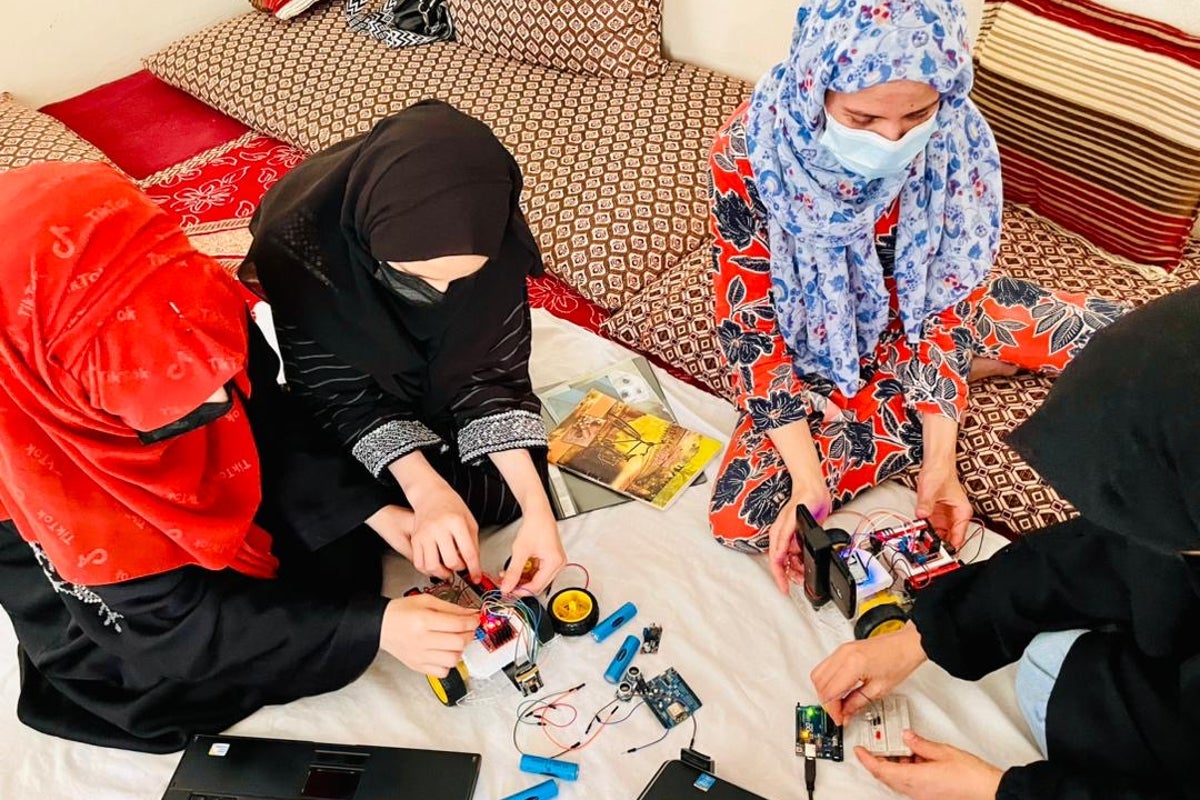
In the midst of the scorching heat of Kabul, a group of young women who have been denied access to higher education for the past three years come together in one of their homes to work on an ambitious project. They call themselves “Voices of Hope,” and they are former computer science students determined not to let their dreams be extinguished by the Taliban's sweeping ban on female education.

Despite the restrictions imposed by the Taliban, these women have found ways to continue their learning using the internet and artificial intelligence. In a country where even walking in a park is no longer an option, they have created a community of learners behind closed doors, striving to keep their passion for knowledge alive.

Their education was abruptly halted in December 2022 when the Taliban issued a ban that forced them to abandon their studies. At the time, they were all in their second semester of computer science at a private Afghan university. Initially, they held onto hope that public outrage and international pressure might lead to a reversal of the decision. However, the Taliban responded with even harsher decrees, further restricting women's rights and making their lives increasingly difficult.

Asrar Parsa, the 25-year-old leader of Voices of Hope, shared how the university ban caused a wave of despair. But she and 20 of her classmates decided to persevere, turning to online educational resources to continue studying from home. Since then, the group has taken on various projects aimed at learning, growing, and keeping their dreams alive.

Among their achievements are the construction of two robots, which cost about 30,000 Afghanis (roughly $430 or £330) to build, funded entirely by the group members. Under Taliban rule, women are not allowed to leave their homes without a male guardian. The team has one male member: Asrar’s 28-year-old brother, Navid Parsa, a computer science graduate who acts as their link to the outside world. He runs errands for the group and brings in supplies from the city.

The group started with 20 members, but over time, 14 dropped out due to economic hardship and a growing sense of hopelessness. Asrar explains that while their goal was to keep the light of hope alive, many became disheartened and gave up. However, some remained committed to their cause.

Hadiya Ahmadi, a 19-year-old member, shared how she suffered from depression and anxiety after universities shut down. But working on small projects and learning AI with the support of the group helped her feel better. Over the past two years, the team has used what they learned in their first year of university, supplemented with online tutorials.

They have built two robots and several other devices. One robot can recognize 20 different objects, including humans, and is controlled remotely. The team tested its movement on a kitchen table. Powered via radio frequency and Bluetooth, it can be operated through four different apps. Asrar believes that if developed further, it could be used in search and rescue operations after earthquakes or explosions.

The team is also working on building a drone. If successful, they hope it could be used for tasks like collecting rubbish, delivering emergency medicine, or transporting small items across Kabul.

For Asrar, Hadiya, and the rest of the group, tinkering with wires and batteries and listening to online lessons is more than just robotics or AI. It is a way to cope with the mental and emotional toll of their isolation. These sessions offer a form of escape from the pain and grief brought about by their current situation.

Asrar says these gatherings are a way to escape "the pain and grief brought about by their current situation." The meetings offer hope, she explains: "When we’re together, it feels like not everything is lost. We still have the power to learn and grow."

Hadiya adds that meeting the group two to three times a week has had a positive impact on her mental wellbeing. They study AI, build robots, and talk about their hopes for the future. She says she feels better now than she did when her university first closed down: "Seeing the results of our work makes us happy. It makes us feel that our education isn’t over yet and we can still try to reach our goals."

They draw inspiration from another Afghan robotics team known as the "Afghan Dreamers," which was founded in 2017 and gained widespread attention both at home and abroad. Focused on technology, engineering, and robotics, the team became a symbol of talent and hope in the face of social and political restrictions. After the Taliban returned to power and banned education and employment for women and girls, team members left the country and now continue their work in exile.

For Voices of Hope, the Afghan Dreamers serve as an inspiration. But unlike them, Asrar’s team has not yet received any support from external organizations. Despite all the obstacles, they hope to one day showcase their work in international exhibitions and find opportunities to keep chasing their dreams.

The Taliban have strictly enforced their ban on education for girls over the age of 12, claiming that they are adhering to "Sharia law." These decrees, especially those denying women access to education and jobs, have drawn widespread international condemnation. But Taliban leader Mullah Hibatullah Akhundzada has dismissed international pressure as "pointless." Over the past four years, Mullah Hibatullah has repeatedly emphasized the importance of "education within the framework of sharia and Islamic principles." However, not once has he addressed the topic of education or employment for women and girls in Afghanistan.

Saturday, August 16, 2025

Disabled Women in Colombia Face Higher Risk of Sexual Abuse

Disabled Women in Colombia Face Higher Risk of Sexual Abuse

Featured Image

The Importance of Bodily Autonomy for People with Disabilities

Can you decide who can touch your body? Do they ask your permission before doing so? For most adults, these questions seem obvious. But for many people with disabilities—especially those with reduced mobility—these are everyday and deeply relevant issues. When individuals are restricted in their ability to make decisions about their own bodies, they become vulnerable to multiple forms of violence. This is particularly true for women with disabilities, who are up to three times more likely to be victims of sexual abuse according to the World Health Organization.

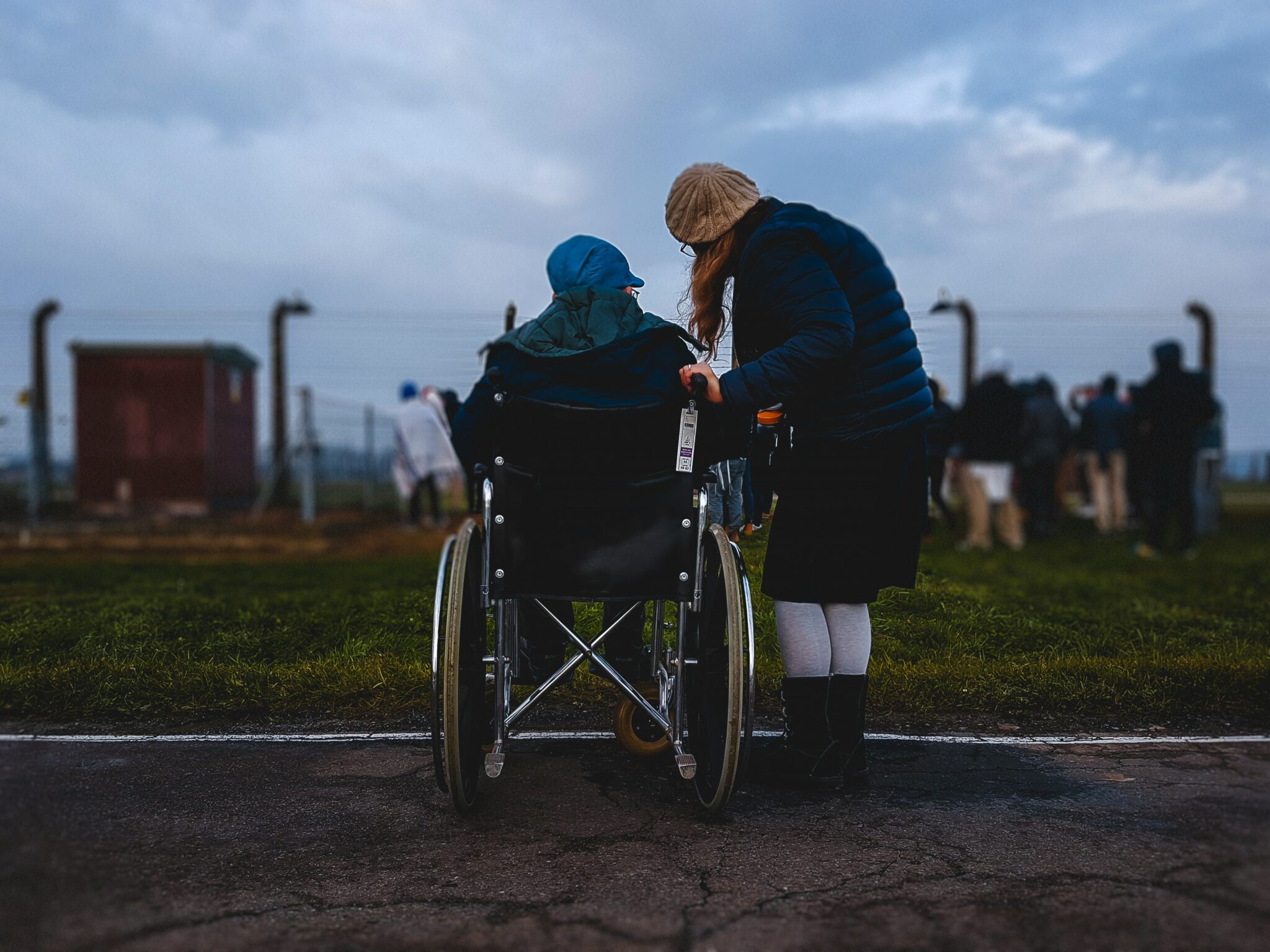
This vulnerability often arises because caregivers, who provide physical or emotional support, may touch the body or make decisions without consulting the individual. As a result, people with disabilities may struggle to express their feelings, talk about their bodies, or set personal boundaries. Experts emphasize the importance of including people with disabilities in comprehensive sexual education to address these challenges.

Persistent Stereotypes and Taboos

Laura Ximena León, a psychologist and social projects specialist working with Profamilia, a sexual services and information agency, highlights that while progress has been made, comprehensive sex education remains a taboo topic in Colombia. Many families and educational institutions avoid addressing it due to the myth that it encourages sexual relations in children and teenagers.

Regarding people with disabilities, the situation is even more critical. Persistent stereotypes suggest that people with disabilities do not understand, do not live their sexuality, or are “children forever.” As a result, they are rarely taught about their bodies, privacy, interactions with others, or consent. Caregivers also often lack guidance on how to handle the sexuality of family members with disabilities.

Structural Exclusion from Education

Colombia has a General Law for Education and an Education Project for Sexuality and Construction of Citizenship (PESCC), which mandates teaching these topics in schools and colleges. However, structural exclusion of people with disabilities from the education system means they are often absent in environments where they could learn about sexuality and autonomy. According to data from the Comptroller’s Office, eight out of 10 students with disabilities were not registered in the Colombian education system by 2024.

Without comprehensive sexual education, individuals may not know how to identify or name acts of violence. Andrea Parra, a lawyer and head of Talleristas por la Justicia, explains that this creates a "perverse cycle." Without proper education, people may not recognize situations of sexual violence, especially when they lack the language, images, and information to do so.

The Role of Comprehensive Sexual Education

Comprehensive sexual education is a vital tool for establishing healthy boundaries. Even when individuals with disabilities have personal assistants who need to provide physical care, there are consensual and respectful ways to do so. However, this is not always the case, as experts warn that risks persist in both family and institutional settings.

Additionally, discussions around sexuality among people with disabilities often stem from fear or violence rather than pleasure, joy, or the freedom to make choices about their own bodies. Many are seen as either asexual or hypersexual, leading to control measures such as forced sterilization.

Accessing Justice and Overcoming Barriers

Recently, the National Institute of Legal Medicine and Forensic Sciences incorporated the disability category into its records, marking an important step toward quantifying and revealing cases of sexual violence affecting this population. Yet, experts say there are still significant barriers to accessing justice.

Bubulina Moreno, a sexual and reproductive rights expert who lives with a disability, notes that sexual violence involves multiple factors. While private or family spaces are often perceived as safer, the majority of cases handled by her occur within the family. Communication barriers also hinder access to justice, as the system does not always accommodate diverse communication methods. Although tools like sign language interpreters or digital voice tablets exist, they are not always available or accessible.

There is also mistrust toward testimonies given by disabled individuals. For example, people with intellectual disabilities may lack information in easy-to-read formats, while non-verbal individuals face major obstacles in expressing themselves. The criminal justice system demands accurate descriptions of aggressors, which is challenging for those with visual impairments or communication barriers.

Strengthening Bodily Autonomy

A recent guide published in Spain, called Educational Resources for the Prevention, Early Detection and Response to Sexual Violence in Women and Girls with Cerebral Palsy, offers guidelines to strengthen the autonomy of individuals with disabilities. These include:

  • Ensuring bodily autonomy to allow free, conscious, and informed decisions about one's body.
  • Avoiding unnecessary or intrusive physical contact and respecting personal space.
  • Not infantilizing or ridiculing disabled individuals; using age-appropriate language.
  • Validating opinions and wishes regarding appearance, lifestyle, and preferences.
  • Respecting the right to personal autonomy in communications.
  • Encouraging the ability to express wishes and establish healthy relationships.

These guidelines highlight the importance of recognizing and supporting the autonomy of all individuals, regardless of their abilities.

Wednesday, July 30, 2025

Top 8 Side Hustles for Women Over 60, as Advised by Career Coaches

Top 8 Side Hustles for Women Over 60, as Advised by Career Coaches

Featured Image

Why Side Hustles Are a Great Idea for Retirees

Having a side hustle can be incredibly rewarding at any age. Whether you're looking to make money online or explore creative projects, there are numerous opportunities that are especially suited for retirees. These ventures can provide financial support while also offering a sense of purpose and connection.

Jessica Agnew, an executive career coach at Sixth Wing, emphasizes that the focus should not be on hustling in your 60s but rather on staying engaged and fulfilled. "It's not about staying productive, it's about staying lit up," she explains. A well-chosen side hustle can serve as a gateway to community, creativity, and personal growth.

The key principle behind a successful side hustle in this stage of life is that it should feel good in your body. It's a chance to replenish what the world once asked you to spend. "You've earned the right to build something beautiful and nourishing," Agnew adds.

The Benefits of a Side Hustle in Your 60s

Lauren Bonheim, a certified career coach at Ama La Vida Coaching, highlights that a side hustle in your 60s can bring more than just extra income. It can offer joy, purpose, and a sense of connection after retirement. "Many women I coach want to stay mentally sharp, feel engaged, meet new people—and, yes, of course, keep a bit of income flowing," she says.

Bonheim also notes that while the paycheck might not be the main goal, it's about the reason behind it. "It's about continuing to feel useful, creative, and excited about something," she adds. A side hustle can be the perfect spark to reignite your passion and energy.

Agnew further explains that a side hustle can be a time of reinvention. You now have more freedom, creativity, and the ability to contribute on your own terms. "The career ladder might no longer feel relevant," she says. Instead, there’s a quiet desire to stay engaged, to offer our gifts in new ways, and to stay connected to something bigger than ourselves.

A well-chosen side hustle can become more than just a source of income. It can:

  • Be a container for purpose: A way to continue sharing what you've learned and who you are.
  • Offer structure for contribution: Many people still want to feel useful without the full-time grind.
  • Provide a pathway to vitality: Doing something you enjoy can bring aliveness and joy back into daily life.
  • Serve as a gentle anchor: Especially post-retirement, when identity can feel fluid, a side hustle offers structure to support a sense of momentum.

How to Find the Right Side Hustle for You

Agnew suggests using the concept of Ikigai, a Japanese idea that translates to "a reason for being." This approach invites exploration of four intersecting elements: What you love, what you're good at, what the world needs, and what you can be paid for. She also adds a fifth layer: What nourishes your energy.

Agnew shares journal prompts to help determine the most aligned path:

  • What activities energize me right now—even after I've done them for a while?
  • What am I constantly asked for by friends or former colleagues?
  • What parts of my life experience would I love to pass on or share?
  • What would I regret not trying?
  • What would my future self, ten years from now, thank me for doing today?

Bonheim uses a similar approach with her clients called the "Career Compass." This helps identify what matters most at this stage of life. Questions like "What's missing from my current reality?" and "How do I want to feel at the end of the day?" can guide the process.

Once you understand your motivation, whether it's impact, creativity, flexibility, or financial stability, you can come up with ideas that align with that vision. "It's not about looking at a one-size-fits-all list and choosing. It's about intentionally designing a side hustle that fits you—not the other way around," she says.

Top Side Hustles for Women Over 60

  1. Legacy Coaching or Mentoring
    Offering coaching or mentorship can be fulfilling, allowing you to share your wisdom and connect with others. It provides structure without overwhelming you and activates a deep sense of purpose.

  2. Pet Sitting or House Sitting
    Caring for pets or homes while traveling can be a simple way to earn extra cash. Platforms like TrustedHousesitters or Rover allow you to explore new places while bonding with animals.

  3. Writing or Ghostwriting
    Sharing your stories, writing guides, or helping others tell their stories can be both meditative and fulfilling. Platforms like Substack allow you to build your audience.

  4. Monetizing a Hobby
    Turning a creative hobby like crocheting, knitting, or crafting into a side hustle can be meaningful and manageable. It allows you to enjoy making money while doing something you love.

  5. Teaching Classes or Workshops
    Sharing your passion through teaching can be a great way to earn extra money while fostering community. You can control the pace and scope of your work.

  6. Starting a Garden or Nature-Based Microbusiness
    Growing vegetables or flowers and selling them in your community can add extra income. It also offers a chance to spend time outdoors and nurture life.

  7. End-of-Life, Birth, or Companion Doula Work
    Supporting others through life’s significant moments can be deeply fulfilling. It requires strong boundaries and emotional resilience, which many women in their 60s possess.

  8. Animal Care or Rescue
    Working at a shelter or starting an animal rescue business can be a soothing and joyful way to stay active and connected. It also offers the chance to meet neighbors and give back to the community.

Tuesday, July 22, 2025

Q&A: Can Centering Experience Boost Teacher Training?

Q&A: Can Centering Experience Boost Teacher Training?

Featured Image

Understanding the Experiences of Black Women in Teacher Education

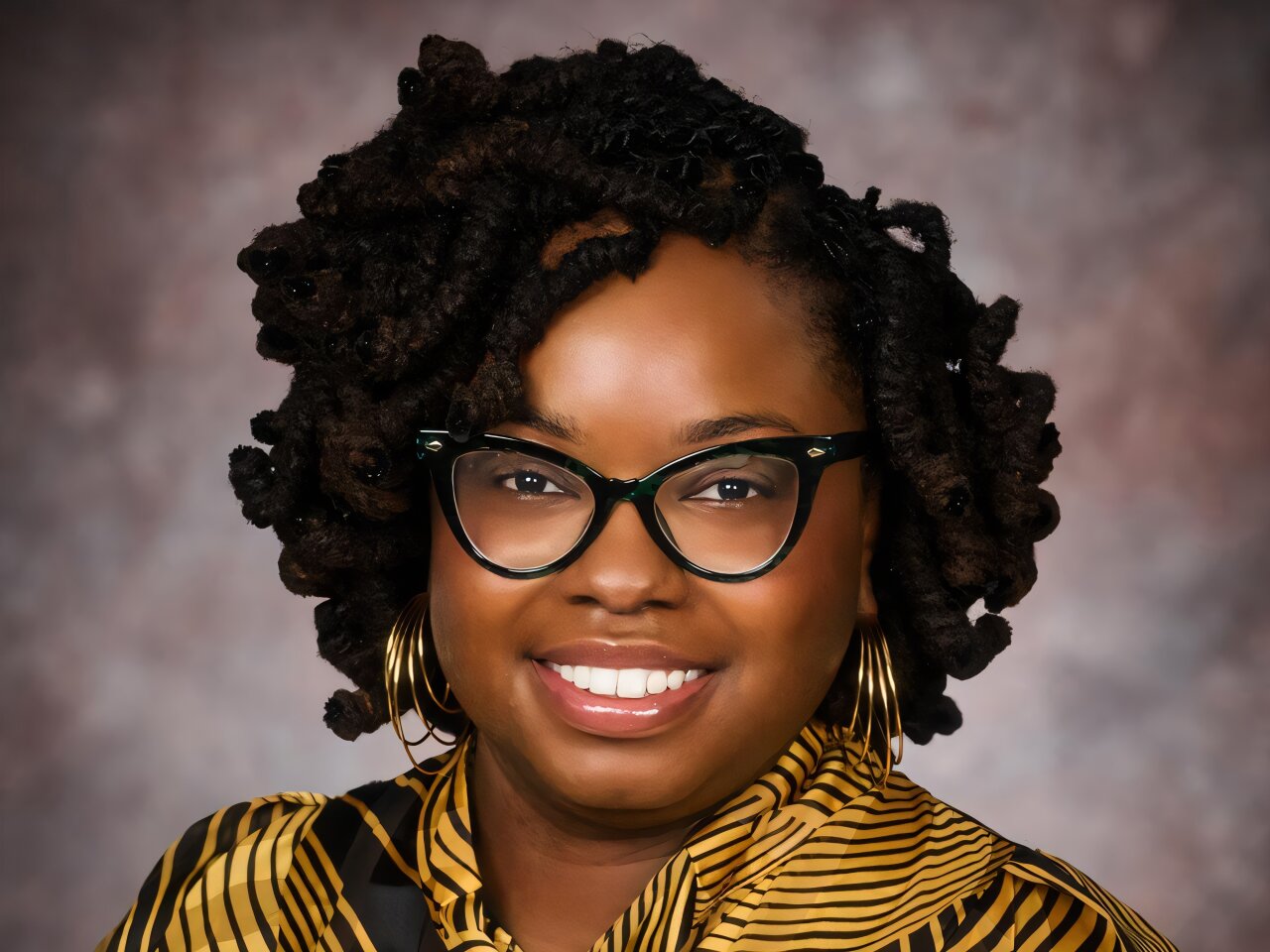
Mariah Harmon, an assistant professor of education at Penn State's College of Education, has dedicated her career to studying how teacher education programs can better support minoritized teachers. Her recent work focuses on centering the voices and needs of Black women who are training to become educators. This approach aims to improve their experiences and create more inclusive environments within the education system.

Harmon recently co-authored a study published in the International Journal of Qualitative Methods, which explored the experiences of Black women pre-service teachers—individuals enrolled in teacher education programs but not yet in professional roles. The research involved 10 Black women from across the U.S., who participated in in-depth interviews and eight two-hour "counterspace" sessions conducted via Zoom. These sessions allowed participants to discuss issues related to their identities and experiences in teacher education.

What Is Qualitative Research?

Qualitative research involves studying concepts, experiences, and opinions that cannot be easily quantified. In this study, the focus was on understanding the lived experiences of Black women in teacher education programs. By listening to their stories, researchers aimed to gain insights into how these experiences shape their development as future educators.

The study investigated several aspects of the participants' journeys, including their experiences as students, their time in teacher education programs, their hopes for their future classrooms, and their overall needs for success. Through these discussions, the researchers sought to understand the ideologies and commitments of the participants, which informed their growth as educators.

Challenges Faced by Black Women in Teacher Education

The study found that many of the participants felt isolated, disappointed, and resentful toward their teacher education programs. They reported that the curriculum often did not reflect their identities or values, making it difficult for them to see themselves in the pedagogies and practices they encountered. This disconnect between the program and their personal experiences created a sense of alienation.

Additionally, the issue of tokenism was highlighted. Many of the participants felt pressured to represent all Black individuals in their programs, which added an extra layer of stress and responsibility. This invisible work—beyond just completing coursework—often impacted their ability to learn in a safe and supportive environment.

When individuals are positioned as "the other," it can lead to a range of consequences. The normalization of certain curricula and pedagogies can make it seem like being authentic is seen as different rather than part of the norm. This dynamic can hinder the development of a truly inclusive educational environment.

Can Centering Black Women’s Voices Help Address the Teacher Shortage?

Yes, according to Harmon. A key issue in teacher education is the lack of belonging. Pre-service teachers from all backgrounds want to feel seen, heard, and accepted as their authentic selves. Expanding the definition of what it means to be an effective teacher is essential. This requires understanding the diverse experiences—both positive and challenging—that future teachers bring with them.

However, this process takes time. Building relationships between pre-service teachers and their instructors is crucial, but it can be difficult when there is a pressing need to fill teaching positions quickly. Despite these challenges, addressing the unique experiences of Black women in teacher education can make the field more appealing to a broader range of candidates, especially women of color.

Assumptions About Teachers and Students

A common assumption is that teachers from minoritized groups will automatically relate to students from similar backgrounds. However, this is a dangerous oversimplification. While shared identity markers may suggest some level of connection, they do not guarantee a shared perspective on education or its systems.

Most teachers have navigated the traditional education system successfully, which can shape their views and practices. Without critical reflection, these perspectives can reinforce existing biases and discriminatory practices. Instead of assuming similarity based on identity, it is important to explore individual experiences and challenge past assumptions.

By reflecting on their own experiences—what Harmon calls "ghosts"—teachers can rethink how they approach their classrooms. This process allows them to move beyond survival and focus on helping their students thrive.

Conclusion

The findings from this study highlight the importance of centering the voices of Black women in teacher education. By doing so, institutions can create more inclusive and supportive environments that benefit both educators and students. This work is not only necessary for addressing the teacher shortage but also for fostering a more equitable and effective education system.

Notification
This is just an example, you can fill it later with your own note.
Done