Articles of Education: teachers
News Update
Loading...
Showing posts with label teachers. Show all posts

Sunday, August 24, 2025

27 Must-Have Teacher Essentials Every Educator Loves

27 Must-Have Teacher Essentials Every Educator Loves

Featured Image

Must-Have Teacher Essentials for a Smarter, More Comfortable School Year

Teaching can be both rewarding and exhausting, but with the right tools, it becomes more manageable and enjoyable. Whether you're looking to streamline your classroom setup or simply want to add a touch of comfort and style to your daily routine, there are plenty of products that can make a difference. Here’s a list of 27 must-have items that every teacher should consider adding to their collection.

Tech and Presentation Tools

A wireless presentation clicker and pointer is a game-changer for educators. It allows you to navigate through PowerPoint slides without constantly getting up from your chair, making presentations smoother and more efficient. The included laser pointer can also help manage student attention, guiding them toward focused learning rather than distractions.

For those who love to stay organized, a spiral academic year planner is an excellent choice. It helps keep track of both academic and social events in a cute, functional way, ensuring you stay on top of your schedule all year long.

A Bluetooth speaker is another essential item. It can provide background music during independent study sessions, play upbeat tunes between classes, or offer a better listening experience for podcasts when grading papers late into the night.

Comfort and Style

Comfortable footwear is crucial for teachers who spend long hours on their feet. Canvas slip-on sneakers and low chunky-heeled pumps are great options that offer both style and support. High-waisted pants with an elastic paperbag-style waist combine comfort with a chic look, making them ideal for long teaching days.

A relaxed off-the-shoulder jumpsuit is perfect for maintaining a professional appearance while staying comfortable. With stretchy fabric and adjustable features, it ensures a perfect fit for any body type.

A lightweight cardigan is a must-have for unpredictable classroom temperatures. It can be easily thrown on during cold spells, keeping you warm without the hassle of extra layers.

Organizational Tools

A thermal laminator is a useful tool for creating durable materials for classroom use. Having one in your own space means you don’t have to rely on shared equipment, saving time and ensuring consistency.

Storage clipboards and rotating pen holders help keep your essentials organized. They prevent the chaos of juggling multiple items and make it easier to carry everything you need in one go.

Double-sided mounting tape is a versatile solution for hanging posters, certificates, and other decorations. Its strong adhesive and easy removal make it ideal for temporary displays without damaging surfaces.

Classroom Decor and Ambiance

Globe string lights can transform the atmosphere of your classroom, adding a warm glow that makes even the most challenging lessons feel more inviting. A beanbag chair offers a cozy alternative to traditional desks, providing a comfortable spot for reading or quiet work.

A face-out bookshelf is a practical and aesthetic addition to any classroom. It allows students to see all the books at a glance, encouraging a love for reading and creating a welcoming library vibe.

Practical Accessories

A customized teacher lanyard is a go-to accessory that keeps your ID, keys, and other essentials within reach. Choosing a stylish design adds a personal touch to your professional look.

A BrüMate Era stainless-steel tumbler with a locking straw is perfect for keeping drinks secure during busy school days. Its durable construction ensures it won’t spill, even if accidentally knocked over.

A Hulken rolling tote bag is designed to make carrying your belongings easier. With steel wheels and a built-in cover, it’s a reliable companion for transporting your supplies to and from school.

A compartmentalized crossbody tote bag is ideal for quick access to your essentials, making it perfect for a grab-and-go lifestyle.

Fun and Educational Items

A Tapple word game is a fun and engaging way to pass time during slow periods. It encourages creativity and vocabulary development, making it a valuable addition to your classroom game shelf.

Felt-tip markers add a splash of color to your workspace, making grading and note-taking more enjoyable. Their vibrant hues can also inspire students and bring energy to your lessons.

A mini fridge is a small luxury that provides a refreshing treat during free periods. It allows you to enjoy a cold drink without leaving the classroom, making your day a little more pleasant.

Additional Must-Haves

A pack of punch cards and a hole puncher can be used to motivate students and track progress. These versatile tools can help monitor behavior, homework completion, and other classroom activities throughout the school year.

Baggy overalls offer a comfortable and fashionable option for all seasons. With adjustable straps and multiple pocket options, they provide both style and functionality.

A desk pad keeps your papers, keyboard, and other essentials in place, preventing them from sliding around. Its waterproof surface also protects against accidental spills.

With these 27 items, teachers can create a more organized, comfortable, and enjoyable environment for both themselves and their students. From tech tools to fashion accessories, each item serves a unique purpose, making the teaching experience a little smoother and more rewarding.

Tuesday, August 5, 2025

Unfair Teacher Dismissals in Schools

Unfair Teacher Dismissals in Schools

Featured Image

The Crisis in Public Education

Many school districts are plagued by unethical and unprofessional practices when it comes to firing employees. A quick look at the Facebook pages of most districts and a call to local teacher unions reveal two unsettling truths: these districts are desperate to recruit and retain teachers, yet they continue to lay off experienced professionals at an alarming rate, especially in the midst of a national teacher shortage. This pattern has led to inconsistency in teaching quality, weak relationships between teachers and students, overwhelmed and anxious educators, and, in some cases, poor pedagogy and limited content knowledge.

As a result, many districts are slipping into a state of mediocrity and complacency. The expectations placed on teachers are far greater than those for most other professions, particularly in terms of education, compensation, and emotional investment. While micromanagement and abuse exist in various fields, few jobs demand such extensive preparation outside of regular work hours and offer minimal downtime during the day. Although teachers have generous holiday and summer breaks, having evenings and weekends free from work duties is more beneficial for their families than extended time off. It's also worth noting that teachers often attend meetings and training during the summer.

This situation may explain why fewer people are choosing to become teachers, despite the profession’s rewarding nature.

A Shrinking Talent Pool

The number of students enrolling in teacher colleges across the country is decreasing, and some institutions have even dropped their certification programs due to a lack of interest. As a result, many districts are turning to emergency certifications and pulling staff from central offices to cover classes. Meanwhile, schools continue to fire experienced and developing teachers, often citing a lack of “fit.” In at-will states, this is a common excuse, but it raises serious concerns about the impact on both teachers and students.

Just recently, a news story highlighted how employees at typical American schools often look the other way when witnessing harassment or attacks, out of fear of reprisal. This level of toxicity can erode trust and community within the faculty and student body. Word of staff changes spreads quickly, and students often learn about firings before the affected individuals themselves. Many districts replace more than half of their faculty every few years, leaving only a few tenured teachers in each department.

Hostile Work Environments

Veteran teachers frequently face hostile work environments where their expertise is constantly questioned. This negative treatment can extinguish a teacher’s passion and lead to career derailment. Most teachers are eager to serve their communities and give back to the places where they first developed a love of learning. However, complacency and indifference often dominate the culture of public schools.

These issues are not isolated to one district or school. One contributing factor is that many administrators are unaware of how much more demanding teaching has become in recent years. Teaching requires not only subject matter expertise but also the ability to teach reading, writing, speaking, and listening skills to students who have lost valuable instructional time, especially during the pandemic. How does a high school English teacher teach Shakespeare to students with limited English proficiency or those reading at a fourth-grade level?

The Consequences of Teacher Turnover

While experience alone does not guarantee good teaching, the loss of qualified educators is significant. It often takes years to develop classroom management skills, motivate students, and master one’s content. Research suggests that many teacher-education programs are not fully effective in preparing educators for the evolving demands of the profession. Many teachers credit seasoned colleagues or mentors as their strongest source of preparation.

When teachers are fired before mastering their craft, both faculty and students suffer. Staff reductions are sometimes justified due to financial constraints or ineffective teaching. However, the problem lies in the fact that decisions are often based on political, philosophical, or social differences rather than professional development. Instead of mentoring new teachers, administrators often set unrealistic expectations, leading to frustration among parents and students.

Misdirected Anger and Silenced Voices

Administrators frequently misdirect anger toward struggling teachers instead of addressing systemic issues. Teachers are often told that their school has high expectations for students, yet there is often a lack of a functional curriculum and outdated instructional methods. For example, the gradual-release model is often touted as innovative, but it is not always the most effective approach for every lesson. Overemphasis on Lexile levels has been largely discredited as a means of helping students access meaningful texts.

Another issue is the silencing of new voices. Administrators often prevent progressive-minded teachers from sharing fresh ideas with their colleagues. This results in an overburdened staff that feels undervalued and professionally undermined. With low morale, teachers struggle to meet the growing demands of rising poverty, shrinking resources, and a changing workforce.

An Uncertain Future

Despite these challenges, some students still thrive, especially those with personal connections to administrators. However, this success is often due to external factors rather than the school environment itself. Inequity persists, and school boards cannot rely on the achievements of a small group of privileged students if they want to produce successful leaders and critical thinkers.

The impact of this bias will be devastating for the community and its workforce. Students need a learning environment that fosters confidence, stability, and consistency. Unfortunately, many schools are failing them on these counts.

A Call for Change

Schools must implement policies that recruit and retain quality educators who are dedicated to meeting the needs of all students through intentional and innovative practices. Every school has the potential to be high-performing, with caring teachers who are committed to progress and justice. The alternative is a hostile work environment that denigrates the teaching profession and stifles the passion of those who have invested so much in their students. It is time for change.

Monday, August 4, 2025

Addressing Michigan's teacher shortage goes beyond recruitment efforts

Addressing Michigan's teacher shortage goes beyond recruitment efforts

Featured Image

Teacher Shortages in Michigan: A Growing Crisis

In the fall of 2023, nearly 500 out of Michigan’s 705 school districts reported teaching vacancies. This number has more than doubled since the beginning of the 2012 school year, when only 262 districts faced similar challenges. However, this figure likely underestimates the true scope of the problem, as it does not account for substitute teachers or individuals who may have been hired without proper qualifications to fill open positions.

Local news reports and job boards indicate that some Michigan districts are still struggling to fill teaching positions for the upcoming academic year. The teacher shortage is not unique to Michigan; it is a nationwide issue. However, the situation in Michigan is particularly severe, with both the number of teachers leaving the profession and the overall teacher shortage exceeding national averages. Urban and rural communities, which often have underresourced schools, are hit hardest. Additionally, shortages are especially pronounced in specialized areas such as science, mathematics, and special education.

For over two decades, my work at Michigan State University has focused on designing and leading effective teacher preparation programs. My research explores ways to attract individuals to teaching and help them grow into successful classroom leaders. Understanding the root causes of teacher shortages is essential to developing sustainable solutions.

Factors Contributing to the Teacher Shortage

The teacher shortage is the result of multiple factors, including low salaries, heavy workloads, and a lack of ongoing professional support. A recent report found that Michigan teachers, like their counterparts nationwide, earn about 20% less than individuals in other careers that require a college education. From my experience working with teachers and district leadership across the state, I know that beginning teachers—especially those in districts with severe shortages—are often assigned the most challenging teaching loads. In some cases, they are forced to work without any planning time during their daily schedules.

The pandemic also played a significant role in exacerbating the crisis, as many educators left the profession due to increased stress and uncertainty. Another contributing factor is the large number of teachers who were hired during the 1960s and early 1970s, when school enrollments saw a dramatic increase. Many of these teachers have retired in recent years, further compounding the shortage.

Creating New Pathways to Certification

To address the growing need for qualified teachers, Michigan has begun exploring nontraditional routes to teacher certification. These programs aim to prepare educators more quickly and affordably. Various agencies, including the Michigan Department of Education, state-level grants such as the Future Proud Michigan Educator program, and private foundations and businesses, have supported these initiatives financially.

Some school districts, including the Detroit Public Schools Community District, have adopted this strategy to certify new teachers and fill vacant positions. Similar programs have emerged through partnerships between Michigan’s intermediate school districts, community colleges, and four-year institutions. For example, Grand Valley State University’s Western Michigan Teacher Collaborative targets college-age students, while Michigan State University’s Community Teacher Initiative encourages high school students to consider teaching as a career.

National programs such as Teachers of Tomorrow and Teach for America have also gained visibility. These programs allow candidates to work as full-time teachers while completing their training, often with minimal oversight or support.

Why “Stuffing the Pipeline” Isn’t Enough

However, simply increasing the number of new teachers entering the profession is not a long-term solution. Research shows that the loss of teachers is significantly higher among individuals in nontraditional training programs and for teachers of color. This attrition begins during the certification process and continues for several years after graduation.

The primary reasons for this include a lack of awareness of the complexities of school systems, insufficient mentoring during training, and the absence of instructional and professional guidance in the early years of teaching.

Strategies to Improve Teacher Retention

So, how can we encourage teachers to stay in the profession? Scholars have identified several key strategies to improve outcomes in both traditional and nontraditional teacher preparation programs:

  • Temper expectations: Teaching is a critical profession, but setting unrealistic expectations can lead to burnout. Beginning teachers should not be expected to solve complex socioeconomic issues alone.
  • Provide strong mentors: Student teachers benefit from working with experienced educators who can guide and support them throughout their training.
  • Recognize the limits of online learning: While online programs offer convenience, they often lack the real-world experience necessary for effective teaching.
  • Respect the process of "becoming": Professional development should continue beyond formal certification. Like other professionals, teachers need ongoing support to build their skills over time.

By valuing and supporting teachers throughout their careers, we send a powerful message that they are essential members of the community. This recognition can make a significant difference in retaining educators and addressing the ongoing teacher shortage.

Sunday, July 27, 2025

Teachers Share Jaw-Dropping Job Insights No One Expected

Teachers Share Jaw-Dropping Job Insights No One Expected

Featured Image

The Hidden Realities of Teaching: Insights from Educators

Teaching is often viewed as a straightforward profession, but the reality is far more complex. Educators across the globe have shared their experiences, revealing the challenges and misconceptions that many people overlook. These insights provide a deeper understanding of what it truly means to be an educator in today's world.

Misconceptions About Teacher-Student Relationships

One common misconception is that students see teachers as equals. A teacher recounted witnessing two incidents where students believed they had the same rights as their educators. For instance, a student argued that since teachers can have cellphones on their desks, he should be allowed to use his during class. Another student refused to attend class after being reprimanded, not realizing that some rules are non-negotiable. These situations highlight the need for clearer boundaries and mutual respect between students and teachers.

The Extent of Educational Expertise

Educators often face the challenge of being seen as mere babysitters rather than professionals with extensive training and knowledge. Many teachers emphasize that their role requires them to be lifelong learners, constantly updating their skills to meet the needs of their students. However, this expertise is frequently undervalued, leading to a lack of support and resources. Some educators warn that continued underfunding of public schools could result in a generation of students who struggle with basic literacy and critical thinking skills.

The Reality of Work Hours and Responsibilities

The notion that teachers work a standard 9-to-3 schedule is another myth. Many educators work well beyond these hours, often spending additional time planning lessons, grading assignments, and communicating with parents. One teacher shared that she works from 8 a.m. to 5 p.m. at school and then spends around two hours each night on work-related tasks. Additionally, teachers rarely get paid for weekend work, which can lead to burnout and dissatisfaction.

Challenges in Special Education

Special education teachers face unique challenges, including understaffing and the need to provide individualized support. An anonymous teacher from Connecticut described the chaos of working with special-ed preschoolers when substitutes are unavailable. This situation underscores the importance of adequate staffing and support for educators in specialized fields.

The Impact of Parental Involvement

Parental involvement plays a crucial role in a child's education. However, many educators express frustration with the lack of engagement from some parents. One reading interventionist noted that some parents avoid seeking help for their children, fearing judgment or stigma. This reluctance can hinder a child's progress and create a cycle of academic struggle.

Ethical Dilemmas in Grading

Some educators face ethical dilemmas when deciding how to grade students. One teacher from Arizona shared that it can be easier to pass struggling students rather than deal with the administrative burden of proper grading. This practice raises concerns about the integrity of educational outcomes and the pressures faced by educators.

Technology and Its Effects on Learning

The rise of technology has significantly impacted learning environments. Teachers report that students spend excessive amounts of time on their devices, leading to decreased reading and critical thinking skills. One educator noted that many students spend over 50 hours per week on their phones, which contributes to a culture of instant gratification and reduced academic engagement.

The Importance of Administrative Support

Administrative support is vital for educators to manage classroom dynamics effectively. A teacher recently quit mid-class due to overwhelming behavioral issues, highlighting the need for stronger support systems. When administrators stand behind their staff, it can make a significant difference in the teaching environment.

The Role of Parental Responsibility

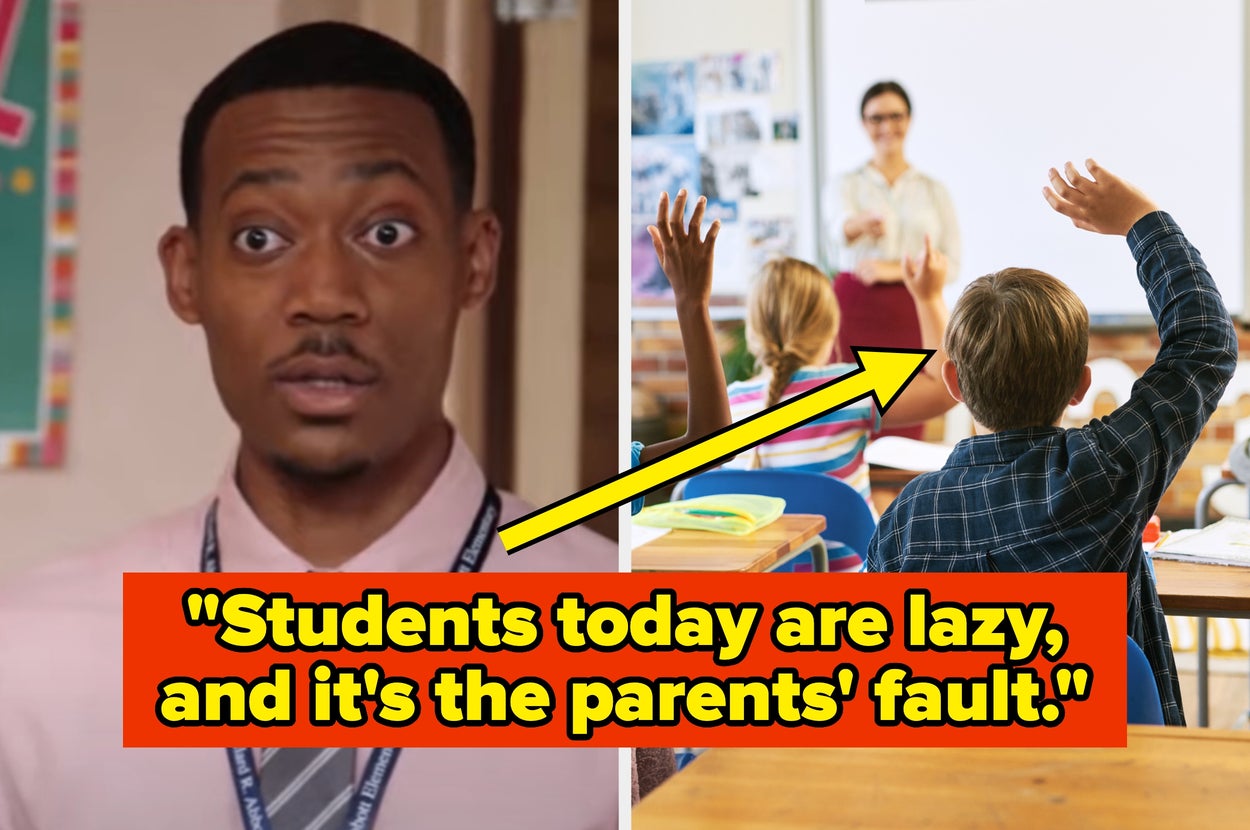
Parental apathy is a growing concern in education. Many educators believe that funding alone cannot address the root causes of poor academic performance. Lazy parenting can lead to lazy students, creating a cycle that is difficult to break. Educators urge parents to take an active role in their children's education, fostering a culture of responsibility and effort.

Conclusion

The realities of teaching extend far beyond the classroom. From the challenges of managing student behavior to the pressures of administrative expectations, educators navigate a complex landscape. Their insights reveal the need for greater recognition, support, and collaboration between educators, parents, and policymakers to ensure a successful future for all students.

Notification
This is just an example, you can fill it later with your own note.
Done