Articles of Education: teaching
News Update
Loading...
Showing posts with label teaching. Show all posts

Thursday, August 21, 2025

New Guidance for Educators in the Age of AI

New Guidance for Educators in the Age of AI

Featured Image

Massachusetts Takes a Thoughtful Approach to AI in Education

Artificial intelligence (AI) is no longer a futuristic concept—it is already present in classrooms and shaping the educational landscape. In response, Massachusetts education officials have released comprehensive guidance aimed at helping schools integrate AI responsibly. The goal is to ensure that the technology supports learning while addressing concerns around equity, transparency, and academic integrity.

The Department of Elementary and Secondary Education (DESE) has introduced two key resources: an AI Literacy Module for Educators and a Generative AI Policy Guidance document. These materials are designed to provide schools with a consistent framework for using AI in ways that are safe, ethical, and instructionally meaningful. The guidance was developed following recommendations from a statewide AI Task Force and aims to help educators make informed decisions about when, how, and why to use AI in their teaching practices.

The DESE emphasizes that the guidance is not meant to promote or discourage AI use but rather to encourage critical thinking. It highlights the importance of understanding how AI systems operate and how they can influence individuals and society. According to the module, AI is already embedded in the devices and applications that students use daily, making it essential for educators to teach students how to navigate these tools responsibly.

A Balanced Approach to AI Development

One notable aspect of the AI Literacy Module is that its initial draft was written without the use of generative AI. The authors intentionally avoided relying on AI-generated content to prevent potential biases and ensure that the resource reflects the best thinking of educators and experts. However, the final version was reviewed using large language models like ChatGPT-4o or Claude Sonnet 4 to check for clarity and accessibility. This approach underscores the importance of maintaining human oversight while leveraging AI’s capabilities.

In Massachusetts classrooms, AI is already being used in various ways. Teachers are experimenting with tools like ChatGPT to create lesson plans, rubrics, and instructional materials. Students are using AI to draft essays, brainstorm ideas, and translate text for multilingual learners. Beyond teaching, districts are also exploring AI for scheduling, resource allocation, and adaptive assessments.

However, the guidance warns that AI is not a neutral tool. It can produce responses that are grammatically correct but factually incorrect, reinforcing user assumptions or creating “cognitive debt”—a situation where users become overly reliant on machine-generated content and lose the ability to think independently.

Key Values for Ethical AI Use

To address these challenges, the guidance outlines five core values that schools should prioritize when adopting AI tools:

  • Data Privacy and Security: Districts are encouraged to vet AI tools through formal data privacy agreements and educate students on how their data is used.
  • Transparency and Accountability: Schools should inform parents about AI use in classrooms, maintain public lists of approved tools, and explain how each tool is utilized.
  • Bias Awareness and Mitigation: AI systems trained on human data may carry harmful biases, so educators and students should examine how AI responses vary.
  • Human Oversight and Educator Judgment: Teachers must review and adjust AI outputs to ensure they align with individual student needs.
  • Academic Integrity: Schools are moving away from outright prohibitions on AI and instead promoting disclosure to maintain academic honesty.

For example, teachers might use AI to draft a personalized reading plan but adapt it to reflect a student’s interests, such as sports or graphic novels. Students are encouraged to include an “AI Used” section in their work, clarifying how and when they used AI tools.

Preparing Students for the Future

Beyond classroom rules, the guidance emphasizes the importance of AI literacy as a civic and personal skill. Students need to understand how AI works, how it can mislead, and how to evaluate its impact. This includes reflecting on digital footprints, data permanence, and the environmental costs of AI, such as energy use and e-waste.

The DESE states that AI integration in education is not about replacing teachers but empowering them to create rich, human-centered learning experiences. As AI becomes more prevalent, schools must prepare students to navigate this evolving ecosystem responsibly.

Broader Statewide AI Strategy

Massachusetts Governor Maura Healey has played a significant role in shaping the state’s AI strategy. Last year, she launched the AI Hub, positioning Massachusetts as a leader in both developing and regulating AI. Education officials view their new resources as part of this broader initiative, ensuring that students gain equitable access to AI education.

At the same time, there are ongoing debates about technology in classrooms. While some lawmakers are pushing to limit student cellphone use, schools are navigating the challenge of integrating AI tools responsibly. This period of flux highlights the need for clear policies and continued dialogue about the role of technology in education.

Tuesday, August 19, 2025

I Let AI Pretend to Be Me and Teach My Course—Here's What I Discovered About the Future of Learning

I Let AI Pretend to Be Me and Teach My Course—Here's What I Discovered About the Future of Learning

Featured Image

A Personalized Learning Experience with AI

Imagine having an unlimited budget for individual tutors who offer hyper-personalized courses that maximize learners' productivity and skills development. This summer, I explored this idea through a unique and somewhat self-indulgent experiment. I asked an AI tutor agent to play the role of me, an Oxford lecturer on media and AI, and teach me a personal master's course based entirely on my own work.

The agent was set up using an off-the-shelf ChatGPT tool hosted on the Azure-based Nebula One platform. The prompt was to research and impersonate me, then build personalized material based on what I already think. I didn't provide the large language model (LLM) with any additional resources or access to learning materials that aren't publicly available online.

The result was a well-structured, term-long, original six-module journey into my collected works that I had never devised, but admit I would have liked to. The course was interactive and rapid-fire, demanding mental acuity through regular switches in formats. It was intellectually challenging, like good Oxford tutorials should be. The agent taught with rigor, giving instant responses to anything I asked. It had a powerful understanding of the fast-evolving landscape of AI and media through the same lens as me, but had done more homework.

This knowledge apparently came from my entire multimedia output—books, speeches, articles, press interviews, even university lectures I had no idea had even been recorded, let alone used to train GPT-4 or GPT-5. The course was a great learning experience, even though I supposedly knew it all already. So in the inevitable student survey, I gave the agentic version of myself well-deserved, five-star feedback.

For instance, in a section discussing the ethics of non-playing characters (NPCs) in computer games, it asked: "If NPCs are generated by AI, who decides their personalities, backgrounds or morals? Could this lead to bias or stereotyping?" And: "If an AI NPC can learn and adapt, does it blur the line between character and 'entity [independent actor]'?" These are great, philosophical questions, which will probably come to the fore when and if Grand Theft Auto 6 comes out next May. I'm psyched that the agentic me came up with them, even if the real me didn't.

Agentic me also built on what real me does know. In film, it knew about bog-standard Adobe After Effects, which I had covered (it's used for creating motion graphics and visual effects). But it added Nuke, a professional tool used to combine and manipulate visual effects in Avengers, which (I'm embarrassed to say) I had never heard of.

The Source of the Agent’s Knowledge

So where did the agent's knowledge of me come from? My publisher, Routledge, did a training data deal with Open AI, which I guess could cover my books on media, AI and live experience. Unlike some authors, I'm up for that. My books guide people through an amazing and fast-moving subject, and I want them in the global conversation, in every format and territory possible (Turkish already out, Korean this month).

That availability has to extend to what is now potentially the most discoverable "language" of all, the one spoken by AI models. The priority for any writer who agrees with this should be AI optimization: making their work easy for LLMs to find, process and use—much like search engine optimization, but for AI.

To build on this, I further tested my idea by getting an agent powered by China's Deep Seek to run a course on my materials. When I found myself less visible in its training corpus, it was hard not to take offense. There is no greater diss in the age of AI than a leading LLM deeming your book about AI irrelevant.

When I experimented with other AIs, they had issues getting their facts straight, which is very 2024. From Google's Gemini 2.5 Pro I learned hallucinatory biographical details about myself like a role running the media company The Runaway Collective. When I asked Elon Musk's Grok what my best quote was, it said, "Whatever your question, the answer is AI." That's a great line, but Google DeepMind's Nobel-winning Demis Hassabis said it, not me.

The Future of Education with AI

This whole, self-absorbed summer diversion was clearly absurd, though not entirely. Agentic self-learning projects are quite possibly what university teaching actually needs: interactive, analytical, insightful and personalized. And there is some emerging research around the value.

A German-led study found that AI-generated tuition helped to motivate secondary school students and benefited their exam revision. It won't be long before we start to see this kind of real-time AI layer formally incorporated into school and university teaching. Anyone lecturing undergraduates will know that AI is already there. Students use AI transcription to take notes. Lecture content is ripped in seconds from these transcriptions, and will have trained a dozen LLMs within the year. To assist with writing essays, ChatGPT, Claude, Gemini and Deep Seek/Qwen are the sine qua non of Gen Z projects.

But here's the kicker. As AI becomes ever more central to education, the human teacher becomes more important, not less. They will guide the learning experience, bringing published works to the conceptual framework of a course, and driving in-person student engagement and encouragement. They can extend their value as personal AI tutors—via agents—for each student, based on individual learning needs.

Where do younger teachers fit in, who don't have a back catalog to train LLMs? Well, the younger the teacher, the more AI-native they are likely to be. They can use AI to flesh out their own conceptual vision for a course by widening the research beyond their own work, by prompting the agent on what should be included.

In AI, two alternate positions are often simultaneously true. AI is both emotionally intelligent and tone-deaf. It is both a glorified text predictor and a highly creative partner. It is costing jobs, yet creating them. It is dumbing us down, but also powering us up.

So too in teaching. AI threatens the learning space, yet can liberate powerful interaction. A prevailing wisdom is that it will make students dumber. But perhaps AI could actually be unlocking for students the next level of personalization, challenge and motivation.

Friday, August 15, 2025

Invest in Learning: Top Education Franchises for 2025

Invest in Learning: Top Education Franchises for 2025

Featured Image

Top 10 Education Franchises Leading the Way in 2025

From early childhood development to specialized tutoring and test preparation, the education franchise sector continues to thrive. These brands aren’t just teaching kids their ABCs or boosting math scores; they’re building confidence, opening doors, and helping students reach their full potential. With a focus on proven business models, scalable systems, and mission-driven approaches, these franchises are making a lasting impact in the education industry.

Here’s a closer look at the top 10 education franchises that have made it to the 2025 rankings, showcasing what makes them stand out in a competitive market.


1. Kumon

Founded in 1954 and franchising since 1958, Kumon has been refining its after-school enrichment model for decades. It helps students worldwide build strong math and reading skills through daily practice and self-learning. With over 25,000 locations globally and ranked in the top 10 of the Franchise 500, Kumon stands out for its low-overhead, high-impact approach to education. The franchise offers an opportunity for those passionate about helping kids excel without the complexities of traditional tutoring centers.

Key Details: - Overall rank: 10 - Number of units: 25,563 - Change in units: +0.57% over 3 years - Initial investment: $73,123 - $165,360 - Leadership: Yusuke Nakamura, CEO & COO


2. The Learning Experience Academy of Early Education

Established in 2001 and franchising since 2003, The Learning Experience has grown rapidly, now operating more than 400 locations. Ranked #25 on the 2025 Franchise 500, the brand has expanded by more than 36% over the past three years. It combines playful, character-driven learning with robust operational support. The initial investment ranges from $780,799 to $5.6 million, making it ideal for serious, mission-driven entrepreneurs.

Key Details: - Overall rank: 25 - Number of units: 433 - Change in units: +36.6% over 3 years - Initial investment: $780,799 - $5,608,799 - Leadership: Richard Weissman, CEO


3. The Goddard School

Founded in 1983 and franchising since 1988, The Goddard School ranks among the top early childhood education franchises and #55 on the overall Franchise 500. With nearly 650 locations, it has expanded steadily, growing by more than 9% in the past three years. Under the leadership of CEO Darin Harris and backed by Sycamore Partners, the brand offers a premium, play-based curriculum within thoughtfully designed centers.

Key Details: - Overall rank: 55 - Number of units: 649 - Change in units: +9.1% over 3 years - Initial investment: $902,500 - $8,514,000 - Leadership: Darin Harris, CEO


4. Kiddie Academy

Kiddie Academy blends education and childcare through its signature "Life Essentials" curriculum, serving children from six weeks to 12 years old. Founded in 1981 and franchising since 1992, the brand now operates 355 locations nationwide — a nearly 18% increase over the past three years. Ranked #86 overall on the 2025 Franchise 500, Kiddie Academy offers year-round learning in a nurturing environment.

Key Details: - Overall rank: 86 - Number of units: 355 - Change in units: +17.9% over 3 years - Initial investment: $405,000 - $6,950,000 - Leadership: Casey Miller, CEO


5. Mathnasium Learning Centers

Mathnasium Learning Centers specializes exclusively in math tutoring, leveraging the proprietary Mathnasium Method™ to help students excel. Founded in 2002 and franchising since 2003, it sits at #97 on the 2025 Franchise 500 and supports over 1,200 centers. The brand stands out for its inexpensive entry point — typically between $113,000 and $150,000, making it one of the more accessible opportunities in education franchising.

Key Details: - Overall rank: 97 - Number of units: 1,231 - Change in units: +5.7% over 3 years - Initial investment: $112,936 - $149,616 - Leadership: Tyler Sgro, CEO


6. Sylvan Learning

Sylvan Learning, an education stalwart since 1979, now boasts nearly 600 centers under the leadership of brand president Susan Valverde. Ranked #115 on the 2025 Franchise 500, the brand appeals to operators valuing stability and longevity. With a relatively low entry cost (between $108,000 and $239,000), it is an attractive option in the competitive educational franchise landscape.

Key Details: - Overall rank: 115 - Number of units: 570 - Change in units: +0.2% over 3 years - Initial investment: $107,922 - $239,012 - Leadership: Susan Valverde, brand president


7. School of Rock

School of Rock blends music education with live performance, creating an engaging, confidence-building experience for students. Founded in 1998 and franchising since 2004, the brand has grown to more than 400 locations worldwide. Its patented SongFirst teaching method combines one-on-one instruction, group rehearsals, and real gigs, helping students learn faster and perform better.

Key Details: - Overall rank: 118 - Number of units: 416 - Change in units: +35.5% over 3 years - Initial investment: $425,250 - $704,800 - Leadership: Stacey Ryan, president


8. Huntington Learning Center

Huntington Learning Center, founded in 1977 and franchising since 1985, has built a lasting reputation for improving student performance. Operating more than 250 centers nationwide under the leadership of co-founder Eileen Huntington, the brand ranks among the top education franchises. Startup costs range from about $148,000 to $263,000, with a 25% franchise fee discount offered to veterans.

Key Details: - Overall rank: 130 - Number of units: 268 - Change in units: -6.29% over 3 years - Initial investment: $163,521 - $302,211 - Leadership: Eileen Huntington, co-founder & CEO


9. Lightbridge Academy

Lightbridge Academy focuses on early learning for children from six weeks through pre-kindergarten. Founded in 1997 and franchising since 2011, it offers innovative curriculum, high safety standards, and technology-rich environments. With nearly 80 centers open, the system combines award-winning support and deep-rooted family leadership.

Key Details: - Overall rank: 179 - Number of units: 78 - Change in units: +47.2% over 3 years - Initial investment: $1,067,233 - $4,885,000 - Leadership: Gigi Schweikert, CEO


10. Primrose Schools

Primrose Schools, founded in 1982 in Marietta, Georgia, and franchising since 1988, now hosts over 500 independently-owned locations across more than 34 states. Recognized in the Franchise 500 (#197), Primrose blends a research-backed Balanced Learning curriculum with a philanthropic culture through its Primrose Promise. Franchisees benefit from award-winning support and a brand committed to educational excellence and community impact.

Key Details: - Overall rank: 197 - Number of units: 513 - Change in units: +13.0% over 3 years - Initial investment: $742,900 - $8,595,000 - Leadership: Jo Kirchner, CEO


These top education franchises are not only leading the way in the industry but also offering unique opportunities for entrepreneurs looking to make a meaningful impact while building a sustainable business. Whether you're interested in early childhood education, math tutoring, or music learning, there's a franchise that aligns with your goals and passion.

Wednesday, August 6, 2025

Kenny Archer: When Talking Wins, Learning Loses

Kenny Archer: When Talking Wins, Learning Loses

Featured Image

The Power of Knowledge and the Art of Half-Time Talks

The saying “A little knowledge is a dangerous thing” is often cited, but its origins are more nuanced. In fact, the original phrase was written by Alexander Pope in 1711 as “A little learning is a dangerous thing.” This subtle difference highlights a deeper message about the value of education and the risks of believing one knows everything. Learning is not just about accumulating facts—it’s about understanding the limits of what you know and remaining open to new ideas.

This concept extends beyond academic pursuits. In sports, for example, the importance of half-time team talks has become a subject of intense interest. Eamon Devlin, a consultant from south Armagh, has dedicated his work to exploring this area. His firm, Minute 9, takes its name from an experience involving his young daughter during a soccer match in Switzerland. However, the term also suggests that the earliest time managers should enter the dressing room at half-time might be after the first nine minutes of the game.

Devlin’s insights have gained traction among some of the most successful teams in English football, including Brentford and Brighton. Their managers, Keith Andrews and Fabian Hurzeler, respectively, represent diverse backgrounds—Irish and German/Swiss/American. This contrasts sharply with the culture of English soccer, where few managers have sought Devlin’s expertise. This reluctance may stem from deep-seated biases or a resistance to outside influence.

Interestingly, the Gaelic Athletic Association (GAA) has shown greater openness to such ideas. Many GAA managers prefer to avoid seeking input from their players, which can create a rigid environment. In contrast, the GAA population is highly educated, which may explain why some managers hesitate to engage with their teams. A changing room filled with only the manager’s voice could resemble a “turkey farm,” with the boss wishing it were mid-December.

Joe Kernan, who led Armagh to their first All-Ireland title in 2002, exemplified the power of collaboration. He surrounded himself with experts, much like the legendary soccer manager Alex Ferguson. Similarly, Kerry’s Jack O’Connor frequently changed his advisors, contributing to his success over multiple spells. Kernan not only relied on collective wisdom but also publicly acknowledged it, setting a standard for leadership.

Kernan’s legacy includes Kieran ‘Geezer’ McGeeney, who learned from his mentor despite a fascination with names. Other key figures, such as Kieran Donaghy, Ciaran McKeever, and Ciaran McKinney, played vital roles in bringing the Sam Maguire Cup back to Armagh. Their contributions highlight the importance of teamwork and shared knowledge.

The role of half-time discussions cannot be overstated. Unlike post-match media interactions, which often focus on future narratives, half-time is a critical moment for real-time adjustments. Managers like Arne Slot, currently at Liverpool FC, have demonstrated how effective second-half changes can be. Devlin’s methods can lead to significant improvements in the opening minutes of the second half if properly implemented.

Carlo Ancelotti, one of modern football’s most successful managers, has also adopted Devlin’s insights. His ability to adapt and improve performance in crucial moments underscores the value of informed decision-making.

Personal connections have also played a role in Devlin’s journey. I had the opportunity to speak with Benny Tierney, the goalkeeper for Orchard County, after a match. His account of Joe Kernan’s half-time speech during the 2002 All-Ireland Final was pivotal. Kernan’s dramatic act of smashing his old plaque on the ground inspired the team to victory against Kerry. This story, though often cliché, reflects the impact of meaningful communication in high-pressure situations.

Ultimately, the effectiveness of half-time talks depends on their intelligence and relevance. Whether in sports or other fields, the ability to listen, adapt, and act on valuable insights can make all the difference. As we continue to explore these ideas, it becomes clear that true knowledge is not just about what we know, but how we use it.

Saturday, August 2, 2025

Singapore math gains traction in Maryland: A promising teaching approach?

Singapore math gains traction in Maryland: A promising teaching approach?

Featured Image

Understanding the Concept of Singapore Math

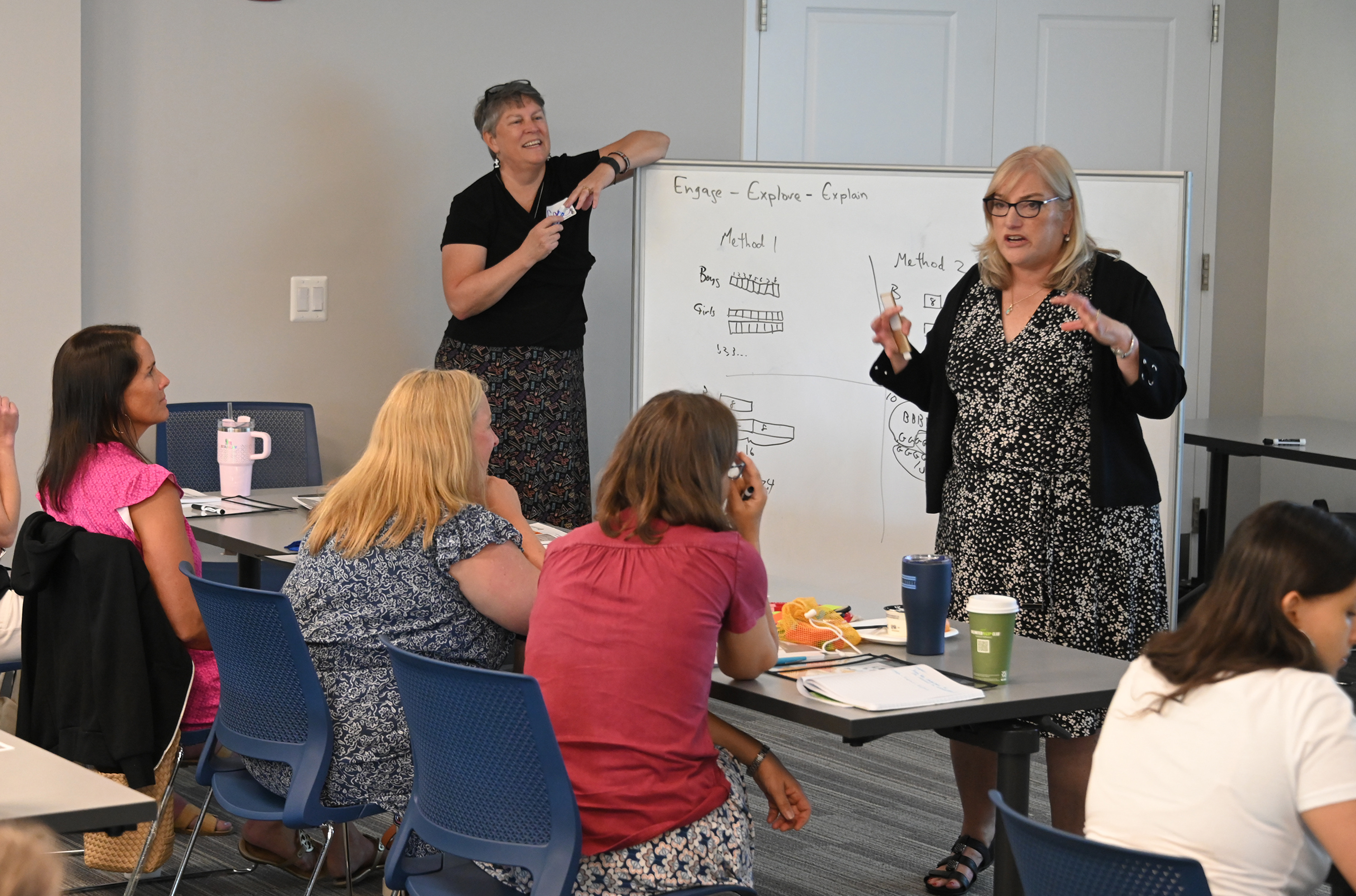
Imagine you're a character in a math problem. You have three platters, but only two cakes. All three platters need to have the same amount of cake. How would you split it? This simple question is an example of how Singapore math encourages students to think critically and visualize mathematical relationships. Without even saying the word "divide," a group of about 20 teachers from private schools in Pennsylvania, Maryland, and Virginia used cubes and notecards to find solutions. The answer was two-thirds of a cake per platter. But this is just the beginning of a deeper exploration into how Singapore math approaches teaching mathematics.

During a training session on "Singapore math," which is known for its effectiveness in improving student performance, Math Champions founder Cassy Turner asked the teachers to explain their reasoning before moving on to the next question. This method emphasizes understanding over rote memorization and fosters a deeper connection with mathematical concepts.

The Expansion of Singapore Math in Schools

Owings Mills K-12 girls' school, Garrison Forest School, hosted a two-day public workshop on this teaching style last week. After seeing success with Singapore math in their lower school over the past two years, Garrison is now expanding the curriculum through eighth grade this year. Other Maryland schools, including private, charter, and public institutions, have also incorporated this approach into their curricula, hoping to replicate Singapore's decades of success.

Singapore math was developed by the country's Ministry of Education and focuses on a slower learning approach that allows students to understand mathematical concepts in greater detail. At the kindergarten level, for instance, students are introduced to the plus or minus symbols only at the end of the year. Instead, they spend time telling stories with numbers to decode the relationship between them. For example, after looking at a picture, a student might say, “There are four boys in the picture and one girl. Four and one make five.”

Teaching Methods and Student Engagement

Research has shown that students learn best when they mix physical objects like counting chips and blocks with drawings and in-depth discussions. Singapore math teaches concepts starting with concrete materials, then progresses to pictures, and finally introduces abstract symbols like the plus or minus sign. Older children engage in class discussions that explore three or four different methods students used to solve a problem, always ending on the one closest to the day’s goal.

The use of drawn bars to visualize numerical relationships is particularly clever in Singapore math. This method helps students see connections and understand complex problems more easily. Memorization doesn’t work well in this system; instead, the focus is on problem-solving. American textbook publishers have localized Singaporean math materials for U.S. classrooms, but the core of Singapore math is problem-solving, not just calculation.

Addressing Challenges in American Math Education

In the U.S., math education often gets bogged down in skills and concepts, while Singapore math starts with attitudes and thought processes. Developing a conceptual understanding of math from the ground up is something that people in math education have advocated for many years, but it requires professional development for teachers.

Contrast this with what Campbell called “a show-and-tell model” of math instruction where someone shows you how to solve a problem and you practice doing it over and over again, relying on memory. This approach doesn’t work well if you look at the product of kids’ achievement.

Encouraging a Love for Math

By fourth grade, kids know if they like math or not. They’re more aware of their peers and can get embarrassed by their answers. They won’t ask questions or raise their hands, and so they fall further and further behind. But Singapore math can make the subject students’ third favorite, behind P.E. and lunch.

At Garrison, all three divisions previously used a different textbook program. Extending Singapore math through middle school means students only have to transition to upper school math. Strategies like drawing bar models help students feel like they can access more advanced concepts like ratios.

Results and International Comparisons

The results for Garrison’s students are impressive. The majority of K-5 students showed more than a year’s worth of growth in math on Measures of Academic Progress assessments taken last school year. Internationally, Singapore consistently ranks high in math performance. On the 2022 Programme for International Student Assessment (PISA), 41% of students in Singapore were top performers in mathematics, compared to 7% in the United States.

Even taking top performers out of the equation, Singaporean students still had an edge: 92% attained at least Level 2 proficiency in mathematics, compared to 66% in the U.S. This trend holds for younger students too. On the 2023 Trends in International Mathematics and Science Study, Singapore had international top scores for both fourth- and eighth-graders, while the U.S. had around average scores.

A Broader Educational Context

The difference in math instruction isn’t the only difference between the two countries’ education systems. Singapore has a national math curriculum, with the government producing educational materials and ensuring all teachers teach the same math concepts the same way. In the U.S., student-teachers rarely get intensive instruction on how to teach math. Throughout her experience training teachers across the country, Resnick said it’s typical for student-teachers without advanced degrees in math to get one class in math education and four or five in reading.

Additionally, U.S. state and local jurisdictions, as well as individual teachers, have far greater control over curriculum and teaching methods than they do in Singapore. While some math curricula in Maryland emphasize concrete models and strategy discussions, the professional development teachers receive and the instructional models they use vary.

Conclusion

All school districts are required to align their curriculum to the College and Career Readiness math standards. However, as Campbell said, “Everybody can be good at math. It’s a matter of how you’re taught.”

Thursday, July 31, 2025

Dollars and Sense: Shankle's Motivational Methods Transforming Special Needs Lives

Dollars and Sense: Shankle's Motivational Methods Transforming Special Needs Lives

Featured Image

A Unique Approach to Teaching Special Education

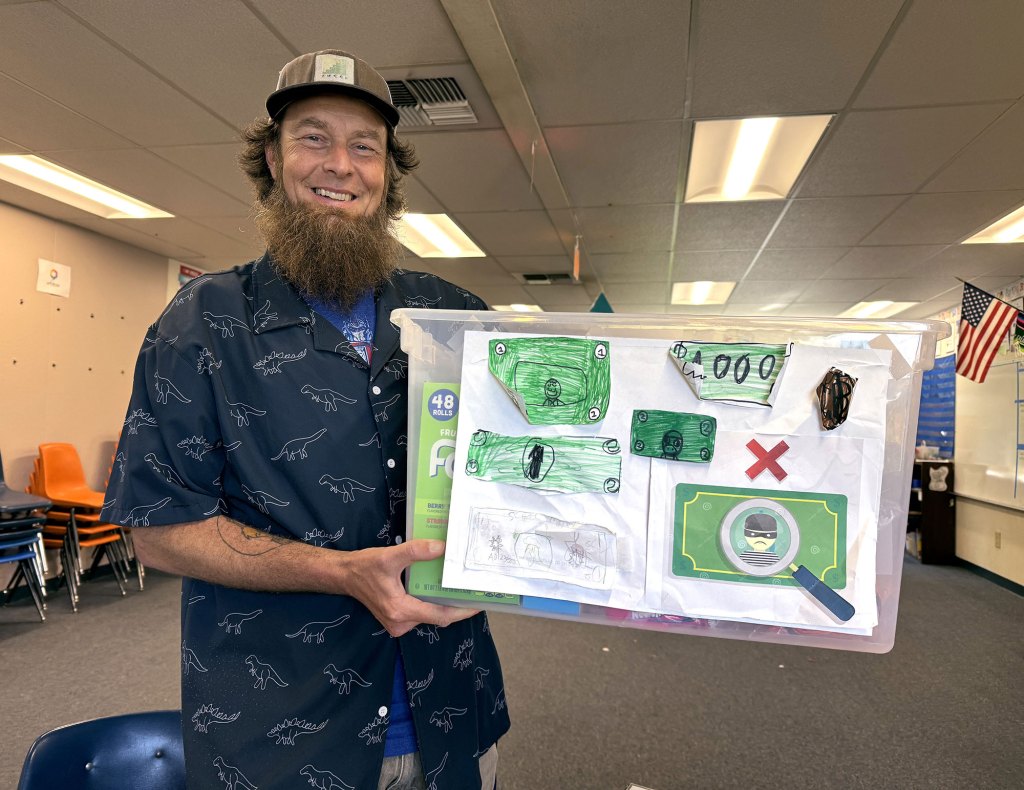
In San Benito County, a school teacher named Logan Shankle has unintentionally inspired a group of students with mild to moderate learning disabilities to become aspiring counterfeiters. His unique system involves rewarding students with play money for achieving daily goals. This method has proven so effective that some students have started creating their own versions of the bills, even attempting to pass off a fake Bitcoin.

Shankle's classroom is filled with a variety of rewards, including snacks, stickers, juice boxes, and tickets that can be redeemed for items like a few minutes with an iPad or a round at the basketball hoops. These prizes are displayed in a plastic bin on the side of the room, encouraging students to work towards their goals.

For Shankle, who teaches at Aromas School, this approach is more than just a reward system. It's a way to connect with his students and help them understand the value of setting and achieving goals. In special education, progress is often measured in small steps, and Shankle believes that celebrating these moments is crucial for building connections and fostering independence.

The Influence of Tucci Learning Solutions

Shankle's teaching methods are heavily influenced by his 16 years of experience with Tucci Learning Solutions, a company that trains parents and educators to address the challenges of teaching special needs children. He uses the Competent Learner Model, which includes seven "repertoires" to assess student progress: talker, observer, listener, problem solver, reader, writer, and participator.

Each student is assessed to identify gaps in their abilities, and Shankle works closely with parents to gain a better understanding of the child's environment. This collaboration helps build trust and makes difficult conversations easier. Shankle emphasizes the importance of family involvement, stating that it's essential for both parents and teachers to work together to support the student's growth.

Rewarding Incremental Progress

The expectations for each student vary depending on their individual needs. Some students may be asked to point to an object in a picture after a verbal prompt, while others might need to identify an object verbally. For math problems, one student may be asked to complete a problem, while another may only be required to draw a given number.

Shankle's play money system is a key component of his positive reinforcement strategy. This approach was inspired by his mother's work with Guide Dogs for the Blind, where she used operant conditioning to shape and teach behaviors. Shankle found this method to be effective and adapted it for use in his classroom.

When students complete tasks, they receive verbal praise and gentle corrections when necessary. Play money is also awarded based on their performance. For example, if a student draws an "X" but doesn't follow the exact order of the lines, Shankle still rewards them but explains the error. This approach encourages students to try again and celebrate their progress.

Adapting Goals and Encouraging Independence

As students become more familiar with tasks, Shankle gradually adjusts the goals to challenge them further. For instance, a student might be asked to cut out a circle of paper and glue it to another sheet. Initially, the scissors and glue are within easy reach, but as the student becomes more independent, these items are moved to a counter a short distance away, requiring the student to solve the problem on their own.

Shankle keeps students informed of their current balance and desired goals, motivating them to work towards their next reward. This approach not only reinforces academic skills but also improves life skills, such as remembering to take care of essentials like glasses.

Building Trust with Students and Parents

Michelle Dougherty, the district's director of special education, credits Shankle's approach for the success of the mild to moderate disability program. She highlights his ability to quickly respond to students' needs and his strong communication with parents, which fosters trust between families and the school.

For families like Adon Diaz, whose non-verbal son Gabriel benefits from Shankle's teachings, the impact is profound. Shankle provided tools for home use, including printed icons that help Gabriel express his wants and needs. This has significantly improved Gabriel's communication and reduced frustration.

Diaz also praises Shankle's availability, noting that he is always willing to assist the family, even on weekends. This level of dedication has made a meaningful difference in their lives, providing comfort and support for both Gabriel and his family.

Tuesday, July 29, 2025

Fun Learning with Trampoline Sidewalk Chalk for Kids

Fun Learning with Trampoline Sidewalk Chalk for Kids

Featured Image

What Is a Trampoline Sidewalk Chalk Learning Game?

The Trampoline Sidewalk Chalk Learning Game is an innovative way to combine physical activity with educational play. It’s designed for children of all ages, especially toddlers and preschoolers, who benefit from interactive learning experiences. This game transforms a backyard trampoline into a vibrant, engaging space where kids can explore shapes, colors, and movement simultaneously.

Using bright, washable sidewalk chalk, children draw various shapes directly onto the trampoline surface. Then, they follow auditory instructions such as jumping to a red circle or avoiding a yellow triangle. This not only enhances listening skills but also improves gross motor coordination and shape recognition. The game is highly adaptable, making it ideal for both individual play and group activities.

Materials You’ll Need for the Trampoline Sidewalk Chalk Learning Game

To get started, you’ll need just a few simple items:

  • Washable sidewalk chalk (bright and bold colors work best)
  • A standard-sized backyard trampoline
  • A timer or stopwatch (optional, but adds excitement for competitive play)
  • A water spray bottle (for quick cleanup or redrawing faded shapes)

This minimal list makes the game perfect for last-minute summer fun, babysitting activities, or budget-friendly family entertainment. It requires very little preparation and is easy to set up.

Step-by-Step Instructions for the Trampoline Sidewalk Chalk Learning Game

  1. Clean and dry the trampoline surface – Ensure the surface is free of debris and completely dry so the chalk adheres properly.
  2. Draw shapes on the trampoline – Use the sidewalk chalk to create a variety of shapes like circles, squares, stars, triangles, and hearts. Assign different colors to each shape to add another layer of learning.
  3. Space out the shapes – Make sure there is enough distance between each shape so kids can jump from one to another without colliding.
  4. Draw multiple copies of each shape – This prevents confusion and ensures that multiple children can participate at once.
  5. Start the game – Call out specific shapes or colors and have the kids jump to the correct ones. For example, “Jump to the blue square!” or “Avoid the green triangle!”
  6. Use a timer – Set a countdown to increase excitement and challenge.

This game is endlessly customizable and can be adapted for different age groups and skill levels. Whether you’re playing with one child or a group, it offers a fun and engaging way to stay active and learn.

Educational Benefits of the Trampoline Sidewalk Chalk Learning Game

Beyond being a fun activity, this game offers numerous developmental benefits:

  • Gross motor skills: Jumping between shapes helps improve strength, coordination, and balance.
  • Color and shape recognition: Kids reinforce basic preschool concepts through hands-on play.
  • Listening and following directions: They must respond quickly and accurately to verbal cues.
  • Creativity and autonomy: Older children can design their own variations of the game and practice drawing shapes.
  • Spatial awareness: Navigating the trampoline space enhances perception and planning skills.

These benefits make the game an excellent choice for parents and educators looking to blend education with play.

Variations to Keep Things Fresh

To keep the game exciting, try these variations:

  • Opposite Day: Call out a shape or color they should NOT jump to. This teaches inhibition and listening.
  • Color & Shape Combos: “Jump to a green square” or “Avoid red stars.” Add complexity as their skills grow.
  • Simon Says Edition: Only jump when you say “Simon says.” This builds focus and self-control.
  • Drawing Relay: Let kids draw the shapes themselves. Great for fine motor development and ownership.
  • Thematic Shapes: Use themes like “ocean shapes” (starfish, waves) or “space shapes” (stars, moons) for a twist.

These variations ensure that the game remains engaging and challenging for all ages.

Safety Tips and Chalk Tips

  • Use washable sidewalk chalk for toddlers to avoid staining and ensure easy cleanup.
  • Avoid overlapping shapes to prevent confusion and maintain visibility.
  • Always supervise younger children, especially if they are using a smaller trampoline.
  • Wear socks or go barefoot to avoid slips or irritation from chalk dust.
  • Redraw shapes often as they may fade during play. Encourage kids to help with this to extend playtime.

Great for Any Setting

This game works in any backyard trampoline setup and can even be adapted indoors with chalkboard mats or removable vinyl decals. It’s perfect for home, friends’ houses, or playgrounds with thoughtful designs. Parents and babysitters love it because it requires minimal prep time and guarantees fun.

Why Parents and Babysitters Love This Game

Parents appreciate how the game keeps kids engaged, moving, and learning. Babysitters value its simplicity and the joy it brings. It’s ideal for:

  • Summer fun for kids
  • Educational outdoor play
  • Screen-free backyard entertainment
  • Games for mixed age groups

It works well for solo play, pairs, or small groups.

Related Activities That Pair Well

To extend your playtime, consider combining this game with other activities:

  • Dodgeball games with soft balls on the trampoline
  • Obstacle course using pool noodles, cones, and hula hoops
  • Alphabet hop by drawing letters and spelling simple words
  • Color match relay where kids jump to objects that match chalk shapes

These additions create hours of continuous play and exploration.

Final Thoughts

The Trampoline Sidewalk Chalk Learning Game is more than just a fun distraction—it’s a powerful tool for creative learning, motor development, and screen-free fun. With its simplicity, adaptability, and joy factor, it’s no wonder this activity is gaining popularity. Whether you’re looking for new babysitting ideas or upgrading your backyard trampoline, this game is a top choice.

Grab your washable sidewalk chalk, head outside, and create a memorable experience filled with movement, learning, and laughter. Let the bouncing, learning, and giggling begin!

Sunday, July 27, 2025

Teachers Share Jaw-Dropping Job Insights No One Expected

Teachers Share Jaw-Dropping Job Insights No One Expected

Featured Image

The Hidden Realities of Teaching: Insights from Educators

Teaching is often viewed as a straightforward profession, but the reality is far more complex. Educators across the globe have shared their experiences, revealing the challenges and misconceptions that many people overlook. These insights provide a deeper understanding of what it truly means to be an educator in today's world.

Misconceptions About Teacher-Student Relationships

One common misconception is that students see teachers as equals. A teacher recounted witnessing two incidents where students believed they had the same rights as their educators. For instance, a student argued that since teachers can have cellphones on their desks, he should be allowed to use his during class. Another student refused to attend class after being reprimanded, not realizing that some rules are non-negotiable. These situations highlight the need for clearer boundaries and mutual respect between students and teachers.

The Extent of Educational Expertise

Educators often face the challenge of being seen as mere babysitters rather than professionals with extensive training and knowledge. Many teachers emphasize that their role requires them to be lifelong learners, constantly updating their skills to meet the needs of their students. However, this expertise is frequently undervalued, leading to a lack of support and resources. Some educators warn that continued underfunding of public schools could result in a generation of students who struggle with basic literacy and critical thinking skills.

The Reality of Work Hours and Responsibilities

The notion that teachers work a standard 9-to-3 schedule is another myth. Many educators work well beyond these hours, often spending additional time planning lessons, grading assignments, and communicating with parents. One teacher shared that she works from 8 a.m. to 5 p.m. at school and then spends around two hours each night on work-related tasks. Additionally, teachers rarely get paid for weekend work, which can lead to burnout and dissatisfaction.

Challenges in Special Education

Special education teachers face unique challenges, including understaffing and the need to provide individualized support. An anonymous teacher from Connecticut described the chaos of working with special-ed preschoolers when substitutes are unavailable. This situation underscores the importance of adequate staffing and support for educators in specialized fields.

The Impact of Parental Involvement

Parental involvement plays a crucial role in a child's education. However, many educators express frustration with the lack of engagement from some parents. One reading interventionist noted that some parents avoid seeking help for their children, fearing judgment or stigma. This reluctance can hinder a child's progress and create a cycle of academic struggle.

Ethical Dilemmas in Grading

Some educators face ethical dilemmas when deciding how to grade students. One teacher from Arizona shared that it can be easier to pass struggling students rather than deal with the administrative burden of proper grading. This practice raises concerns about the integrity of educational outcomes and the pressures faced by educators.

Technology and Its Effects on Learning

The rise of technology has significantly impacted learning environments. Teachers report that students spend excessive amounts of time on their devices, leading to decreased reading and critical thinking skills. One educator noted that many students spend over 50 hours per week on their phones, which contributes to a culture of instant gratification and reduced academic engagement.

The Importance of Administrative Support

Administrative support is vital for educators to manage classroom dynamics effectively. A teacher recently quit mid-class due to overwhelming behavioral issues, highlighting the need for stronger support systems. When administrators stand behind their staff, it can make a significant difference in the teaching environment.

The Role of Parental Responsibility

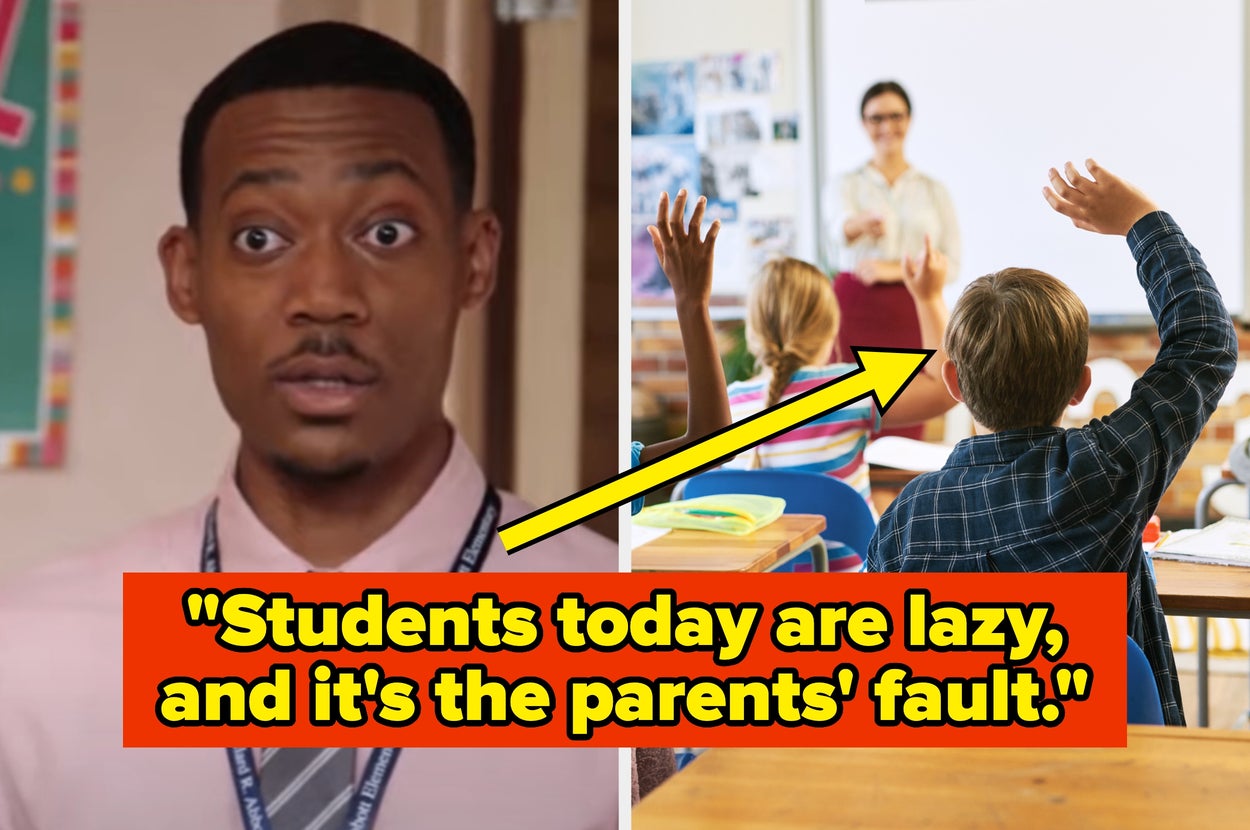
Parental apathy is a growing concern in education. Many educators believe that funding alone cannot address the root causes of poor academic performance. Lazy parenting can lead to lazy students, creating a cycle that is difficult to break. Educators urge parents to take an active role in their children's education, fostering a culture of responsibility and effort.

Conclusion

The realities of teaching extend far beyond the classroom. From the challenges of managing student behavior to the pressures of administrative expectations, educators navigate a complex landscape. Their insights reveal the need for greater recognition, support, and collaboration between educators, parents, and policymakers to ensure a successful future for all students.

Thursday, July 24, 2025

Girls in Afghanistan Seek Faith-Based Education Beyond 6th Grade

Girls in Afghanistan Seek Faith-Based Education Beyond 6th Grade

Featured Image

The Struggle for Education in Afghanistan

In the heart of Kabul, 13-year-old Nahideh spends six hours a day after school working in a cemetery, collecting water from a nearby shrine to sell to mourners. Her dream is to become a doctor, but she knows that this dream is out of reach. As the next school year approaches, she will be enrolling in a madrassa, a religious school, to study the Quran and Islam—though her aspirations extend far beyond what the school offers.

Nahideh is in the final grade of primary school, which is the highest level of education available to girls in Afghanistan under the current Taliban government. Three years ago, the regime banned girls from attending secondary schools and universities, making Afghanistan the only country in the world to implement such a policy. This ban is part of a broader set of restrictions on women and girls, affecting everything from their clothing choices to their freedom of movement and social interactions.

With no access to higher education, many girls and women are turning to madrassas as an alternative. These religious schools offer a different form of learning, focusing primarily on Islamic teachings. According to Zahid-ur-Rehman Sahibi, director of the Tasnim Nasrat Islamic Sciences Educational Center in Kabul, the closure of schools has led to a surge in interest in madrassas.

The center, which serves about 400 students ranging in age from 3 to 60, is predominantly attended by women. Students study the Quran, Islamic jurisprudence, the sayings of the Prophet Muhammad, and Arabic, the language of the Quran. Sahibi notes that even before the school closures, many Afghans attended madrassas, but the demand has increased significantly since then.

While there are no recent official figures on the number of girls enrolled in madrassas, officials report that the popularity of these institutions has been growing. Last September, Deputy Minister of Education Karamatullah Akhundzada stated that at least 1 million students had enrolled in madrassas over the past year alone, bringing the total to over 3 million.

Learning the Quran

Inside the Tasnim Nasrat center, students sit on the carpeted floor, tracing lines of Arabic script in their Qurans. All the young women wear black niqabs, leaving only their eyes visible. For many, studying the Quran is seen as a fundamental duty. Faiza, a 25-year-old student who enrolled five months ago, believes it is essential for Muslims to understand the Quran’s teachings.

“I would have preferred to study medicine,” she said. “But I know that is now impossible. Still, I hope that if I show dedication to my religion, I might eventually be allowed to continue my studies.”

Faiza’s teacher, Sahibi, expresses a desire for women to have access to both religious and modern education. He believes that while religious sciences are important, so too are other subjects like math and science. “Islam encourages the pursuit of modern knowledge because it is necessary for society,” he said.

A Controversial Ban

The ban on female secondary and higher education has sparked controversy within Afghanistan, even among some members of the Taliban. In January, Deputy Foreign Minister Sher Abbas Stanikzai publicly criticized the ban, stating there was no justification for denying girls and women access to education. His remarks were met with disapproval from the Taliban leadership, and he is now reportedly on leave and has left the country.

Despite this dissent, the impact of the ban remains severe. UNICEF Executive Director Catherine Russell warned that if the ban continues until 2030, over four million girls will be deprived of their right to education beyond primary school. She described the consequences as catastrophic, affecting not only the girls themselves but also the health system, economy, and future of Afghanistan.

The Role of Religious Education

In a deeply conservative society, the teachings of Islam hold significant importance. Mullah Mohammed Jan Mukhtar, who runs a boys’ madrassa north of Kabul, believes that learning the Quran is the foundation for all other sciences. “If someone first learns the Quran, they will be able to learn other sciences much better,” he said.

His madrassa, which started with 35 students five years ago, now has 160 boys aged 5 to 21. It also offers limited classes in English and math, along with an affiliated girls’ madrassa that currently has 90 students. Mukhtar emphasizes the importance of religious education for women, believing it helps them understand their rights and responsibilities within the family.

As Afghanistan continues to face uncertainty, the role of madrassas in providing education to girls and women remains a critical issue. While some see them as a means of preserving cultural and religious values, others argue that limiting education to religious studies hinders the development of a more inclusive and progressive society.

Wednesday, July 23, 2025

Students at Patrick Henry High School get hands-on with gardening

Students at Patrick Henry High School get hands-on with gardening

Featured Image

Engaging Students in Sustainable Gardening

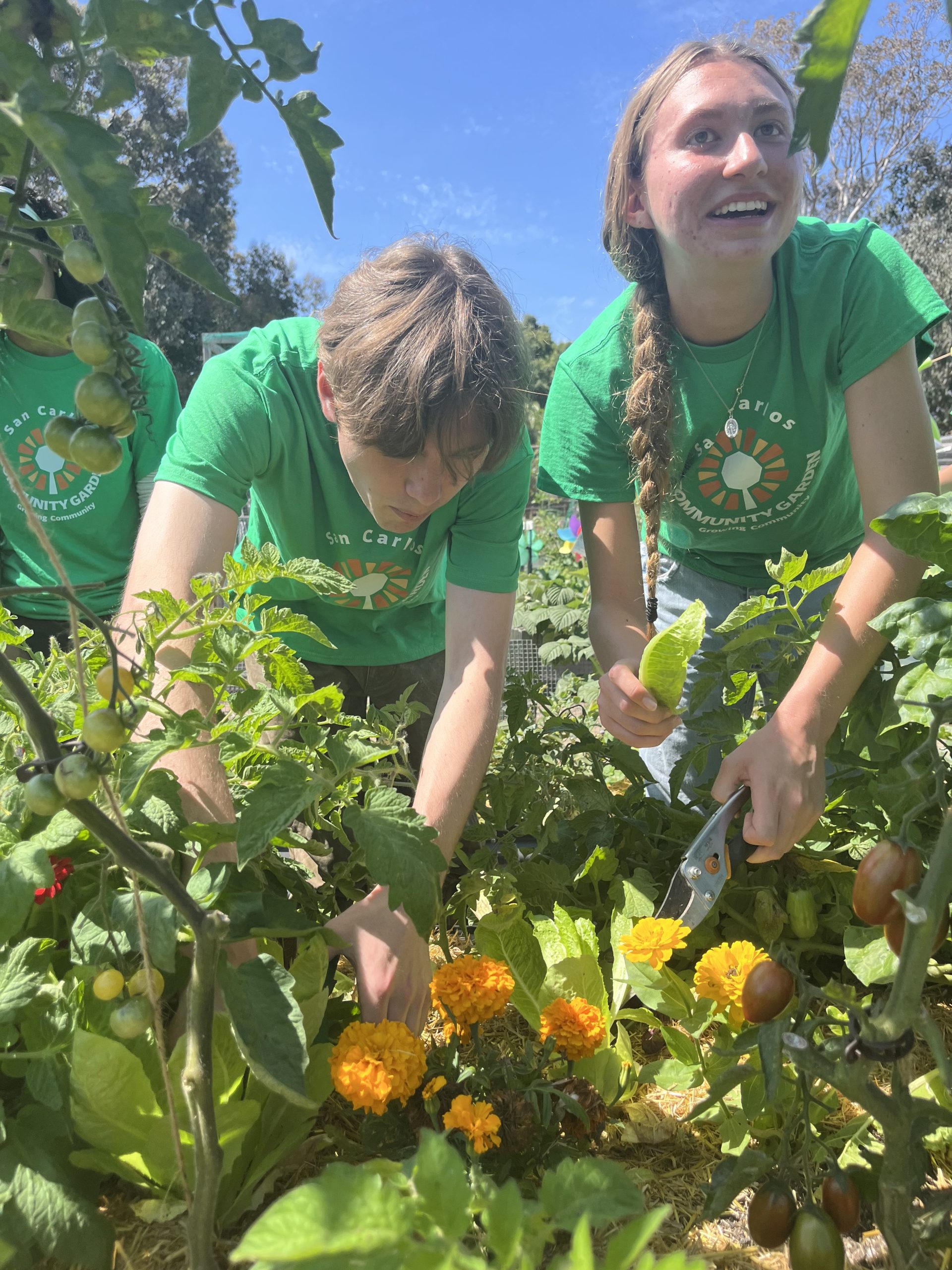
The San Carlos Community Garden (SCCG) is playing a vital role in engaging students from Patrick Henry High School through its Youth Ambassador Program. This initiative offers young people the opportunity to learn about gardening while contributing to their community. The program has become a valuable educational experience for students, combining hands-on learning with community service.

Lara Dickens, a physics and AP environmental science teacher at Patrick Henry High School, shared how the program began. Around 10 years ago, a parent and SCCG volunteer invited her AP environmental science class to participate in a fall garden event. At the time, the garden was small, and students helped supervise a bounce house and manage a pumpkin smashing booth. Old pumpkins brought by the community were turned into compost using baseball bats. It was an exciting and memorable event that sparked interest among students.

Dickens noted that while inviting students to help can be risky, it has led to meaningful opportunities. As the garden grew, so did the need for more skilled volunteers. Fortunately, there have always been garden volunteers willing to teach students about gardening. However, participation during the school year can vary due to conflicts such as sports, work, or other events. Some years see more students interested in gardening than others.

Benefits of Hands-On Learning

For those students who are able to participate in the activities at SCCG, the benefits are numerous. Dickens emphasized that students gain experience working with flowers, fruits, compost, soil, vegetables, trees, seeds, and succulents. They also learn about community planning and the logistics of maintaining a sustainable community garden.

Growing food requires a lot of effort and resources, and this program helps students understand the hard work involved. While school gardens may give the impression that gardening is fun and easy, the reality is that it takes time, dedication, and financial support. The Youth Ambassador Program brings everything together, teaching students the skills needed to grow food and appreciate the effort it takes to do so.

Leslie Nelson, a member of the SCCG Education Committee, has been involved with the community garden for about 10 years. She started by leasing raised beds and later expanded her involvement. With 35 years of gardening experience, she has worked with students of all ages since her children were in kindergarten. Prior to the pandemic, she began working with students from Patrick Henry on gardening, eventually forming the Henry Gardening Club.

Nelson continued to work with students during the summer, teaching them about gardening and helping them design and plant raised beds with veggies and flowers. Students also had the chance to interact with other gardeners at SCCG, learning about plants, ecology, and even releasing native bee cocoons. These experiences were highly beneficial and positive for the students.

Expanding the Program Post-Pandemic

During the worst of the COVID-19 pandemic, the program was temporarily halted. After restrictions eased, Patrick Henry tightened regulations on student participation at SCCG. In response, Nelson and Dickens developed a new program called the Ambassador Program. This initiative not only taught students about gardening but also introduced them to the workings of a non-profit organization.

Last year, the student ambassadors attended a leadership board meeting, gaining insight into the leadership and business aspects of running a garden. The program provided a valuable avenue for students to learn about gardening while contributing to the growth of the community.

Positive Ripple Effects

Nelson sees the many programs offered by SCCG as having beneficial ripple effects within the community. People learn how to garden organically and better understand how to make a positive impact on the environment through seminars, events, and raised bed leases. While there is still more to do, the progress made is significant.

Payton DeGroote, an educator for the Youth Ambassadors program, has seen the benefits firsthand. Although she only started this summer, she has already gained valuable hands-on experience. DeGroote is studying Ecosystem Science and Sustainability at Colorado State University and believes that learning sustainable practices in young adulthood is essential.

She has enjoyed watching high school students learn about ecology and how to run a garden. DeGroote emphasized that sustainability is becoming increasingly important due to climate change, and learning these practices early on can have long-term benefits for both individuals and the environment.

Student Perspectives

Ava Chamberlain, a first-year participant in the program, shared her experience. She was drawn to the program through her environmental science class, which sparked her passion for making a lasting impact on the world. Chamberlain described the program as educational and hands-on, with activities such as working with bees, soil, composting, and harvesting.

She also appreciated the welcoming community at the garden. Chamberlain encouraged future students to join the program, noting that no prior experience is required—just a willingness to learn and have fun. She highlighted the value of the work done, as the garden supplies food to the local food bank and Sierra School, making a meaningful contribution to the community.

A Fun and Educational Experience

Chamberlain advised future students to expect a fun and educational environment where they can ask questions, get their hands dirty, meet new people, and participate in events like the produce exchange. She emphasized that the program is open to everyone, regardless of prior experience, and encourages students to take part in the meaningful work being done at the garden.

Tuesday, July 22, 2025

Bridging Cultures: A Brazilian Teacher's Journey in America

Bridging Cultures: A Brazilian Teacher's Journey in America

Featured Image

A Journey of Transformation Through International Education

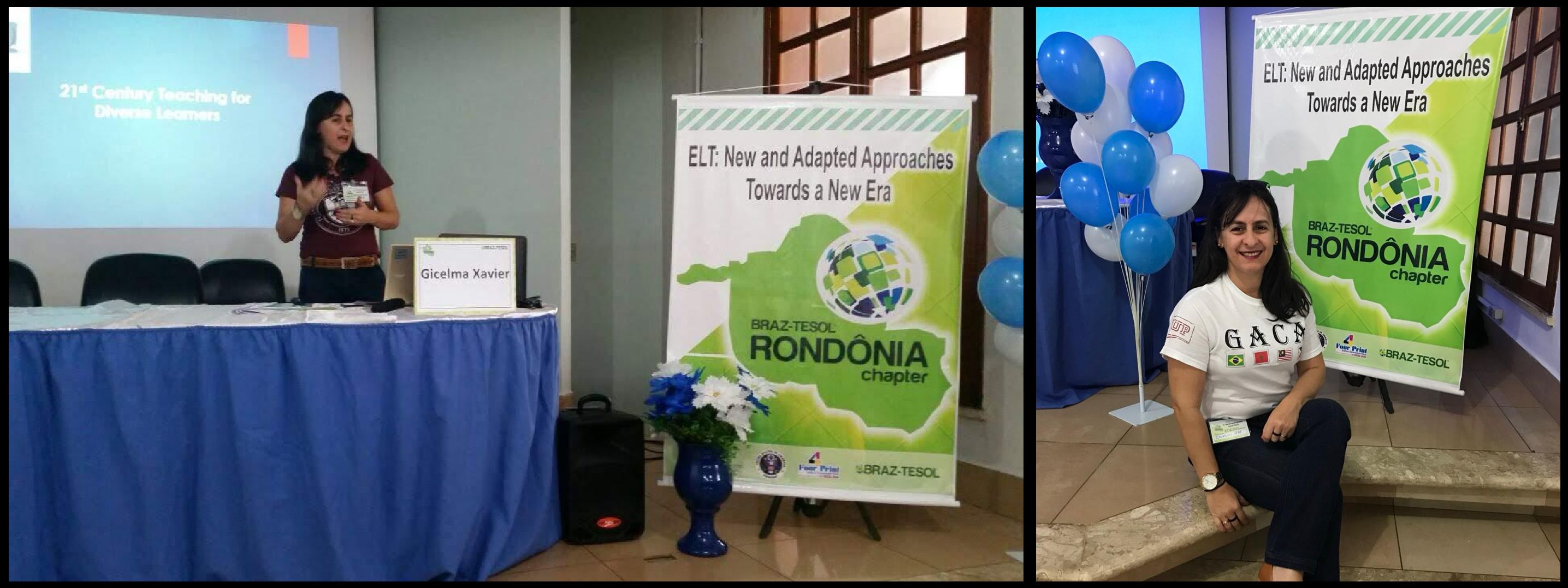
After returning to Brazil, educator Gicelma Claudia da Costa Xavier reflects on the profound impact of her participation in the International Leaders in Education Program (ILEP), an initiative organized by the U.S. Department of State. During the first semester of 2017, she immersed herself in the daily life of public schools in the United States. Since then, she has applied the knowledge gained in her teaching role at the Federal Institute of Rondônia (IFRO) and currently at the Federal Institute Fluminense (IFF) in Cabo Frio, where she transferred in 2022.

Through observed classes, intensive training, and rich cultural exchanges, the experience in the U.S. provided a transformative view of education. “Living in an education system focused on student autonomy and the strategic use of technology broadened my horizons as an educator,” says Gicelma, who is now a reference in pedagogical innovation and teacher training.

Structural and Methodological Differences

The contrast between the Brazilian and U.S. education systems became evident from the very first days. While Brazil's education system still predominantly focuses on set curricula and standardized assessments, in the United States, Gicelma observed a strong emphasis on interdisciplinary learning, personalized teaching, and student-centered practices.

"In American high schools, students have more freedom to choose courses based on their interests and vocations. This leads to greater engagement. Additionally, there is a substantial investment in educational technologies, something that was still in its early stages in public schools in Brazil," said Gicelma.

She also noted a significant difference in the student-teacher relationship. “In the U.S., the teacher acts as a facilitator. In Brazil, teachers are often still seen as the sole source of knowledge, which limits active student participation.”

Adaptation and Transformation Upon Returning

Upon returning to Brazil, Gicelma embarked on a journey of rethinking her teaching practices. She integrated active methodologies, such as project-based learning (PBL), the use of Web 2.0 tools, and promoted interdisciplinary activities aligned with students' local realities.

One of her most noteworthy projects was “The Use of Online Resources in Teaching Practices,” carried out at IFRO. The project aimed to reignite student interest by using collaborative platforms and digital games as allies in English language teaching. “Many students, who were previously disengaged, became actively involved. Technology served as a bridge between content and their real-life experiences.”

Strengthening Teacher Training

Gicelma also contributed to the professional development of fellow educators by organizing webinars, courses, and workshops focused on the use of digital technologies and teaching English in multicultural contexts. "Sharing this experience with other teachers multiplied the impact of the program. The goal is for the change to extend beyond just my classroom."

Her doctoral research, completed in 2024 at the Federal University of Rondônia, specifically addressed the tension between teacher autonomy and the technical rationality imposed by public evaluation policies in Brazil. The work emphasizes the need for more flexible, less rigid teacher training models that are not constrained by predefined goals and standards.

Persistent Barriers and Challenges

Despite the advances Gicelma has implemented, she recognizes that there are structural barriers to fully incorporating the U.S. models into the Brazilian context. Among these barriers are the lack of adequate technological infrastructure, the excessive workload for teachers, and a curriculum that is still poorly adapted to regional realities.

"It’s not feasible to simply import a model and apply it wholesale here. But it is possible to adapt the best aspects of each system. Active listening to students, respect for diversity, and intelligent use of technology are universal paths," she explains.

Institutional Impact and Continued Influence

Now at the Federal Institute Fluminense (IFF) in Cabo Frio, Gicelma continues to develop projects focused on blended learning, multilingual education, and teacher training. She is also involved in research groups studying innovative methodologies and educational technologies.

Her journey underscores the importance of international exchange programs as tools for transformation in public education in Brazil. For Gicelma, the experience in the U.S. was much more than an academic trip—it was a reconnection with the core of teaching: “To educate is to connect worlds—the world of the student with the world of knowledge, the classroom world with the real world.”

Conclusion

Gicelma’s experience reinforces the idea that significant changes in public education are possible when there is continuous professional development, openness to new practices, and institutional support. Her story is an example of how international experiences can illuminate the path to a more democratic, technological, and student-centered education system—both in Brazil and beyond.

Q&A: Can Centering Experience Boost Teacher Training?

Q&A: Can Centering Experience Boost Teacher Training?

Featured Image

Understanding the Experiences of Black Women in Teacher Education

Mariah Harmon, an assistant professor of education at Penn State's College of Education, has dedicated her career to studying how teacher education programs can better support minoritized teachers. Her recent work focuses on centering the voices and needs of Black women who are training to become educators. This approach aims to improve their experiences and create more inclusive environments within the education system.

Harmon recently co-authored a study published in the International Journal of Qualitative Methods, which explored the experiences of Black women pre-service teachers—individuals enrolled in teacher education programs but not yet in professional roles. The research involved 10 Black women from across the U.S., who participated in in-depth interviews and eight two-hour "counterspace" sessions conducted via Zoom. These sessions allowed participants to discuss issues related to their identities and experiences in teacher education.

What Is Qualitative Research?

Qualitative research involves studying concepts, experiences, and opinions that cannot be easily quantified. In this study, the focus was on understanding the lived experiences of Black women in teacher education programs. By listening to their stories, researchers aimed to gain insights into how these experiences shape their development as future educators.

The study investigated several aspects of the participants' journeys, including their experiences as students, their time in teacher education programs, their hopes for their future classrooms, and their overall needs for success. Through these discussions, the researchers sought to understand the ideologies and commitments of the participants, which informed their growth as educators.

Challenges Faced by Black Women in Teacher Education

The study found that many of the participants felt isolated, disappointed, and resentful toward their teacher education programs. They reported that the curriculum often did not reflect their identities or values, making it difficult for them to see themselves in the pedagogies and practices they encountered. This disconnect between the program and their personal experiences created a sense of alienation.

Additionally, the issue of tokenism was highlighted. Many of the participants felt pressured to represent all Black individuals in their programs, which added an extra layer of stress and responsibility. This invisible work—beyond just completing coursework—often impacted their ability to learn in a safe and supportive environment.

When individuals are positioned as "the other," it can lead to a range of consequences. The normalization of certain curricula and pedagogies can make it seem like being authentic is seen as different rather than part of the norm. This dynamic can hinder the development of a truly inclusive educational environment.

Can Centering Black Women’s Voices Help Address the Teacher Shortage?

Yes, according to Harmon. A key issue in teacher education is the lack of belonging. Pre-service teachers from all backgrounds want to feel seen, heard, and accepted as their authentic selves. Expanding the definition of what it means to be an effective teacher is essential. This requires understanding the diverse experiences—both positive and challenging—that future teachers bring with them.

However, this process takes time. Building relationships between pre-service teachers and their instructors is crucial, but it can be difficult when there is a pressing need to fill teaching positions quickly. Despite these challenges, addressing the unique experiences of Black women in teacher education can make the field more appealing to a broader range of candidates, especially women of color.

Assumptions About Teachers and Students

A common assumption is that teachers from minoritized groups will automatically relate to students from similar backgrounds. However, this is a dangerous oversimplification. While shared identity markers may suggest some level of connection, they do not guarantee a shared perspective on education or its systems.

Most teachers have navigated the traditional education system successfully, which can shape their views and practices. Without critical reflection, these perspectives can reinforce existing biases and discriminatory practices. Instead of assuming similarity based on identity, it is important to explore individual experiences and challenge past assumptions.

By reflecting on their own experiences—what Harmon calls "ghosts"—teachers can rethink how they approach their classrooms. This process allows them to move beyond survival and focus on helping their students thrive.

Conclusion

The findings from this study highlight the importance of centering the voices of Black women in teacher education. By doing so, institutions can create more inclusive and supportive environments that benefit both educators and students. This work is not only necessary for addressing the teacher shortage but also for fostering a more equitable and effective education system.

Oregon Tribes Prioritize Community, Language, and Culture in Early Education

Oregon Tribes Prioritize Community, Language, and Culture in Early Education

Featured Image

Preschoolers Learn in Chinuk Wawa at Tribal School

Eleven preschoolers are spread out across a classroom at Shawash-iliʔi Skul, an immersion school operated by the Confederated Tribes of Grand Ronde in northwestern Oregon, chatting away in a mix of English and Chinuk Wawa, a historical language of the tribe. For these children, speaking Chinuk Wawa is natural, but for tribal members, it represents a significant cultural milestone. The presence of the language in early education reflects a broader effort to preserve and pass on traditions, languages, and values.

The teachers, whom the children affectionately call “auntie” and “uncle,” move around the room, helping with tasks like sharpening pencils or joining in games. Creating such programs has not been without challenges. Efforts to establish a dedicated Tribal Early Learning Hub over two years were met with obstacles in 2023, despite $2 million in state and federal funding. Concerns about tribal sovereignty among the nine tribes in Oregon led to setbacks. However, advocates regrouped and successfully pushed for a bill that creates a dedicated fund allowing each tribe to design its own early education approach.

A Step Forward for Tribal Education

Angela Fasana, Grand Ronde’s education manager, sees this as a crucial step forward. However, she acknowledges that more work is needed. The path to establishing the new fund was not smooth. For years, tribal leaders have faced barriers in passing along their cultures, languages, and traditions through early education. Oregon’s financial support for early childhood education is distributed through 16 geographic hubs, but accessing funds was a major hurdle for some tribes.

Fasana noted that while one hub was welcoming and shared resources, other tribal partners in different parts of the state did not have the same experience. In 2021, lawmakers tried to address this by creating a dedicated Tribal Early Learning Hub, but it proved insufficient. Valerie Switzler, education manager for the Confederated Tribes of Warm Springs, explained that tribes could not access the money directly and had to go through third parties. This process was further complicated by staff turnover in the Department of Early Learning and Care’s tribal affairs positions.

The New Tribal Early Learning Fund

The new Tribal Early Learning Fund emerged from discussions among tribal leaders and was passed with bipartisan support in June. Paulina Whitehat, the state early learning department’s tribal affairs director, emphasized that the fund recognizes the importance of tribes designing early learning systems rooted in their language, culture, and values. However, the initial budget proposed by Gov. Tina Kotek included $4.75 million, which lawmakers reduced to approximately $700,000 for the 2025–2027 biennium. This amount, roughly $73,880 per tribe, is enough to maintain current services but not to expand them.

Councilor Julie Siestreem of the Confederated Tribes of Coos, Lower Umpqua and Siuslaw expressed relief that they are not losing ground. Currently, her tribe does not have a dedicated space for early childhood education, and if they had more funding, they would likely use it to build a separate facility for the education department. Fasana mentioned that the nine tribes are discussing ways to maximize the available funds, such as opening training opportunities for all tribes.

Challenges and Cuts

Four tribes—Grand Ronde, Warm Springs, the Cow Creek Band of Umpqua Tribe of Indians, and Klamath Tribes—participate in state programs that subsidize early childhood education, including Preschool Promise, the Equity Fund, and Oregon Prenatal to Kindergarten. However, legislative cuts to the Department of Early Learning and Care’s budget in May threaten some of this funding. The Equity Fund and Preschool Promise supported 145 tribal children in the 2023–24 school year, but both face a 10% reduction.

Fasana expressed concern about how these cuts will affect the programs and whether they will impact the tribes’ ability to access the funds. Whitehat said the state agency is still determining the implications of the cuts for various programs.

Indigenous Education Approach

At Shawash-iliʔi Skul, children learn about their natural resources, community, history, ethics, and language. Jeff Mercier, a longtime language immersion preschool teacher, emphasized the importance of identity in the program. Justine Flynn, the administrator, worries about her daughter facing mockery or confusion in public school for using Chinuk Wawa or singing traditional songs. She hopes the preschool experience will instill pride in her heritage.

Tribal leaders believe that robust early education helps children succeed academically and culturally. Studies show that quality early childhood education can improve attendance and performance in reading and math, according to state data. Fasana hopes to give children a fighting chance to be successful.

A Hopeful Future

Fasana and Mercier have already noticed more people using Chinuk Wawa as the immersion school grows and more families begin learning the language alongside their children. Fasana noted that the language is alive in her home with her granddaughter enrolled at the school. The Grand Ronde tribe has also expanded its early childhood education classrooms and plans to open at least one more next school year.

“We’ve never not had a wait list for early childhood services,” Fasana said. Her dream is to open enough classrooms to meet the needs of the entire community. For many tribal leaders, expanding early childhood support is essential for the success of their youth, the preservation of their culture, and the strength of their communities.

“This is a part of something bigger than just education,” Mercier said. “It’s both school and lifestyle.”

Saturday, June 28, 2025

Teachers Reveal Shocking Differences in Modern Kid Teaching vs. "The Good Old Days" — What's Changed?

Teachers Reveal Shocking Differences in Modern Kid Teaching vs. "The Good Old Days" — What's Changed?

Teachers who've been in the field for a longtime have had the chance to usher in generations of students through education — whether it's Gen X, millennials, Gen Z, or Gen A. And, along with the rest of the world, education, classroom culture, and curricular has changed over time. Recently, long-time teachers of the Community shared the differences they've noticed between teaching kids now versus "back in the day," and some of the responses are...a bit wild and concerning:

1. "I've been teaching for over 25 years, and I've noticed a HUGE change in parental support and student behaviors. And once upper administration began treating families as clients, there has been an increased focus on test scores, too. At this point, families are our customers. Education is no longer a privilege provided to children and families, but a business where the students and parents hold all the cards. We, as teachers, are left with no authority or support, higher demands, and children who know that all it takes is a call to Mom or Dad to get the teacher in trouble. Why would anyone want to work in this kind of environment?"

2. "Trying to get my kids to not use ChatGPT has been the bane of my existence. It has become SO hard to get my students engaged and thinking critically when they know that the second they get home, they can have a robot come up with thoughts for them, or solve the equation for them. AI can be a helpful tool in some circumstances, but relying on it instead of our brains will be the downfall of education, I suspect. Back then, some kids plagiarized, sure, but AI has presented a whole new problem that many teachers, like myself, aren't sure how to navigate."

—Molly, California

3. "I taught in gifted classes for 29 years. The novels I taught to middle school kids in the early '80s, my seniors couldn't read in 2012. It's so sad."

— wickedship86

4. "I've been a teacher for 25 years. Nowadays, parents take everything their kid says as gospel. I have 150 children coming through my door each day. I do not have the time to make things up about your child's behavior, especially when I only get a 25-minute plan three days a week."

5. "There are certainly differences between students from the beginning of my teacher career and those I'm teaching now. However, among the most significant changes are the learning demands, the pace of instruction, and the pressure to perform. Often, expectations aren't even developmentally appropriate for kids at their respective ages. My district begins administering standardized academic assessments in early childhood programs (literally 3- and 4-year-olds being tested and evaluated for reading and math skills). It's no wonder there's such a dramatic increase in childhood anxiety — they don't even have a chance to be kids, and it's really sad."

— crispyaardvark892

6. "I'm truly terrified by the literacy of our children. My 13-year-olds are reading at an average level of fourth grade. Not to mention that the vast majority of them have never finished a book. Our education system spoon-feeds students information to coddle their inability to focus on a text for long periods. We are just not setting them up for success, and it breaks my heart. Thankfully, we are finally starting to bring back accelerated reading, and each student now has to have two books with them. I'm praying this keeps going, because I just can't see these kids making it through college."

— morgandemkey

7. "Many students have Fs and read four grades below their grade level. It's a nightmare."

8. "I am back in schools as a sub after 10 years of retirement. Kids haven't changed; they still act as idiotic as we did. Though attention spans are noticeably shorter, by high school, these young people have an awareness about themselves that we never had to worry about as teens. 'Stranger danger,' monthly active shooter drills, social media, and TV and media rarely ever being G-rated have had an effect on this age group. On the plus side, I see the littles being more accepting of each other. They don't see skin color, language barriers are overcome, and they think nothing of their more unique friends."

—Vi, 65

9. "Showing a movie back in the day was considered a reward. Today, kids can't sit through a movie and view it as some form of torture."

10. "This is my 35th year teaching high school. Current students are more 'world-minded' and see the interconnection between themselves, their world, and the larger world. This is largely due to the internet, social media, and even gaming. I'm impressed by many of the students I teach. While it could be argued that more students have bigger behavioral problems in schools, I'm not convinced that young people overall have changed. Perhaps we see more behavior problems in schools because schools work SO much harder to retain students. Schools with low graduation rates face penalities now. Many students who, back in the day, would have been thrown out or counseled out of school are now kept in it. This has positive and negative impacts."

"Should schools work to support students and motivate them to stay in school? Yes. Some students who have rough starts are able to make changes that allow them to graduate and become productive citizens. Should schools work to keep students who repeatedly show that they have absolutely no interest in being in school or who are dangerous or violent to others? No. With the exception of extreme violence, it's hard to know what that tipping point is with some students. Sometimes, schools get it right, and the students and society benefit. Unfortunately, sometimes we get it wrong."

—Teri, 57, Wyoming

11. "I'm a 36-year teacher who started in 1988. Pre-smart phones and laptops, students weren't constantly fact-checking me. Now, before I even finish a sentence, kids will say, 'He's right,' or 'That's cap.' It's VERY annoying."

12. "I've been teaching for almost 30 years. I love teaching and work hard to show my students that I care about them while holding my expectations high. I don't notice many major behavioral issues in my students; they generally seem to like me. But if they don't, I don't lose sleep over it because my goal isn't to be their friend but to help them learn. I just keep showing them that even if I don't matter to them, they matter to me and the school community. However, my biggest pet peeve these days is the effects of instant gratification on the learning process. There's been a huge shift in the last 10 years from 'I can figure this out' to 'Just give me the answer.' Students want to be fed their education in an entertaining way and for it to just magically stick without having to put in any muscle."

"Case in point, the other day, they came up with questions to research about marine mammals. Then, they had to go to online encyclopedias and find the answers to their questions. Even my smartest students would glance at the screen for a minute when it came up, and if they didn’t IMMEDIATELY see the answer, they quit. They wouldn’t even SCROLL DOWN. They’d just say, 'It’s too hard. It doesn’t have what I’m looking for.' Um, yeah, it does, but you have to actually LOOK. It’s super frustrating."

— iteach

13. "Even students in middle school cannot read at the level they're supposed to."

14. "When I started teaching in the late '70s, the naughtiest things kids did was maybe chew gum in school or pass notes. Now, the kids are throwing furniture across the room, hitting other students in the head with chairs, or destroying bulletin boards in the hall. Mind you, I teach at an elementary school! Back then, when I taught the kids how to play a game, they played by the rules and had fun. Now, most kids try to find a way to cheat, then throw tantrums about losing. Back in the '70s and '80s, we spent most of our days teaching. Now, we spend most of our days dealing with behaviors and emotions."

—Candy, 67, New York

15. "Kids are a lot more bold nowadays, and I say that in a positive light. They are a lot more confident in how they present themselves and their ideas, and they are keen on socializing with others and not being afraid to stick up for themselves, which are respectable traits that I didn't see much of in the past. The only thing that I'm really concerned about is AI. AI is ruining a lot in the classroom."

16. "The way kids talk to adults nowadays is atrocious. I've had students yell directly in my face, tell me no over simple tasks, and treat the adults like they're their own personal butlers. Maybe it's an independent school thing, but the entitlement is nauseating."

—Lulu, 42, Connecticut

17. "I've been teaching since 2005 in grades K–2. The thing that scares me the most about this current generation of students is that they aren't curious. My kids used to pepper me with questions about all kinds of things. They would get really excited when we switched to learning a new topic or when they learned a new word. Now, kids just give me blank stares. Half the time, when I ask them to repeat something I said, they can't. You teach them a phonics concept or a problem-solving strategy and ask them to apply it, and they look at you like you're from another universe. It got so bad with my current class of second graders that around the first week of October, I sat them all down and asked them what I could do to make learning fun and exciting. You know what they said? They said they wanted to be on their tablets. And it's not really surprising."

18. "Kids used to have respect for authority and manners — and they were the norm, not just the exception. You rarely had to raise your voice. Just a look was enough to get the point across. Now, you can’t even get their attention. Parents used to believe the teacher over the child, and the children (no matter the grade) were expected to toe the line. Now, parents ignore teachers and defend their children no matter how offensive their behavior. And yet, we are expected to teach more than we used to and get higher scores with less help and participation from students and parents than ever before. Teaching was different in the '80, that's for sure."

—Wendy, Alaska

19. "Kids today think they know it all and do not value the learning process. Why should they? The internet is at their fingertips. There’s little value in creating opinions by researching facts to grow and change one’s mind. As soon as kids see what they want to see, they run with it. It seems everyone is an 'expert' now. Prior to the rise of phones in schools, kids were better held accountable to each other and their actions in face-to-face interactions. Life demands weren’t pulling family time apart, so parents were more engaged and willing to discuss school issues. Now, parents want to challenge everything but do nothing to help their children understand accountability for their learning and behaviors."

20. "When I was teaching before the pandemic, kids would at least try if they didn't understand something or weren't confident. They'd at least put something down if there were a question on an assignment they weren't sure about. Sometimes it was a silly answer, but it was better than nothing! Now, my kids will just be like a deer in the headlights. If there's a question they don't understand, they don't even skip it and come back to it. They just give up. There are whole assignments they turn in blank! They're so afraid to be wrong that they don't even take chances."

—Taylor, 27, Virginia

21. "Eloping from classrooms. I've been teaching for 30 years, and in the past few years, students feel they can just leave the room whenever they want. I could understand if it was a bathroom emergency, but they would leave because they didn't want to do the work, they couldn't use their phones, etc. Many of them will say curse words as they head out the door, too. I would still be grounded today if I had done that when I was in school."

22. Lastly: "The burden of responsibility. This has shifted away from students and families and more toward teachers as more districts adopt policies that 'hold the child harmless.' This has created a culture where students are no longer held accountable for themselves, their behavior, learning, work output, and more! While teachers still hold some responsibility for these, the families and students seemingly have zero, and THAT'S the problem — that partnership has eroded. If a student misbehaves or does not know how to socialize positively, the parents expect us to teach life and social skills FOR them (as I've had parents tell me). They seem to be more concerned about being liked or being their child's friend. But kids no longer have consequences for poor grades or behavior, and while I think second chances are excellent, not everything in life gets a redo."

"While I do my very best and give 100% every day (and I’m admittedly pretty good) with teaching 8th-grade history, social-emotional skills, life skills, and providing gentle Ted Lasso-like guidance to these kids, it’s getting harder and harder because I don’t have the same energy that I used to have when I first started teaching."

—Chris

If you're a longtime teacher, what are some differences you've noticed teaching kids now versus back then? Let us know in the comments, or you can anonymously submit your story using the form below!

Note: Some stories have been edited for length and/or clarity.

Notification
This is just an example, you can fill it later with your own note.
Done