Articles of Education: schools
News Update
Loading...
Showing posts with label schools. Show all posts

Thursday, November 6, 2025

Sudan: Schools Under Fire in Northeast Africa

Sudan: Schools Under Fire in Northeast Africa

The Devastation of Education in Sudan

Education in Sudan is no longer what it once was. The war that erupted in mid-April 2023 has transformed the country’s landscape, affecting its cities, people, and the very foundation of its future. Schools, which were once safe spaces for learning, have become places where children are recruited into armed conflict. This shift has left educators and families in despair.

More than two years into the conflict, field reports have revealed a troubling trend: child recruitment within educational institutions. In response, the Sudanese Teachers’ Committee has rejected what it calls the “war budget” proposed by the Ministry of Finance for 2026. According to the committee, the government’s decision to prioritize military spending over education and health is a clear violation of citizens' rights.

The committee criticized Finance Minister Jibril Ibrahim's remarks about the new budget, stating that the focus on war efforts ignores the fundamental needs of the population. It emphasized that education and health are the pillars of any nation striving for progress and stability. By diverting resources to the war, the government is not only failing in its responsibilities but also jeopardizing the future of its citizens.

The statement from the committee highlighted the dire conditions faced by teachers and students. With schools collapsing and wages insufficient to meet basic needs, many educators are struggling to survive. The committee called for a reevaluation of the budget to ensure fair allocation to the education sector and improved salaries for teachers and public employees.

Learning Under Hardship

Access to public schools has become increasingly difficult, with some regions being disproportionately affected. Suleiman Mohamed Suleiman, a parent from East Darfur, shared his concerns about the challenges faced by students from his region. He reported that dozens of students from East Darfur were detained while trying to pursue university education, and thousands were barred from taking final exams due to their location in areas controlled by the Rapid Support Forces.

This situation has led to a significant drop in student morale, with many abandoning their studies. The war has not only destroyed physical structures but also disrupted the educational process. According to media reports, as the new school year begins, thousands of students are either displaced or dead, and many schools have been reduced to rubble or turned into shelters for displaced families.

A member of the Teachers’ Committee, who requested anonymity, stated that school attendance does not exceed 30%. Most students have either been displaced or joined the battlefronts. Classes are now largely concentrated in private schools in central Nyala, where the government’s delayed and insufficient salaries fail to meet the basic needs of teachers and their families.

Recruitment in Classrooms

In addition to the challenges of access and funding, there are alarming reports of schools being used as recruitment centers for children. The Sudanese National Observatory for Human Rights condemned the closure of schools and the suspension of classes in Nile River State, calling these actions a violation of human rights and international law.

Field reports indicate that security forces have turned several schools into recruitment and training camps, where children are coerced or lured through manipulative methods. These practices are considered war crimes under international humanitarian law and the Convention on the Rights of the Child.

In response to the ongoing conflict, the Supreme Mobilisation Committee in Northern State declared a state of general mobilisation across all seven localities. This includes organizing popular resistance ranks, preparing battalions, and opening mobilisation and training centers. The order also mandates the reactivation and retraining of those previously given military instruction.

Calm Returns to al-Fashir

Despite the ongoing conflict, there are signs of hope. Calm has returned to the city of al-Fashir in North Darfur after the Establishment Coalition Forces took control. Markets and schools have reopened, and the streets have regained a sense of normalcy, according to field reports.

In this context, the Council of Ministers issued Decision No. (7) for the year 2025, expanding the mandate of the Independent National Committee investigating alleged violations in al-Fashir. The decision, based on specific constitutional and legal provisions, added new members to the committee, including representatives from forensic medicine, the Ministry of Interior, and military justice. This move aims to enhance the inclusivity and independence of the investigation.

The decision allows the Prime Minister to appoint additional members at any stage of the investigation and enables the committee to employ administrative staff to facilitate its work. The decision came into effect on November 4, 2025, marking a step toward accountability and justice in the region.

Monday, November 3, 2025

Reflections by S.M.A: Reimagining the School Placement Crisis

Reflections by S.M.A: Reimagining the School Placement Crisis

The Annual Struggle of School Placement in Ghana

Every year, a familiar national drama unfolds across Ghana. It’s that season of anxious parents, teary-eyed children, long queues at cyber cafés, and countless phone calls to “someone who knows someone.” The Computerised School Selection and Placement System (CSSPS) – a well-intentioned innovation meant to make senior high school placement fair and efficient – has again thrown thousands of families into turmoil.

What should be a celebration of academic progress often turns into heartbreak, confusion, and, for some, despair. The promise and the pain of the system have become a recurring theme in the lives of many Ghanaians.

The Promise and the Pain

When the Ministry of Education and the Ghana Education Service (GES) introduced the CSSPS in 2005, the idea was brilliant on paper. It aimed to eliminate favoritism, streamline admissions, and make access to senior high education more equitable. Using algorithms to match students’ choices with their performance in the Basic Education Certificate Examination (BECE), the system promised transparency and fairness.

Nearly two decades later, however, what was meant to bring order has often bred chaos. Every placement season, social media buzzes with desperate appeals from parents whose children have been sent to schools they never chose, sometimes hundreds of kilometres away. Others find their children unplaced altogether – left in limbo, uncertain of their next steps.

And as frustration mounts, human ingenuity (and opportunism) sets in. Middlemen and “protocol agents” emerge, offering to “fix” placements for a fee. What was meant to be a clean system has, sadly, become one more avenue for exploitation and corruption.

A Parent’s Ordeal

Picture this: A mother in Kumasi wakes up at dawn to queue at an internet café with her 15-year-old daughter. They have been there for hours, trying to access the placement portal. The website keeps crashing. When it finally loads, their joy turns to disbelief. The girl, who scored highly in the BECE and chose three top schools in the Ashanti Region, has been placed in a school in a remote district in the Upper East.

The mother’s first instinct is to think it’s a mistake. “Maybe they mixed up the names,” she says, her voice cracking. But soon, she realises she is one among thousands facing the same predicament. The family now faces impossible choices – should they send their daughter to a faraway school they can barely afford to visit, or should they scramble to change the placement through unofficial channels?

This is not an isolated story. It’s a ritual of frustration that plays out every year in thousands of homes.

What’s Really Going Wrong?

There is no doubt that the CSSPS has helped expand access and reduce blatant bias in admissions. But its recurring failures suggest deeper systemic weaknesses.

Firstly, the algorithm itself is only as good as the data it receives. Many pupils – often through no fault of their own – make poor school choices because they are not properly guided. Teachers and parents may not fully understand how the placement matrix works, leading to unrealistic selections that reduce a student’s chances of being matched.

Secondly, infrastructure and connectivity remain major challenges. Every year, the placement portal slows down or crashes under heavy traffic. Parents queue in the heat, clutching printouts and passwords, trying to navigate a system that seems stacked against them. For many rural families, internet access and digital literacy are additional hurdles.

Thirdly, the communication gap is glaring. The Ministry and GES often release placements abruptly, without adequate sensitisation or support hotlines. Parents are left to rely on rumours, radio discussions, or social media misinformation.

And finally, there’s the human factor – the perception, and sometimes the reality, of manipulation. Some families who can “make calls” or pay “processing fees” seem to secure better outcomes. This perception of backdoor influence undermines trust in what is supposed to be a fair, computerised process.

When Technology Lacks Humanity

At its core, the placement system is not merely about computers or algorithms. It’s about human lives – young people’s dreams, parents’ sacrifices, and a nation’s hope for its future workforce. We cannot reduce that to a formula on a screen.

Technology should be an enabler, not a barrier. Yet, too often, the CSSPS has become a faceless mechanism that alienates those it was meant to serve. A truly human-centred approach would ensure that the system is not just efficient, but empathetic – that behind every “unplaced” student is a real child with aspirations, not a data point to be deleted or transferred.

The Emotional Toll

The emotional toll on parents is profound. For many families, education is the single greatest investment they can make in their children’s future. Years of toil, savings, and hope culminate in the BECE results. Then comes the placement – the moment of truth. When the outcome feels unfair or arbitrary, it can break spirits. Parents feel betrayed by a system they trusted. Children feel unworthy, even when they performed well. Teachers feel demoralised, seeing bright students demotivated.

And amidst the chaos, the public discourse often blames the victims – accusing parents of “chasing big schools” or students of not performing well enough. This blame game distracts from the real issue: a system that, while noble in intent, still lacks compassion and responsiveness.

Learning from Others

We need not reinvent the wheel. Several countries have faced similar placement dilemmas and found more humane ways to manage them. In the United Kingdom, for instance, while school placement is centralised, parents can appeal decisions through transparent review mechanisms. There are helplines, detailed online guides, and public accountability measures.

In Kenya and Rwanda, national placement systems have adopted hybrid models – combining automated allocation with human oversight and strong community support. In both cases, parents receive early orientation on how to select schools realistically based on performance and catchment considerations.

Ghana can learn from these best practices – not by copying blindly, but by adapting thoughtfully.

Charting a Way Forward

So, what can be done to end this yearly heartbreak? Several practical steps could help:

  • Enhanced Guidance and Counselling: School selection should not be left to chance. Every basic school should have trained counsellors who guide pupils and parents through the process, explaining the realistic implications of their choices.
  • Early Sensitisation Campaigns: The Ministry of Education and GES must launch nationwide education campaigns before and during the selection window. Clear, multilingual communication through radio, TV, and social media will help families understand how the system works.
  • Improved ICT Infrastructure: The CSSPS portal should be hosted on robust servers capable of handling national traffic. Collaboration with private sector ICT firms could help improve user experience and reduce downtime.
  • Transparent Appeals Process: Introduce an official, time-bound appeals mechanism – easily accessible both online and at district offices. Parents should be able to request a review of placements without resorting to middlemen.
  • Stronger Monitoring and Accountability: The GES must ensure that no unauthorised persons or intermediaries interfere in the process. Publicly naming and prosecuting offenders would deter corruption and restore confidence.
  • Incorporate a Human Touch: Beyond data, human review panels can help address exceptional cases – such as students with disabilities, single-parent households, or special circumstances – to ensure fairness.

A Call for Empathy and Leadership

Ultimately, this is not just an administrative issue. It is a moral one. When a nation’s children are made to feel helpless in the face of bureaucracy, we chip away at their faith in public institutions. When parents must beg or bribe to secure what should be their children’s right, we corrode the values of fairness and meritocracy we claim to uphold.

We must therefore insist on leadership that not only deploys systems, but also listens to the people those systems are meant to serve. Every stakeholder – from the Ministry to headteachers, from ICT officers to local assemblies – has a role to play in restoring dignity and compassion to this process.

In the End, It’s About the Children

Let us not forget what this is all about: children who have worked hard and dream big. Every year, we tell them education is the key to success. We owe it to them to ensure the door opens smoothly.

Until we fix this recurring problem, the annual placement exercise will remain a national spectacle of frustration – a story of hope meeting heartbreak.

But with honesty, transparency, and empathy, Ghana can turn the page. The computer may make the match, but it is the human heart that must make it right.

Sunday, August 24, 2025

Texas School Programs Caught in Federal Funding Crossfire

Texas School Programs Caught in Federal Funding Crossfire

Featured Image

A Journey to Washington, D.C. and the Fight for After-School Programs

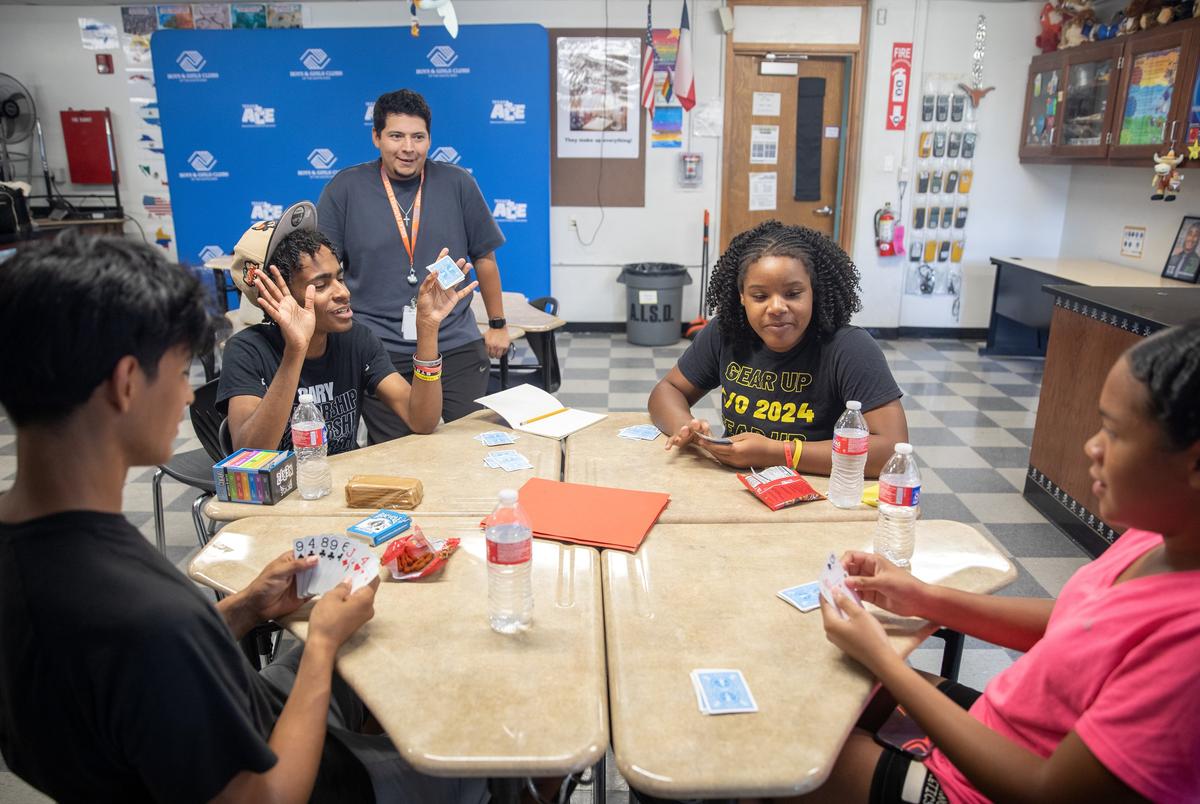
Na’Siah Martin and H’Sanii Blankenship’s trip to Washington, D.C. in July was meant to be a pivotal moment in their lives. The teenagers were set to meet with lawmakers, visit monuments, and reflect on the legacy of civil rights leaders like Dr. Martin Luther King Jr. However, what began as an exciting journey quickly turned into a mission to protect the programs that had shaped their growth.

Both Martin and Blankenship have been active members of the Boys and Girls Clubs of the Austin Area for years. This program has provided them with mentorship, academic support, and a safe space to explore their interests. As they prepared for their trip to Capitol Hill, they were determined to present their vision for addressing mental health challenges among student-athletes—something both of them had experienced firsthand.

But just two weeks before their arrival, the Trump administration made a sudden decision that threatened to disrupt their future. The U.S. Department of Education announced a pause on the distribution of nearly $7 billion in funds for teacher development, English language support, and after-school programs. For Texas, this meant a potential loss of $670 million, which could jeopardize programs like the Boys and Girls Club that had played such a vital role in their lives.

The Broader Impact of Federal Funding Cuts

This move was part of a broader pattern of cuts under the Trump administration. Over the past year, the government has taken steps to reduce funding for food assistance, healthcare, university grants, foreign aid, and public broadcasting. These actions have disproportionately affected low-income families, people of color, and communities of color.

The cuts have also raised concerns about the long-term impact on education and social services. Advocates argue that these policies are not just about saving money—they are part of a larger effort to roll back progress on diversity, equity, and inclusion initiatives. Some officials have even suggested eliminating the Department of Education entirely, arguing that education should be handled at the state level.

For many Texans, especially those in rural areas, these changes have created significant uncertainty. In places like Hebbronville, where access to affordable childcare is limited, after-school programs serve as a lifeline for working families. Without these programs, parents like Clarissa Mendez face the daunting task of finding alternative care for their children.

The Struggle for Rural Educators

Rural educators have also felt the effects of these funding cuts. Gay Hibbitts, a 57-year-old aspiring teacher from Throckmorton, was part of a federal program that helped prepare teachers for rural classrooms. When the program was abruptly cut, it left her and others in a difficult position. Despite the initial setback, Hibbitts eventually found out that the program would resume for the 2025-26 school year, giving her a chance to complete her training and begin teaching.

For students like Martin and Blankenship, the uncertainty around funding was deeply personal. They knew that without the Boys and Girls Club, they would lose more than just a place to hang out—they would lose a community that had supported their growth and development.

A Glimmer of Hope

After weeks of uncertainty, the Trump administration finally announced that the frozen funds would be released. The news brought relief to many, including Peña, the after-school program coordinator in Hebbronville, and Mendez, who no longer had to worry about finding child care. For Martin and Blankenship, the announcement was a reminder of the power of advocacy and the importance of standing up for the programs that support young people.

While the situation remains uncertain, the experience has shown that when young voices are heard, change is possible. For now, the future of after-school programs in Texas looks a little brighter, but the fight for stable funding continues.

What to watch as the new school year starts in Detroit

What to watch as the new school year starts in Detroit

Featured Image

School Funding Uncertainty and Key Issues in the 2025-26 Academic Year

As the new school year begins, educators and students across Michigan are navigating a landscape filled with uncertainty. The Detroit Public Schools Community District (DPSCD) is among many districts facing challenges related to funding, policy changes, and efforts to improve student outcomes. With the state legislature still unable to finalize a budget, schools are left in limbo, unsure of how they will be supported financially.

The delayed budget has raised concerns about critical programs, including free school meals for all children. This initiative, which was expected to continue throughout the academic year, could be at risk due to the lack of agreement between lawmakers. The deadline for the state budget passed on July 1, but no resolution has been reached. As a result, school leaders are uncertain about whether they will have enough resources to maintain current operations, including staffing and essential services.

Budget Stalemate and Its Impact

The budget stalemate has created a situation where school districts must make difficult decisions without clear guidance. For instance, some districts may be forced to consider staff layoffs if the final budget does not align with their financial plans. This uncertainty is particularly troubling because it affects not only the stability of the education system but also the well-being of students who rely on consistent support.

The House and Senate versions of the budget differ significantly, especially when it comes to funding for free school meals. While the Senate maintains dedicated funding for this program, the House proposes a separate funding stream that allows districts to choose how to allocate resources. This shift could lead to inconsistencies in how meals are provided, potentially leaving some students without access to nutritious food.

State Superintendent Michael Rice has expressed concern over the lack of clarity regarding school funding. He emphasized that the delay in passing a budget could negatively impact students, particularly if the funding for free meals runs out before a resolution is reached. Districts are being encouraged to continue providing meals until September 30, but the situation remains uncertain.

Education as a Key Issue in the Detroit Mayoral Election

Education is also a central topic in the upcoming Detroit mayoral election, set for November 4. Candidates Mary Sheffield and Solomon Kinloch have both highlighted the need for stronger city involvement in education, especially in addressing chronic absenteeism. The next mayor will take over from Mike Duggan, who has led the city for over a decade.

Sheffield has pledged to advocate for parents, teachers, and students, committing to address factors such as infrastructure, safety, and funding. Kinloch, on the other hand, plans to appoint a senior cabinet official focused on education to coordinate city services that support student success.

Improving Academic Performance in Michigan

Improving academic performance is another key issue for the state. Recent assessments show that Michigan students are underperforming compared to their peers in other states. On the National Assessment of Educational Progress (NAEP), only 24% of fourth graders were proficient in literacy, and Michigan scored lower than 31 other states in fourth-grade reading.

With the selection of a new state superintendent and a governor’s race that includes education as a major topic, there is hope that discussions around school improvement will gain momentum. However, the challenge remains in implementing sustainable reforms that can make a lasting impact.

Impact of the Trump Administration on Education

School district leaders are also grappling with the effects of the Trump administration’s policies. These include cuts to federal funding, increased immigration enforcement, and changes in how civil rights complaints are handled. For example, some families are waiting for updates on cases involving their children with disabilities, while others face uncertainty about the availability of essential services.

Additionally, the recent budget bill that cuts Medicaid spending could affect districts that rely on these funds to provide services to students. The potential for further federal funding cuts adds to the uncertainty.

Addressing Chronic Absenteeism in Detroit

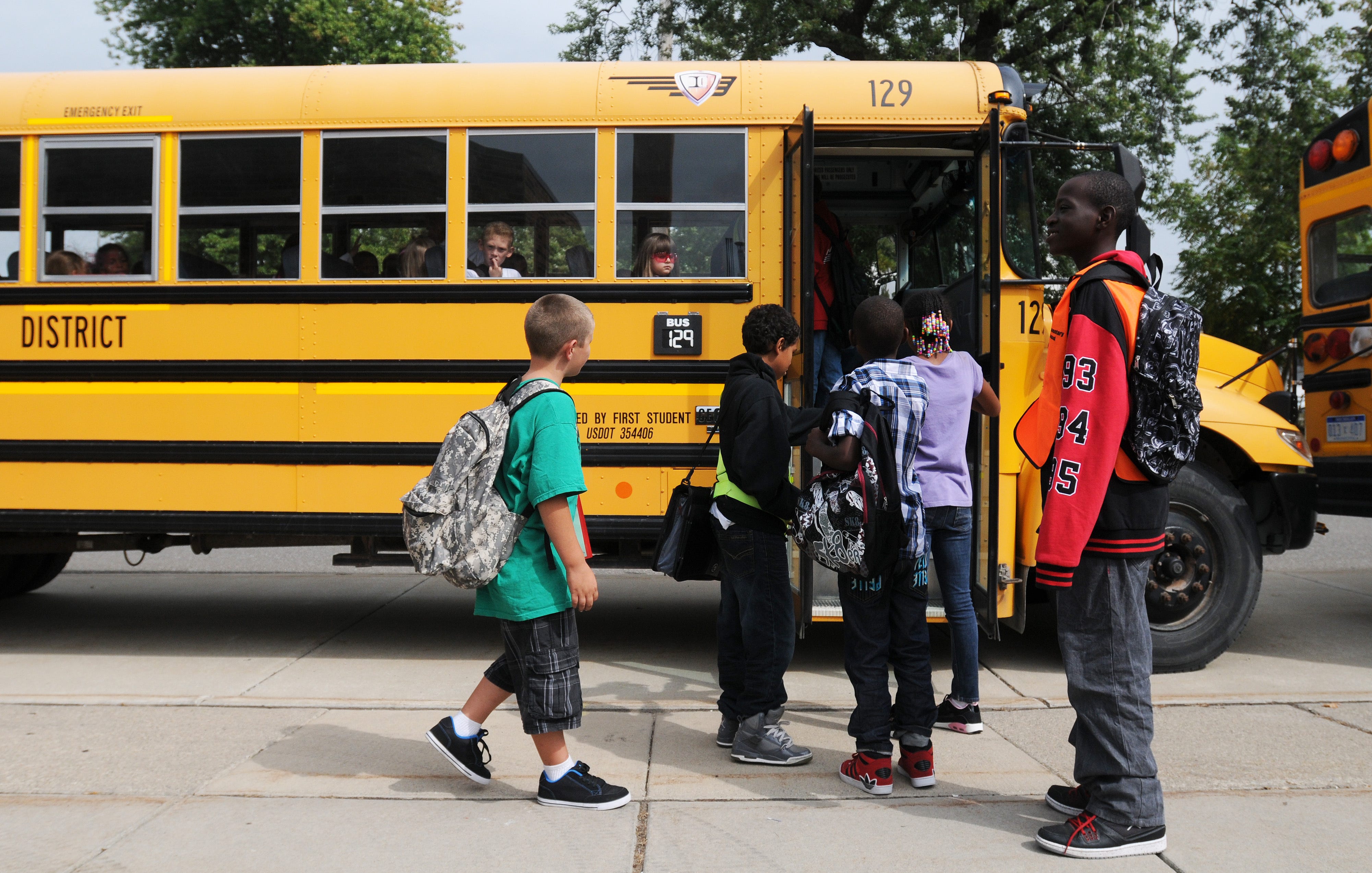
To combat chronic absenteeism, DPSCD has launched a pilot program offering yellow school bus transportation to students at two high schools. This initiative aims to improve attendance by addressing transportation barriers, which are a significant factor in the district's 60% chronic absenteeism rate.

The program is part of broader efforts to tackle attendance issues, which have been a long-standing challenge in the district. Chalkbeat Detroit has covered this issue extensively since 2022, and it remains a priority for the organization.

Changes in Special Education Services

Another major change in DPSCD involves its special education programs. Starting in the fall, the district will increase the number of self-contained classrooms, where students with disabilities receive instruction from specialized teachers. However, these classes will be offered in fewer schools, requiring some students to transfer to new sites.

This restructuring aims to ensure that all special education classrooms are fully staffed and that families benefit from reduced travel times. The changes reflect a commitment to improving the quality of services for students with disabilities.

As the 2025-26 school year begins, the focus remains on addressing the challenges that threaten the stability and success of Michigan’s schools. From funding uncertainties to policy shifts, the coming months will be critical in shaping the future of education in the state.

27 Must-Have Teacher Essentials Every Educator Loves

27 Must-Have Teacher Essentials Every Educator Loves

Featured Image

Must-Have Teacher Essentials for a Smarter, More Comfortable School Year

Teaching can be both rewarding and exhausting, but with the right tools, it becomes more manageable and enjoyable. Whether you're looking to streamline your classroom setup or simply want to add a touch of comfort and style to your daily routine, there are plenty of products that can make a difference. Here’s a list of 27 must-have items that every teacher should consider adding to their collection.

Tech and Presentation Tools

A wireless presentation clicker and pointer is a game-changer for educators. It allows you to navigate through PowerPoint slides without constantly getting up from your chair, making presentations smoother and more efficient. The included laser pointer can also help manage student attention, guiding them toward focused learning rather than distractions.

For those who love to stay organized, a spiral academic year planner is an excellent choice. It helps keep track of both academic and social events in a cute, functional way, ensuring you stay on top of your schedule all year long.

A Bluetooth speaker is another essential item. It can provide background music during independent study sessions, play upbeat tunes between classes, or offer a better listening experience for podcasts when grading papers late into the night.

Comfort and Style

Comfortable footwear is crucial for teachers who spend long hours on their feet. Canvas slip-on sneakers and low chunky-heeled pumps are great options that offer both style and support. High-waisted pants with an elastic paperbag-style waist combine comfort with a chic look, making them ideal for long teaching days.

A relaxed off-the-shoulder jumpsuit is perfect for maintaining a professional appearance while staying comfortable. With stretchy fabric and adjustable features, it ensures a perfect fit for any body type.

A lightweight cardigan is a must-have for unpredictable classroom temperatures. It can be easily thrown on during cold spells, keeping you warm without the hassle of extra layers.

Organizational Tools

A thermal laminator is a useful tool for creating durable materials for classroom use. Having one in your own space means you don’t have to rely on shared equipment, saving time and ensuring consistency.

Storage clipboards and rotating pen holders help keep your essentials organized. They prevent the chaos of juggling multiple items and make it easier to carry everything you need in one go.

Double-sided mounting tape is a versatile solution for hanging posters, certificates, and other decorations. Its strong adhesive and easy removal make it ideal for temporary displays without damaging surfaces.

Classroom Decor and Ambiance

Globe string lights can transform the atmosphere of your classroom, adding a warm glow that makes even the most challenging lessons feel more inviting. A beanbag chair offers a cozy alternative to traditional desks, providing a comfortable spot for reading or quiet work.

A face-out bookshelf is a practical and aesthetic addition to any classroom. It allows students to see all the books at a glance, encouraging a love for reading and creating a welcoming library vibe.

Practical Accessories

A customized teacher lanyard is a go-to accessory that keeps your ID, keys, and other essentials within reach. Choosing a stylish design adds a personal touch to your professional look.

A BrüMate Era stainless-steel tumbler with a locking straw is perfect for keeping drinks secure during busy school days. Its durable construction ensures it won’t spill, even if accidentally knocked over.

A Hulken rolling tote bag is designed to make carrying your belongings easier. With steel wheels and a built-in cover, it’s a reliable companion for transporting your supplies to and from school.

A compartmentalized crossbody tote bag is ideal for quick access to your essentials, making it perfect for a grab-and-go lifestyle.

Fun and Educational Items

A Tapple word game is a fun and engaging way to pass time during slow periods. It encourages creativity and vocabulary development, making it a valuable addition to your classroom game shelf.

Felt-tip markers add a splash of color to your workspace, making grading and note-taking more enjoyable. Their vibrant hues can also inspire students and bring energy to your lessons.

A mini fridge is a small luxury that provides a refreshing treat during free periods. It allows you to enjoy a cold drink without leaving the classroom, making your day a little more pleasant.

Additional Must-Haves

A pack of punch cards and a hole puncher can be used to motivate students and track progress. These versatile tools can help monitor behavior, homework completion, and other classroom activities throughout the school year.

Baggy overalls offer a comfortable and fashionable option for all seasons. With adjustable straps and multiple pocket options, they provide both style and functionality.

A desk pad keeps your papers, keyboard, and other essentials in place, preventing them from sliding around. Its waterproof surface also protects against accidental spills.

With these 27 items, teachers can create a more organized, comfortable, and enjoyable environment for both themselves and their students. From tech tools to fashion accessories, each item serves a unique purpose, making the teaching experience a little smoother and more rewarding.

Will Detroit's School Enrollment Strategies Succeed?

Will Detroit's School Enrollment Strategies Succeed?

Featured Image

Detroit Public Schools Focuses on Retention and Enrollment Amid Challenges

Despite the summer heat, Toyia Diab brought her four grandchildren to the Summer on the Block event at Pulaski Elementary-Middle School to explore what the school had to offer. The family moved through a series of tables set up around the school’s lawn, where staff from the Detroit school district shared details about their resources while upbeat music played in the background.

This event was part of a broader effort by the Detroit Public Schools Community District (DPSCD) to attract and retain families. Over the past two decades, the district has lost more than 92,000 students, prompting officials to use the summer months to promote the benefits of attending local schools. This year, the district increased its outreach significantly, sending 40 people into communities and hosting 19 events—nearly double the number from previous years. Additionally, the district launched new initiatives such as billboards across the city, with a total marketing budget of around $3.5 million for this year.

Superintendent Nikolai Vitti emphasized that while recruitment efforts have been successful, the main challenge remains retaining students. He highlighted the importance of improving customer service and parent engagement to make families feel more welcome. “We fight harder to keep students at the schools they’re at rather than having an attitude of, ‘If you don’t like it here, then you can find another school,’” he said during a recent board meeting.

Sharlonda Buckman, assistant superintendent of family and community engagement, noted that the summer events have generated positive signs. Nearly 5,000 people attended the Summer on the Block events, which serve as both a recruitment tool and a way to connect families with free resources. These efforts resulted in 532 leads for enrollment, with around 80 students completing the process by mid-August.

While initial enrollment numbers show improvement, the full impact of these efforts will not be clear until the end of the 2025-26 school year. The district has faced several challenges over the years, including population decline, lower birthrates, state emergency management, and the pandemic. Additionally, competition from charter schools, where about half of Detroit's children attend, adds to the difficulty of maintaining enrollment.

Student mobility and chronic absenteeism also play a role in the district’s struggles. Enrollment dropped from over 156,000 in the 2002-03 school year to 49,000 last year. However, there has been some progress, with enrollment increasing to 50,890 students as of this month, according to Vitti.

The district has also focused on early enrollment, as the number of students recorded on "Count Day" is used to determine state funding. Early enrollment numbers often exceed official headcounts made in October.

Outreach Efforts and Community Engagement

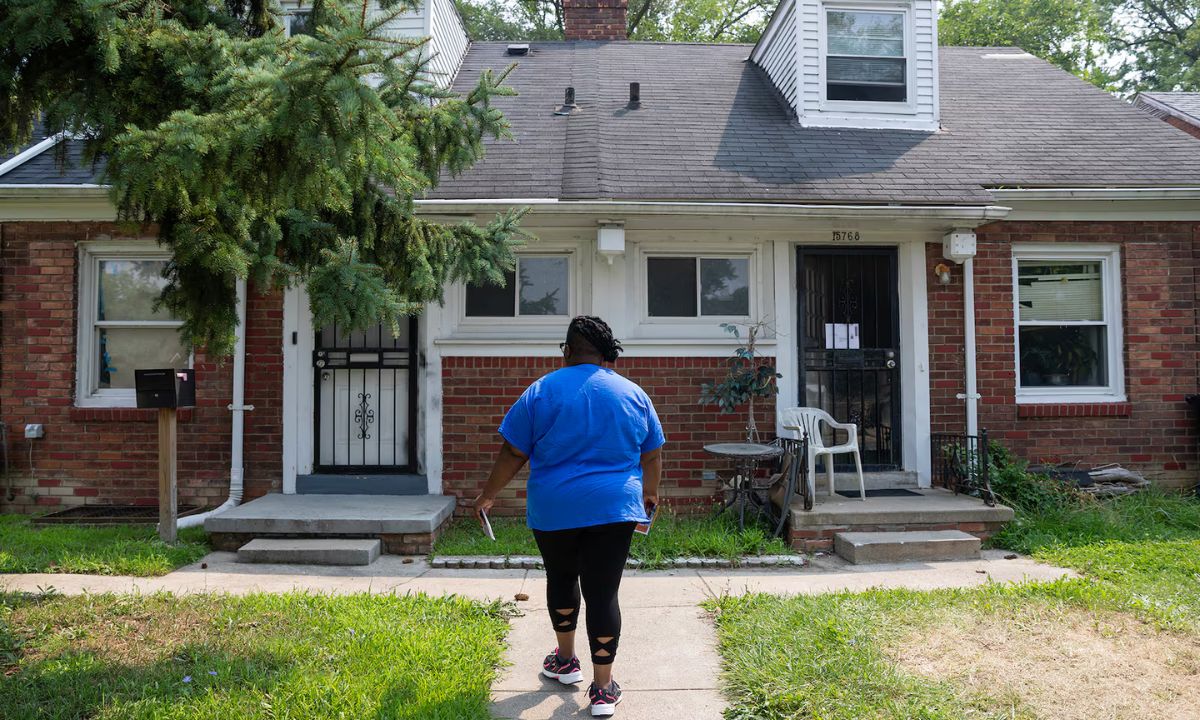
Three days before the Summer on the Block event, more than 20 individuals gathered in a sunlit classroom at the Detroit School of Arts. They were part of a team contracted by the district to canvas homes in areas with low attendance compared to the number of school-aged children living there. This summer, canvassers visited over 78,000 homes to inform families about the district’s schools and programs.

At the event, participants received materials such as fliers listing Summer on the Block dates and pamphlets highlighting programs at application schools. Before heading out, they shared their experiences door-to-door, noting both positive responses and hesitations from residents. Laura Gomez, who has been canvassing for three years, mentioned that recent immigration-related issues, such as detentions and deportations, have affected some families’ willingness to engage with the district.

Tanya Shelton and her son David visited the Crary St. Mary’s neighborhood, where they asked families about their school districts and provided information about DPSCD. Many families were interested in the district’s free school lunches and academic support services. However, many doors went unanswered, and literature was left at numerous homes.

Families Consider Programming, Academics, and Transportation

At the Pulaski event, Alexa Franco-Garcia observed more students signing up for the school than in previous years. She noted that several families had already completed enrollment, while others left contact information to return later. Parents often asked about curriculum, extracurricular activities, class sizes, special education support, and transportation options.

Enrolling young learners remains a key strategy for the district, with 457 prekindergarten students enrolled by the beginning of August—an increase of about 10 compared to the same time last year. Diab, who brought four grandchildren to the event, learned about the district’s health hubs, parent academy, and mental health resources.

The event attracted more than 350 attendees, thanks to activities like fresh produce boxes, an ice cream truck, free books, and kids' activities. Linn Flake, the first second-grader to enroll at Pulaski, chose DPSCD over his previous charter school due to the availability of bus service. His mother, Roxanne Flake, appreciated the convenience of transportation, which she found essential without a car.

Diab said she would continue researching before making a final decision for her family. “We’re going to come here and figure everything out—ask questions, all of that stuff, and then if it’s the right fit for them, we’re gonna put them in,” she said.

Danbury Schools Ready for 2025-26: What's New This Year

Danbury Schools Ready for 2025-26: What's New This Year

Danbury Schools Ready for 2025-26: What's New This Year

Danbury Area Schools Prepare for 2025-26 Academic Year

Schools across the Danbury area are gearing up for the start of the 2025-26 academic year, welcoming students back with new staff, updated strategic plans, and significant changes in infrastructure. This year brings a mix of excitement and transformation as several districts introduce new initiatives aimed at enhancing student learning and development.

One of the most notable developments is the opening of the new Danbury High School West, which marks a major milestone for the district. This new facility is expected to provide modern learning environments and support the district’s long-term educational goals. Other school districts are also working on renovations and improvements to their existing buildings, reflecting a broader commitment to upgrading facilities for students and staff.

In addition to physical changes, many schools are implementing strategic plans that focus on student progress and future readiness. These include programs such as the Vision of a Learner or Portrait of a Graduate, which aim to define the skills and qualities that students should develop throughout their education. These frameworks help guide curriculum design and instructional practices to ensure that students are well-prepared for life after school.

Bethel Public Schools

The first day of school in Bethel is set for Wednesday, August 27. With a projected enrollment of 3,160 students, the district is adding 13 new teachers this year. The Bethel Public Schools will launch a new strategic plan that includes the Vision of a Learner initiative. This plan emphasizes preparing students for their futures, fostering digital literacy, and supporting all learners, whether they need extra assistance or are ready for advanced challenges.

Danbury Public Schools

Danbury’s first day of school is scheduled for Tuesday, August 26. The district anticipates an enrollment of 11,333 students. While the district is still actively hiring, it has already secured 95 certified staff members, 56 non-certified staff members, and 20 substitutes. The opening of Danbury High School West is a key highlight of the year, alongside a focus on the "backward design" approach. This strategy centers on the Portrait of a Graduate skills, pre-academy experiences in middle schools, and increased investments in STEM education and the arts at the elementary level. Additional changes include a “no cellphone” policy, higher academic expectations, and reinforced behavioral standards.

Brookfield Public Schools

Brookfield’s first day of school is set for Tuesday, September 2. The district expects 2,430 students and has added 14 new staff members, including an interim superintendent, Vonda Tencza, who will lead the district from September 8, 2025, through June 30, 2026. The district continues its strategic plan focused on the Portrait of a Learner, aiming to cultivate a world-class school system that fosters learning, growth, and critical thinking.

New Fairfield Public Schools

New Fairfield’s first day of school is scheduled for Thursday, August 28. The district expects 2,013 students and has added 22 new staff members. The district is focusing on innovative science programs and expanding its strings program to include high school students. Middle school students will also benefit from group music lessons. Infrastructure improvements include the completion of the high school stadium’s turf and track replacement, as well as the replacement of the middle school’s underground oil tank.

New Milford Public Schools

New Milford’s first day of school is set for Monday, August 25, with an enrollment of 3,500 students. The district has added 22 new teachers. Superintendent Janet Parlato was not immediately available for comment on upcoming changes.

Newtown Public Schools

Newtown’s first day of school is also set for Monday, August 25. However, the district did not provide information on projected enrollment or new staff.

Region 9: Easton and Redding

Region 9’s first day of school is scheduled for Wednesday, August 27. The district has added 16 certified staff and nine noncertified staff. At Joel Barlow High School, upgrades include new athletic bathrooms, team rooms, and improved internet wiring. A future STEM space is also in the planning stages. Redding Elementary School has new classroom furniture, painted hallways, and upgraded air conditioning. John Read Middle School and Helen Keller Middle School have also received updates to their facilities.

Region 12: Bridgewater, Roxbury, and Washington

Region 12’s first day of school is set for Monday, August 25. As of last week, the district had 817 students enrolled, with 11 more registering. The district has added 25 new staff members. Region 12 Superintendent Donald Schels emphasized a focus on student engagement through increased choice, project-based learning, and a renewed emphasis on relationships, relevance, and rigor.

Ridgefield Public Schools

Ridgefield’s first day of school begins on Tuesday, August 26, for grades K-9 and Wednesday, August 27, for grades 10-12. The district expects 4,336 students and has added 43 new teachers. New initiatives include a director of special education, a counseling supervisor, and expanded Spanish language instruction for younger students. The district is also introducing a new physical education program and a technology curriculum at the middle school level.

Sherman Public Schools

Sherman’s first day of school is delayed due to ongoing renovations. Students in grades K-8 will begin on Monday, September 8, while Pre-K students will start on Monday, September 15, at the Sherman Church. The district has added an occupational therapist, social worker, board clerk, and director of facilities. All physical education classes will be held outside, and the school band will meet at Charter Hall during the renovation period.

Philly's School Year Kicks Off with SEPTA Cuts and PFT Deadline Pressure

Philly's School Year Kicks Off with SEPTA Cuts and PFT Deadline Pressure

Featured Image

A New School Year Amid Uncertainty

As the first day of school approaches, teachers and students across Philadelphia are facing a mix of excitement and anxiety. For Nicole Wyglendowski, a special-education teacher at Steel Elementary in Nicetown, the start of the school year feels more ominous than usual. She is worried about whether her supplies are ready, if she has connected with all the parents, and most importantly, if she is prepared for a new group of students.

Wyglendowski’s concerns are shared by many educators in the Philadelphia School District, which serves over 117,000 students. The district is grappling with multiple challenges that threaten to disrupt the academic year. One of the biggest issues is the ongoing funding crisis affecting SEPTA, the transit system that transports more than 50,000 students and thousands of employees to school and work each day.

SEPTA Cuts and Their Impact

The budget standoff in Harrisburg has led to significant cuts in SEPTA service, set to take effect just as students return to class. These changes will have an immediate impact on students who rely on public transportation to get to school. For some, this means longer commutes and potential delays, which could affect their ability to attend classes on time.

Superintendent Tony B. Watlington emphasized the importance of every minute of instruction, noting that the SEPTA cuts could hinder the district’s efforts to accelerate academic improvement. “We need every day, every hour, and every minute of instruction,” he said during a recent meeting with the school board.

Real-Life Challenges for Students

Three local students are already feeling the effects of these changes. Journey Singleton, a freshman at the Arts Academy at Benjamin Rush, is struggling with a drastically altered commute. What was once a one-hour bus ride has now become a 90-minute journey involving two trains and a walk. Even the best-case scenario results in her arriving just two minutes late for first period.

Geneya Singleton, Journey’s mother, is considering selling their West Philadelphia home to move closer to the school. While this would reduce the commute to about 20 minutes, it will take time to complete the process, leaving Journey with a long commute for at least two months.

Sophia Kilbride, a senior at Rush Arts, is also affected by the SEPTA cuts. Her daily commute involves taking the 66 bus and then transferring to the 84, both of which are being impacted. She worries about increased crowding and less frequent service, which could make it harder for her and her peers to get to school on time.

Christine Savard, whose son Lincoln will be starting ninth grade at the Philadelphia High School for Creative and Performing Arts, is facing another challenge. The 27 bus route, which she relied on, will be shortened, making Lincoln’s commute significantly longer. This change adds another layer of difficulty for Lincoln as he transitions to high school.

Struggles Beyond Transportation

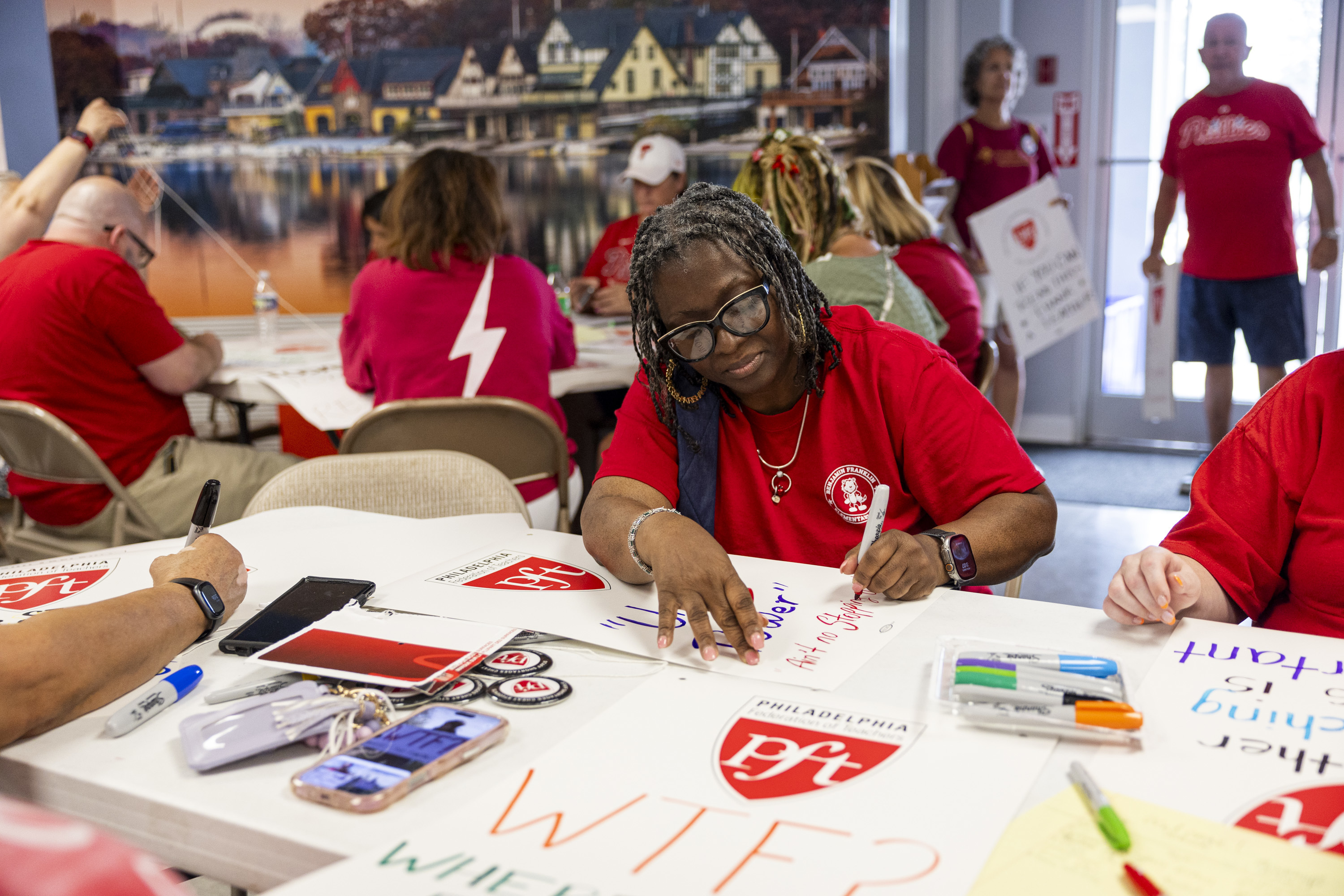
The challenges extend beyond transportation. The contract for 14,000 teachers, counselors, nurses, secretaries, and paraprofessionals expires on August 31, and negotiations are moving slowly. The Philadelphia Federation of Teachers has authorized a strike, and preparations for a possible work stoppage are underway.

Additionally, the district’s facilities planning process may lead to school closures and forced building colocations. Announcements are expected this fall, with a final decision scheduled for the end of the year. These changes could further complicate the lives of students and families.

The Long-Term Consequences

For vulnerable students, the impact of these disruptions could be even more severe. At Steel Elementary, many students face housing insecurity and rely on SEPTA to get to school. Wyglendowski notes that while the district prioritizes attendance, the SEPTA cuts could lead to learning loss. “We can excuse them, but we can’t get that hour of learning back,” she said.

As the school year begins, the challenges facing students, teachers, and families are clear. From transportation issues to potential strikes and facility changes, the road ahead is uncertain. However, many are determined to find solutions and support their communities through these difficult times.

Dear Parents, Here's What Teachers Want You to Know Before Back to School

Dear Parents, Here's What Teachers Want You to Know Before Back to School

Featured Image

Preparing for the New School Year: Teacher Tips for Parents

As September approaches, it's time to gear up for the return to school. For many families, this means a mix of excitement and anxiety as children prepare to start a new academic year. Teachers across the country are reminding parents that their involvement can make a big difference in helping students transition smoothly into the school environment.

Early Years: Building Independence

For young children entering school for the first time, teachers emphasize the importance of developing independence. Sarah Holyoake, Head of Early Years at Stephen Perse Cambridge, highlights that teaching kids to complete basic tasks on their own—like dressing themselves, managing their coats, and using the toilet independently—can reduce feelings of overwhelm when they arrive at school.

Recognizing their name is another essential skill. Many daily routines, such as identifying their personal items or seat, rely on this ability. Additionally, practicing social skills like sharing and taking turns with friends can help children navigate classroom interactions more confidently.

All Ages: Establishing Routines and Communication

Steven Britton, a mathematics tutor, suggests that parents should begin establishing consistent routines before the school year starts. This includes setting a regular bedtime and wake-up time to help children adjust to the school schedule. If kids have been sleeping in during the summer, getting them used to waking up early will ease the transition.

Once school begins, clear communication with teachers is crucial. Parents should ensure all forms, permission slips, and payments are submitted on time. It’s also important to inform educators about any changes in contact information, custody arrangements, or learning and health needs. Sharing concerns about a child's anxieties or challenges at home allows teachers to provide tailored support.

Britton also encourages parents to foster independence by letting children carry their bags, pack homework, and manage their own timetables where appropriate. Creating a tidy homework space and supporting learning at home without doing the work for them can also be beneficial. Asking open-ended questions, such as “How did you figure that out?” instead of just checking answers, helps build critical thinking skills.

Celebrating Effort and Modeling Positivity

Teachers also recommend celebrating a child's effort rather than just focusing on results. This approach helps build resilience and a growth mindset. Modeling a positive attitude toward school is equally important. Children who hear adults complaining about teachers or school rules may struggle to respect the learning environment.

Secondary School: Navigating the Transition

The shift from primary to secondary school can be particularly challenging. Chris McNab, headteacher at Overton Grange School, advises parents to discuss secondary school in a positive light. Focusing on the opportunities it brings—such as new subjects, friendships, and greater independence—can help ease fears.

Practicing the journey to school together before the term starts can also be helpful. Parents should time the trip, discuss safety, and plan for unexpected situations. Familiarity with the route builds confidence, especially on the first day.

Getting organized ahead of time is key. Secondary school often involves more responsibilities, including timetables, homework, and subject-specific equipment. Helping children practice packing their bags and reviewing their schedules can reduce stress on the first day.

Encouraging responsibility through small tasks, like making lunch or setting an alarm, can boost confidence. It’s normal for children to feel anxious about navigating a larger school environment. McNab reassures parents that secondary schools are well-equipped to support new students, and staff are available to guide them.

Supporting Emotional Growth

Parents should remain available to listen and help their children talk through challenges, such as changing friendships or managing homework. However, it’s also important to encourage children to find their own solutions rather than fixing everything for them. Balancing support with independence is a vital part of building confidence.

Staying informed through school emails and newsletters is another way to stay involved. These resources keep parents updated on important information and events.

With the start of the school year bringing both challenges and opportunities, parents play a crucial role in helping their children adapt and thrive. By fostering independence, maintaining open communication, and modeling a positive attitude, families can set the stage for a successful academic year.

Thursday, August 21, 2025

Over 1,000 SC Voucher Recipients Wrongly Enrolled in Public Schools

Over 1,000 SC Voucher Recipients Wrongly Enrolled in Public Schools

Featured Image

Overview of South Carolina's School Voucher Program

South Carolina's school voucher program, launched to support low- and middle-income families with K-12 children attending private or out-of-district public schools, has faced significant challenges in its first year. Data from the S.C. Department of Education reveals that over a third of the nearly 3,000 students who received taxpayer-funded vouchers last year either withdrew or were removed due to eligibility concerns. This highlights the complexities and missteps in implementing such a large-scale initiative.

Eligibility and Enrollment Verification Issues

To qualify for a voucher, students could not be enrolled full-time in their local district. However, the department suspended the accounts of 1,229 voucher recipients after they were flagged during enrollment checks. These checks aimed to confirm that participants had left their zoned school districts. About one in five of these suspended accounts were reinstated after further review confirmed their eligibility, while the remaining 1,005 participants, who had already received at least one $1,500 scholarship payment, left the program.

All of the recipients removed due to enrollment verification had been enrolled at their zoned public schools, according to a statement from the education department. The department recovered unused funds from these accounts but did not attempt to recover money already spent. The law does not provide a mechanism for recouping funds, as explained by a department spokesman.

Financial Disbursement and Expenditure Patterns

The program disbursed over $1.5 million in scholarships, with more than half of the $3.1 million used by recipients during the first five-and-a-half months spent at major retailers like Best Buy, Staples, and Office Depot. These purchases primarily included computers and technological devices, as well as instructional materials. Another $982,000 was spent at private schools, with more than a third of these institutions espousing anti-LGBTQ beliefs. Additional funds were allocated for tutoring and public school expenses.

Despite clear guidelines, many participants were unaware that enrollment in their resident district was prohibited. State officials discovered this issue when conducting their first student count on the 45th day of the school year. This led to the suspension of numerous voucher recipients, some of whom may have never left their public schools or returned after a court ruling deemed private school tuition payments unconstitutional.

Criticisms and Recommendations

Critics, including Patrick Kelly, a lobbyist for the Palmetto State Teachers Association, noted that problems are expected in the first year of any large program. The Education Oversight Committee (EOC) report highlighted confusion among participants regarding enrollment requirements and other eligibility criteria. Some respondents indicated they had not attended a South Carolina public school the previous year, which is a requirement for all students except those entering kindergarten.

The EOC recommended improved communication and pre-verification of eligibility before releasing scholarship funds. However, current laws require the release of first-quarter payments in July, making it challenging to ensure compliance before disbursement. Deputy Superintendent Laura Bayne stated that the department would continue to comply with the law regarding funding distribution and eligibility verification.

Legislative Changes and Future Outlook

Changes to the voucher law, enacted this year, aim to simplify eligibility verification. Recipients are no longer required to enroll outside their local public school districts, only outside their zoned schools, and prior public school attendance is no longer mandatory. These adjustments should ease the burden on state education officials.

As of late June, all 10,000 voucher slots for the 2025-2026 school year were filled. Families making no more than 300% of the federal poverty level, or $96,450 for a family of four, are now eligible for $7,500 scholarships. The funds can cover a range of educational expenses, including tuition, transportation, uniforms, tutoring, and technology.

With ongoing improvements and legislative updates, the future of South Carolina’s school voucher program remains a topic of interest and debate, reflecting broader discussions about educational equity and policy implementation.

Are NC Schools More Segregated? What the Data Reveals After Lifting Voucher Cap

Are NC Schools More Segregated? What the Data Reveals After Lifting Voucher Cap

Featured Image

The Impact of School Vouchers on Education and Segregation in North Carolina

Nia Smith, a mother from Charlotte, found that public schools were not meeting her son's needs. Her child has special needs, and she wanted a smaller school with a strong sense of community and specialized instruction. However, the cost of private education was prohibitive for her family. With the help of an Opportunity Scholarship, she was able to enroll her son at ALC Mosaic, a secular private school in east Charlotte.

North Carolina introduced state-funded school vouchers in 2014, but there was an income cap until last year. Smith was in the second income tier and qualified for the scholarship before, but funding was limited. After the state expanded the program, more families like hers gained access to private education options.

Proponents argue that voucher expansion provides essential choices for families, especially those with children who have complex needs. They believe it allows parents to engage directly with school directors and make informed decisions about their children’s education. However, critics claim that such programs drain resources from already underfunded public schools. Research also suggests that students leaving public schools for private institutions may contribute to increased school segregation.

ALC Mosaic uses a sliding scale tuition model, allowing families to pay what they can afford. For some, this means as little as $800 per year. Director of Operations Tomis Parker emphasized that the school’s mission is to create a diverse and accessible community. “We believe education should be a public good and accessible to people,” he said.

This approach is rare among private schools, many of which charge tuition far exceeding the amount provided by even the largest school vouchers in North Carolina. While the Opportunity Scholarship program now allows families of all income levels to access funds, those with the lowest incomes still receive priority.

The program saw significant growth after the income cap was lifted. In the 2024-25 school year, over 80,000 students received scholarships, with 42% coming from families earning more than $115,000 annually. In Mecklenburg County, 58% of recipients came from households earning over $115,000, and 28% from households earning over $259,700.

Scholarship amounts vary based on income, ranging from $7,468 for the lowest-income families to $3,360 for the highest. Mecklenburg County received $39 million in vouchers during the 2024-25 school year, three times the previous year’s amount.

Despite the program’s expansion, data shows that school demographics have not changed significantly. Most new voucher recipients were already enrolled in private schools. Researchers warn that continued exodus from public schools could worsen segregation. Studies show white students are overrepresented in private and charter schools, with 74% of private school students in North Carolina being white, compared to 45% of public school students.

Diversity in schools is not just a moral issue—it has academic benefits. Integrated schools often see better performance on standardized tests and improved social outcomes. Charles Clotfelter, a former Duke University professor, noted that segregated schools hinder students’ ability to interact in a diverse society.

School segregation is more pronounced in urban areas, where private and charter schools offer more options. Urban districts like Charlotte-Mecklenburg Schools (CMS) have used magnet programs to promote diversity. However, private schools remain disproportionately white and high-income.

Clotfelter predicts that the universal voucher program will increase segregation, as more families choose private schools. He also pointed out that while the program has expanded access, it has not necessarily addressed broader issues of underfunding in public education.

Parker from ALC Mosaic believes that voucher expansion can increase accessibility, but he acknowledges that many private schools do not adjust tuition to match the maximum scholarship amount. For example, Covenant Day School charges between $14,290 and $21,590 per year, while CDS received $3.3 million in vouchers during the 2024-25 school year.

He argues that while private schools should not be forced to lower tuition, more should consider making themselves accessible to low-income families. At the same time, he emphasizes that public schools face systemic challenges, including serving students with disabilities without adequate support.

Mike Long of Parents for Education Freedom in North Carolina believes that educational dollars should follow the child, not the system. Elizabeth Paul of the NC Public School Forum argues that public schools need more resources to meet students' needs, and that diverting funds to private schools risks leaving many students behind.

Ultimately, the debate over school vouchers reflects deeper issues of equity, funding, and the future of education in North Carolina.

One in Five GCSE Students Earn Top Marks as Results Spark Grade Inflation Debate

One in Five GCSE Students Earn Top Marks as Results Spark Grade Inflation Debate

Featured Image

Rise in Top GCSE Grades Sparks Debate on Educational Standards

Students across the UK are celebrating another year of strong GCSE results, with one in five entries achieving at least a grade 7 or A. This marks the highest proportion since 2012 outside of the pandemic years and the highest in two years for the entire UK. The increase has sparked discussions about educational standards and potential grade inflation.

For England, the rise in top grades is particularly notable, as it reflects a return to pre-pandemic levels after years of teacher-assessed results that led to inflated scores. The overall percentage of entries receiving a grade 7/A or above stands at 21.9%, up slightly from 21.8% in 2024 and higher than the 20.8% recorded in 2019. This trend highlights a growing concern among critics who believe that grade inflation may be resurfacing after years of efforts to curb it.

Gender Gap Narrowing, But Still Present

The gender gap in top grades has also seen some changes. Girls have historically outperformed boys in GCSEs since the 1980s, but this year, the gap has narrowed significantly. For the first time since 2000, the difference between girls and boys in achieving a grade 7/A or above is just 5.1 percentage points. Girls accounted for 24.5% of these top grades, compared to 19.4% for boys. Similarly, the gap in achieving a grade 4/C or higher has also decreased, with girls leading by 6.2 percentage points.

Despite these improvements, the gender disparity remains significant, and education leaders continue to emphasize the need for targeted support to help boys catch up further.

Regional and Subject Variations

Regional differences in performance were also evident. London had the highest proportion of students achieving top grades, with 28.4% of entries reaching a grade 7/A or higher. In contrast, the northeast of England had the lowest rate at 17.8%. The gap between these regions has slightly narrowed compared to the previous year.

Subject-wise, science double award remained the most popular subject, with over 989,000 entries. Maths and English language followed closely, with increases in participation across all three subjects. Spanish surpassed French for the first time in terms of entry numbers, while statistics saw a significant rise in popularity.

Concerns Over Grade Inflation and Resit Crisis

While the rise in top grades is cause for celebration, it has also raised concerns about grade inflation. Alan Smithers, a professor of education at the University of Buckingham, pointed out that the number of students achieving top grades has increased substantially compared to pre-pandemic levels, even though the education system faced disruptions.

Ofqual, the regulator for England, maintains that the results are stable and that the changes observed are due to natural variation. However, critics argue that the increase in top grades could signal a return to inflated grading practices. Sir Ian Bauckham, chief regulator at Ofqual, emphasized that the standards required to achieve certain grades remain consistent, and the differences seen this year are statistically insignificant.

Challenges for Sixth Form Admissions

With more students securing top grades, competition for sixth form and college places has intensified, especially at selective institutions. This has led to concerns about the impact on admissions processes and the need for better resource allocation.

In addition, there is growing pressure to address the so-called “resit crisis.” Nearly a quarter of GCSE maths and English entries are resits, with only a small fraction of those students achieving the necessary grade 4 to move beyond the resit cycle. Education leaders are calling for fundamental reforms to improve support for students who fall behind in these critical subjects.

Historical Context and Policy Implications

Grade inflation was a significant issue during the New Labour years, when officials claimed that students were genuinely becoming smarter each year. However, after the Conservative Party took power in 2010, Ofqual implemented measures to stabilize the proportion of top grades. Despite these efforts, the pandemic disrupted progress, leading to a surge in top grades due to teacher assessments.

Now, as results return to pre-pandemic levels, the debate continues over whether the current trends reflect genuine improvements in student performance or simply a shift in grading standards.

Conclusion

The 2025 GCSE results highlight both progress and challenges in the UK education system. While the rise in top grades is a positive development, it raises important questions about grading standards, gender disparities, and the long-term impact on students’ futures. As the education sector moves forward, addressing these issues will be crucial to ensuring fair and equitable outcomes for all learners.

As School Starts Sooner, AC Systems Struggle to Keep Up

As School Starts Sooner, AC Systems Struggle to Keep Up

Featured Image

The Trend of Early School Start Dates and Its Impact on Students

In recent years, a growing number of American students have been returning to classrooms earlier in the summer. This shift has raised concerns about the impact of extreme heat on students, particularly in schools with aging air-conditioning systems. As a result, many students are now exposed to high temperatures during the first weeks of school, which can affect their health, learning, and overall well-being.

One example is the Houston Independent School District (HISD), where school board members voted in 2024 to add two weeks to the school calendar. This change moved the first day of school from August 28 in 2023 to August 12 in both 2024 and 2025. However, this adjustment meant that students were back in classrooms during some of the hottest days of the summer. For instance, there were four days with temperatures above 100 degrees during those initial two weeks of school.

The district’s aging heating and cooling systems struggled to cope with the increased demand. According to data obtained by Straight Arrow News through a public information request, HISD received 1,005 urgent and emergency maintenance requests for its AC systems in August alone. On the four days when temperatures exceeded 100 degrees, there were 196 such requests.

Classrooms That Are Too Hot

Several schools reported issues with their air conditioning systems during the early start of the school year. At Burbank Middle School, educators noted that a special needs classroom was "too hot." Similarly, at Hogg Middle School, multiple classrooms were reported as being too warm. Brookline Elementary also faced problems with an AC unit not functioning in its special education building.

Parents like Lea Kiefer, a working mother in Houston, expressed concern over the conditions. She mentioned that while she understands the challenges, she believes the heat negatively affects the learning environment. Her daughters previously attended Harvard Elementary School, a 98-year-old building where the AC failed during a mid-August heatwave. The school is significantly older than the average American school building, which highlights the broader issue of outdated infrastructure across the country.

According to the National Center for Education Statistics, 38% of today's schools were built before 1970—well before air conditioning became a standard feature. This lack of modern facilities leaves many students vulnerable to extreme heat.

The Effects of Hot Classrooms on Learning and Health

Research from Harvard University indicates that each 1°F increase in temperature during the school year reduces the amount of learning by 1%. In addition to lower academic performance, absenteeism and discipline referrals also rise in hot conditions. Tony Cattani, principal of Lenape High School in New Jersey, noted that students become more irritable in the heat, which can lead to behavioral issues.

Moreover, hot classrooms pose safety risks for students. A 2020 report by the U.S. Government Accountability Office found that 41% of school districts need to update or replace HVAC systems in at least half of their schools. Without proper ventilation, schools face potential mold and air quality issues, which can further harm student health.

Children are especially vulnerable to extreme heat because they regulate body temperature less effectively than adults. Their higher metabolic rate produces more body heat, and they sweat less, making them more susceptible to heat-related illnesses. August and September, known as the “dog days of summer” in Houston, are typically the hottest months of the year, compounding the problem.

Regional Differences in School Start Dates

School start dates vary widely across the United States, often influenced by regional climate and local policies. In some areas, like Bellevue, Kentucky, school officials delayed the start of the school year due to HVAC concerns. District Superintendent Misty Middleton emphasized that student safety and well-being are the top priorities, and it is not appropriate to send children into buildings with inadequate conditions.

In contrast, many districts in the East South Central U.S. start school in the second week of August, while northern states tend to begin later. Minnesota, for example, mandates that schools start after Labor Day unless a waiver is granted. Virginia had a similar law until 2019, when it was amended to allow schools to open two weeks before Labor Day.

The Debate Over Earlier Start Dates

While some districts have shifted to earlier start dates to gain an advantage in preparing for standardized tests, others argue that the benefits may not outweigh the risks. George LaComb, a senior in Florida, shared his experience of dealing with extreme heat during the early school year. He mentioned witnessing students passing out due to the heat and even visiting urgent care for heat exhaustion.

LaComb questioned why schools would return so early if students might be sent home again due to the heat. He suggested that starting later could be a better solution for both students and staff.

Conclusion

The trend of starting school earlier in the summer raises important questions about student safety, learning outcomes, and the need for modernized infrastructure. While some districts see advantages in an earlier start date, the challenges posed by extreme heat and outdated facilities highlight the need for systemic improvements. As schools continue to adjust their calendars, balancing academic goals with student well-being remains a critical priority.

Westmont Hilltop's $2K Cyber Student Incentive Sparks Statewide Debate

Westmont Hilltop's $2K Cyber Student Incentive Sparks Statewide Debate

Featured Image

The Debate Over Cyber-Charter Incentives in Pennsylvania

In the wake of the pandemic, the education landscape has undergone significant changes, with more options becoming available to meet diverse student needs. This shift has led to increased awareness of alternatives to traditional brick-and-mortar schooling, including cyber-charter education. As a result, some school districts have experienced a decline in enrollment, prompting some to explore new strategies to bring students back.

Westmont Hilltop School District, located in Cambria County, is one such district that has faced this challenge. In June, the school board approved an incentive program offering $2,000 to families who enroll their children back into in-person schooling after opting for cyber-charter education. The decision was made in response to the district's concerns over financial implications and the impact on resources.

The district claims that approximately 73 students who are enrolled in cyber-charter schools are costing them around $1.2 million annually in reimbursements. This figure is calculated based on the average cost per student in the district, multiplied by the number of cyber students. However, critics argue that this approach oversimplifies the complex financial dynamics between traditional and cyber schools.

Concerns from the Cyber Education Community

Members of the cyber education community have expressed skepticism about the incentive. Marcus Hite, executive director of the Pennsylvania Association for Public Cyber-Charter Schools, called the decision "a disturbing disregard for fiscal responsibility." He emphasized that the issue is not just about money but also about transparency and accountability. Hite pointed out that while the district faces budgetary challenges, it also holds substantial fund balances, raising questions about how funds are being allocated.

Tim Eller, chief branding and government relations officer for the Commonwealth Charter Academy, echoed these concerns. He found it surprising that a publicly funded school would offer cash incentives to attract students back, suggesting that such actions could be seen as demeaning to families. Eller stressed that families do not view their children as financial assets, highlighting the need for a more respectful approach to education policy.

Perspectives from Parents and Students

Laetitia Shelton, a parent whose children attend the PALCS Pennsylvania Cyber Charter School, shared her family’s experience. They transitioned to cyber learning after the pandemic to accommodate their busy schedule and provide more flexibility. Shelton emphasized that the decision was not financially motivated but rather based on the benefits of personalized learning. She noted that the incentive offered by Westmont Hilltop would not entice her family to return to in-person schooling.

Shelton’s perspective reflects a broader sentiment among many families who see cyber education as a viable and effective alternative. Shana Long, a cyber teacher for special needs students at the Commonwealth Charter Academy, added that there is a common misconception that cyber charter schools are less rigorous or less committed to student success. She highlighted that cyber learning offers a different approach to education, one that can be equally effective when properly supported.

Exploring Alternatives and Solutions

While the debate continues, some school districts are exploring innovative solutions. The Altoona Area School District has developed an in-house cyber program that has been in place for over two decades. This program offers the same curriculum and teaching staff as traditional in-person classes, but with added flexibility for students and families. Superintendent Brad Hatch explained that the goal is to provide a flexible and individualized learning experience that meets the needs of all students.

Westmont Hilltop also has an in-house cyber program, but it is much smaller and less developed compared to Altoona’s. With proper investment and time, such programs could serve as a bridge between traditional and cyber education, offering families more choices without the need for financial incentives.

Looking Ahead

As the conversation around cyber-charter education continues, many stakeholders agree that a comprehensive approach is needed. Senator Wayne Langerholc acknowledged the challenges school districts face in managing student enrollment shifts and the financial implications of cyber education. He suggested that incentives might help districts regain some funding, but they should not be the sole solution.

Ultimately, the focus should be on improving the overall education system. Hatch emphasized the need for statewide cyber reform, while Hite urged a collaborative effort involving all parties. Shelton concluded that the key to progress lies in listening to students and families, ensuring that their voices shape the future of education in Pennsylvania.

Special Education Complaints Soar in Michigan Amid Parental Challenges

Special Education Complaints Soar in Michigan Amid Parental Challenges

Special Education Complaints Soar in Michigan Amid Parental Challenges

The Struggle for Special Education in Michigan

Andrea Lee, a former special education teacher, thought she had a good understanding of the system that should support her children with disabilities. However, after filing over two dozen complaints and four legal grievances against the Howell Public Schools, she has come to realize just how difficult it can be to ensure her children receive the education they are legally entitled to.

Lee’s journey began when she noticed that her three children were not receiving the necessary services, including adequate progress reports and make-up education for one child. She also felt excluded from key decision-making processes regarding their education plans. As a teacher, she believed in the system, but over time, this trust was eroded by what she describes as a “gradual takedown brick by brick.”

Her experience is not unique. In Michigan, parents of nearly 212,000 students with disabilities face similar challenges. Since 2018, state investigations into parent complaints have increased by 21%, while the number of special education students has only grown by 3.6%. This discrepancy highlights a growing concern among advocates that the system is failing these students.

Michigan has one of the highest rates of special education dropouts in the country, and many parents feel they must fight for the services their children need. Experts like Marcie Lipsitt, a long-time advocate, warn that the situation could worsen if federal support for special education is reduced. President Donald Trump’s efforts to dismantle the U.S. Department of Education could impact funding and protections for disabled students.

Lee described several issues with the district last school year, including challenges with her 16-year-old child who struggles with reading fluency and generalized anxiety, and her twin 14-year-olds, one with autism and the other with reading difficulties. While the Michigan Department of Education (MDE) found some violations, others did not result in action. Lee has lost faith in the district and is preparing to file a lawsuit.

Howell Public Schools maintains that it is committed to supporting all students and working with parents. The district claims it follows all state and federal requirements, as evidenced by previous state decisions recognizing its efforts.

How the Complaint Process Works

The complaint process in Michigan involves several steps, including informal discussions, facilitated meetings, mediation, state complaints, due process complaints, and federal complaints. However, each path comes with its own challenges.

State complaints are free, but advocates argue that the MDE does not always ensure districts correct themselves after a violation is found. Due process complaints, on the other hand, can be expensive, with costs ranging from $40,000 to $50,000 per student. Federal complaints take longer and are becoming even slower due to staff cuts.

For parents like Lee, the financial burden makes it difficult to pursue legal action. “No David ever decides to pick a fight with Goliath just because they’re bored,” she said. “But unfortunately, when justice is sleeping and desperate behavior roams, little David has to pick up his proverbial stone and aim.”

The Scope of the Problem

When parents feel their child is not getting the proper support, they may pay out-of-pocket for services or even withdraw their child from the public school system. The state graduation rate for students with disabilities is significantly lower than for all students, highlighting the challenges faced by this group.

Bernadette Minaudo, a parent of a child with multiple disabilities, pulled her son from Fenton Public Schools after feeling the staff misunderstood his needs. She emphasized that without accountability, no county would be better.

The MDE defends itself, stating it has mechanisms in place to track and monitor corrective actions. However, advocates say the real work happens after the initial resolution, requiring ongoing training and monitoring to prevent future issues.

A Longstanding Issue

A decade ago, Gov. Rick Snyder created the Special Education Reform Task Force to address concerns about the dispute process. The final report highlighted the need for more affordable and effective options for families. However, despite progress in other areas, the dispute process has not improved, according to former Lt. Gov. Brian Calley.

Calley criticized the structure of the MDE, saying it is “literally structured in our constitution to not work.” The MDE responded that the recommendation referred to the due process complaint process, which it does not administer.

Advocates and Parents Face Barriers

Parents like Lee often face barriers in the system, including being excluded from key decisions, not receiving adequate compensatory services, and receiving incomplete progress reports. Liz Abdnour, an attorney representing parents, said these issues are common.

She noted that while the state complaint process is parent-friendly, the MDE does not always properly oversee corrective action plans. Due process complaints require legal representation, which is costly and often unattainable for many families.

Jan Lampman, an advocate through the Michigan Alliance for Families, said communication gaps can make it difficult for parents to effectively advocate for their children. She encourages parents to focus on how their child’s disability affects their ability to access general education.

What Now?

School and state leaders point to a gap between the funding provided for special education and the actual costs. The state allocated $500,000 to research full funding for special education, with recommendations expected by the end of October.

Additionally, schools continue to face teacher shortages, particularly in special education. A recent report found that many districts have more than 10% of their special education positions vacant.

Lampman suggests that the MDE could play a more active role in helping districts find solutions, especially for small districts struggling with specific disabilities. Eckner emphasized the need to raise expectations for the outcomes of students with disabilities in Michigan.

As the system continues to face challenges, parents like Lee remain determined to fight for their children’s rights. They hope that by sharing their stories, others will know they have the power to challenge what school districts decide.

Tuesday, August 19, 2025

Maine's Elementary Schools Launch Inclusive Education Pilot

Maine's Elementary Schools Launch Inclusive Education Pilot

Maine's Elementary Schools Launch Inclusive Education Pilot

Building an Inclusive Future in Education

At Downeast School in Bangor, the preparations for the new school year are well underway. Crayon boxes and name plates sit on small desks, and signs displaying the alphabet line the walls. A banner in one classroom reads “All Are Welcome.” This message reflects the school’s commitment to fostering a welcoming environment for all students, including those with disabilities.

Principal Sarah Vickers shared that the school has been working for several years to better serve and include students with disabilities. This effort involves collaboration across departments, proactive strategies for managing negative behavior, and lesson planning that accommodates diverse learning needs. Vickers noted that many students receive special education services for most of their day, but with the right support systems in place, they have transitioned to less restrictive environments. This shift allows students to spend more time in general education settings with fewer supports than before, which Vickers called a significant success.

According to state data, about a third of the children at Downeast School require special education services. This year, the school is expanding its efforts as part of a five-year pilot program. The initiative, supported by federal funding from the Individuals with Disabilities Education Act (IDEA) and in partnership with the University of Maine at Farmington, aims to help teachers incorporate students with various needs into general classrooms. The program seeks to move away from the traditional silos that have separated students with disabilities.

The other two schools participating in the pilot are Turner and Leeds Central, both near Lewiston. The program addresses rising special education costs in Maine and aligns with shifting federal priorities. While the state Department of Education declined to provide specific cost details, the initiative is still in its early stages.

In 2022, roughly 56 percent of Maine special education students spent most of their day in general education classrooms — 10 percent below the national average. Since then, the inclusion rate has only increased by one percent. Nationally, around 15 percent of students need special education services, compared to 21 percent in Maine. Maine ranks second behind Puerto Rico in this statistic, tied with New York and Pennsylvania.

Disability rights advocates have long criticized the siloed approach to special education. Atlee Reilly of Disability Rights Maine emphasized that the goal of IDEA is to prepare students for life in the broader community through employment and further education. He argued that integrated settings are essential for real-world readiness.

Reducing Barriers Through Training and Collaboration

The pilot program provides leadership and teacher training, as well as assistance in restructuring schedules to allow more time for special education students in general classrooms. Tracy Whitlock, a special services coordinator, highlighted the importance of schools being invested in the work. The goal is to develop a model of inclusive education that other schools can adopt.

Kate MacLeod, an associate professor at the University of Maine at Farmington, is leading the professional development and data collection process. The first year will focus on leadership training, assessing current practices, and forming improvement plans. Years two through five will introduce training on inclusive practices such as Universal Design for Learning (UDL), which involves creating multiple access points for learning.

MacLeod explained that universally designed lessons might include different groups for reading, such as independent, audio, or teacher-led sessions. Students would also have multiple ways to engage with the material, such as writing summaries or sharing responses aloud. This approach reduces barriers for students from the start, minimizing the need for individualized support.

Every Student Benefits

The three participating schools hope that improved supports in general classrooms will reduce the number of students needing special education services. Some advocates point to challenges in identifying students early, leading to higher identification rates later. A recent report by the Maine Education Policy Research Institute found that challenging student behavior is a growing issue in schools.

Carrie Woodcock of the Maine Parent Federation noted that how schools address challenging behavior is linked to the siloed structure of special education. She said that students with behavioral issues are often removed from classrooms, while those with learning disabilities may be pulled out for too much specialized instruction. However, with inclusive teaching methods, students who struggle can find more success, and even those without disabilities may benefit.

Looking Ahead

Reilly of Disability Rights Maine acknowledged the pilot’s positive steps but emphasized the challenge of scaling it statewide. Financial incentives for schools to avoid segregated placements could encourage broader adoption. As special education costs rise, so do other school expenses, sparking debates over funding models.

Administrators have called for changes to the state’s school funding model, and some towns have pushed back against tax increases. Two bills aimed at increasing state funding for special education were introduced but did not pass. Researchers have suggested exploring alternative ways to calculate special education funding based on student needs.

MacLeod pointed out the high costs of sending students to segregated settings, including private schools that charge hundreds of dollars per day. Additionally, some students have faced controversial restraint and seclusion practices. A recent bill weakened previous rules on these practices.

Inclusive support, when implemented effectively, can make schools more resource-efficient. MacLeod noted that integrated teams of educators may reduce the need for additional staff. As the pilot program begins, she believes educators are eager for better approaches that benefit all learners.

Notification
This is just an example, you can fill it later with your own note.
Done