Articles of Education: preschool
News Update
Loading...
Showing posts with label preschool. Show all posts

Sunday, August 24, 2025

Maine Schools Expand Preschool Special Ed to Meet Rising Demand

Maine Schools Expand Preschool Special Ed to Meet Rising Demand

Featured Image

The Transition to Special Education Services for Preschoolers in Maine

The St. George Municipal School District superintendent, Mike Felton, spent considerable time considering whether to participate in a new program offered by the Maine Department of Education. This initiative aimed to shift the responsibility of providing special education services to preschool-aged children with disabilities from the state’s Child Development Services (CDS) to public school districts. As the first year of this program comes to a close, Felton reflects on the challenges and rewards of making this decision.

“We want to get kids in the door and invest in them as young as possible,” said Felton. “Every year you wait, it becomes harder and more expensive.” This sentiment echoes across the state, where the first year of a four-year plan to transition special education services has revealed both obstacles and opportunities.

The program involves transferring the provision of speech, physical, and occupational therapy services for children aged three to five from CDS to public schools. With 17 participating districts already navigating the initial phase and another 34 set to join next year, there is a mix of hope and uncertainty about the future of this system.

Challenges Faced During the First Year

While all eligible children received services, many school districts encountered significant challenges. One major issue was the unexpected number of students enrolled. The state had projected 189 students for the 17 districts, but they ended up serving 437. This overwhelming demand led to various logistical problems, including staffing shortages and transportation difficulties, especially in rural areas.

Kittery Superintendent Eric Waddell noted that the reality of the program was more complex than initially anticipated. “It’s a bigger undertaking than was presented to us a year ago,” he said. The increased number of students meant that some districts had to add extra classrooms or adjust their schedules mid-year.

In addition to these logistical hurdles, school staff faced new responsibilities, such as potty-training and diaper-changing, which are not typically part of elementary school job descriptions. Despite these challenges, most districts managed to provide services within the legally mandated timeframe, a stark contrast to the long waitlists experienced by CDS.

The Role of Community and Collaboration

Community support played a crucial role in overcoming these challenges. Teachers and providers like Janet Schoff at Learning Tree Preschool stepped in to help where they could. However, Schoff emphasized the limitations of individual efforts. “We can’t give one child with extreme needs all the time and energy they require,” she said.

The transition also required educators to obtain additional certifications and adapt to new roles. Jessica Berry, special education director for the St. George School District, highlighted the dedication of her staff. “If we didn’t, it would be a problem,” she said.

Despite the difficulties, the success of the pilot program has been encouraging. Many school districts were prepared for the transition due to existing pre-K programs and strong community ties. However, not all districts are equally equipped, and some lack full-day pre-K or even basic pre-K programs.

Future Concerns and Funding Issues

While the initial results are promising, concerns remain about the sustainability of the program. The 2024 legislation mandates that the state cover 100% of “reasonable and necessary” costs for school districts providing services to preschoolers with disabilities. Last year, the state allocated over $7 million, but there are fears that increasing costs and shifting federal priorities could affect this commitment.

Eric Waddell warned that if the state fails to meet its funding obligations, the burden could fall on local taxpayers. “It would be catastrophic to have to absorb these costs,” he said. The state has committed $39 million for this fiscal year, and efforts are underway to reduce costs through Medicaid billing. However, only one of the 17 schools billed MaineCare last year, and potential federal cuts could complicate this approach.

Looking Ahead

Despite these uncertainties, district leaders remain optimistic about the long-term benefits of the program. They recognize the importance of early intervention and the potential for growth in young children. “You do see incredible growth with the three and four-year-olds. It’s amazing how fast they grow and learn,” said Felton.

While the road ahead is challenging, the transition represents a critical step toward a more effective and equitable system for preschoolers with disabilities. With continued support and collaboration, the hope is that this new model will ultimately provide better outcomes for the children of Maine.

Monday, August 11, 2025

Tuition Soars Past $70K Annually—Before Kindergarten: Inside NYC's Elite Preschools

Tuition Soars Past $70K Annually—Before Kindergarten: Inside NYC's Elite Preschools

Featured Image

The Unconventional World of New York City’s Elite Preschools

In the summer of 2020, I found myself at a backyard barbecue in Brooklyn, where I met a man who had once been a homicide detective with the NYPD. It was still early in the pandemic, and even outdoors, people wore face masks. His presence there was unusual, especially given his friendly demeanor. When he mentioned that he now worked at a preschool, I was taken aback. A former detective teaching toddlers? That seemed surreal.

He explained that many of these elite preschools hire specialist teams from the police department, particularly those from high-pressure units. At the time, I didn’t have children yet, but I was fascinated by the idea of such a dramatic career shift. It wasn’t long before I became immersed in the world of early education in New York City, where the preschool experience is anything but ordinary.

Extreme Education for Tiny Toddlers

New York City is known for its extremes—whether it's the cost of living, the pace of life, or the weather. This extends to early childhood education as well. In some of the city’s most prestigious schools, toddlers are immersed in Mandarin, introduced to wellness through movement-based science, and taught emotional regulation techniques that could fit into a corporate mindfulness seminar. Tuition can easily exceed $70,000 per year, and admissions cycles begin when babies are just starting to speak their first words. Security is often handled by ex-cops, adding an extra layer of protection in a city where safety is paramount.

I later learned that the detective I met at the barbecue was not exaggerating. These schools are designed to provide an environment where children are nurtured, challenged, and prepared for future success from an incredibly young age.

Language Immersion and Play-Based Learning

At Avenues: The World School, one of the most exclusive early learning institutions in the city, toddlers are immersed in either Mandarin or Spanish from the moment they arrive. The school emphasizes a “language-rich environment” where games, stories, and music help children absorb language naturally. By the time students reach middle school, it’s often difficult to tell which children were raised speaking the language at home and which learned it at school.

Similarly, The Packer Collegiate Institute takes a play-based approach, allowing children’s interests to shape the curriculum. For example, a class that becomes fascinated with acorns may explore the topic through art, science, and storytelling. The school fosters a fluid and responsive learning environment, where teachers adapt to the needs and curiosities of each child.

A Different Approach: No Grades, No Uniforms

Saint Ann’s School in Brooklyn Heights takes a unique approach by rejecting traditional grading systems and formal discipline. Instead, the school offers narrative reports to parents, focusing on individual progress rather than competition. There are no uniforms, and teachers go by their first names, creating a more relaxed and personalized atmosphere.

On the other end of the spectrum, The Chapin School in Manhattan enforces a strict college-preparatory curriculum for three-year-olds, aiming for fluency in one of three languages by high school. Admissions require written applications, parental interviews, and evaluations during playgroup sessions. Almost all students go on to attend elite colleges, making it a top choice for parents seeking academic excellence.

Creative Programs and Rigorous Admissions

The 92nd Street Y preschool is another highly sought-after institution, offering creative programs focused on the arts. Weekly music and dance classes, art projects, and sensory play are part of the curriculum. However, access to these programs comes at a price—both financially and in terms of time. Families must go through a rigorous application process, including a guided tour with their infants, to be considered for enrollment.

Wellness, Movement, and Security

Beyond academics, these schools emphasize wellness and movement. At Avenues, the WAM program teaches children about the circulatory system through imaginative obstacle courses. Packer’s health and wellness curriculum includes conflict resolution and emotional resilience-building. These programs aim to equip children with the tools they need to navigate both school and life.

Security is also a priority. At Avenues, former NYPD detectives work as security officers, blending seamlessly into the school community. They are described as efficient, highly trained, and part of the school’s culture of care. Similarly, Packer uses a credentialed gate system and visitor lanyards to ensure safety while maintaining an open and welcoming environment.

College Conversations and Financial Aid

For families investing in these elite schools, college planning begins early. Parents often discuss higher education opportunities with their children as young as three. While this might seem excessive, educators argue that building a strong foundation in early years leads to long-term success.

Financial aid is available at many of these schools, though it is rare for younger children to qualify. At Packer, financial aid is among the most robust in the city, ensuring that some students from diverse backgrounds can attend alongside wealthier peers. Teachers are trained to avoid questions that highlight financial disparities, instead encouraging children to share meaningful experiences.

Networking and Professional Parenting

These schools also offer significant networking opportunities. Parents often form close connections, creating a supportive community that extends beyond the classroom. Educators emphasize the importance of building trust and collaboration between families and schools.

As the children grow, these relationships become invaluable. Parents who stay involved throughout their child’s education often gain a deeper understanding of the value of early learning. The goal is not just to prepare children for college, but to foster confidence, curiosity, and a lifelong love of learning.

Conclusion

In the rarefied world of New York City’s elite preschools, even the youngest students are given a head start. From language immersion and wellness programs to strict admissions processes and professional parenting, these schools are designed to provide a comprehensive and nurturing environment. While the costs and expectations may seem extreme, the focus remains on the long-term development of each child, ensuring they are equipped to thrive in an ever-changing world.

Thursday, June 26, 2025

Federal Funding Cuts and Late Notices Threaten Ms. Paula's Preschool 'Magic'

Federal Funding Cuts and Late Notices Threaten Ms. Paula's Preschool 'Magic'

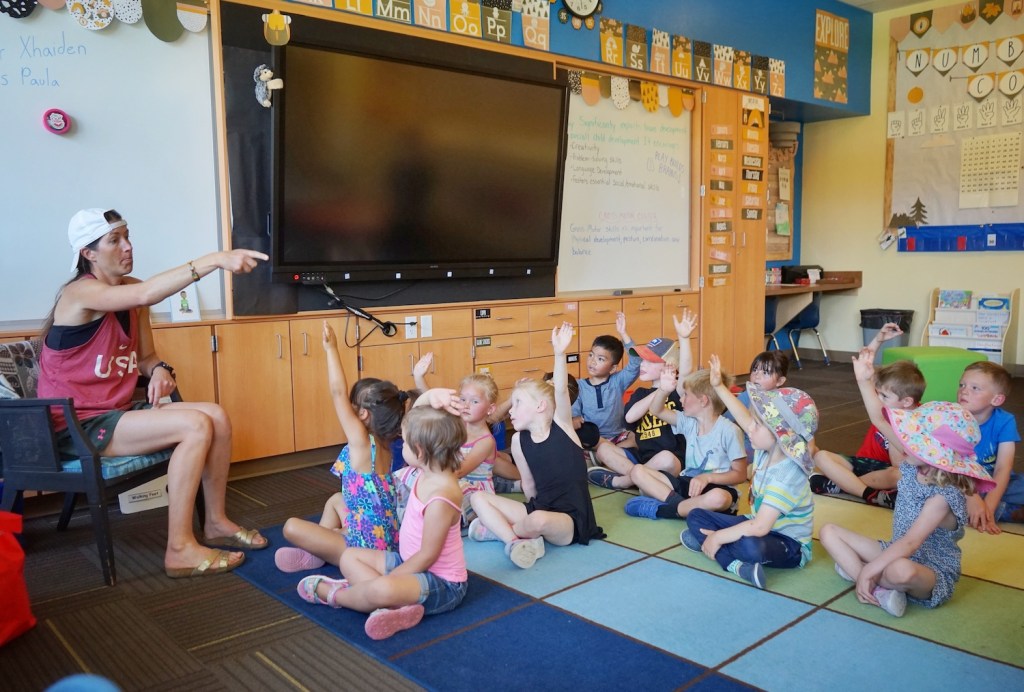
At the head of a classroom in Lander, Paula Vincelette held up a small plastic pig and asked a dozen preschoolers to help the pig build a house with bricks. The students-turned-builders intently mimed the construction of small imaginary homes on the carpet in front of them.

As Vincelette continued with the story of the “Three Little Pigs,” she paused often with prompts and questions. On cue, her rapt pupils enthusiastically repeated the famous tagline: “Not by the hair of my chinny-chin-chin!!”

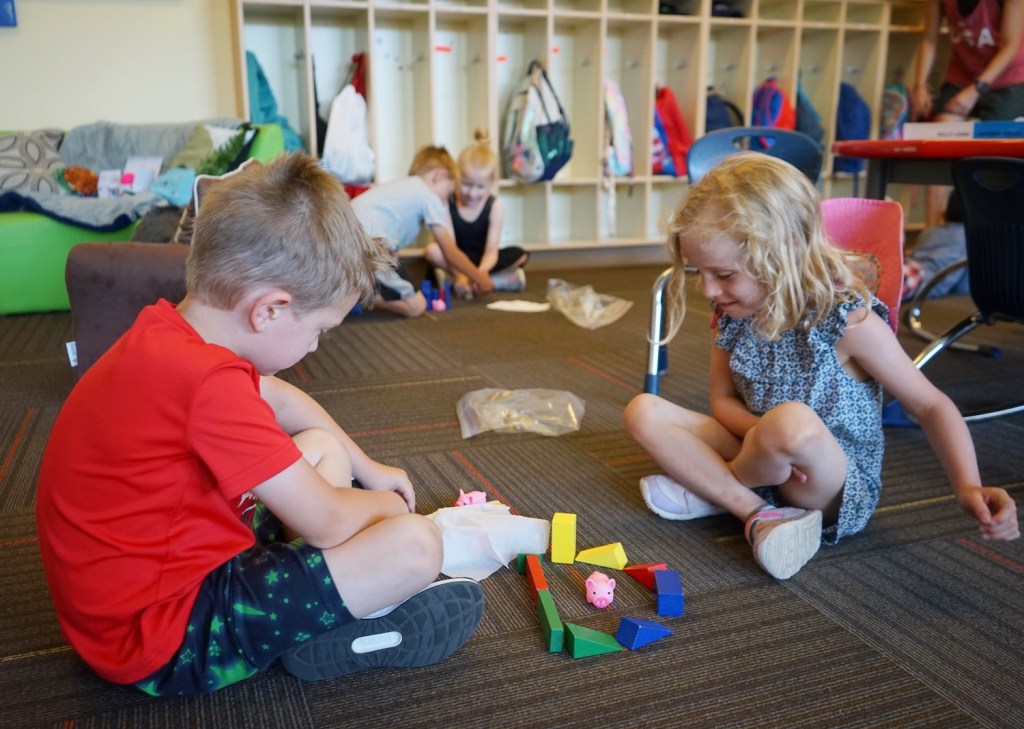
It may have looked like a simple storytime, but Vincelette incorporated elements meant to prepare these children for the kindergarten classroom next year. Like constructing a house brick by brick, they were honing their listening skills and building vocabulary; learning how to raise their hands and speak in turn. Later, when she paired them up to build their own little story sets using actual props, they worked on sharing, body awareness and communication.

As the early childhood education liaison for Fremont County School District 1, Vincelette has done this kind of work for five years. Along with direct instruction, she has also worked with child care providers and parents in her overarching goal to build better early childhood education foundations for district children.

Her position, however, is coming to an end. The school district discovered late this spring that its 2025-26 federal Title I funds — which supplement state and local funding for low-achieving children — would be cut by roughly $86,000. Administrators made what they described as an extremely difficult choice to terminate the position.

Although the end of the early childhood education job comes amid a torrid of federal cuts fueled by President Donald Trump’s DOGE efforts, this one is unrelated. Title I funds are calculated based on demographics, specifically the number of children living in poverty. The number of Fremont County children living in poverty declined from 227 in the last cycle to 182 in this one, according to the Wyoming Department of Education.

A similar demographic shift is occurring across much of the state. But what can on its face be interpreted as a positive trend had the downstream effect of reducing funding in most of Wyoming’s school districts. Notice from the federal government of decreases was months late, leaving many administrators scrambling after budgets were set. And, in places like Fremont County, it means an end to what many parents and supporters call a life-changing educational opportunity.

“Our family definitely benefited from Paula’s programs,” said Lander mom Amelia Decker. Decker started attending Vincelette’s free programs for families when her older son was a baby, received individual help when he was in preschool and enrolled him in the kindergarten transition session last summer.

“Her advice, the space she offered for myself and other parents, and the learning opportunities about how to interact with my children shaped me as a mother and opened up so many connections for our family,” Decker said.

In an era when educational experts say the role of early childhood education is crucial, many in Fremont County hope the district will be able to reinstate Vincelette’s position in the future.

Census numbers and federal funds

The number of Wyoming children ages 5-17 living in poverty dropped between the 2022 and 2023 U.S. Census, the basis for calculating ‘25-26 Title I allocations. The number fell by nearly 700 children, from 11,420 to 10,731, according to WDE calculations. The state’s total population of children ages 5-17, meanwhile, remained relatively stable, barely budging from 98,774 to 98,764. But statewide public school enrollment has been falling for at least five years, a trend educators attribute to factors like more parents deciding to homeschool their children.

The poverty-related shift resulted in a statewide drop of a little over $1 million for the federal Title I funds compared to the ‘24-25 school year, state figures indicate.

Though it’s hard to say what specific mix of factors contributed to the trend in Wyoming, tax credits and stimulus payments in conjunction with relief programs were credited with the largest nationwide one-year drop in childhood poverty in 2021.

Funding impacts for the incoming school year vary between districts. A decrease of 160 students in Natrona County District 1, for example, created a funding drop of roughly $63,000, and in Albany County School District 1, a decrease of 37 children living in poverty resulted in a loss of roughly $6,000.

But in Teton County School District 1, the number of children in poverty increased from 134 to 153, which resulted in a funding bump of $307,000. The majority, however, will receive less Title I money.

Fremont County School District’s Title I Coordinator Deidre Meyer’s job every year is “to look at our funding and see where this money is going to best serve our students under Title I,” she said.

Under the federal regulations, Meyer noted, “the majority of the Title I funding for preschool is supposed to be spent on Head Start and [Community Development Services].”

Up until late May, she was operating under the assumption that the funding level was stable. But late that month, she received an email from the Wyoming Department of Education with the updated federal allocations. Those updates normally arrive by February. That’s when Meyer realized she would have significantly less to work with, she said.

She attempted to move funds around, she said, but it wasn’t enough. Ultimately, she cut the early childhood liaison position because it was the option that affected the smallest number of students while still fulfilling the Title I grant requirements, she said.

“It was very hard,” Meyer said. “It was a tough one.”

The timing only made it harder, FCSD1 Superintendent Mike Harris said. By the time the May 21 notification arrived, “our staffing decisions are pretty much done.”

The tardiness, he said, “put a lot of districts in a tough spot. For those that are getting reduced funding now, they’re looking at their proposals and their projections, and they’re having to revise a lot.”

It is unclear why the projections were so late this year, but the federal Department of Education has been in flux since the Trump administration laid off an estimated 1,400 employees this spring. That issue is tied up in litigation .

A passion for early education

It’s never a pleasant experience to learn you will no longer have a job, Vincelette said. Despite that, she had no ill words about the district and said she understood the difficult choice.

Vincelette grew up in Rock Springs and pursued elementary education at the University of Wyoming. There, she studied under renowned UW professor Nikki Baldwin.

“The way she taught was making you really think outside the box and push the quote-unquote standard of what we think early childhood should be,” Vincelette said. “I really connected with that.”

She also found inspiration in the deliberate and thoughtful curriculum at Laramie’s Early Care and Education Center, where her own two kids attended.

Vincelette moved to Lander nine years ago to work as a preschool teacher for the school district. She transitioned to the early childhood education liaison five years ago, initially as part-time.
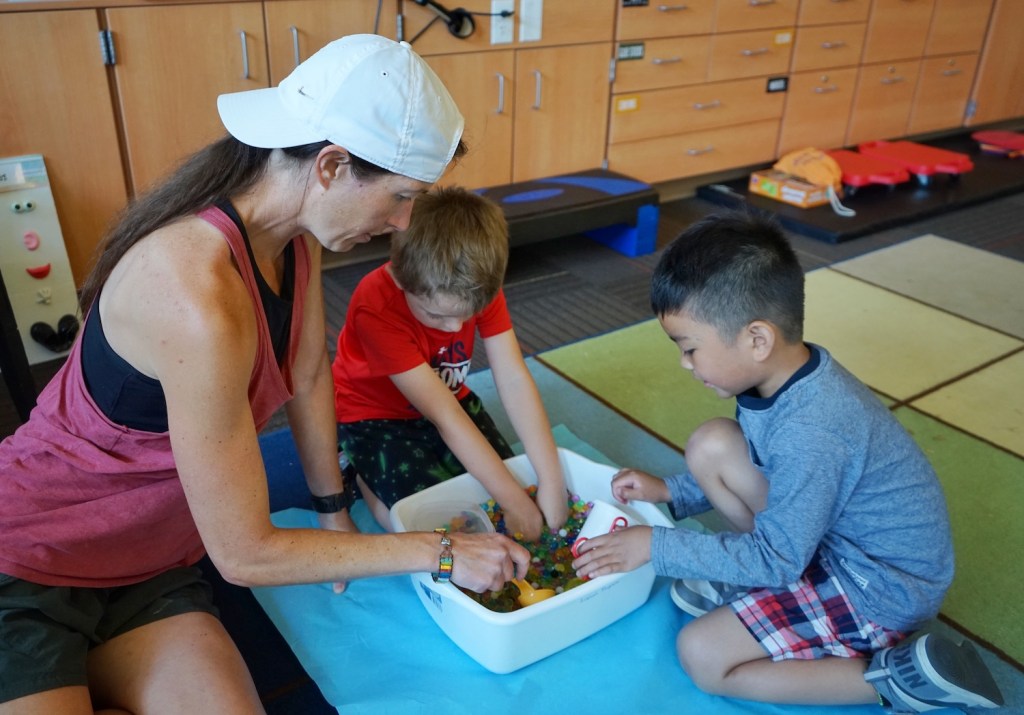
The position aimed to support the early childhood education landscape in a broader sense. To do that, Vincelette worked with local preschools and kindergarten classrooms to model and teach weekly lessons based on needs. She offered a free, weekly “Little Explorers” program for families with children under 5 to encourage learning and play. She advocated developmentally appropriate learning, worked with the family consumer science class at the high school and led the summer “Lights On” program for children about to enter kindergarten.

Vincelette is an adherent of evidence-based models, and a big part of her approach is learning through play.

If educators present lessons “in a playful manner, students are going to remember that,” she said. Connecting it to joy and fun makes it more effective for small children, she said.

She learns a lot from young children, she added, who have a purity, rawness and presence of mind she finds refreshing.

It appears she has taken a page from that presence of mind in this situation. Instead of panicking about finding a new job, Vincelette said in the Lander classroom during a break in the summer pre-kindergarten program, she spent the final weeks of her job absorbed in the work.

‘Kid magic’

Back in the classroom, Vincelette’s way with kids was evident. Whether asking them to touch their ears while listening, telling the story with a toy wolf or asking them to place hands on top of their heads to show they were finished, she commanded their complete attention.

Following story time, the children moved through play stations around the room — painting, handling fragile water beads, building with magnetic blocks, practicing handwriting with a magnetic “pen” among them. The stations were designed to help build things like motor skills, body awareness or language foundations, Vincelette said.
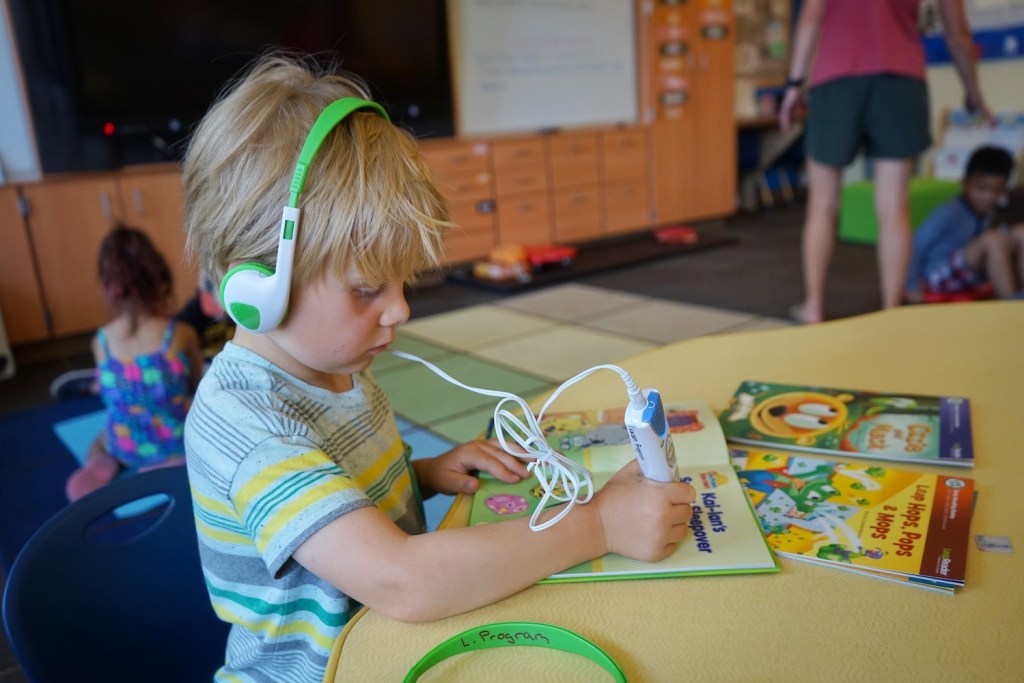
“Miss Paula has ‘kid magic,’” a local kindergarten teacher wrote in a testimonial after news broke that the position had been terminated. Vincelette collected a number of these in an effort to provide proof of how impactful the work has been. She hopes funding will be available in the future to support the reinstatement of something similar.

Supporters hope so too. In the pages of testimonials, kindergarten teachers, preschool directors, parents and mentees praised her singular talent with small children during an era when evidence of the importance of early childhood education on long-term outcomes of success is mounting.

They credited Vincelette with quelling behavioral issues and igniting imagination, equipping parents with tools to encourage learning-based play at home, transforming teachers’ approach to instruction and easing transition into the classroom for all kids, including those who didn’t attend daycare or preschool.

“Her absence will be profoundly felt by students, teachers, and families alike,” another teacher wrote.

Decker, the Lander mom, recently watched her son finish kindergarten. While he has his ups and downs, she said, “he is thriving academically and as a person. I credit so much of that to Ms. Paula.”

The post Declining federal funds, late notice extinguish Ms. Paula’s preschool ‘magic’ appeared first on .
Notification
This is just an example, you can fill it later with your own note.
Done